About this landscape rock

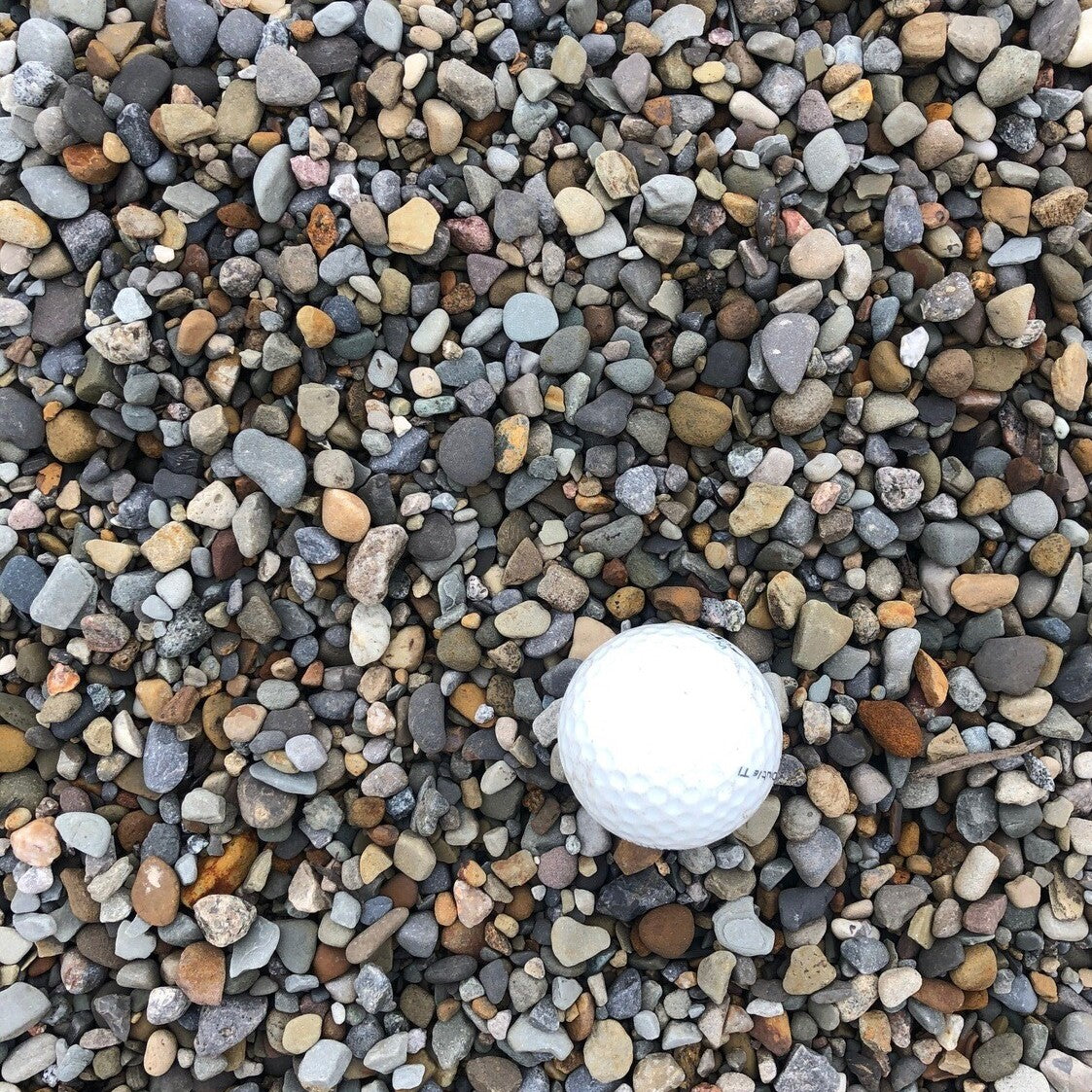
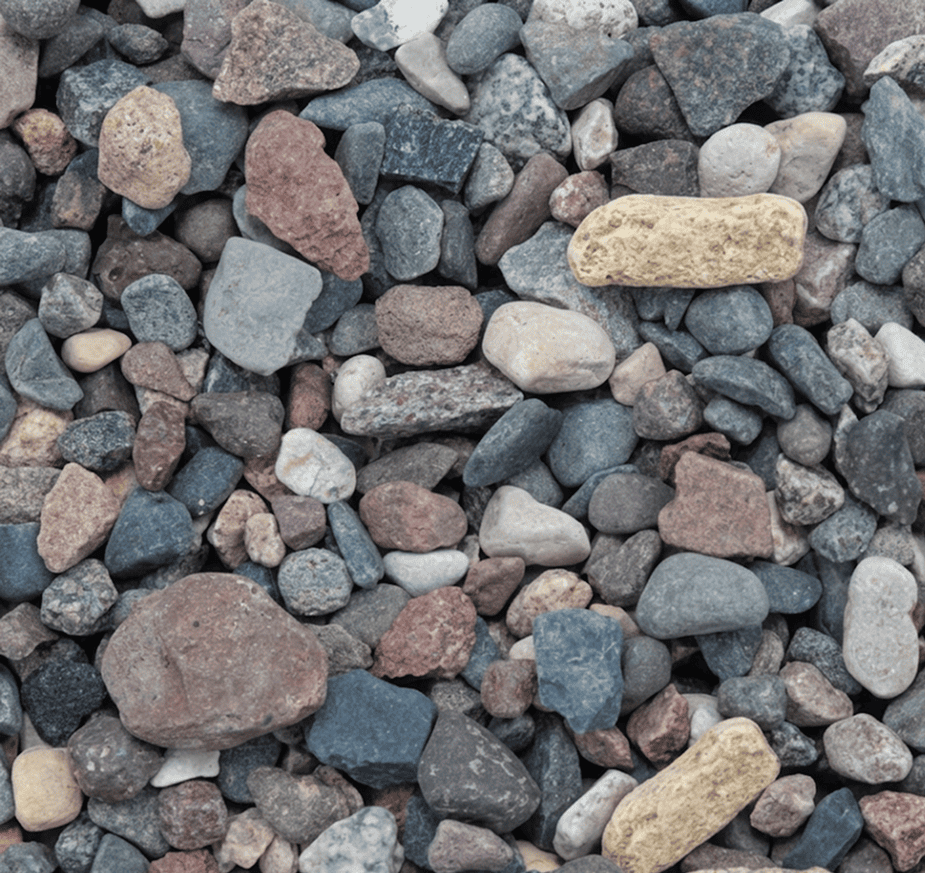
Smooth tumbled river rock, heavy enough to stay put in drainage runs and handsome enough for beds and borders.

Wonderful experience! They put the mulch exactly where we wanted. This mulch spread very easily and didn’t have the usual “mulch smell.” We will definitely use again!

One cubic yard of landscape rock covers about 162 square feet at a 2 inch depth, which is the standard install for groundcover beds. If you want a heavier 3 inch depth for erosion control near a downspout or a slope, plan on roughly 108 square feet per yard. Measure your bed length by width, then order by the yard rather than guessing bag counts.

A yard is approximately 27 cubic feet. As a general guideline, one yard of material can cover an area of about 100-160 square feet at a 2-3 inch depth.

Houston Landscape Rock Delivery

Houston Landscape Rock Delivery

4.7
137 reviews
Regular price $132.00 per Yard
Regular price Sale price $132.00
Sale Sold out
Shipping calculated at checkout.
Type
Size
Minimum of 3 Yard
Hand-picked local yards
4,000+ regional deliveries
Dedicated support
Why order through Mulch Mound

The best local landscape rock, without the guesswork.

We hand-pick and partner with the best yards in your region, keep only the ones our buyers rate well, and back each load with our guarantee.

Mulch Mound Guarantee

If your landscape rock isn't the quantity or quality you ordered, we'll make it right.

About this landscape rock

Smooth tumbled river rock, heavy enough to stay put in drainage runs and handsome enough for beds and borders.

Wonderful experience! They put the mulch exactly where we wanted. This mulch spread very easily and didn’t have the usual “mulch smell.” We will definitely use again!

One cubic yard of landscape rock covers about 162 square feet at a 2 inch depth, which is the standard install for groundcover beds. If you want a heavier 3 inch depth for erosion control near a downspout or a slope, plan on roughly 108 square feet per yard. Measure your bed length by width, then order by the yard rather than guessing bag counts.

A yard is approximately 27 cubic feet. As a general guideline, one yard of material can cover an area of about 100-160 square feet at a 2-3 inch depth.

View full details

How It Works

Getting started is easy — just follow these simple steps

1

Choose your quantity

Adjust the quantity to match your project. One cubic yard covers about 100 to 160 square feet at a 2 to 3 inch depth.

2

Select your delivery date

Select a delivery date you'd like for the product to be dropped off at your home

3

Sit back and wait

Sit back, wait, and let us work our magic to make sure the highest quality product is delivered to your driveway.

From The Mouths of Houston Folks

4.7
out of 5 based on 137 reviews
Google Reviews

Complete Your Outdoor Project

Landscape fabric underneath is what makes rock a decade-long install instead of a weed patch by next summer. Steel or aluminum edging keeps it from migrating into the lawn during heavy rain events, which happen often here. Some customers add a strip of mulch near plant beds that still need organic matter, since rock alone will not feed the soil.

Mulch Mound Pro Tip

Houston's clay subgrade compacts hard once wet, so before laying fabric, scrape the bed down an inch or two and rake it level rather than laying rock straight over lumpy clay. Water pools in low spots otherwise, and you will see it sitting there after every storm. A slight grade away from the foundation, even a half inch drop over a few feet, keeps rock beds draining the way they are supposed to instead of holding water against your slab.

Mulch Mound Pro Tip

The biggest mistake in this climate is skipping fabric to save money. Without it, clay soil migrates up through the rock within a year or two, and you end up pulling weeds out of stone that was supposed to be maintenance free. Fabric is what turns this into the one time install it is marketed as. Also expect oak and pine debris to collect on top, since rock does not absorb organic matter the way mulch does, so plan on blowing it out a few times a year.

Mulch Mound Pro Tip

Order the full yardage in one delivery rather than splitting a project across two smaller loads, since bulk delivery pricing favors volume and a half finished bed looks worse than an unfinished one. If you are doing multiple beds around the house, measure them all before ordering so leftover rock from a bigger bed can finish a smaller one instead of ordering twice.

Decorative Stone in Houston

Houston's clay soil does not drain fast, and that means beds against the house stay damp long after a storm rolls off the gulf. Rock over fabric solves that, it sheds water instead of holding it, which matters here more than in sandier climates. With a frost window that barely dips below freezing from December to mid February, there is no real off season, you can install rock almost any month. It is a common choice for foundation beds and downspout runoff areas across the city, from the Heights to Space City neighborhoods near the Space Center.

What Landscape Rock Is

Landscape rock is stone chosen for how it looks as much as what it does. River rock is smooth and rounded, decomposed granite is fine and packs firm underfoot. Both are sold by the cubic yard for beds, borders, paths, and dry creek beds.

River Rock vs Decomposed Granite

River rock stays loose and rolls, so it suits beds, borders, and drainage runs where it can sit in place. Decomposed granite compacts into a firm surface, so it suits paths, patios, and anywhere you will walk or roll a wheelbarrow.

Depth and Coverage

Spread river rock 2 to 3 inches deep over landscape fabric so it stays put and weeds stay down. Lay decomposed granite 3 to 4 inches deep, wet it, and compact it in lifts for a surface that sheds water instead of rutting.

Frequently Asked Questions

Click a question to see the answer

Answer

Will landscape rock sink into my clay soil over time?

Not if fabric is installed first. Houston clay compacts hard once it dries, so rock sitting directly on bare soil will slowly work its way down as the ground shifts through wet and dry cycles. Fabric creates a barrier that keeps the rock on top and the clay below, which is what makes this a true one time install instead of a yearly top off.

Answer

How many cubic yards do I need for a 300 square foot bed?

At the standard 2 inch depth, one cubic yard covers about 162 square feet, so a 300 square foot bed needs just under 2 cubic yards. If you are covering a slope or a downspout runoff area at 3 inches deep, plan closer to 3 yards for the same footprint.

Answer

Is there a bad time of year to install rock in Houston?

Not really. With frost only showing up briefly between December and mid February, the ground rarely freezes here, so rock can be installed most months. The one thing to avoid is laying it during a heavy rain stretch, since wet clay is harder to level and fabric will not lay flat over saturated ground.

Answer

Where will the delivery truck drop the rock, and do I need to be home?

You choose the drop location, driveway or curb, when you schedule at checkout, and the truck places the load there directly. You do not need to be home, but someone should confirm access beforehand, especially if a gate or narrow drive limits where a loaded truck can maneuver.

Answer

Should I use rock or mulch around my foundation?

Rock holds up better right against the house because it sheds water instead of holding it against your slab, which matters with Houston's heavy clay and drainage challenges. Mulch breaks down and needs yearly refresh, rock does not. The tradeoff is rock will not feed nearby plants the way organic mulch does, so many customers use rock near the foundation and mulch further out in planting beds.

More delivery around Houston, Texas

All Houston, Texas landscape supply
