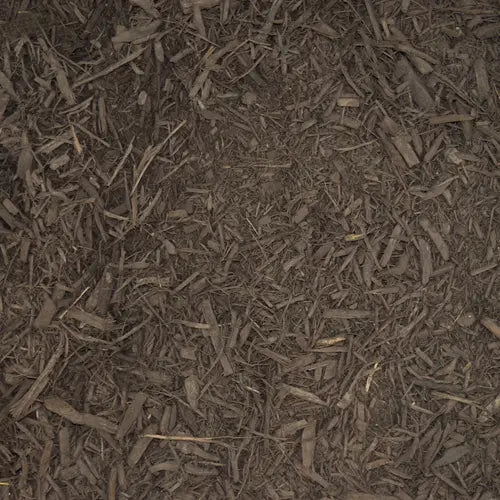
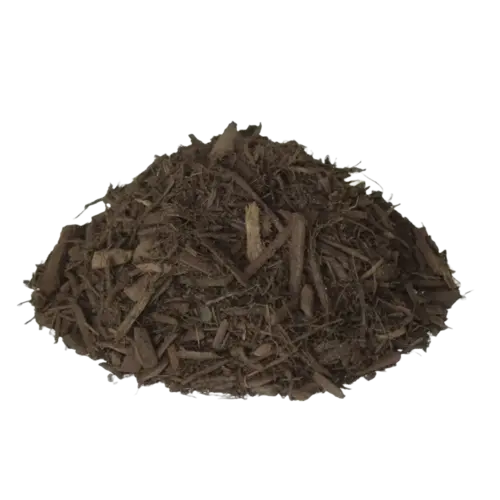
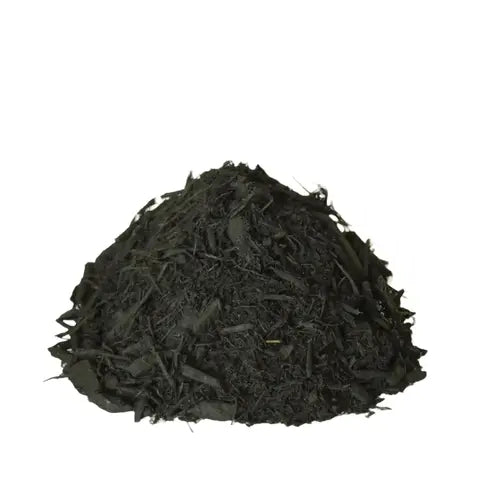
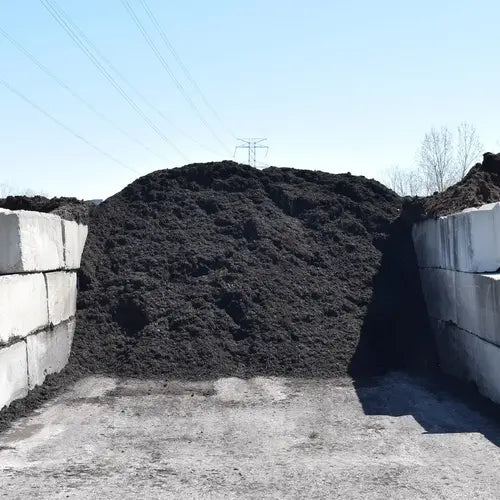
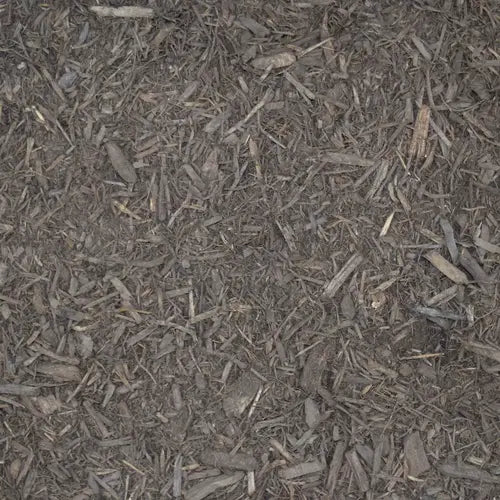
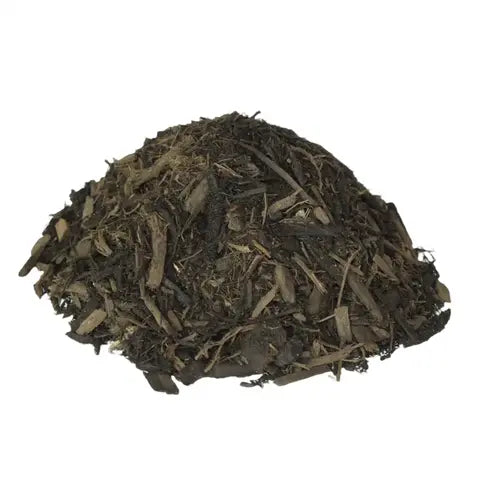
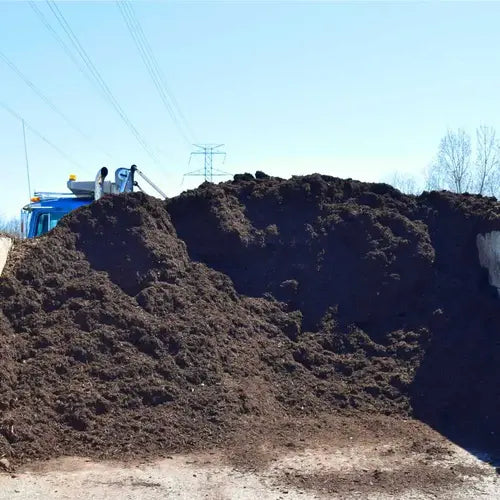
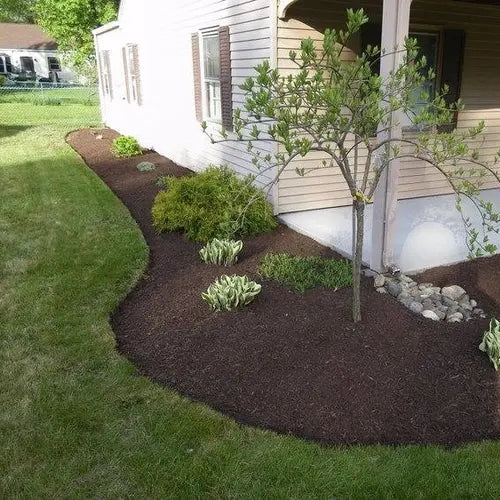
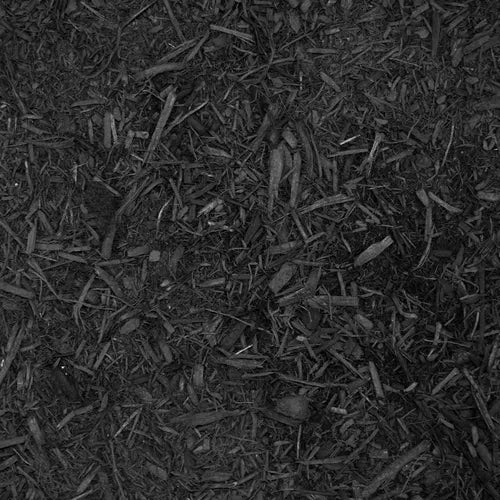
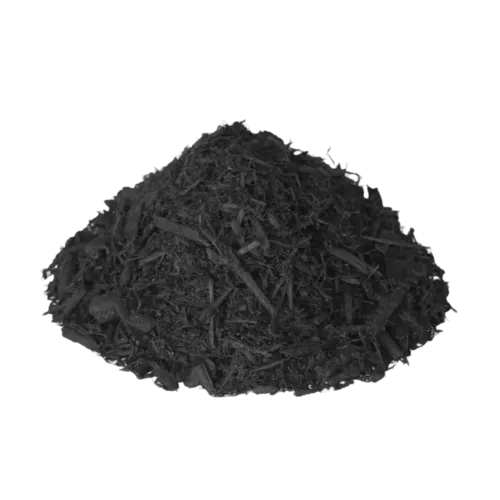
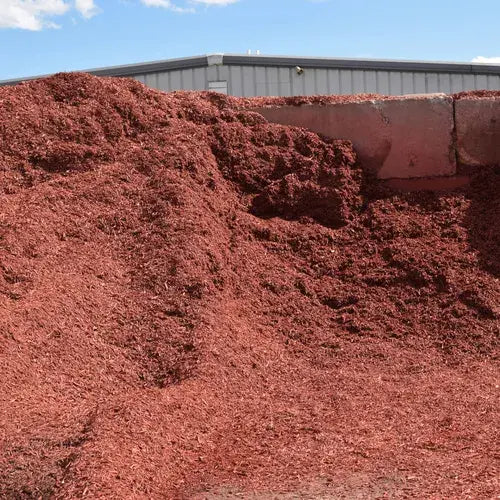
Warm brown double shredded mulch with lasting color that looks freshly applied for weeks. Spreads smooth, stays put, and gives beds a natural, polished appearance.
Mulch Mound made it so easy! So happy with the pricing, turn around time, delivery and product. I submitted my online order on a Thursday. The mulch was delivered to the designated location by a local landscape company at 8:30 a.m. the following Saturday morning. We had the...
Tell us what you're looking for
Thanks! We received your request.
Something went wrong. Please try again.
How Much Material Do I Need?
For Janesville's silt loam beds, apply 2 inches of mulch for established plantings and 3 inches for new beds or areas with heavy weed pressure. Avoid exceeding 3 inches, as the naturally moisture-retentive silt loam can stay too wet under a thick mulch layer and encourage root rot.
Use our free mulch calculator
What is a yard?
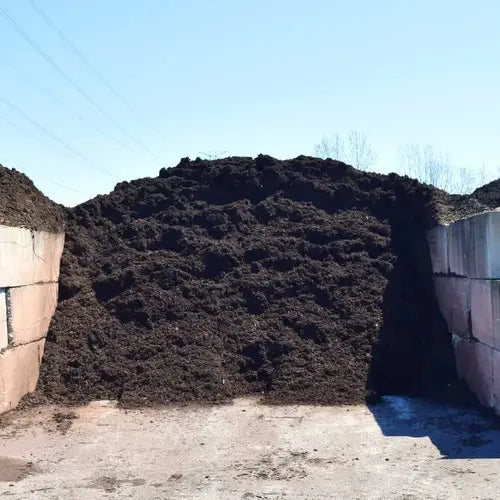
A yard is approximately 27 cubic feet. As a general guideline, one yard of material can cover an area of about 100-160 square feet at a 2-3 inch depth.
We can't take orders for this right now. Tell us what you need and we'll get back to you.
What do you need?
Thanks! We received your request.
Something went wrong. Please try again.
Hand-picked local yards
4,000+ regional deliveries
Dedicated support
Why order through Mulch Mound
The best local mulch, without the guesswork.
We hand-pick and partner with the best yards in your region, keep only the ones our buyers rate well, and back each load with our guarantee.
Mulch Mound Guarantee
If your mulch isn't the quantity or quality you ordered, we'll make it right.
About this mulch
Warm brown double shredded mulch with lasting color that looks freshly applied for weeks. Spreads smooth, stays put, and gives beds a natural, polished appearance.
Mulch Mound made it so easy! So happy with the pricing, turn around time, delivery and product. I submitted my online order on a Thursday. The mulch was delivered to the designated location by a local landscape company at 8:30 a.m. the following Saturday morning. We had the...
How Much Material Do I Need?
For Janesville's silt loam beds, apply 2 inches of mulch for established plantings and 3 inches for new beds or areas with heavy weed pressure. Avoid exceeding 3 inches, as the naturally moisture-retentive silt loam can stay too wet under a thick mulch layer and encourage root rot.
Use our free mulch calculator
What is a yard?
A yard is approximately 27 cubic feet. As a general guideline, one yard of material can cover an area of about 100-160 square feet at a 2-3 inch depth.
Mulch Mound made it so easy! So happy with the pricing, turn around time, delivery and product. I submitted my online order on a Thursday. The mu...
Read full review
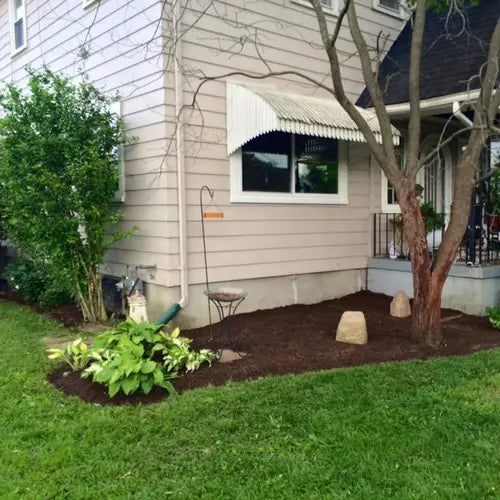
Mulch Mound made it so easy! So happy with the pricing, turn around time, delivery and product. I submitted my online order on a Thursday. The mulch was delivered to the designated location by a local landscape company at 8:30 a.m. the following Saturday morning. We had the job completed by that afternoon. We chose the natural brown mulch, and the plant beds are beautiful.
Good quality, great price, fast delivery. All online - no submitting forms and waiting for days for quotes. Getting mulch should be this easy fr...
Read full review
Good quality, great price, fast delivery. All online - no submitting forms and waiting for days for quotes. Getting mulch should be this easy from everyone. Only Mulch Mound is ACTUALLY this simple.
I highly recommend Mulch Mound. The quality of the mulch is very good. The ordering system on their website makes it very easy. The delivery driver...
Read full review
I highly recommend Mulch Mound. The quality of the mulch is very good. The ordering system on their website makes it very easy. The delivery driver did a great job placing the mulch on the driveway. To finish off, the pricing was very reasonable as well.
Measure the length and width of each bed in feet, multiply them together, then divide by 12 to get the cubic feet needed for a 1-inch depth. Janesville beds typically need 2 to 3 inches of coverage, so multiply your cubic feet result by 2 or 3, then divide by 27 to convert to cubic yards for ordering. Because silt loam soil is prone to compaction and can settle unevenly after rains, it is always worth rounding up by half a yard to ensure full, consistent coverage across the entire bed.
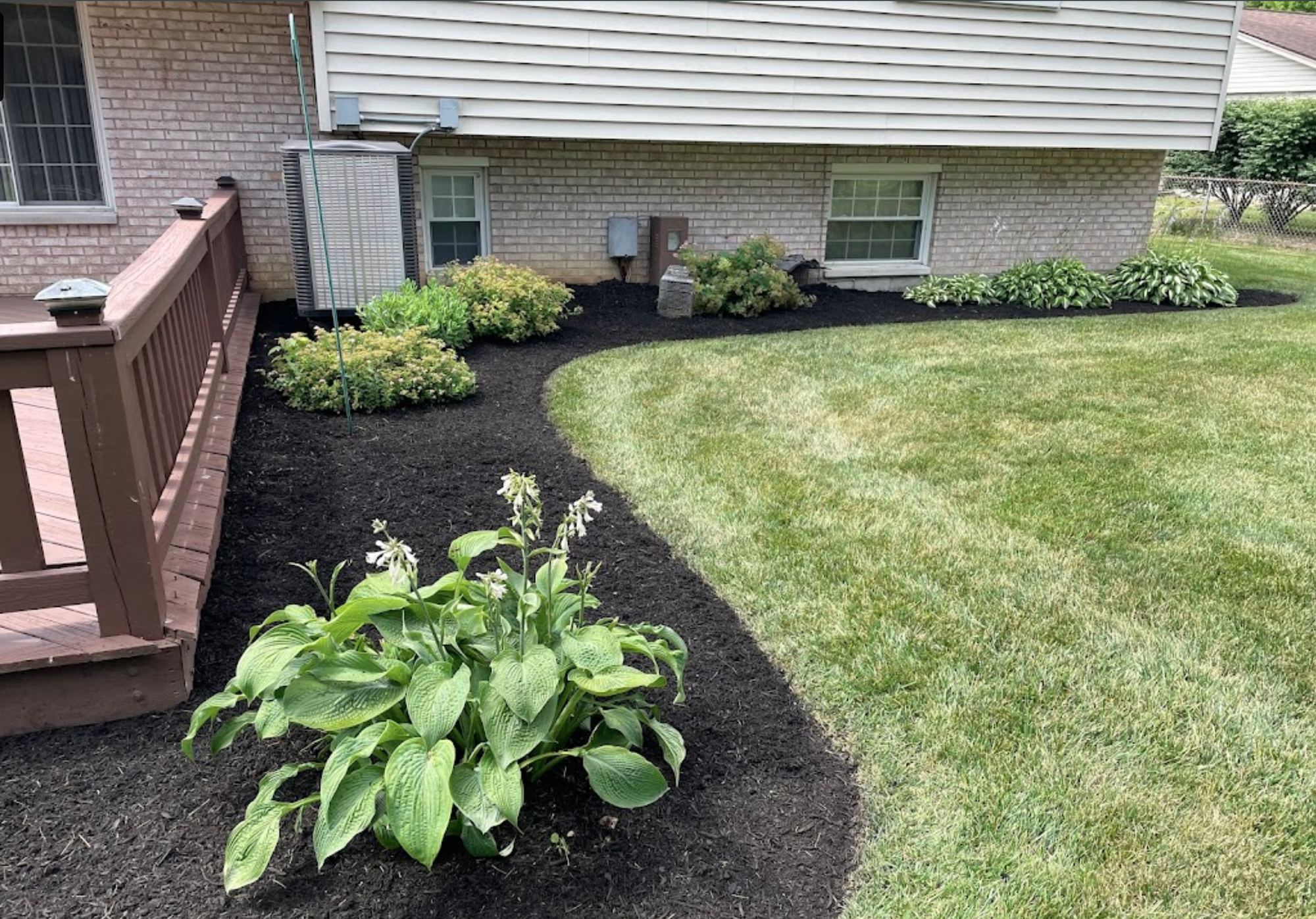
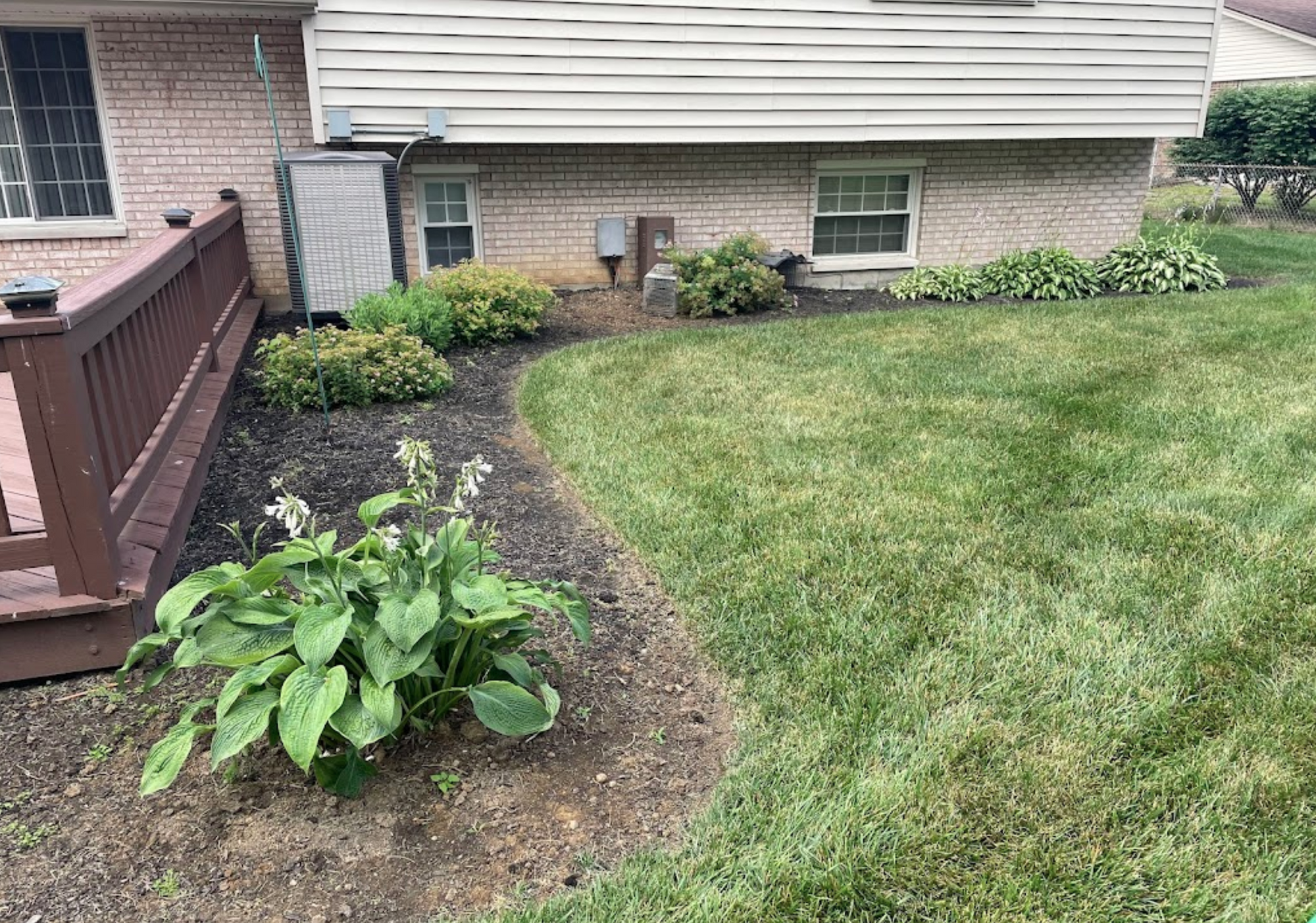
Mulch vs. No Mulch: The Difference
Janesville's Zone 5b climate brings a wide range of conditions that affect how quickly mulch breaks down, from wet spring thaws to dry mid-summer stretches and hard October freezes. Natural hardwood mulches decompose steadily throughout the season and feed organic matter directly into Janesville's silt loam, gradually improving drainage and soil structure over multiple years. Dyed or processed mulches break down more slowly, which extends their visual appeal but contributes less organic material to the soil over the same period.
Before
After
Best Mulch Choice for Janesville Lawns
Most yards in the Janesville area sit on Silt Loam type of soil. Janesville's silt loam tends to seal over at the surface after heavy rains, forming a crust that limits water and air movement into the root zone. Amending the top layer with decomposing organic mulch opens up the soil structure over time and allows plant roots to penetrate more freely.
Hardwood Mulch
Hardwood mulch is particularly well matched to Janesville's silt loam because as it decomposes it releases lignin and humic material that bind silt particles together into more stable aggregates. Those aggregates improve drainage, reduce compaction, and give plant roots a looser, more aerated medium to grow through, directly counteracting the natural weaknesses of silt loam soil.
Mulch Types We Deliver in Janesville
Mulch Mound offers bulk mulch delivery in Janesville, bringing material by the cubic yard directly to your driveway so you can skip the bag-hauling and cover more ground. Our selection is curated for Wisconsin's variable climate, where spring moisture, clay-heavy soils, and warm summers shape what performs best in residential beds and borders.
Dyed Black Mulch
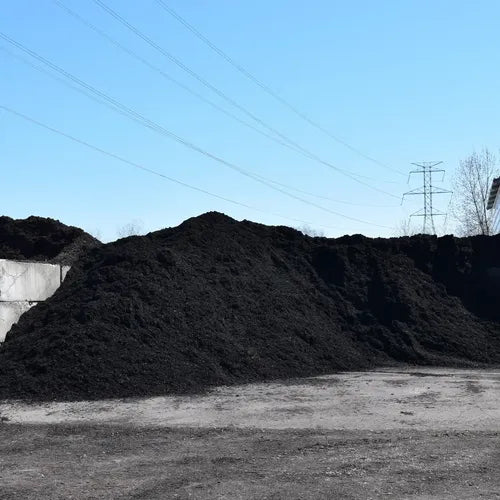
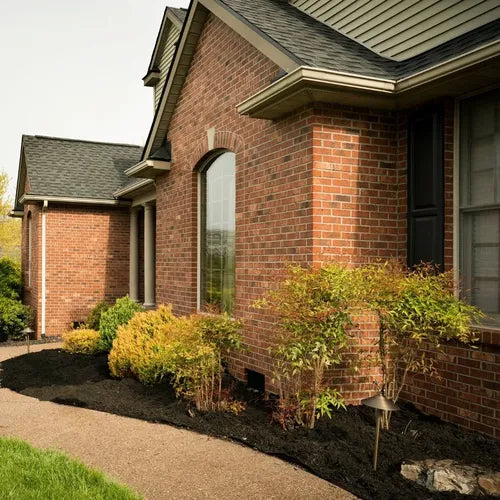
Bold and striking, this double shredded mulch holds its deep black color through Wisconsin's wet springs and dry summers. It pairs well with the light brick and neutral-colored homes typical in this part of Wisconsin, giving beds and borders a clean, defined finish that stays sharp all season.
Dyed Brown Mulch
This warm double shredded mulch suits homeowners who want a natural look without giving up lasting color. The rich brown tone blends well with the wooded backyards and mixed tree lines typical of southern Wisconsin, and its smooth texture spreads evenly across both flat and sloped beds.
Natural Brown Mulch
For homeowners who prefer an undyed option, this double shredded mulch delivers a warm earthy tone straight from the wood. It breaks down over time and gradually improves the heavier clay soils found across southern Wisconsin, leaving beds with a clean, honest appearance.
Cedar Mulch
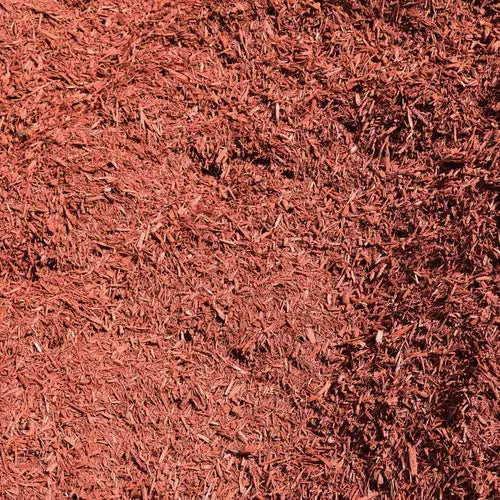
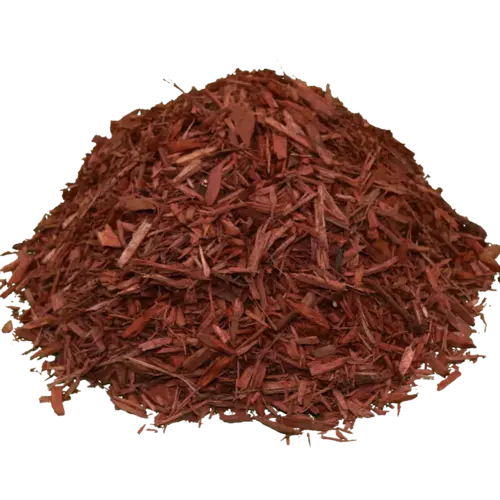
Double shredded cedar mulch brings natural insect-repelling properties that make it a smart choice for beds near foundations and wooded borders throughout the region. The warm reddish-brown color fades gracefully over the season, while the fine texture settles neatly around perennials, shrubs, and ornamental plantings.
Complete Your Outdoor Mulch Project
If your beds need regrading or a nutrient boost before mulching, pair your mulch order with a delivery of premium topsoil to build up low spots that collect water after Janesville's frequent spring rains. Decorative stone works well alongside mulch to edge pathways or define transitions between lawn and garden areas across your property.
Pull mulch back at least 2 inches from the base of any tree trunks or shrub stems before applying. Janesville's silt loam holds moisture well, and combined with a thick mulch collar against a stem, you create the perfect conditions for crown rot and fungal disease. Keep a clear, dry ring around each plant base and let the mulch begin a few inches out from the stem. This one habit protects your investment in trees and perennials through every growing season.
Mulch Mound Pro Tip
Use mulch to define planting bed edges more clearly before Janesville's growing season kicks off in May. Once the ground thaws and grass starts growing aggressively after the last frost, clean bed edges save hours of hand-trimming through the season. Lay a sharp edge with a spade, then pack mulch right up to the border. A well-defined mulched bed also reduces the chance of lawn mowers throwing soil and rocks into planted areas during the long mowing season from May through October.
Mulch Mound Pro Tip
Janesville receives about 36 inches of rain each year, and much of it falls in spring and early summer when garden beds are most active. Mulch acts as a rainfall buffer, slowing runoff from heavy storms and giving silt loam soil time to absorb water rather than losing it to sheet flow across the surface. A properly mulched bed can reduce supplemental watering needs by 25 to 50 percent compared to bare soil, which adds up to real savings on your water bill through the entire growing season.
Frequently Asked Questions
Click a question to see the answer
Answer
How deep should I apply mulch over my Janesville garden beds?
A depth of 2 to 3 inches is the sweet spot for most Janesville garden beds. Janesville's silt loam holds moisture reasonably well on its own, so going deeper than 3 inches can trap too much moisture against plant crowns and encourage rot. Two inches gives you solid weed suppression and moisture retention without smothering roots, which matters especially in spring when the soil is already saturated from snowmelt and April rains.
Answer
When is the best time of year to put down fresh mulch in Janesville?
The two best windows are late April after the last frost around April 28, and again in mid-October just before the first frost around October 9. The spring application locks in soil warmth and suppresses the first wave of weed seeds, while the fall application insulates perennial roots through Zone 5b winters. Avoid mulching too early in spring when the ground is still frozen, as it can delay soil warming and slow plant emergence.
Answer
Will mulch help with the compaction issues in my silt loam soil?
Yes, mulch is one of the best tools for fighting compaction in Janesville's silt loam. The organic material breaks down over time and adds structure to the soil, making it more resistant to compaction from foot traffic and rainfall. With 36 inches of annual rainfall, unprotected silt loam beds get hammered by raindrops all season long, which packs the surface down and reduces drainage. A mulch layer absorbs that impact and keeps the soil surface open.
Answer
How often do I need to refresh my mulch in Janesville?
Most Janesville homeowners find that refreshing mulch once a year, usually in late April or early May, keeps beds looking good and functioning well. With 36 inches of annual rainfall and Zone 5b freeze-thaw cycles, organic mulch breaks down faster here than in warmer or drier climates. You typically do not need to remove the old layer. Just top it off to bring the depth back to 2 to 3 inches, and if the old mulch has fully decomposed, it has already been working its way into the silt loam and improving soil quality.
Answer
Does colored or dyed mulch hold up through Janesville's wet spring weather?
Dyed mulches can fade faster in wetter climates, and Janesville does see a good amount of spring rainfall that accelerates color washout. Quality dyed mulches use colorfast pigments and typically hold their appearance through one full growing season. If color retention is a priority, apply fresh dyed mulch in late April after the heaviest spring rains have passed. Natural hardwood mulches that start brown will fade to gray over the season but blend into the landscape in a way many Janesville gardeners prefer.
Answer
Should I pull out the old mulch before adding a new layer in spring?
In most cases, no. If the existing mulch layer is still 1 inch or more thick, simply top it off rather than removing it. Pulling out partially decomposed mulch wastes material that is actively feeding your silt loam soil with organic matter. The exception is if the old mulch has become matted into a dense, water-repelling layer, which can happen if it was applied too thick or packed down by heavy winter snowfall. If you see water beading on the surface rather than soaking in, rake and loosen the old layer before adding new mulch.
Answer
What type of mulch works best for protecting perennials through a Zone 5b Janesville winter?
Shredded hardwood mulch is the top choice for winterizing perennial beds in Janesville. Its interlocking texture resists blowing and compacting, which is important given the freeze-thaw cycles that can heave roots out of the ground between October and April. Apply 3 inches around perennial crowns after the first frost around October 9 to moderate soil temperature swings. Avoid fine mulches that pack too densely and cut off air to crowns over a long Janesville winter.
The Unique Landscape of Janesville
Janesville's silt loam soil has a natural tendency to compact and form a surface crust after the heavy rain events that contribute to the city's 36 inches of annual rainfall, and that crusting cuts off oxygen to plant roots while speeding up surface runoff. A consistent layer of mulch acts as a buffer, absorbing the impact of raindrops and keeping the soil surface loose and permeable throughout the season. With a last frost date around April 28, Janesville springs are unpredictable, and mulch provides critical insulation for perennials pushing new growth during late-season cold snaps. The October 9 average first frost signals the need to have beds well mulched before the ground starts cooling, protecting root systems through Zone 5b winters. Properly applied mulch reduces the crusting tendency of Janesville's silt loam by letting rainfall soak in rather than sheet off across the surface. Year-round mulching is one of the most effective strategies for maintaining healthy, productive planting beds in Janesville's variable climate.