
About this mulch

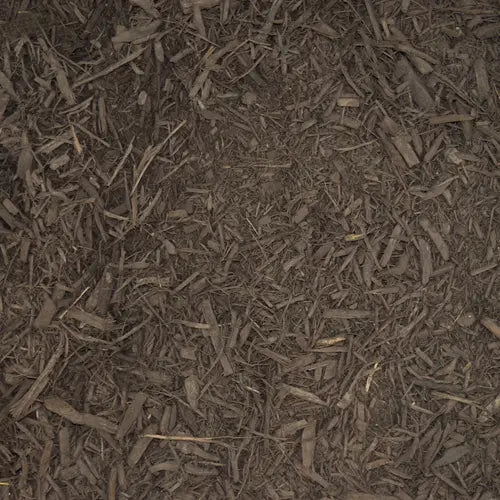
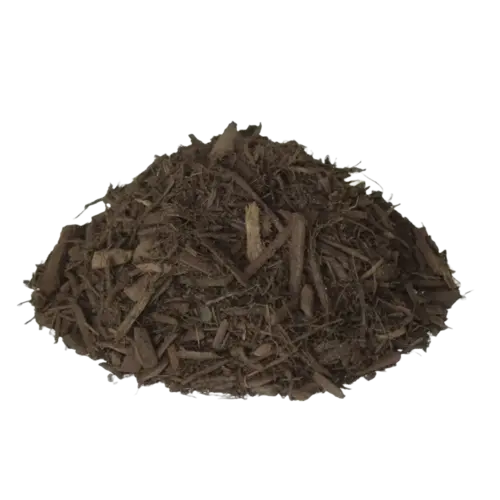
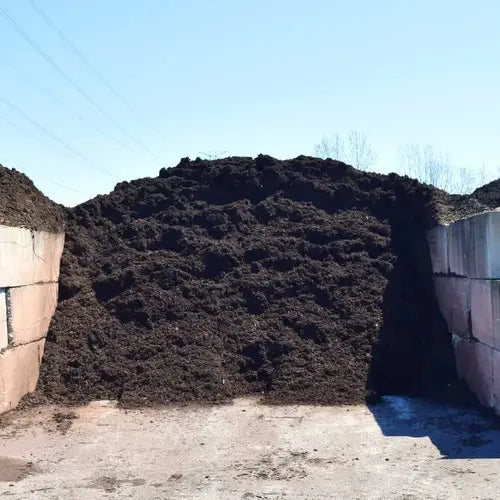
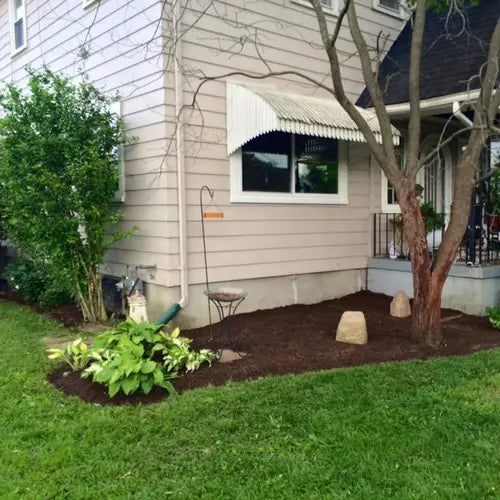
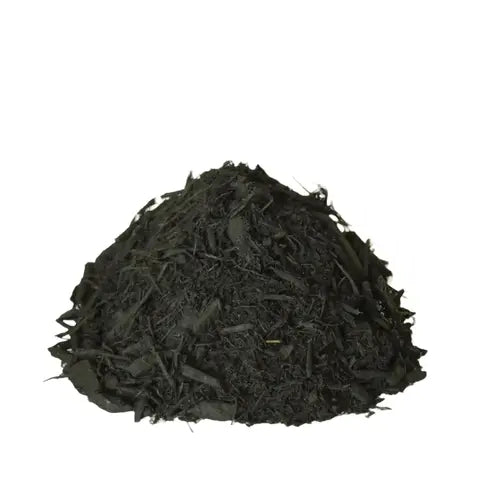
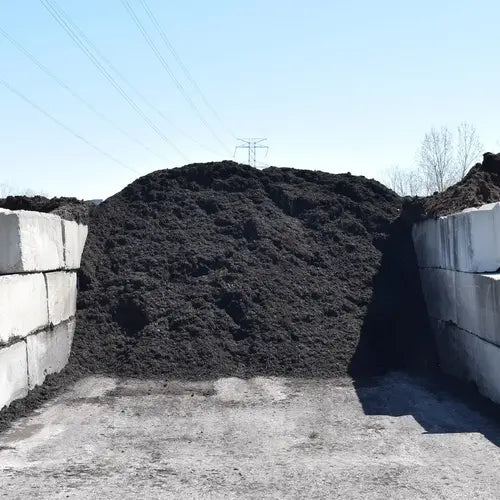
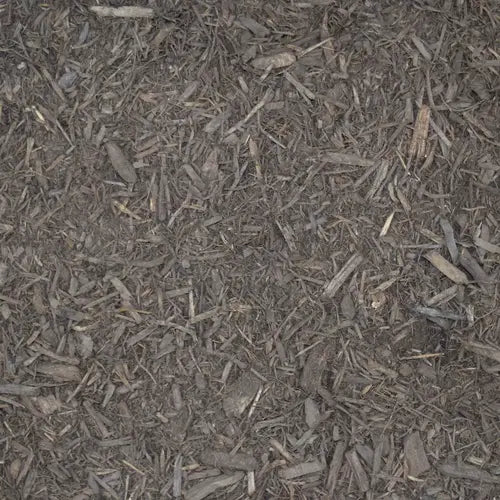
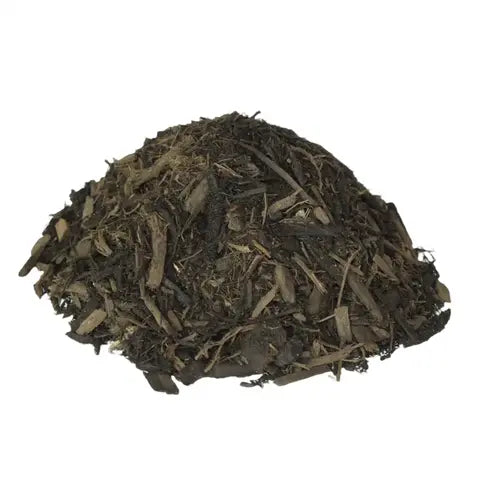
Double-shredded mulch dyed a rich, even brown that holds its color through the season.

Mulch Mound made it so easy! So happy with the pricing, turn around time, delivery and product. I submitted my online order on a Thursday. The mulch was delivered to the designated location by a local landscape company at 8:30 a.m. the following Saturday morning. We had the...

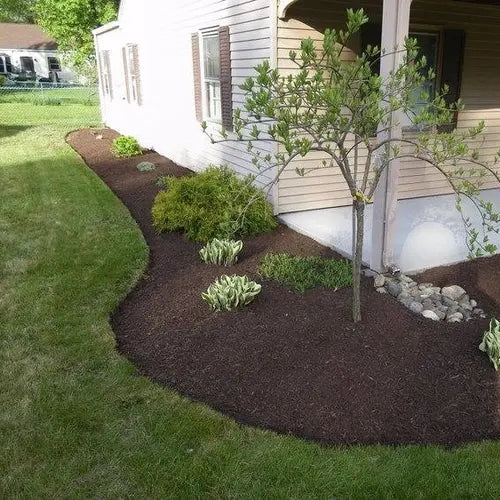
Plan on three inches of mulch for established beds and two inches around trees and shrubs where you want the soil to breathe. In our dry summers, going below two inches leaves too little moisture protection to matter.
Use our free mulch calculator

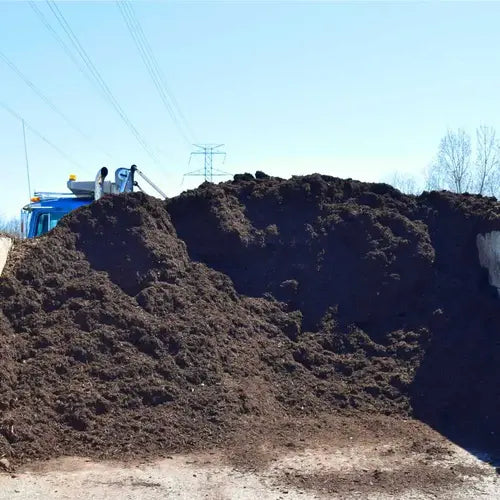
A yard is approximately 27 cubic feet. As a general guideline, one yard of material can cover an area of about 100-160 square feet at a 2-3 inch depth.

Junction City Mulch Delivery

Junction City Mulch Delivery

4.7
137 reviews
Regular price $64.00 per Yard
Regular price Sale price $64.00
Sale Sold out
Shipping calculated at checkout.
Color
Style
Hand-picked local yards
4,000+ regional deliveries
Dedicated support
Why order through Mulch Mound

The best local , without the guesswork.

We hand-pick and partner with the best yards in your region, keep only the ones our buyers rate well, and back each load with our guarantee.

Mulch Mound Guarantee

If your isn't the quantity or quality you ordered, we'll make it right.

About this mulch

Double-shredded mulch dyed a rich, even brown that holds its color through the season.

Mulch Mound made it so easy! So happy with the pricing, turn around time, delivery and product. I submitted my online order on a Thursday. The mulch was delivered to the designated location by a local landscape company at 8:30 a.m. the following Saturday morning. We had the...

Plan on three inches of mulch for established beds and two inches around trees and shrubs where you want the soil to breathe. In our dry summers, going below two inches leaves too little moisture protection to matter.
Use our free mulch calculator

A yard is approximately 27 cubic feet. As a general guideline, one yard of material can cover an area of about 100-160 square feet at a 2-3 inch depth.

View full details

How It Works

Getting started is easy — just follow these simple steps

1

Choose your Mulch

Make sure you adjust the quantity to your home's needs. You can use our calculator to estimate how much you'll need.

2

Select your delivery date

Select a delivery date you'd like for the product to be dropped off at your home

3

Sit back and wait

Sit back, wait, and let us work our magic to make sure the highest quality product is delivered to your driveway.

What Junction City Customers Are Saying

4.7
out of 5 based on 137 reviews
Google Reviews

Calculate mulch for your Junction City project

For Junction City's type of soil, we recommend 2-3 inches for best weed suppression and moisture retention

Try Our Calculator
📍

Measure the length and width of each bed in feet, then multiply to get square footage, and treat curved beds as rough rectangles since a little extra never hurts. Junction City beds often taper along walkways, so break odd shapes into two or three simple sections and add them up. Enter the total and your desired depth, and the calculator does the cubic yard math for you.

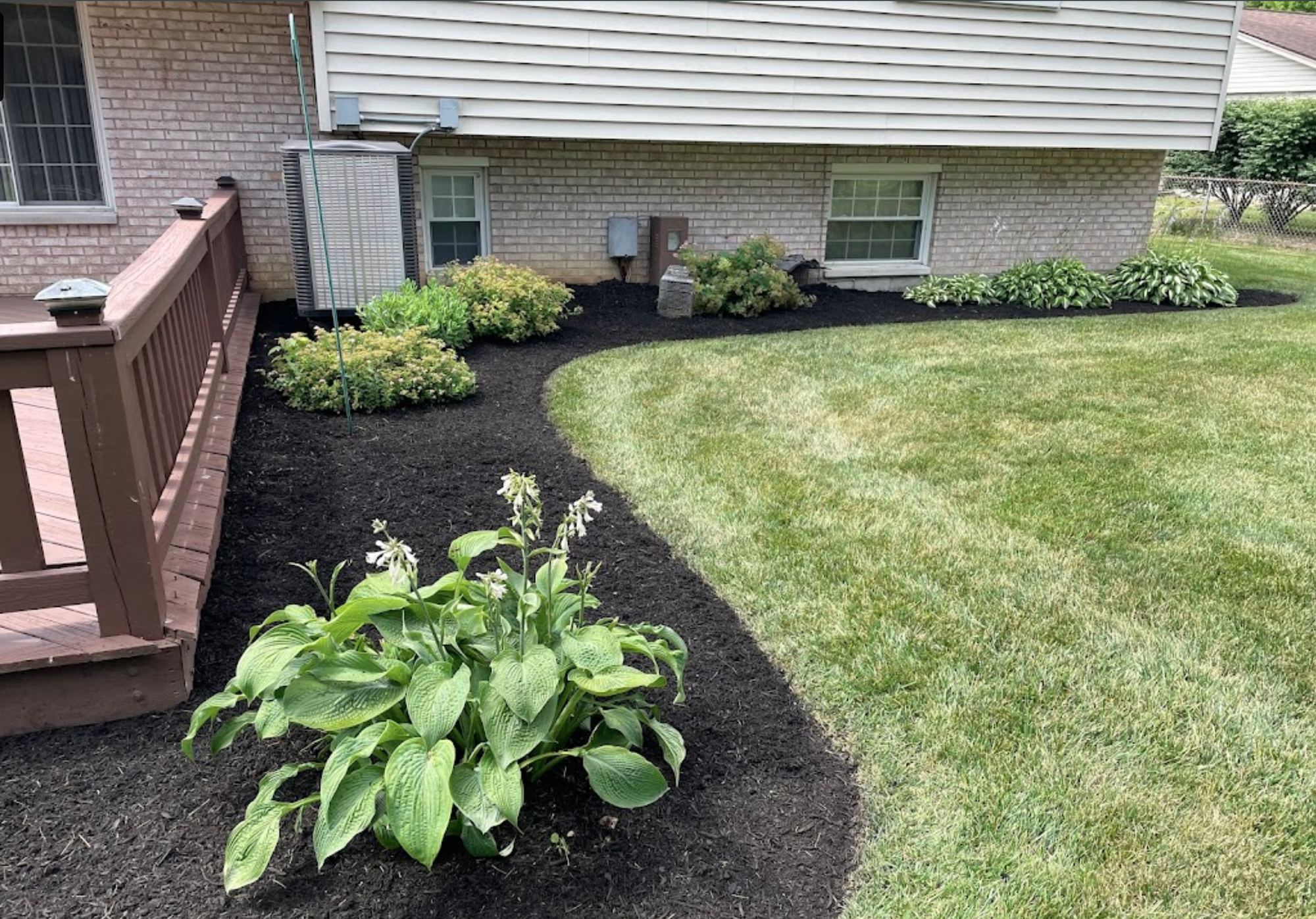
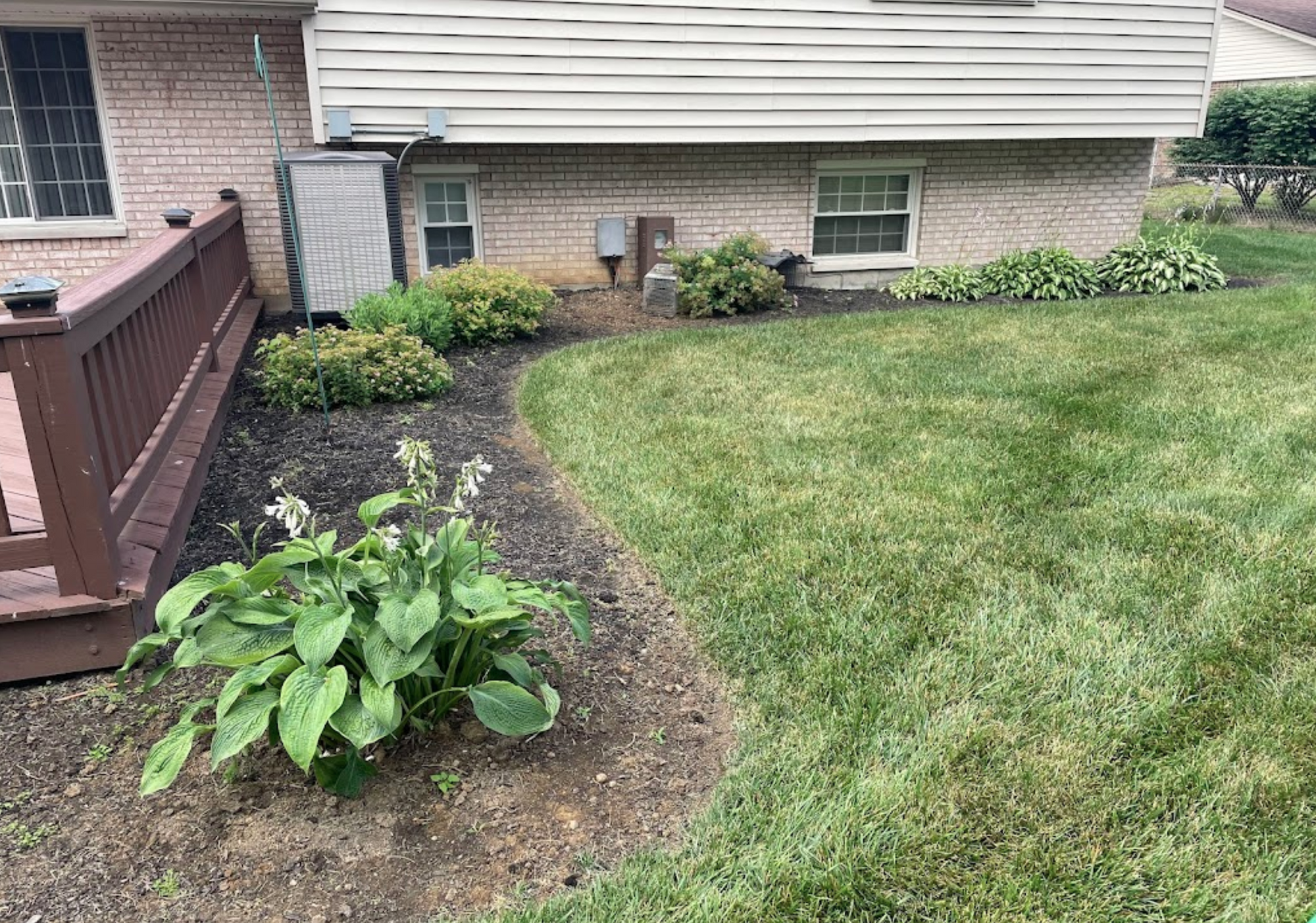
Mulch vs. No Mulch: The Difference

Junction City's 36 inches of annual rainfall arrives unevenly, with a wet May and June followed by hot dry stretches that essentially freeze decomposition in place. That pattern means organic mulches here last longer than they would in the Ozarks but still need a spring top off after the wet season does its work. Non organic options like river rock never break down at all, which is a benefit in wind exposed areas and a drawback anywhere you want the soil to improve.

Before image
After image
Slider handle
Before
After

Complete Your Outdoor Mulch Project

Pair your mulch with a few yards of compost enriched topsoil to build up thin bed soil before spreading, and add steel or stone edging so the mulch stays put through the heavy spring downpours.

Map of the mulch delivery area around Junction City, Kansas

Service area

Areas we deliver mulch in Junction City, Kansas

Mulch Mound Pro Tip

Water your beds thoroughly the day before mulch arrives. Junction City silt loam gets genuinely hard when it dries out in July, and mulch laid over bone dry ground acts like a lid that keeps future rain from soaking in. Pre wetting means the moisture is already stored where roots can reach it, and the fresh mulch simply seals it in rather than blocking it out.

Mulch Mound Pro Tip

Never pile mulch against tree trunks. Volcano mulching is one of the most common mistakes we see in Junction City neighborhoods, and it rots bark, invites voles, and encourages girdling roots. Pull mulch back two to three inches from the trunk flare so you can see where the trunk widens into the roots, then feather the depth outward to three inches across the drip line.

Mulch Mound Pro Tip

Rake and fluff last year's mulch before adding new material. Old hardwood mulch in our climate often forms a matted crust after a winter of freeze and thaw, and that crust actually repels rain rather than absorbing it. Break it up with a stiff rake, then top with just one inch of fresh mulch. You will use less material and get better water penetration in the same afternoon.

Frequently Asked Questions

Click a question to see the answer

Answer

When should I put mulch down in Junction City?

Mid to late April is the sweet spot, right after the April 15 average last frost when soil has warmed but before summer heat sets in. Mulching too early traps cold in the ground and slows down warm season plants. A lighter refresh in late September or early October also helps insulate roots before the October 15 first frost.

Answer

How fast does mulch break down here with only 36 inches of rain?

Slower than in wetter parts of the country. Junction City hardwood mulch typically holds up 12 to 18 months before it needs topping off, since our dry midsummer stretches pause decomposition. The fastest breakdown happens during the humid May and June rain window, so most homeowners top dress about an inch each spring.

Answer

Will mulch help with the clay crust I get after a hard rain?

Yes. Junction City silt loam seals over when raindrops hit bare soil directly, which is why puddles sit on top instead of soaking in. Mulch absorbs that impact and keeps the surface open, and over time the bottom layer works into the soil and improves structure.

Answer

Do I need to worry about termites with mulch near my foundation?

Termites are present in Geary County, but mulch itself is not the draw, moisture is. Keep mulch pulled back about six inches from siding and hold the depth to two inches within a foot of the foundation. That keeps things dry against the house while the rest of the bed stays properly covered.

Answer

Does dyed mulch fade in our sun?

Some fading is normal by August given how exposed most Junction City yards are with limited mature tree canopy. Quality dyed hardwood holds most of its color through one full season, and a light refresh each spring brings it back. Natural brown hardwood ages to a soft gray tone that many homeowners actually prefer.

Answer

How much mulch do I need for a typical bed around here?

One cubic yard covers roughly 108 square feet at three inches deep. A common Junction City foundation bed running 30 feet by 4 feet needs about one and a quarter yards. Measure each bed separately, add the square footage, and round up so you are not short at the end of the day.

Answer

Can wind blow my mulch around in the Flint Hills?

Fine, shredded mulch is the best choice here because the strands knit together and resist the steady south wind we get in spring. Nugget style bark is the one most likely to migrate across a driveway during a gusty week. Watering the bed lightly after spreading helps everything settle and lock in place.

The Unique Landscape of Junction City

Junction City sits in growing zone 6a at about 1,106 feet, where beds bake in Flint Hills sun and summer wind pulls moisture out of the ground faster than most homeowners expect. With only 36 inches of rain a year, and much of it arriving in heavy May and June thunderstorms, unprotected silt loam crusts over and sheds water instead of soaking it in. A layer of mulch slows that runoff, keeps root zones cooler through July and August, and cuts down on the crabgrass that takes over open ground along Ash Street and Grant Avenue properties. It also buffers the freeze and thaw swings that run from the October 15 first frost through the April 15 last frost, which is what heaves shallow perennials out of the soil here. For most Junction City yards, mulch is the cheapest single thing you can do to keep plants alive between rains.