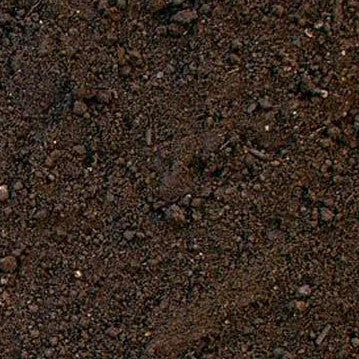
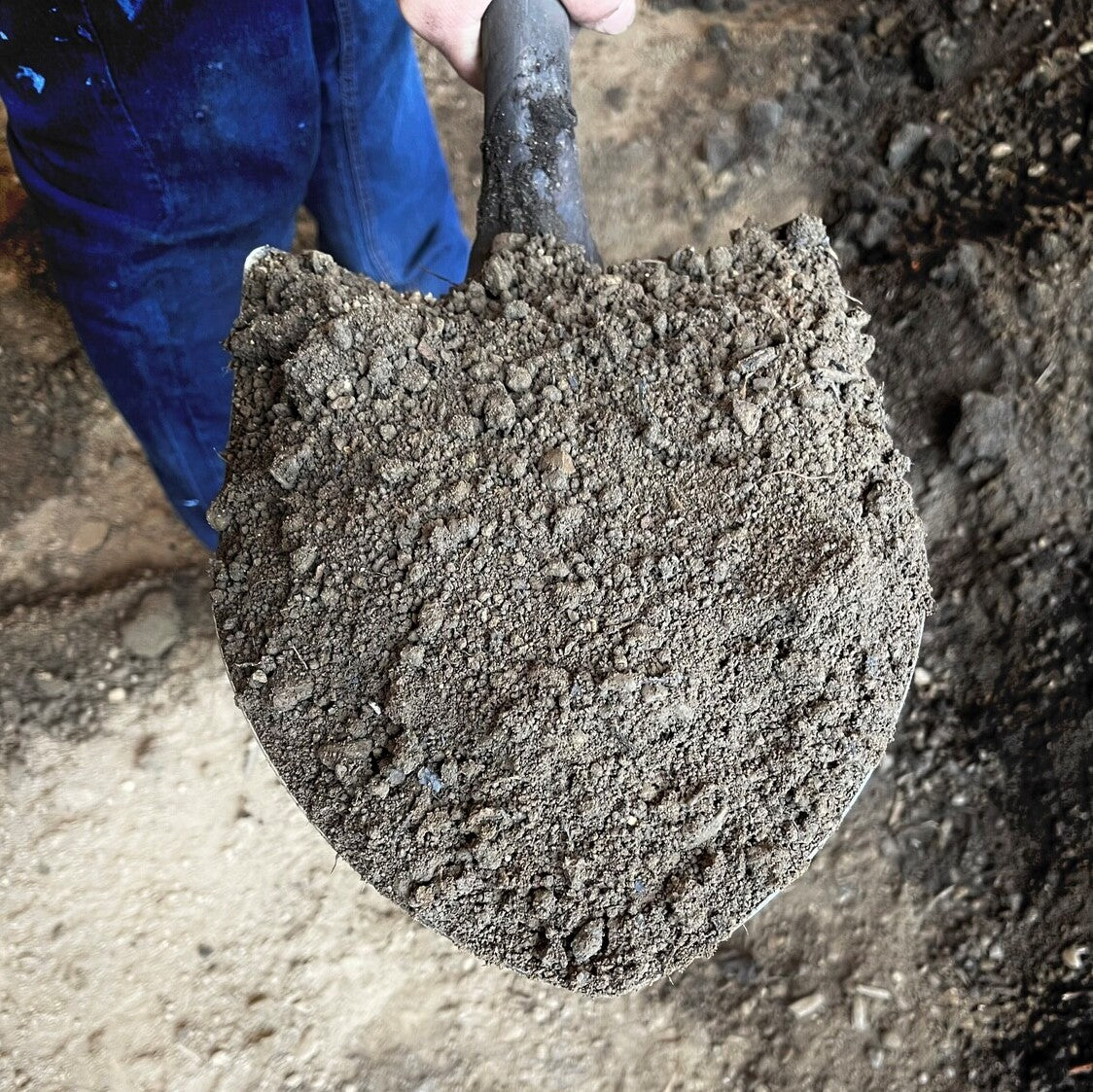
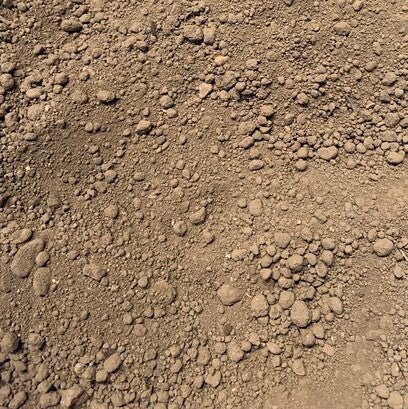
Quality topsoil for lawns, gardens, and landscape projects. Nutrient rich and ready to support strong root development and healthy plant establishment.
Ordered the planting mix with an early Saturday delivery. Super easy ordering experience. Dirt was delivered on time and delivery driver was kind enough to let us know I would take up more room than we though so we could pull cars out of the garage. Will be ordering again
Quality topsoil for lawns, gardens, and landscape projects. Nutrient rich and ready to support strong root development and healthy plant establishment.
Ordered the planting mix with an early Saturday delivery. Super easy ordering experience. Dirt was delivered on time and delivery driver was kind enough to let us know I would take up more room than we though so we could pull cars out of the garage. Will be ordering again
How Much Material Do I Need?
For Kalispell's loam-based residential lots, a 4-inch topsoil addition is the practical minimum for lawn repair and leveling, while planting beds benefit from 8 to 10 inches of combined soil depth to give roots the insulating mass needed to survive Zone 5b winters intact. Factor in a 10 to 15 percent overage when placing your order to account for the settling that Kalispell's freeze-thaw cycles cause as new soil goes through its first winter.
Use our free soil calculator
What is a yard?
A yard is approximately 27 cubic feet. As a general guideline, one yard of material can cover an area of about 100-160 square feet at a 2-3 inch depth.
Ordered the planting mix with an early Saturday delivery. Super easy ordering experience. Dirt was delivered on time and delivery driver was kind e...
Read full review
Ordered the planting mix with an early Saturday delivery. Super easy ordering experience. Dirt was delivered on time and delivery driver was kind enough to let us know I would take up more room than we though so we could pull cars out of the garage. Will be ordering again
Measure your project area in square feet and determine your target depth: 4 inches for lawn repair, 6 inches for new lawn establishment, or 8 to 12 inches for vegetable and perennial beds where root depth matters most in Kalispell's Zone 5b climate. Convert to cubic feet by multiplying square footage by depth in feet, then divide by 27 to get cubic yards. Always add 10 to 15 percent to your calculated total to account for settling — in Kalispell's freeze-thaw climate, fresh soil compresses noticeably after its first winter.
Complete Your Outdoor Soil Project
After grading and filling with topsoil, top your beds with quality mulch to protect Kalispell's short growing season from moisture evaporation during the dry midsummer stretch — or define lawn edges and planting borders with decorative stone to reduce the trimming and edging work that eats into the brief window of good outdoor weather the Flathead Valley delivers each year.
When is the best time to order topsoil for lawn repair and leveling in Kalispell?
The sweet spot for lawn topdressing and soil repair in Kalispell is late April through the first two weeks of May — after the ground has fully thawed and dried enough to work but before your grass breaks dormancy heavily and makes spreading difficult. This timing lets fresh soil settle and begin knitting into existing root zones before the May 12 last-frost window closes and active planting begins. Avoid topdressing in late August or September when the growing season is winding down, since fresh soil won't bond with existing turf before the first frost shuts down root activity around September 11.
Answer
My yard was graded during new construction and the topsoil layer is extremely thin — how much should I bring in?
Thin topsoil over compacted construction fill is one of the most common complaints in newer Kalispell neighborhoods, and it explains why grass struggles in those yards despite the area's naturally good loam. For lawn areas, bring in at least 4 to 6 inches of quality topsoil — shallow soil over compacted subgrade dries out quickly given Kalispell's 18-inch annual rainfall, and turfgrass roots in Zone 5b need genuine depth to survive winter. For planting and vegetable beds, 8 to 12 inches gives roots the room to develop and anchor before September frost shortens the season.
Answer
Can I use bulk delivered soil to build raised vegetable beds in Kalispell?
Raised beds are one of the smartest vegetable gardening strategies in Kalispell's Zone 5b climate, and bulk soil delivery makes building them practical at any scale. Elevated beds warm faster in spring, which is critical when your last frost isn't until May 12 and every warm day of the season counts. Fill raised beds with a blend of quality topsoil and compost-enriched garden mix to give vegetables the nutrition, drainage, and moisture retention they need to produce meaningfully within Kalispell's roughly 120-day frost-free window.
Answer
Does Kalispell's native loam actually need supplemental topsoil, or is it naturally good enough?
True native Flathead Valley loam is genuinely excellent soil, but most Kalispell residential lots haven't had undisturbed native loam for decades. Years of lawn compaction from foot traffic and equipment, snowplow damage near driveways, construction disturbance, and spring melt erosion all degrade loam's structure over time. Bringing in fresh topsoil to low spots, compacted zones, stripped sections, and worn garden beds restores the drainage, aeration, and nutrient profile that makes loam worth having in the first place.
Answer
How do I fix the low spots in my lawn that collect pooling water from snowmelt every spring?
Spring snowmelt is substantial in Kalispell, and low spots that pond water are both a lawn health hazard and a potential slip-and-fall liability. The most reliable fix is to topdress the depression with quality topsoil, grading it to blend smoothly into the surrounding lawn elevation. Do this in early May before turf growth accelerates so the new soil can integrate with existing root zones. For areas with persistent drainage problems, combine topsoil fill with a layer of coarse crushed gravel beneath to improve subsurface drainage before the next melt season rolls through.
Answer
What is the difference between topsoil and garden soil, and which one should I use for my Kalispell project?
Topsoil is minimally processed mineral soil best suited for grading, filling low spots, and lawn repair where you need volume at a reasonable cost. Garden soil is enriched with compost and organic amendments and is better suited for planting beds and vegetable gardens where nutrient availability directly affects plant performance. In Kalispell, where the growing season runs only about 120 days, starting vegetable and flower beds with nutrient-rich garden soil gives plants a faster, stronger start than topsoil alone — and in a Zone 5b climate where September frost waits for no one, that early-season advantage translates directly into better harvests and bloom cycles.
Answer
Will a bulk soil delivery truck damage my lawn or driveway during spring delivery?
Delivery trucks carry significant weight, and Kalispell's spring soil conditions — particularly in April and early May when frost is leaving the ground — can make lawns soft and very susceptible to rutting. Most Kalispell customers choose driveway delivery and wheelbarrow material to project areas to avoid lawn damage entirely. If a lawn or side-yard drop is necessary for your project, coordinate with us on timing so we can deliver after the ground has firmed up following the main snowmelt period, typically mid-May in a normal Flathead Valley year.
Mulch Mound Pro Tip
Kalispell's freeze-thaw cycles between November and April cause freshly placed soil to shift and settle unevenly, especially in filled low spots and graded areas. When placing soil in fall, intentionally crown the new material 10 to 15 percent higher than your target finished grade to account for first-winter compression. This simple adjustment means your grade is right come May rather than requiring a second round of fill after the ground thaws and your carefully leveled area has sunk below the surrounding lawn.
Mulch Mound Pro Tip
For raised vegetable beds in Kalispell, orient beds north to south and fill to at least 10 inches of enriched garden soil depth. The extra depth buffers root zones from the cold subsoil temperatures that persist in Flathead Valley well into late May, giving warm-season crops like tomatoes and peppers a genuinely warmer root environment from the start. Every degree of warmth in the root zone translates into faster growth during a growing season that ends at September 11 regardless of how the summer went.
Mulch Mound Pro Tip
With only 18 inches of annual rainfall in Kalispell, the moisture-holding capacity of your soil has an outsized impact on how often you need to irrigate during summer. When filling new beds with bulk soil, blend in compost at a ratio of roughly 30 percent compost to 70 percent topsoil before spreading. This amendment improves water retention in your loam-based beds without impeding drainage, reducing irrigation frequency during Kalispell's drier July and August stretch when rainfall often drops below one inch per month.
The Unique Landscape of Kalispell
Kalispell's native Flathead Valley loam is a genuine advantage — it drains well, supports diverse plants, and holds nutrients better than sandy or clay-heavy soils — but most residential lots in the area are no longer working with truly native loam. Construction grading, decades of development, and heavy spring snowmelt runoff have stripped, compacted, or depleted topsoil on the majority of Kalispell properties, leaving only a thin veneer of workable soil over subgrade fill or compacted subsoil. At 2,953 feet elevation with a growing season running only from May 12 to September 11, plants have just 122 days to establish, produce, and harden off before the first frost arrives — meaning poor soil quality costs you measurable production and plant health every single year. Annual rainfall of just 18 inches also means Kalispell's soil needs genuine organic depth to retain enough moisture for plants between irrigation events during the dry July-August stretch. Bulk soil delivery lets you correct grade problems, build raised beds that warm faster in spring, and restore the loam profile that makes Flathead Valley gardening so rewarding when conditions are right. Investing in quality soil is the single highest-leverage improvement most Kalispell homeowners can make to their landscape.