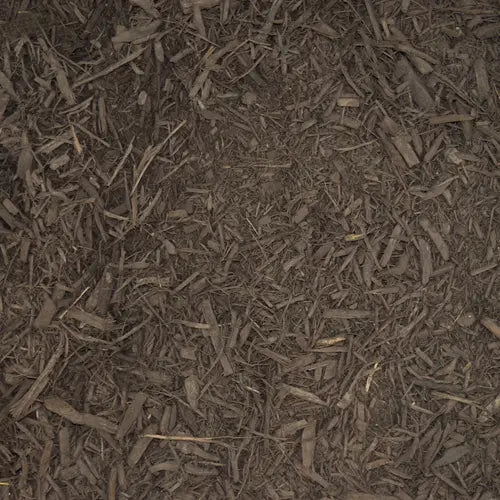
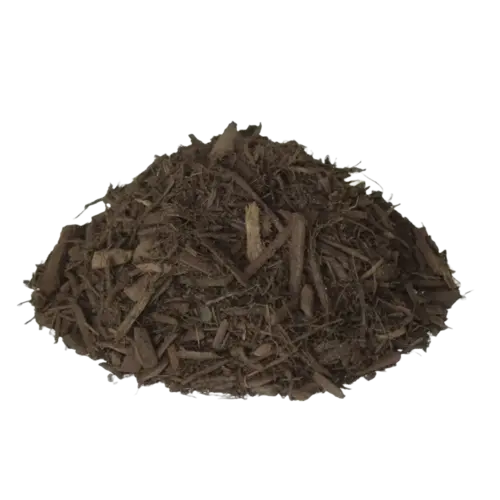
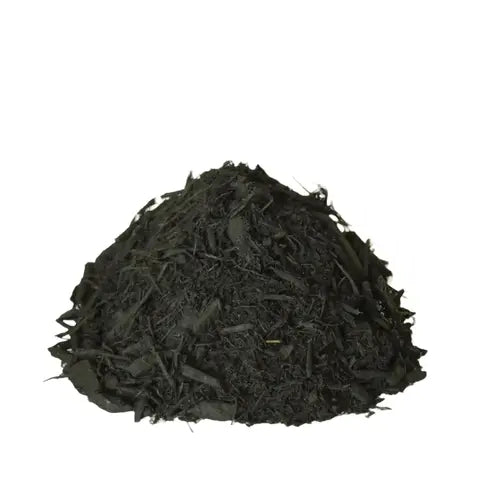
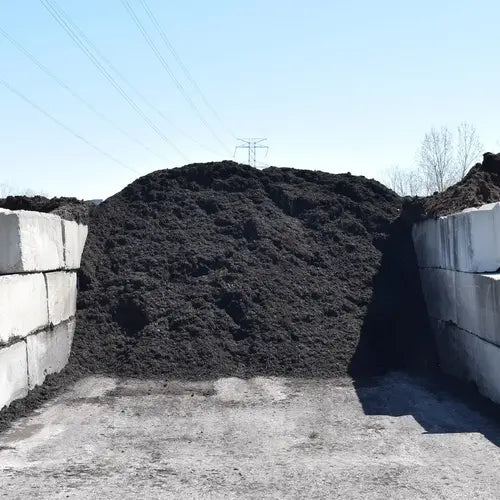
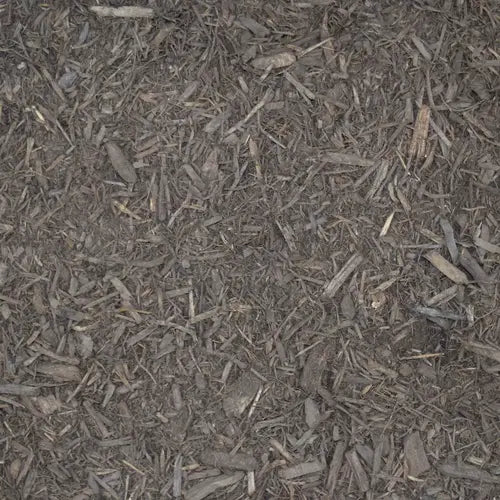
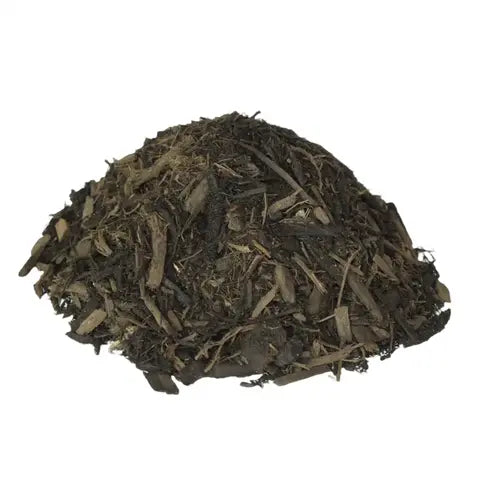
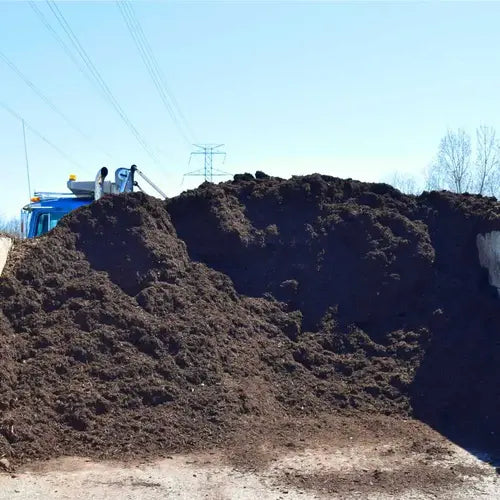
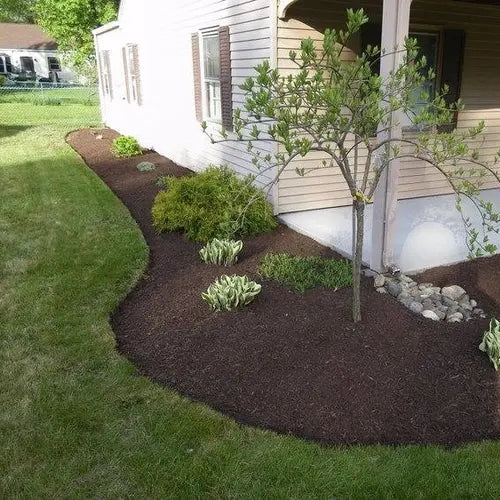
Warm brown double shredded mulch with lasting color that looks freshly applied for weeks. Spreads smooth, stays put, and gives beds a natural, polished appearance.
Mulch Mound delivered a yard of pea gravel to us. Delivery was on time, driver was friendly and hit a bullseye on the “tarp target”. We used the pea gravel (which was diameter as specified) to fill several muskrat holes around our pond. I would definitely recommend Mulch Mo...
Tell us what you're looking for
Thanks! We received your request.
Something went wrong. Please try again.
How Much Material Do I Need?
For Kalispell's loam soil beds, a 3-inch layer is the bare minimum for weed suppression and moisture retention through the dry midsummer months, but 4 inches is strongly recommended for beds in full sun at Kalispell's high elevation where UV intensity and evaporation rates are higher than in lower-altitude cities. Keep mulch pulled back 2 to 3 inches from plant crowns and tree root flares to prevent moisture-related rot during the damp spring and fall shoulder seasons.
Use our free mulch calculator
What is a yard?
A yard is approximately 27 cubic feet. As a general guideline, one yard of material can cover an area of about 100-160 square feet at a 2-3 inch depth.
We can't take orders for this right now. Tell us what you need and we'll get back to you.
What do you need?
Thanks! We received your request.
Something went wrong. Please try again.
Hand-picked local yards
4,000+ regional deliveries
Dedicated support
Why order through Mulch Mound
The best local mulch, without the guesswork.
We hand-pick and partner with the best yards in your region, keep only the ones our buyers rate well, and back each load with our guarantee.
Mulch Mound Guarantee
If your mulch isn't the quantity or quality you ordered, we'll make it right.
About this mulch
Warm brown double shredded mulch with lasting color that looks freshly applied for weeks. Spreads smooth, stays put, and gives beds a natural, polished appearance.
Mulch Mound delivered a yard of pea gravel to us. Delivery was on time, driver was friendly and hit a bullseye on the “tarp target”. We used the pea gravel (which was diameter as specified) to fill several muskrat holes around our pond. I would definitely recommend Mulch Mo...
How Much Material Do I Need?
For Kalispell's loam soil beds, a 3-inch layer is the bare minimum for weed suppression and moisture retention through the dry midsummer months, but 4 inches is strongly recommended for beds in full sun at Kalispell's high elevation where UV intensity and evaporation rates are higher than in lower-altitude cities. Keep mulch pulled back 2 to 3 inches from plant crowns and tree root flares to prevent moisture-related rot during the damp spring and fall shoulder seasons.
Use our free mulch calculator
What is a yard?
A yard is approximately 27 cubic feet. As a general guideline, one yard of material can cover an area of about 100-160 square feet at a 2-3 inch depth.
Mulch Mound delivered a yard of pea gravel to us. Delivery was on time, driver was friendly and hit a bullseye on the “tarp target”. We used the ...
Read full review
Mulch Mound delivered a yard of pea gravel to us. Delivery was on time, driver was friendly and hit a bullseye on the “tarp target”. We used the pea gravel (which was diameter as specified) to fill several muskrat holes around our pond. I would definitely recommend Mulch Mound to a friend!
I can’t say enough good things about Mulch Mound! If you read my review below you will see I had a problem with my order. Mulch Mou...
Read full review
UPDATE!
I can’t say enough good things about Mulch Mound! If you read my review below you will see I had a problem with my order. Mulch Mound was quick to respond and solved the issue with my delivery. Will definitely be a customer next year.
First time purchase from Mulch Mound!! First what I liked! Easy to order online and straight forward pricing and delivery. The driver was on time and courteous and delivered my Mulch exactly where I requested! The product is of good quality and comparable to others I have purchased from before. Now what I DID’NT LIKE! I have been mulching the same house and yard for almost 20 years. I always order the same amount and don’t have any issues with covering the same area but this year I fell about a yard short. I was home when the mulch was delivered and when the driver dumped it I noticed that it seemed a bit less than I was used to. I didn’t apply it any thicker than usual and probably a bit thinner than usual because I was worried about running out.
Measure each bed's length and width in feet and multiply for square footage, then total all areas. At the 3- to 4-inch depth recommended for Kalispell's 18-inch annual rainfall climate, one cubic yard covers 81 to 108 square feet — so divide your total square footage by that range to find your order size. Order at least 10 percent extra: mulch settles after the first rain, and having material on hand for fall top-dressing before Kalispell's September frost window saves a second delivery charge.
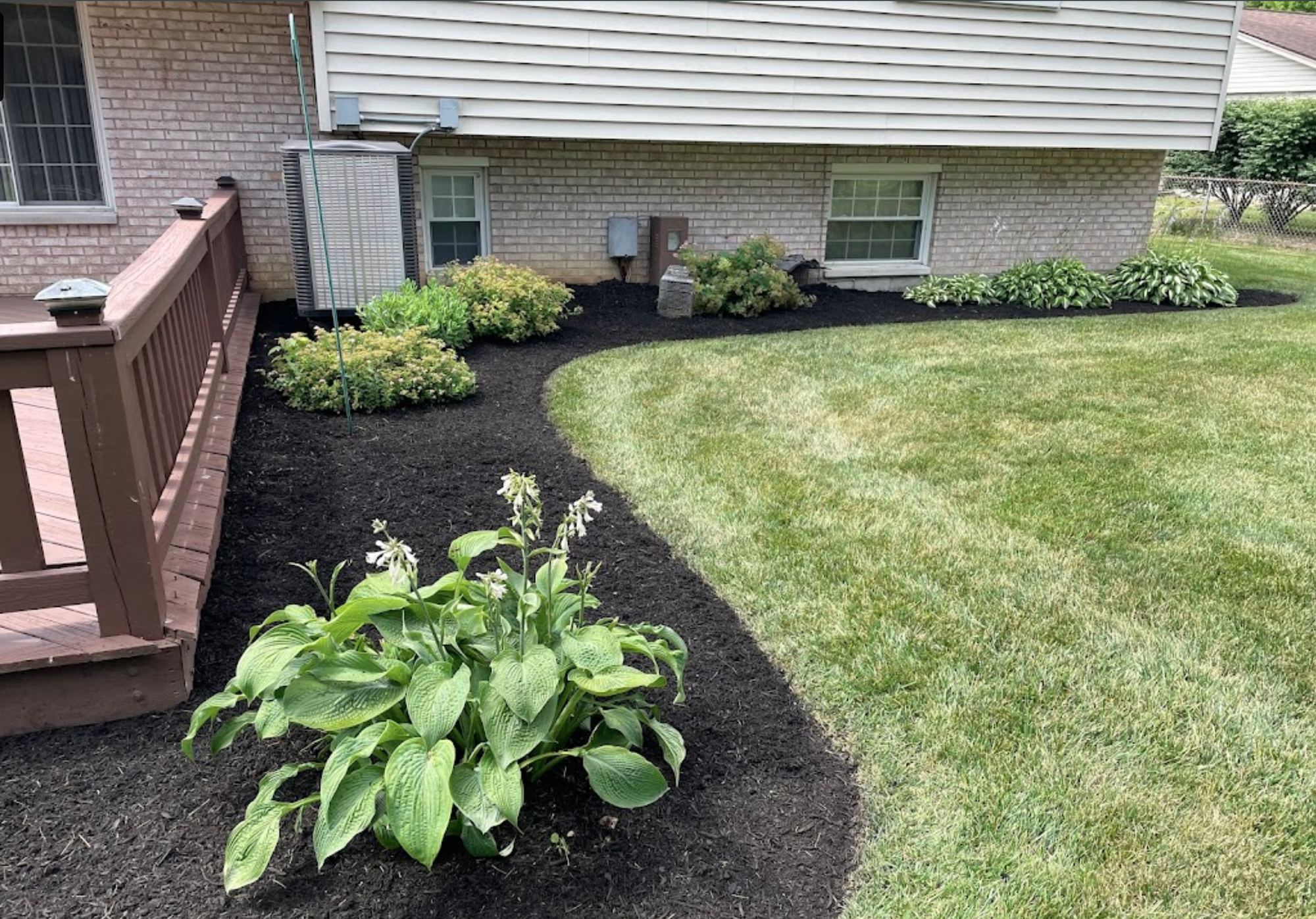
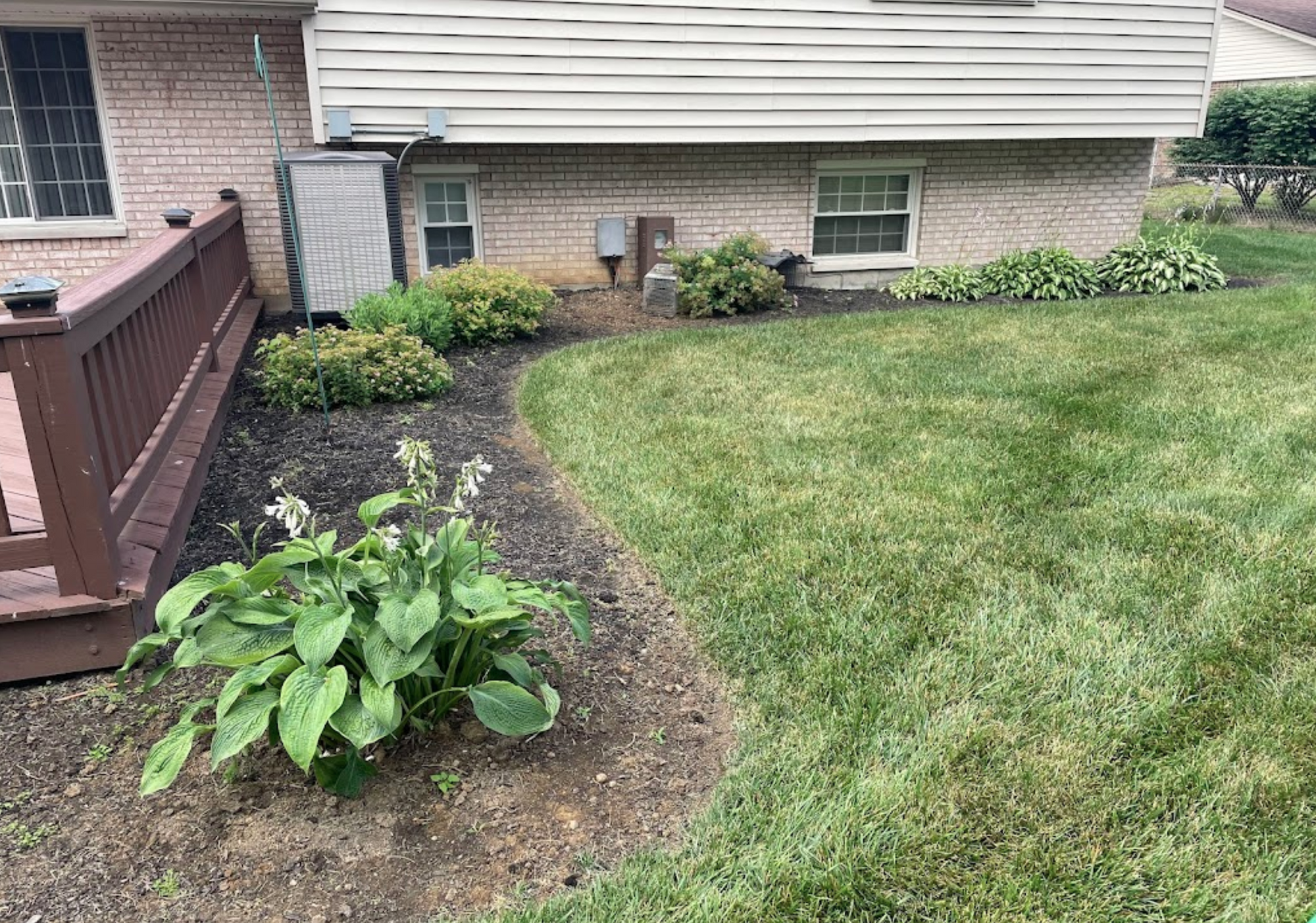
Mulch vs. No Mulch: The Difference
Kalispell's combination of high-elevation UV intensity and dramatic seasonal temperature swings affects how quickly different mulch types break down and hold their color through the growing season. Natural hardwood mulch decomposes at a moderate pace during the warm Zone 5b growing months, enriching loam soil with organic matter but requiring annual top-dressing to maintain effective depth. Dyed mulches resist the stronger solar radiation at 2,953 feet elevation and break down more slowly, making them a longer-lasting choice for high-visibility front-yard beds where color retention through the full May-to-September season is a priority.
Before
After
Best Mulch Choice for Kalispell Lawns
Most yards in the Kalispell area sit on Loam type of soil. Kalispell's native loam is a good foundation for planting beds, but surface compaction from foot traffic, freeze-thaw cycling, and snowmelt erosion can degrade bed structure over time, reducing the soil's natural capacity to drain and support healthy root systems without a protective organic layer on top.
Hardwood Mulch
Hardwood mulch is a particularly good match for Kalispell's loam soil because as it decomposes it releases humic acids and organic compounds that reinforce loam's existing structure, boosts water-holding capacity during the dry midsummer stretch when Kalispell's 18 annual inches of precipitation are most sparse, and gradually replaces the nitrogen that spring snowmelt leaches out of even healthy loam profiles before the growing season begins.
Mulch Types We Deliver in Kalispell
Mulch Mound delivers bulk mulch by the cubic yard directly to your property, making it simple to order exactly what your landscape needs. Whether you are refreshing garden beds or covering a larger yard, our bulk mulch delivery in Kalispell fits projects of every size. We carry a focused selection of quality mulches suited to the mountain valley climate and the varied home styles found in northwestern Montana.
Dyed Black Mulch
A bold double shredded mulch that makes beds stand out with rich, lasting color. The deep black tone holds up through the temperature swings and wet springs common in northwestern Montana, and the smooth texture spreads easily around plantings and borders. A popular choice for homeowners wanting a clean, modern look.
Dyed Brown Mulch
A warm double shredded mulch with lasting color that keeps beds looking freshly done for weeks. The earthy brown tone blends naturally with the soil and stone common around Montana mountain valley properties, and it spreads smooth and stays in place through wind and rain. A versatile pick for any style of home or garden.
Natural Brown Mulch
An undyed double shredded mulch with a warm, earthy tone that comes straight from the wood. The natural color pairs well with the timber and stone elements common in northwestern Montana home designs, and the clean texture makes spreading by hand or machine easy. A solid choice for gardeners who prefer a straightforward, honest look.
Complete Your Outdoor Mulch Project
For best results in Kalispell, pair your mulch order with a quality garden soil to refresh and deepen loam beds before you mulch — especially in older beds where years of freeze-thaw cycling have depleted organic matter — or add decorative stone borders to define planting areas and eliminate the edge-trimming burden during a season that's already too short.
Kalispell's loam soil has good natural structure, but established beds near walkways and entries can develop a hard surface crust from foot traffic and summer thunderstorm impact. Before laying mulch in spring, lightly rake or fork the top inch of soil in each bed to break up compaction and open channels for decomposing mulch to incorporate downward. This prep step takes fifteen minutes and meaningfully improves how much benefit your beds get from a fresh mulch application across the growing season.
Mulch Mound Pro Tip
Because Kalispell's frost-free window runs only from mid-May to early September, the timing of your spring mulch application directly affects how fast soil warms and how quickly plants establish. Wait until after your last frost around May 12, then mulch within a week or two while soil temperature is rising. Mulching too early insulates cold soil and delays warm-season plant growth; waiting too long gives weed seeds a bare-soil head start during the most competitive weeks of the Flathead Valley growing season.
Mulch Mound Pro Tip
Kalispell receives about 18 inches of precipitation annually, and a significant portion of that falls as snow rather than growing-season rain — meaning your midsummer landscape can experience real drought stress even in a statistically average year. A 4-inch hardwood mulch layer reduces soil moisture evaporation by up to 50 percent, effectively doubling the impact of every inch of summer rainfall your beds receive. In a dry July when Kalispell might see less than an inch of rain, that evaporation reduction can be the difference between thriving plants and stressed ones.
Frequently Asked Questions
Click a question to see the answer
Answer
When is the best time to apply mulch in Kalispell?
Kalispell homeowners get the most value from two mulch applications per year. The first should happen in mid-to-late May — after your last frost around May 12 and once soil has warmed enough to encourage active root growth. Mulching too early traps cold soil temperatures and slows plant emergence in Zone 5b. The second application should come in late September, just after your first frost arrives around September 11, to insulate root zones before the ground freezes and to reduce the freeze-thaw heaving that Flathead Valley winters are known for.
Answer
How deep should I apply mulch given Kalispell's limited annual rainfall?
With only 18 inches of annual precipitation, mulch depth is one of the most impactful decisions you can make for your Kalispell beds. Apply 3 to 4 inches of organic mulch to meaningfully retain soil moisture through the dry midsummer stretch — Kalispell's July and August months often deliver less than an inch and a half of rain combined. Avoid exceeding 4 inches, as an overly thick layer can prevent even Kalispell's occasional heavy summer downpours from penetrating down to root zones where the water is needed most.
Answer
Will mulch really protect my plants from an early September frost in Kalispell?
Yes, and this is one of the most underappreciated benefits of mulching in Kalispell's climate. A 3- to 4-inch mulch layer keeps soil-zone temperatures several degrees warmer than bare ground, which matters enormously when your first frost can arrive as early as September 11 and catches marginally hardy perennials off guard. Keep mulch pulled back 2 to 3 inches from plant crowns and tree bases to avoid trapping moisture against stems during Kalispell's damp fall transition, which can cause crown rot even in otherwise healthy plants.
Answer
Does mulch decompose faster or slower here because of Kalispell's cold winters?
Cold winters actually slow decomposition significantly — microbial activity in mulch nearly halts once Kalispell's ground freezes, typically by mid-November. But the roughly 120 days of warm growing-season weather between late May and early September are active decomposition months, especially in loam soil which supports a healthy native microbial community. In practice, expect to top-dress organic mulch beds once a year to maintain your target 3- to 4-inch depth, as the warm season drives enough breakdown to require replenishment.
Answer
Does the high elevation in Kalispell cause mulch color to fade faster than it would in other cities?
Yes — Kalispell's elevation of nearly 3,000 feet means measurably more intense UV radiation than lower-altitude cities, and that UV exposure bleaches natural mulch color noticeably faster. Dyed hardwood mulches use colorfast pigments that hold up much better under high-altitude sun and are worth the modest extra cost for front-yard and street-facing beds where appearance matters through the full growing season. Natural hardwood mulch will silver and gray over time, which many Kalispell homeowners actually embrace as part of a rustic mountain aesthetic.
Answer
Can mulch reduce the freeze-thaw heaving I see in my garden beds every spring?
Absolutely — freeze-thaw heaving is a genuine problem in Kalispell and across the Flathead Valley, where soil temperatures fluctuate repeatedly from November through April. A consistent 3- to 4-inch mulch layer moderates soil temperature swings, reducing the frequency and severity of the freeze-thaw cycles that push perennial crowns and spring bulbs up out of the ground. Leaving mulch in place over winter rather than removing it in fall is the most effective strategy, as it provides insulation during the coldest months when unprotected loam soil is most vulnerable to heaving.
Answer
How do I calculate how many cubic yards of mulch I need for my Kalispell beds?
Measure the length and width of each bed in feet, multiply to get square footage, then add up all your bed areas. At a 4-inch depth — the recommendation for Kalispell's semi-arid climate — one cubic yard covers approximately 81 square feet. At 3 inches, that same yard stretches to about 108 square feet. Order slightly more than your exact calculation, since mulch compresses after settling and you'll want extra on hand for top-dressing before the September frost window, when it's most convenient to have material ready to spread quickly.
The Unique Landscape of Kalispell
Kalispell's growing season runs only from around May 12 to September 11 — roughly 122 days — which means every week of that window matters enormously for plant health and establishment. With just 18 inches of annual precipitation and warm afternoons that can flip to near-freezing nights without much warning, moisture retention in garden beds is a genuine necessity rather than a convenience. At 2,953 feet of elevation, the Flathead Valley experiences sharper overnight temperature swings than lower-altitude cities, and a consistent mulch layer buffers root zones against the freeze-thaw cycling that can heave shallow-rooted perennials right out of Zone 5b soil. Kalispell's native loam holds moisture better than sandy or clay soils, but its surface can crust and compact after summer afternoon thunderstorms, and an organic mulch layer keeps that soil structure open and porous. Decomposing mulch also continuously replenishes the organic matter that spring snowmelt flushes downward through loam profiles each year. Keeping beds mulched year-round is one of the highest-return maintenance habits a Kalispell homeowner can develop.