


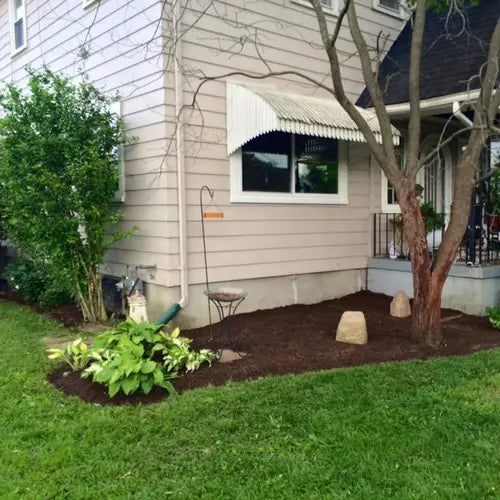

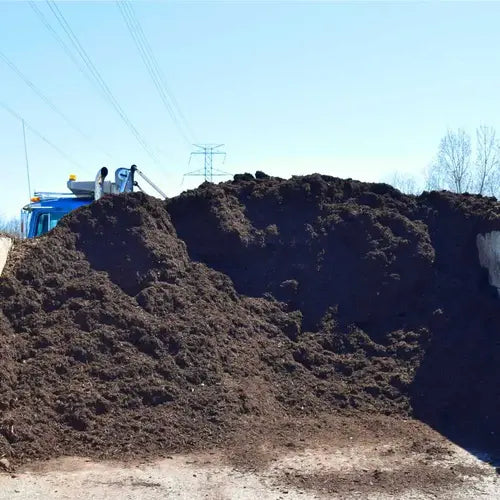
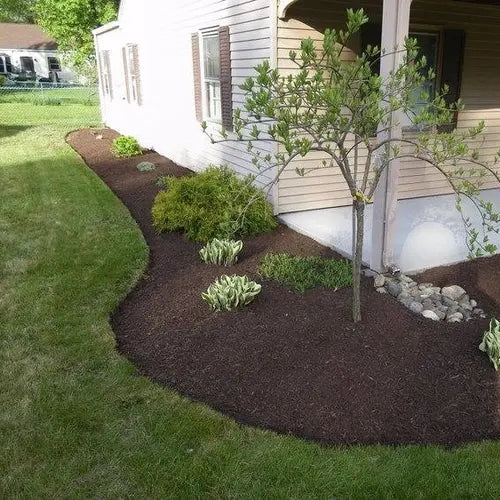

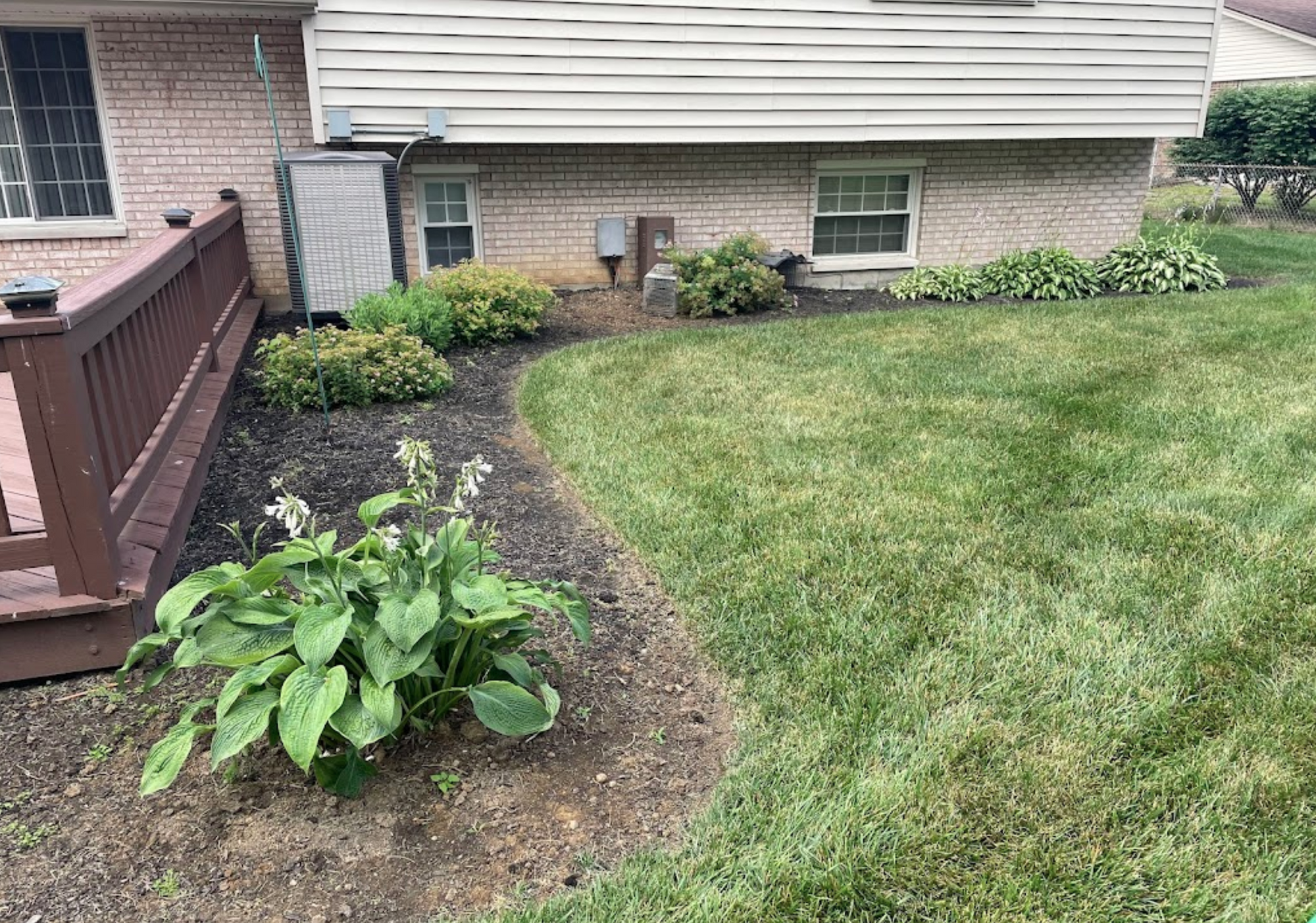
Our delivery was delayed but the new brown color mulch is a nice upgrade to our landscaping.
About this mulch
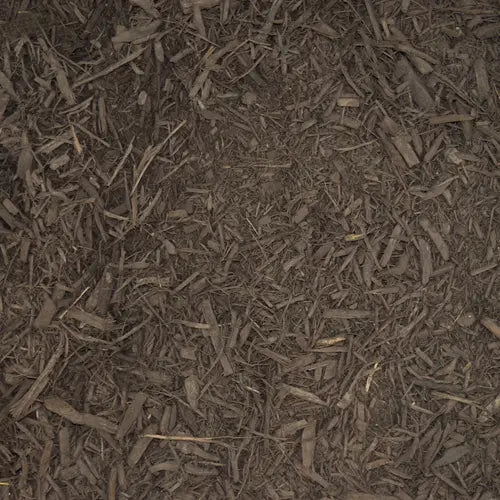
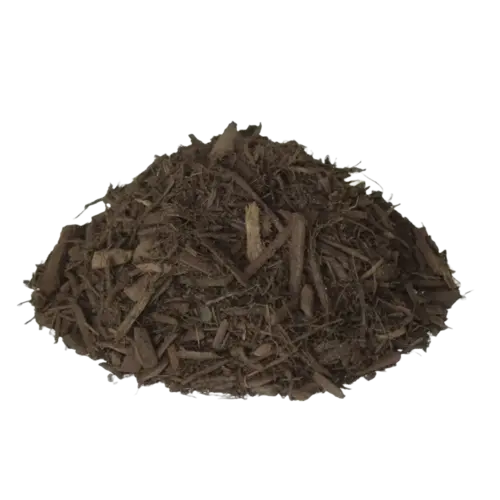
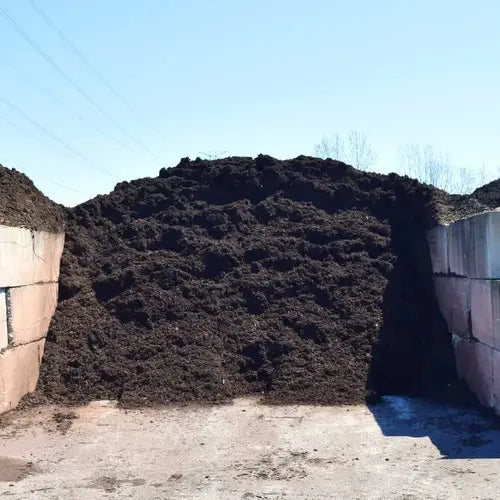
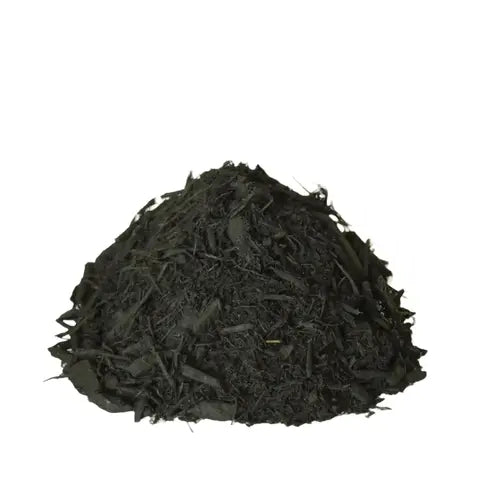
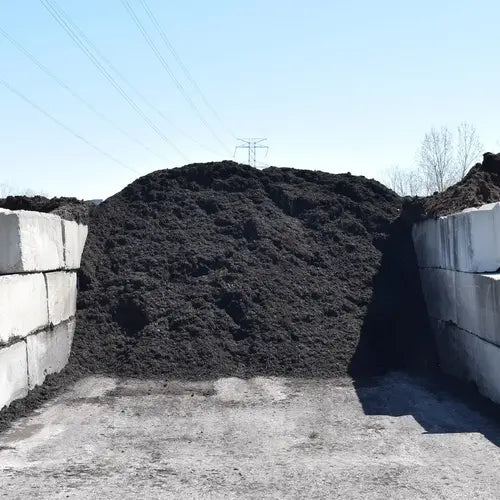
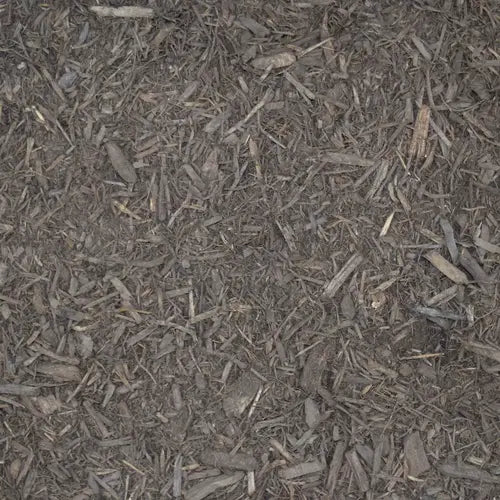
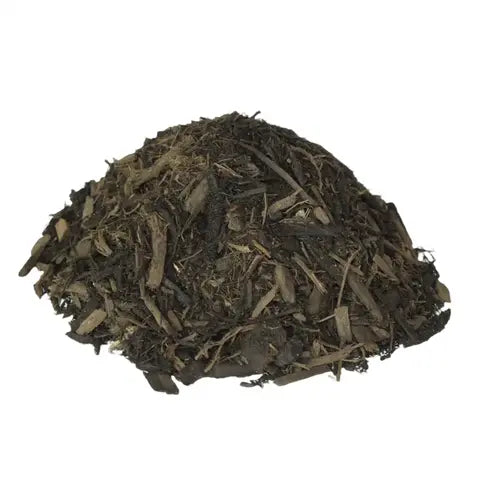
Warm brown double shredded mulch with lasting color that looks freshly applied for weeks. Spreads smooth, stays put, and gives beds a natural, polished appearance.
Our delivery was delayed but the new brown color mulch is a nice upgrade to our landscaping.
Tell us what you're looking for
Thanks! We received your request.
Something went wrong. Please try again.
How Much Material Do I Need?
How Much Material Do I Need?
Because Kingsport's clay soil drains slowly, a 3-inch mulch depth is recommended for most planting beds to balance moisture retention without suffocating roots. Avoid going deeper than 4 inches, especially in low-lying spots where water already tends to pool after heavy rains.
Use our free mulch calculator
What is a yard?
What is a yard?
FAQs
FAQs
Kingsport Mulch Delivery
Kingsport Mulch Delivery
Regular price
$64.00
per
yard
Regular price
Sale price
$64.00
Unit price
per
Shipping calculated at checkout.
Minimum of 3 yard
Couldn't load pickup availability
Not currently available
We can't take orders for this right now. Tell us what you need and we'll get back to you.
Hand-picked local yards
4,000+ regional deliveries
Dedicated support
Why order through Mulch Mound
The best local mulch, without the guesswork.
We hand-pick and partner with the best yards in your region, keep only the ones our buyers rate well, and back each load with our guarantee.
Mulch Mound Guarantee
If your mulch isn't the quantity or quality you ordered, we'll make it right.
About this mulch
Warm brown double shredded mulch with lasting color that looks freshly applied for weeks. Spreads smooth, stays put, and gives beds a natural, polished appearance.
Our delivery was delayed but the new brown color mulch is a nice upgrade to our landscaping.
How Much Material Do I Need?
How Much Material Do I Need?
Because Kingsport's clay soil drains slowly, a 3-inch mulch depth is recommended for most planting beds to balance moisture retention without suffocating roots. Avoid going deeper than 4 inches, especially in low-lying spots where water already tends to pool after heavy rains.
Use our free mulch calculator
What is a yard?
What is a yard?
FAQs
FAQs
Tell us what you're looking for
Thanks! We received your request.
Something went wrong. Please try again.
How It Works
Getting started is easy — just follow these simple steps
1
Choose your Mulch
Make sure you adjust the quantity to your home's needs. You can use our calculator to estimate how much you'll need.
2
Select your delivery date
Select a delivery date you'd like for the product to be dropped off at your home
3
Sit back and wait
Sit back, wait, and let us work our magic to make sure the highest quality product is delivered to your driveway.

Mulch Mound made it so easy! So happy with the pricing, turn around time, delivery and product. I submitted my online order on a Thursday. The mu...
Read full review
Mulch Mound made it so easy! So happy with the pricing, turn around time, delivery and product. I submitted my online order on a Thursday. The mulch was delivered to the designated location by a local landscape company at 8:30 a.m. the following Saturday morning. We had the job completed by that afternoon. We chose the natural brown mulch, and the plant beds are beautiful.

Good quality, great price, fast delivery. All online - no submitting forms and waiting for days for quotes.
Getting mulch should be this easy fr...
Read full review
Good quality, great price, fast delivery. All online - no submitting forms and waiting for days for quotes.
Getting mulch should be this easy from everyone. Only Mulch Mound is ACTUALLY this simple.
Calculate mulch for your Kingsport project
For Kingsport's Clay type of soil, we recommend 2-3 inches for best weed suppression and moisture retention
Try Our CalculatorMeasure the length and width of each bed in feet, multiply them together, and divide by 324 for a 1-inch depth or by 108 for a 3-inch depth to get your cubic yards needed. Kingsport's clay soil already holds moisture, so a 3-inch layer is the target depth for most ornamental beds. Keep in mind that irregularly shaped beds on the hillside lots common throughout Kingsport often need a little extra material to account for uneven ground coverage.
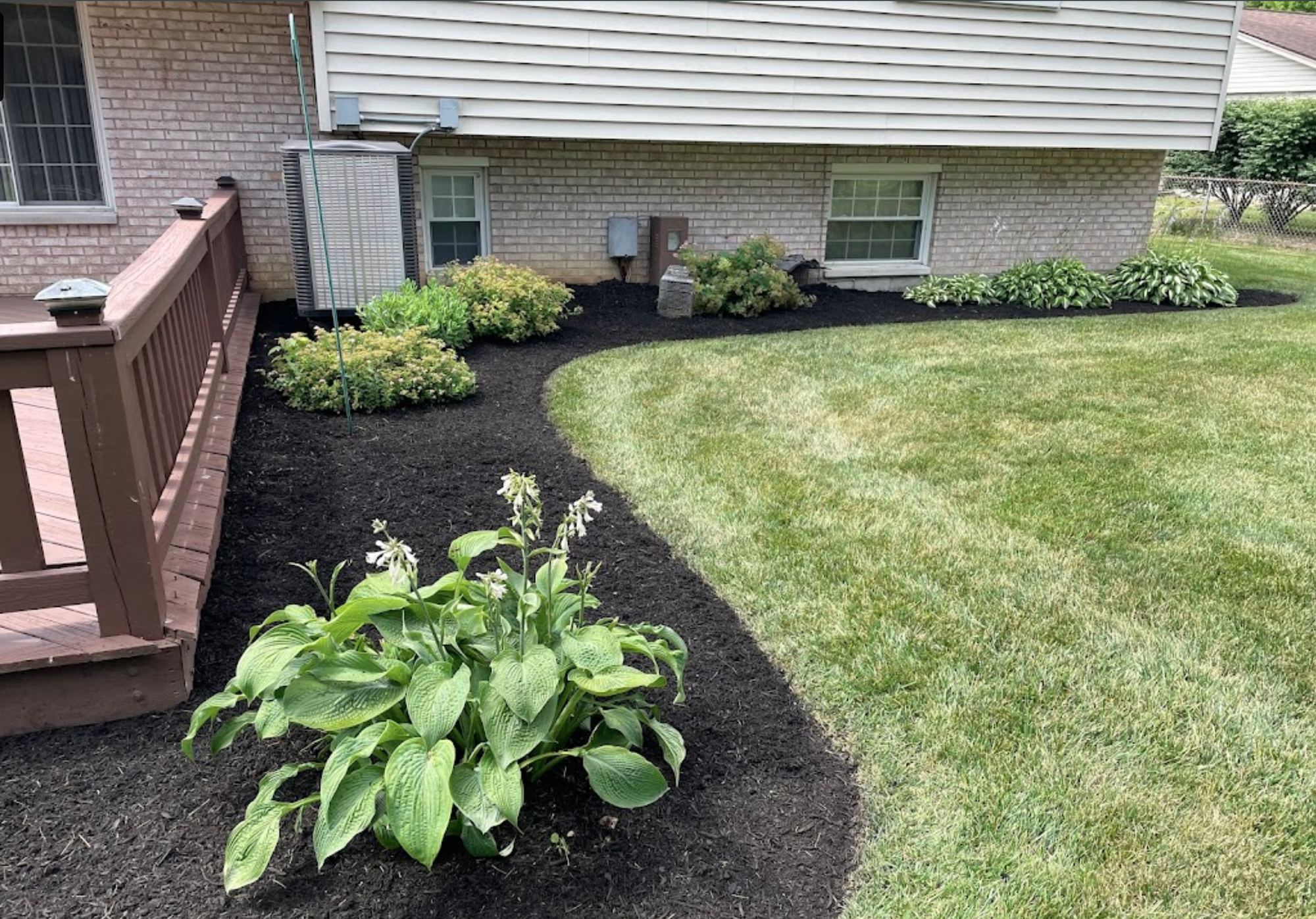

Best Mulch Choice for Kingsport Lawns
Most yards in the Kingsport area sit on Clay type of soil. Kingsport's native clay soil is dense and poorly aerated, making it hard for plant roots to spread and for water to move freely through the bed profile. Mulch creates a transition zone at the soil surface that softens the impact of heavy rain, reduces compaction, and slowly feeds organic matter into the clay as it breaks down season after season.
Hardwood Mulch
Hardwood mulch is particularly well-suited to Kingsport's clay yards because it breaks down into humus that physically loosens clay particles over multiple seasons. As the mulch decomposes, it adds organic matter that improves both drainage and air circulation in the root zone, gradually transforming dense clay into a more workable and productive planting medium.
Mulch Types We Deliver in Kingsport
Mulch Mound offers bulk mulch delivery in Kingsport by the cubic yard, bringing fresh material straight to your property so every bed gets covered without extra trips. Our mulches are well suited to the hot summers, clay soils, and established landscapes typical of this part of East Tennessee. Choose the color and texture that fits your yard and we will handle the rest.
Dyed Black Mulch
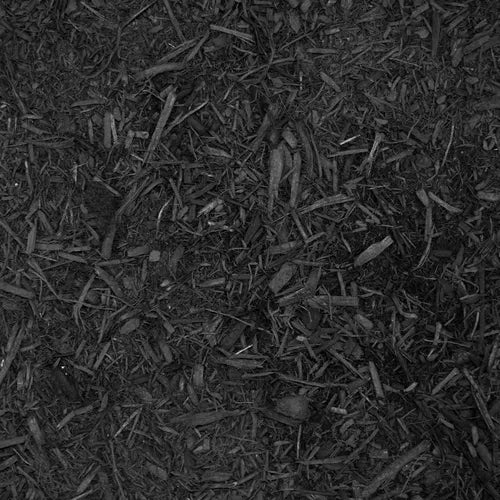
Bold and striking, our double shredded dyed black mulch makes flower beds and foundation plantings pop against the red clay and green lawns common across this part of Tennessee. The rich color holds through summer heat and heavy rain, and the fine texture spreads smoothly for a clean, polished finish.
Dyed Brown Mulch
Our double shredded dyed brown mulch delivers a warm color that stays looking freshly applied through the long Tennessee growing season. It suits the traditional brick and stone homes common in this area, blending naturally with garden beds and giving them a tidy, polished appearance without looking out of place.
Natural Brown Mulch
For homeowners who prefer a completely natural product, our double shredded natural brown mulch delivers the earthy warmth of real wood with no added dye. It pairs well with the wooded settings and native plantings popular throughout this region of East Tennessee and breaks down over time to enrich clay soils.
Complete Your Outdoor Mulch Project
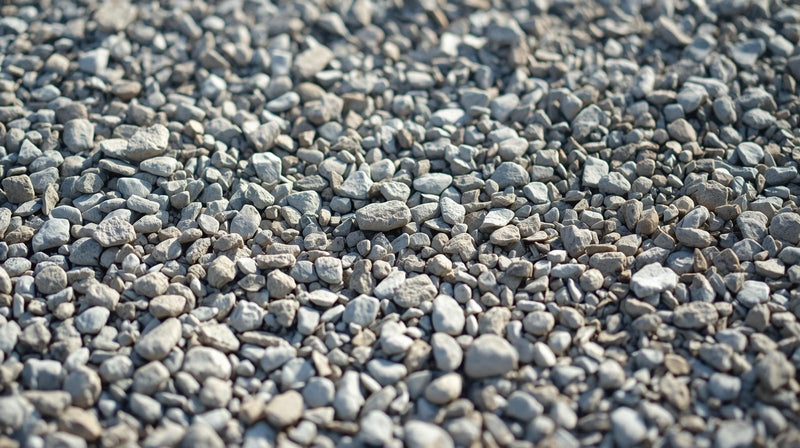
If your beds need a soil refresh before mulching, pair your order with a delivery of premium garden soil to loosen the clay layer and improve drainage before you spread. Adding a border of landscape stone around your beds also helps keep mulch in place on Kingsport's sloped and hillside yards.

Service area
Areas we deliver mulch in Kingsport, Tennessee
Mulch Mound Pro Tip
Pull existing weeds before spreading mulch and let the soil surface dry slightly after a rain before laying your layer. Kingsport's clay holds moisture near the surface, which keeps weed seeds viable longer than in sandier soils, so a clean start makes a real difference. A consistent 3-inch layer blocks light effectively and dramatically cuts down on the weeding you will need to do throughout the season.
Mulch Mound Pro Tip
Kingsport sits at 1,211 feet elevation, which means spring soil temperatures lag behind the calendar even in Zone 7a. Applying mulch in early April, just before the last average frost on April 15, insulates the ground and helps it warm more evenly once consistently warm weather arrives. This supports earlier root establishment for perennials and newly planted shrubs without leaving tender roots exposed to late-season cold snaps.
Mulch Mound Pro Tip
With 44 inches of annual rainfall spread across Kingsport's growing season, unprotected beds lose topsoil and nutrients with every significant storm. Mulch acts as a buffer layer that absorbs the impact of heavy rain, slows runoff across sloped lots, and keeps clay soil from sealing over into a hard crust between storms. Reapply a fresh top-dressing each spring to maintain the full protective depth and keep that runoff buffering working for you.
The Unique Landscape of Kingsport
Kingsport's heavy clay soil compacts easily under foot traffic and summer heat, making mulched beds essential for protecting root zones throughout the growing season. With 44 inches of annual rainfall, bare soil in plant beds erodes quickly and washes nutrients away from shallow-rooted ornamentals. A proper mulch layer slows that runoff, keeps soil temperatures stable through Zone 7a's swings from winter cold to humid summer heat, and helps plants establish before the last frost deadline of April 15. Kingsport's elevation of 1,211 feet means spring soil stays cooler longer than in lower-elevation parts of Tennessee, so mulch acts as an insulating buffer that speeds up early-season root activity. Without consistent mulch coverage, the clay beneath tends to crack and bake during July and August dry spells, cutting off oxygen to plant roots.