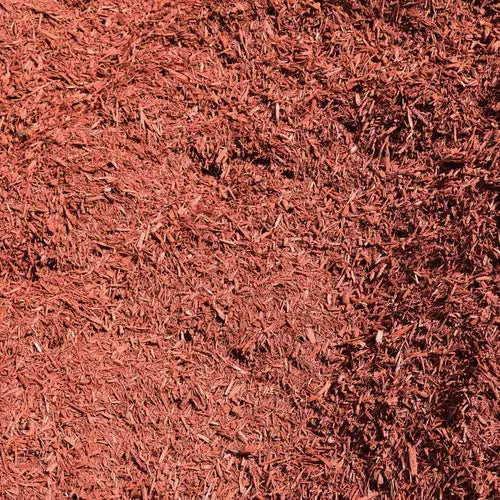
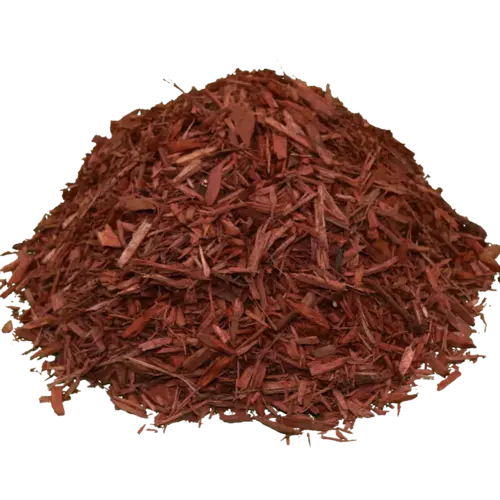
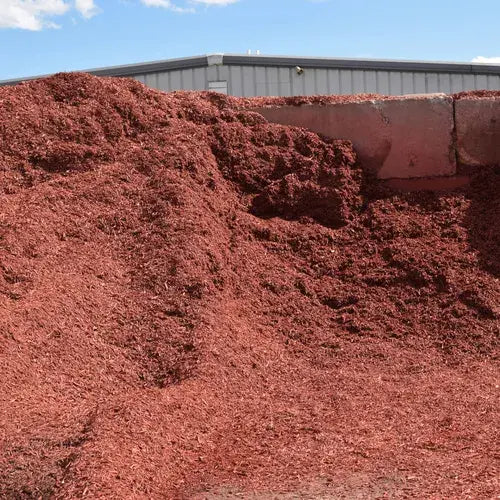
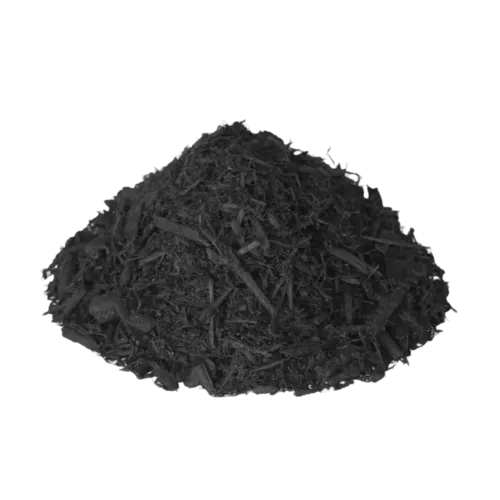
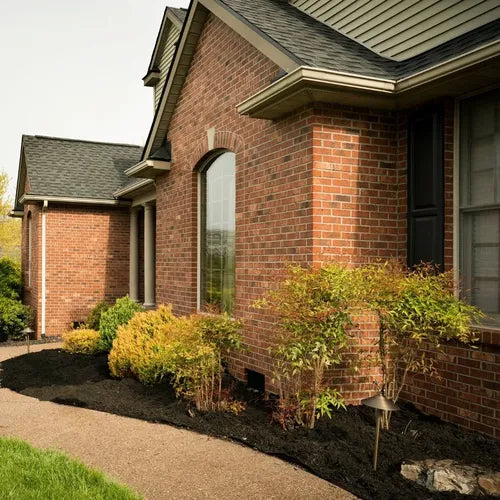
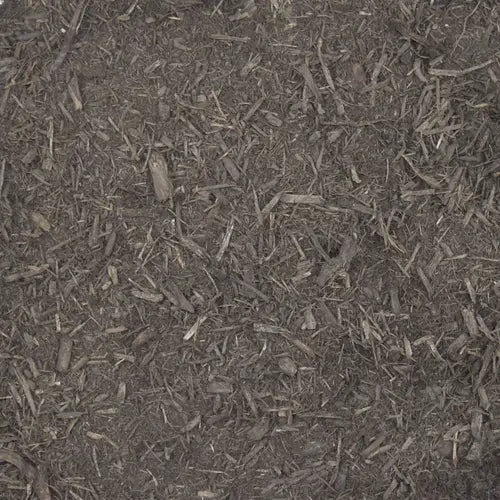
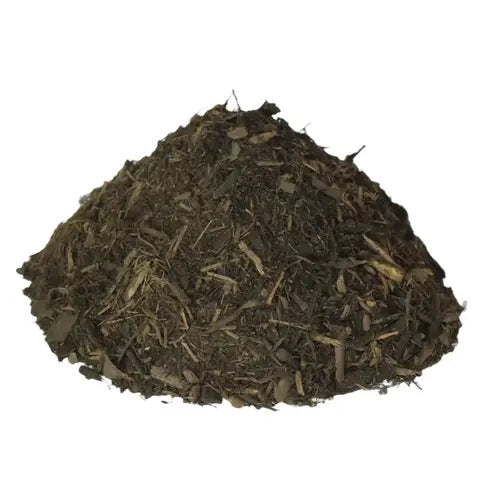
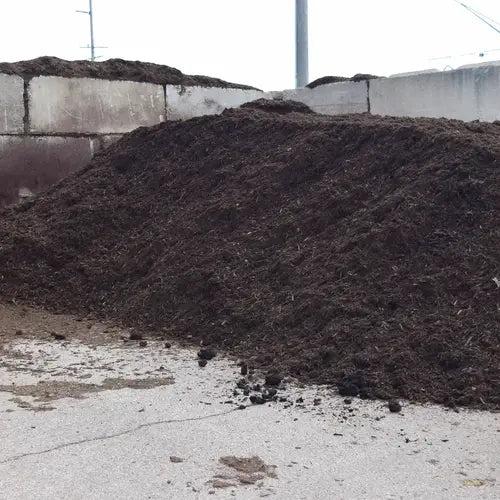
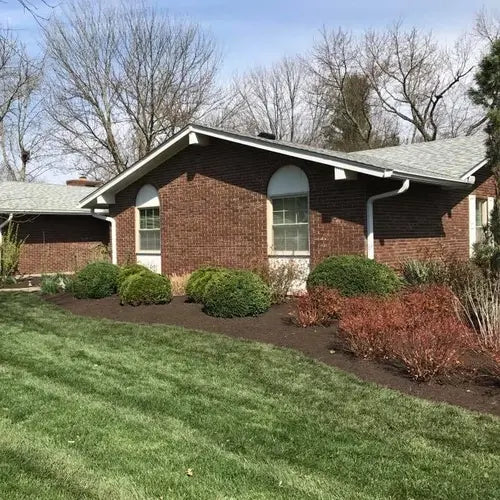
Warm brown double shredded mulch with lasting color that looks freshly applied for weeks. Spreads smooth, stays put, and gives beds a natural, polished appearance.
Good quality, great price, fast delivery. All online - no submitting forms and waiting for days for quotes. Getting mulch should be this easy from everyone. Only Mulch Mound is ACTUALLY this simple.
Tell us what you're looking for
Thanks! We received your request.
Something went wrong. Please try again.
How Much Material Do I Need?
In Lambertville's silt loam soil, a 3-inch mulch layer provides the best balance of weed suppression and moisture retention between rain events. For tree rings and foundation plantings, staying consistent at that depth protects roots through the entire April-to-October growing window.
Use our free mulch calculator
What is a yard?
A yard is approximately 27 cubic feet. As a general guideline, one yard of material can cover an area of about 100-160 square feet at a 2-3 inch depth.
We can't take orders for this right now. Tell us what you need and we'll get back to you.
What do you need?
Thanks! We received your request.
Something went wrong. Please try again.
Hand-picked local yards
4,000+ regional deliveries
Dedicated support
Why order through Mulch Mound
The best local mulch, without the guesswork.
We hand-pick and partner with the best yards in your region, keep only the ones our buyers rate well, and back each load with our guarantee.
Mulch Mound Guarantee
If your mulch isn't the quantity or quality you ordered, we'll make it right.
About this mulch
Warm brown double shredded mulch with lasting color that looks freshly applied for weeks. Spreads smooth, stays put, and gives beds a natural, polished appearance.
Good quality, great price, fast delivery. All online - no submitting forms and waiting for days for quotes. Getting mulch should be this easy from everyone. Only Mulch Mound is ACTUALLY this simple.
How Much Material Do I Need?
In Lambertville's silt loam soil, a 3-inch mulch layer provides the best balance of weed suppression and moisture retention between rain events. For tree rings and foundation plantings, staying consistent at that depth protects roots through the entire April-to-October growing window.
Use our free mulch calculator
What is a yard?
A yard is approximately 27 cubic feet. As a general guideline, one yard of material can cover an area of about 100-160 square feet at a 2-3 inch depth.
Good quality, great price, fast delivery. All online - no submitting forms and waiting for days for quotes. Getting mulch should be this easy fr...
Read full review
Good quality, great price, fast delivery. All online - no submitting forms and waiting for days for quotes. Getting mulch should be this easy from everyone. Only Mulch Mound is ACTUALLY this simple.
I highly recommend Mulch Mound. The quality of the mulch is very good. The ordering system on their website makes it very easy. The delivery driver...
Read full review
I highly recommend Mulch Mound. The quality of the mulch is very good. The ordering system on their website makes it very easy. The delivery driver did a great job placing the mulch on the driveway. To finish off, the pricing was very reasonable as well.
They offered a quick turnaround and delivered high quality mulch at a reasonable price. They also dropped it off exactly where I told them to put i...
Read full review
They offered a quick turnaround and delivered high quality mulch at a reasonable price. They also dropped it off exactly where I told them to put it. Good service!
Measure each bed's length and width in feet, then multiply to get square footage. For Lambertville's silt loam beds, plan for a full 3-inch depth since exposed soil crusts quickly and loses its ability to absorb water efficiently. Add up all your bed areas before dividing by 324 to arrive at the cubic yards you need.
Mulch vs. No Mulch: The Difference
Lambertville's combination of warm summers and moderate humidity means organic mulches break down noticeably within a single growing season, which is actually beneficial for the region's silt loam soil since decomposing mulch adds organic matter that gradually improves soil structure. Natural hardwood mulch breaks down predictably, feeding soil microbes and loosening the dense silt loam over several years of consistent application. Dyed mulch resists breakdown longer and keeps its color through Lambertville's summer heat and rain, but contributes less to long-term soil improvement compared to natural options.
Before
After
Best Mulch Choice for Lambertville Lawns
Most yards in the Lambertville area sit on Silt Loam type of soil. Lambertville's silt loam tends to compact easily under foot traffic and rainfall, leaving plant roots without the loose, aerated environment they need to spread and take up water effectively. Choosing a mulch that decomposes gradually and feeds organic matter into the soil is especially important for maintaining healthy bed conditions in this area.
Hardwood Mulch
Hardwood mulch is particularly well suited for Lambertville's silt loam because as it decomposes it contributes humus that binds silt particles into larger aggregates, improving both drainage and aeration in the root zone. Over two to three seasons of consistent hardwood mulch application, many Lambertville gardeners notice their beds require less supplemental watering and show far less surface crusting than untreated areas nearby.
Mulch Types We Deliver in Lambertville
Mulch Mound offers bulk mulch delivery in Lambertville by the cubic yard, making it easy to get the right material dropped off at your property. We carry a range of colors and textures suited to the landscapes and soil conditions found throughout this part of Michigan. Choose your variety, pick your quantity, and we handle the rest.
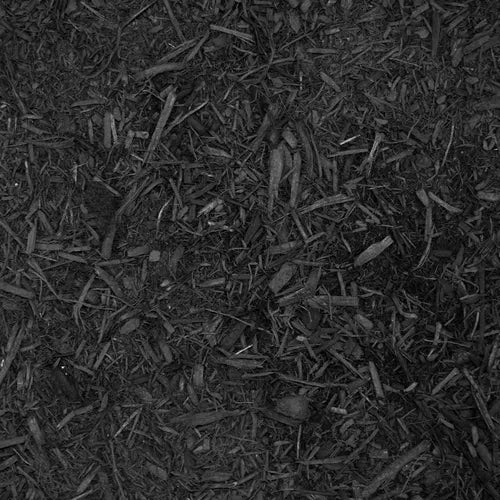
Dyed Black Mulch
A high-contrast choice that makes flower beds and tree rings stand out against green lawns and brick-accented homes common throughout this part of Michigan. Available in double shredded or triple shredded, the rich black color holds its depth through wet springs and humid summers without fading quickly.
Dyed Brown Mulch
Warm brown double shredded mulch with lasting color that gives beds a polished, freshly maintained look for weeks at a time. A natural fit for the traditional home styles found in this region, where a clean and understated bed finish tends to complement established plantings and lawns.
Natural Brown Mulch
An undyed option that lets the wood's own warm, earthy tone do the work. Available in double shredded or triple shredded, it blends naturally into the clay-influenced soils common in this corner of Michigan and breaks down over time to add organic matter back to garden beds.
Cedar Mulch
Double shredded cedar carries natural oils that deter insects and slow decay, a practical advantage in a humid Great Lakes climate where moisture can encourage pest activity. The distinctive aroma fades gradually, and the material outlasts standard wood mulches, making it a smart pick for low-maintenance beds.
Complete Your Outdoor Mulch Project
If your beds need a fresh grade or the soil underneath is severely compacted, consider pairing your mulch order with a bulk topsoil delivery to rebuild the bed before mulching. Adding a stone border around mulched areas also helps keep material in place during Lambertville's heavier spring rain events when loose mulch can shift on slopes.
Lambertville's silt loam tends to shed water quickly once it crusts on the surface, especially after a dry stretch followed by a heavy rain. Before laying fresh mulch each spring, use a garden fork to lightly aerate the top inch of soil in your beds. This breaks up any surface crust that formed over winter and gives water a clear path into the root zone before your new mulch layer goes down. It takes only a few minutes per bed and makes a measurable difference in how well plants establish early in the season.
Mulch Mound Pro Tip
Time your mulch application in Lambertville strategically around the frost calendar. Spreading mulch too early in April, before the soil has warmed past the last frost date of approximately April 20, can slow soil warming and delay root activity for perennials and shrubs. Wait until daytime soil temperatures are consistently above 50 degrees Fahrenheit, then apply your 3-inch layer to lock in that warmth and keep it stable as summer temperatures climb through June and July.
Mulch Mound Pro Tip
With 34 inches of annual rainfall, Lambertville mulch does serious protective work during the wetter months of spring and early summer. An intact mulch layer absorbs the impact of rain droplets before they can dislodge silt loam particles and carry them downslope in garden beds or along foundation plantings. Check your mulch depth after any significant rain event and top off thin spots promptly, since those exposed patches are where erosion and weed germination both gain a foothold first.
Frequently Asked Questions
Click a question to see the answer
Answer
How thick should I apply mulch in my Lambertville garden beds?
In Lambertville's silt loam soil, a 3-inch layer is the right target for most planting beds. Silt loam crusts over when exposed to repeated rain, so keeping that full depth intact protects the soil surface and retains moisture between Lambertville's rain events, which total around 34 inches per year spread across the growing season.
Answer
Will mulch help my plants survive the late frosts we sometimes get in Lambertville?
Yes. With Lambertville's last frost typically landing around April 20, a mulched bed insulates root zones against those late cold snaps that catch gardeners off guard. Applying mulch in early spring after the ground begins to warm, but before that final frost window closes, gives perennial roots a buffer against temperature swings that are common in Monroe County's shoulder season.
Answer
Does mulch break down faster here because of our Michigan summers?
It does. Lambertville's warm, humid summers accelerate the decomposition of organic mulches more than drier climates would. Plan to refresh your mulch layer each spring to maintain that protective 3-inch depth. The upside is that as mulch breaks down into Lambertville's silt loam, it contributes organic matter that loosens the soil's naturally dense structure over time.
Answer
What is the difference between natural and dyed mulch for a Lambertville yard?
Natural hardwood mulch decomposes more readily in Lambertville's climate, feeding soil biology and improving the silt loam's structure season after season. Dyed mulch holds its color longer through summer sun and rain events, making it a popular choice for high-visibility front beds where curb appeal matters most. Both suppress weeds effectively, so the choice comes down to whether you prioritize soil improvement or color consistency.
Answer
How soon after delivery can I spread the mulch around my beds?
You can spread it the same day it arrives. If rain is in the forecast, that is actually a fine time to mulch in Lambertville, as the moisture helps the layer settle and begin moderating soil temperature right away. There is no need to wait for dry weather before getting started.
Answer
Can I mulch around my trees in the fall before the first frost hits?
Yes, and it is a good idea. Applying mulch around tree bases before Lambertville's October 15 average first frost helps insulate root zones through the freeze-thaw cycles that are common in Monroe County's shoulder seasons. Keep the mulch a few inches away from the trunk itself to prevent moisture buildup against the bark through the winter months.
Answer
How do I figure out how many cubic yards of mulch I need for my property?
Measure the length and width of each bed in feet and multiply them to get square footage. Then multiply that by your desired depth in feet, where 3 inches equals 0.25 feet. Divide the result by 27 to convert cubic feet to cubic yards. For Lambertville properties with multiple garden beds and tree rings it adds up quickly, so our online calculator is a helpful tool to confirm your estimate before ordering.
The Unique Landscape of Lambertville
Lambertville's silt loam soil is naturally compact and prone to surface crusting after heavy rains, which makes weed pressure a year-round battle in unprotected beds. With roughly 34 inches of annual rainfall spread unevenly across the seasons, moisture retention between rain events is a real concern for shrubs and perennials alike. A consistent 3-inch mulch layer acts as a buffer, keeping soil temperatures stable through the swing from late-April frosts to peak summer heat. The compressed growing window between the April 20 last frost and the October 15 first frost means every week of healthy root growth counts, and mulch helps plants make the most of that time. Organic mulch also works slowly to loosen silt loam's tendency to pack, gradually improving drainage and aeration over multiple seasons. Keeping beds mulched is one of the most practical steps a Lambertville homeowner can take to protect their landscape investment through Michigan's unpredictable spring and fall shoulder seasons.