
Stone coverage varies by use. In Lancaster, accent beds work at 2 inches. Base material for paths needs 4 to 6 inches of depth.
Use our free stone calculator
What is a yard?
A yard is approximately 27 cubic feet. As a general guideline, one yard of material can cover an area of about 10 feet by 10 feet at a few inches deep.
What is a yard?
A yard is approximately 27 cubic feet. As a general guideline, one yard of material can cover an area of about 10 feet by 10 feet at a few inches deep.
What is a yard?
A yard is approximately 27 cubic feet. As a general guideline, one yard of material can cover an area of about 10 feet by 10 feet at a few inches deep.
What is a yard?
A yard is approximately 27 cubic feet. As a general guideline, one yard of material can cover an area of about 10 feet by 10 feet at a few inches deep.
What is a yard?
A yard is approximately 27 cubic feet. As a general guideline, one yard of material can cover an area of about 10 feet by 10 feet at a few inches deep.
What is a yard?
A yard is approximately 27 cubic feet. As a general guideline, one yard of material can cover an area of about 10 feet by 10 feet at a few inches deep.
What is a yard?
A yard is approximately 27 cubic feet. As a general guideline, one yard of material can cover an area of about 10 feet by 10 feet at a few inches deep.
What is a yard?
A yard is approximately 27 cubic feet. As a general guideline, one yard of material can cover an area of about 10 feet by 10 feet at a few inches deep.
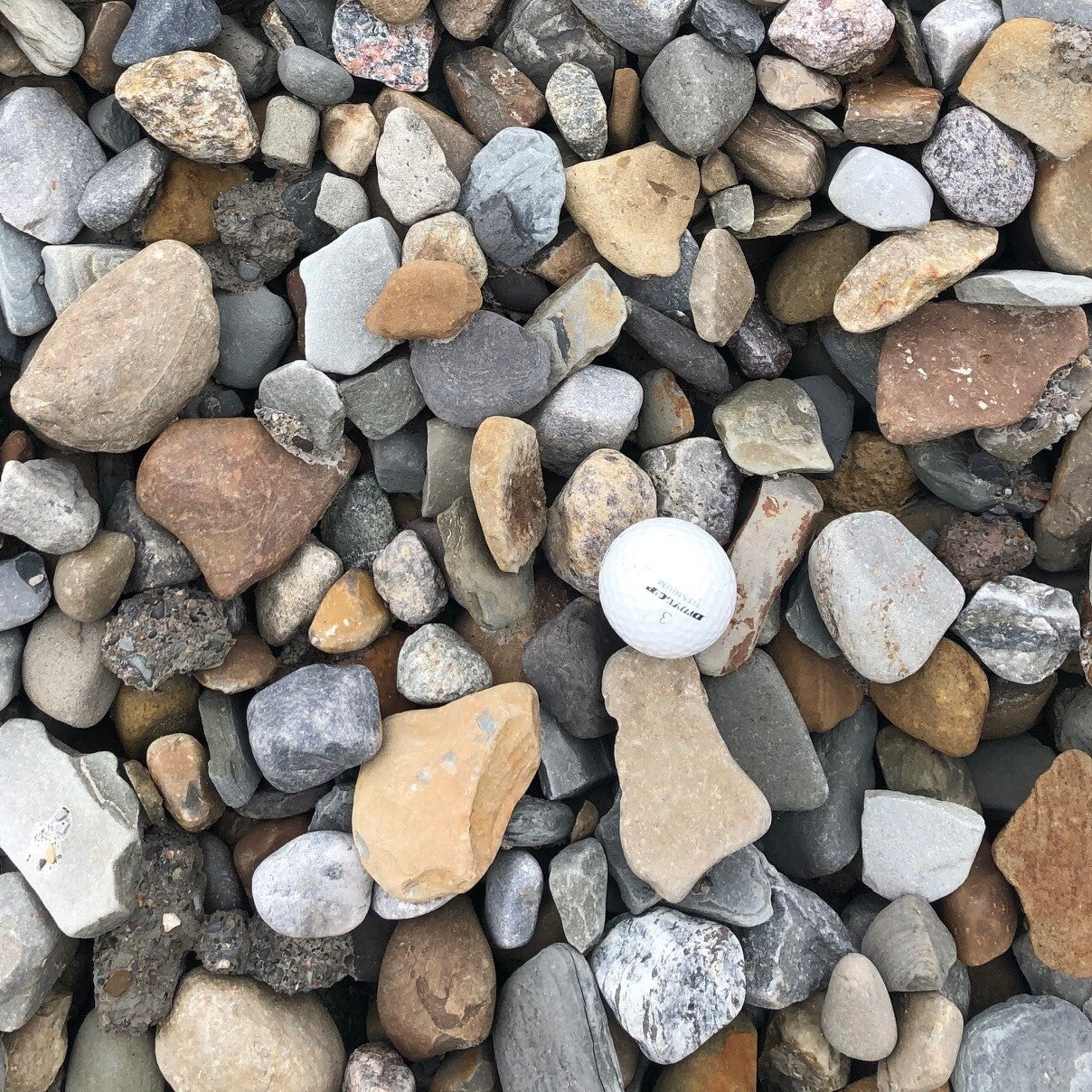
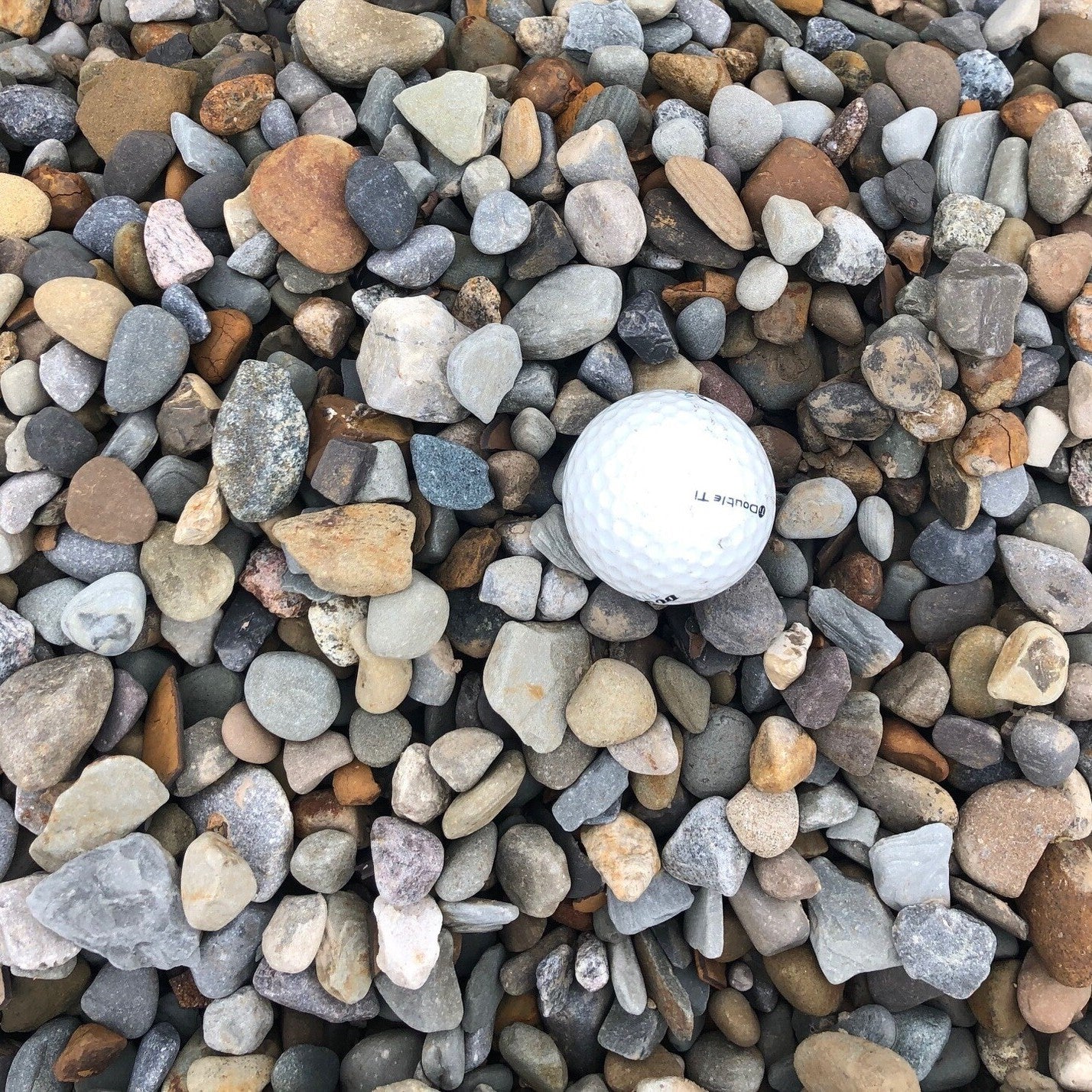
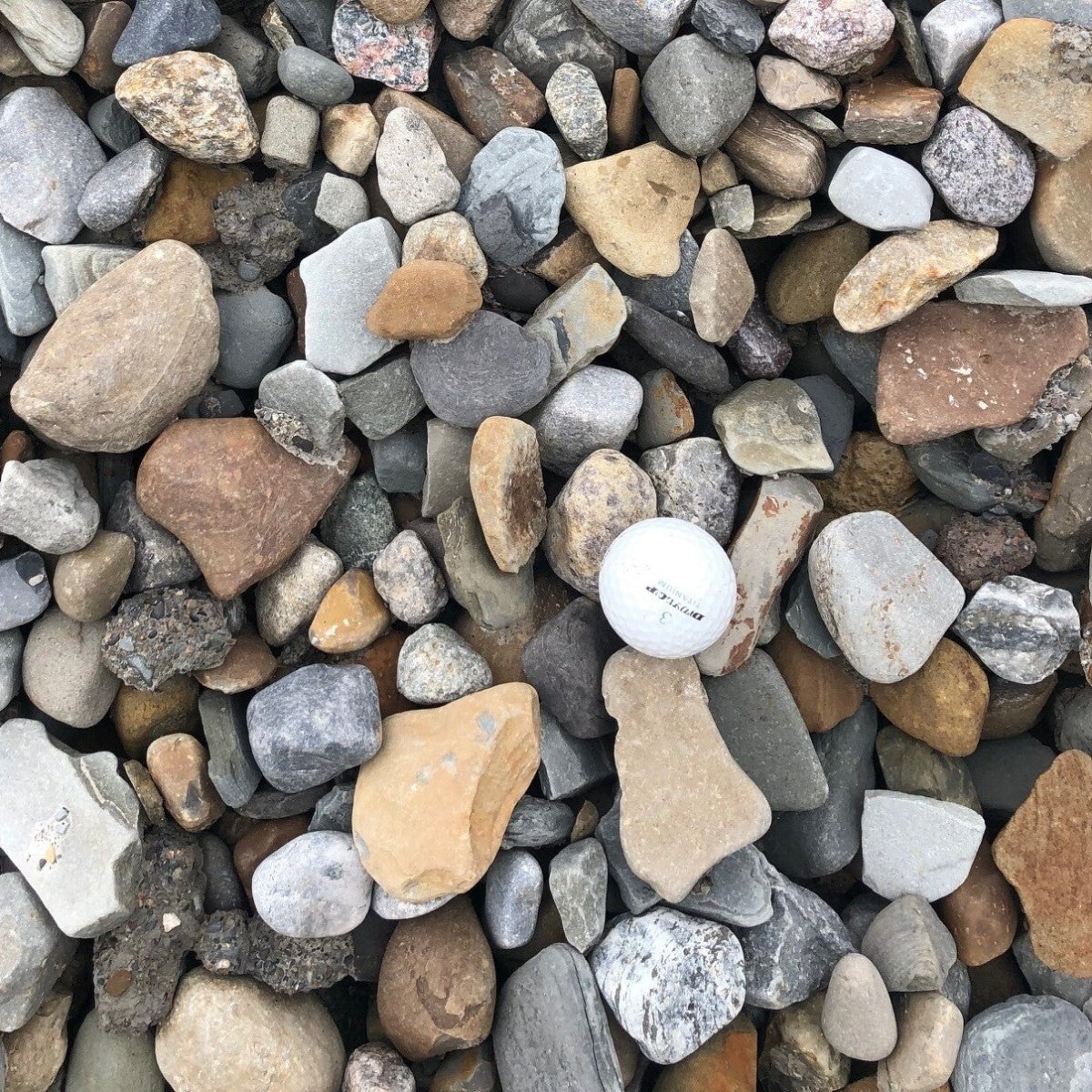
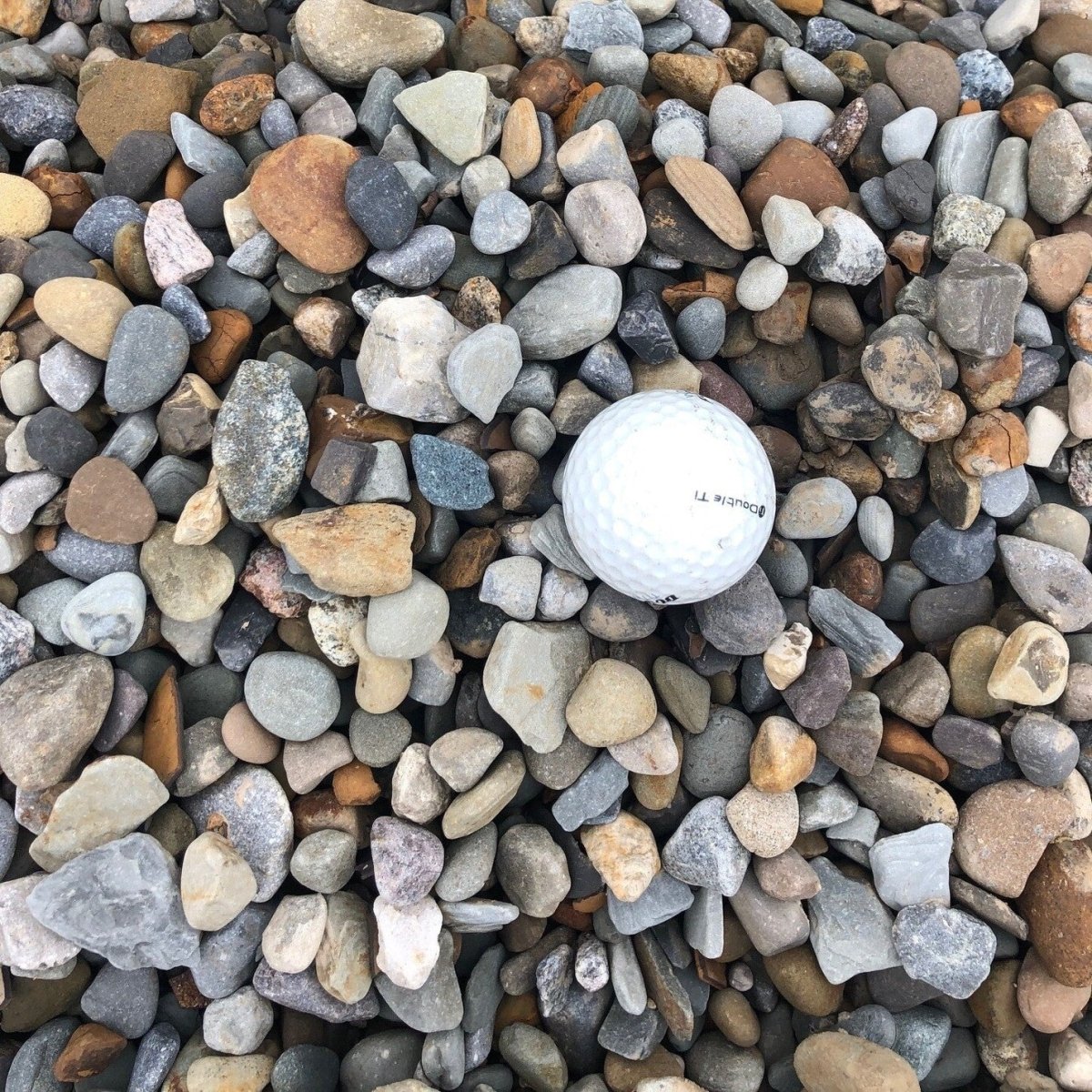
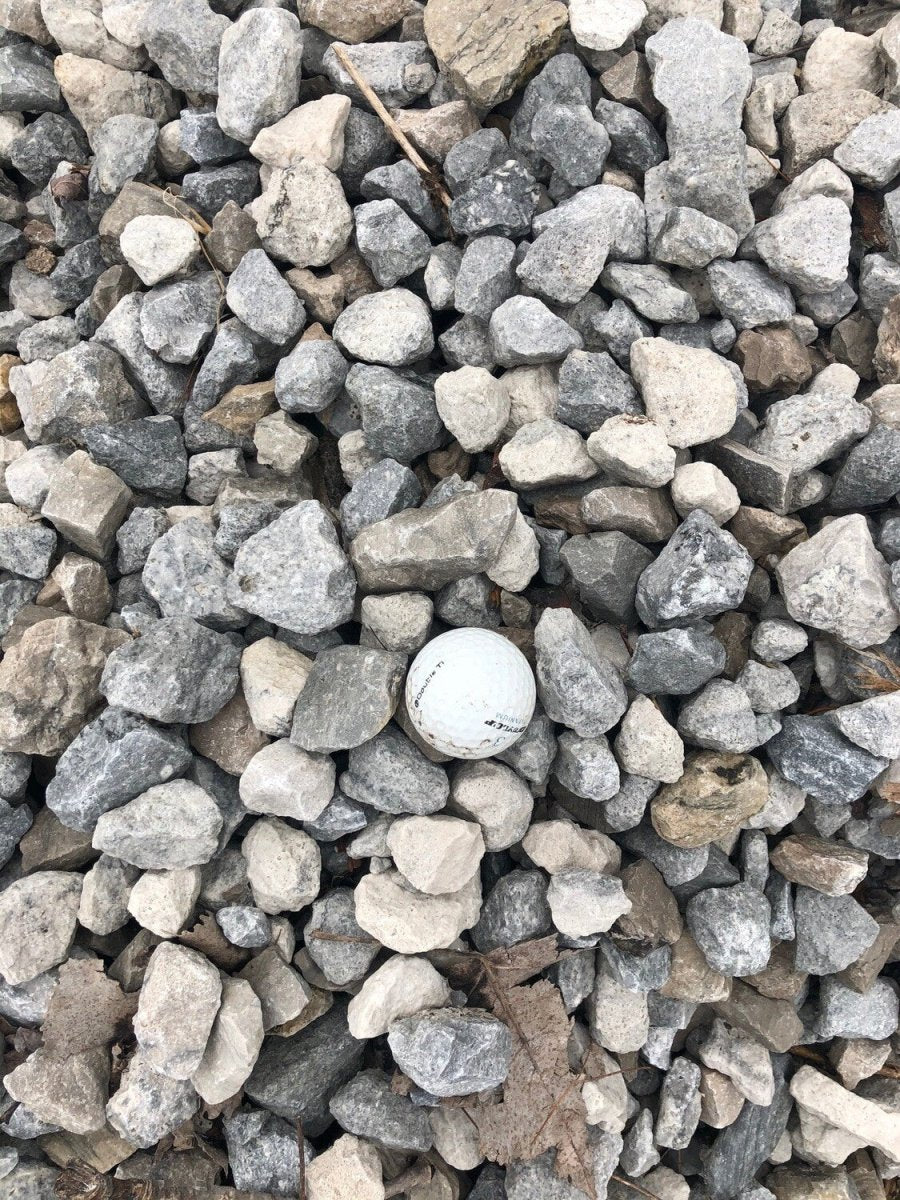
A blend of #1 and #2 limestone for substantial Lancaster coverage. Larger pieces at 2 to 4 inches combine with 1.5 to 2.5 inch stones for drainage and base applications. Limestone provides Lancaster landscapes with durable, draining coverage. The material handles traffic, resists breakdown, and maintains functionality season after season.
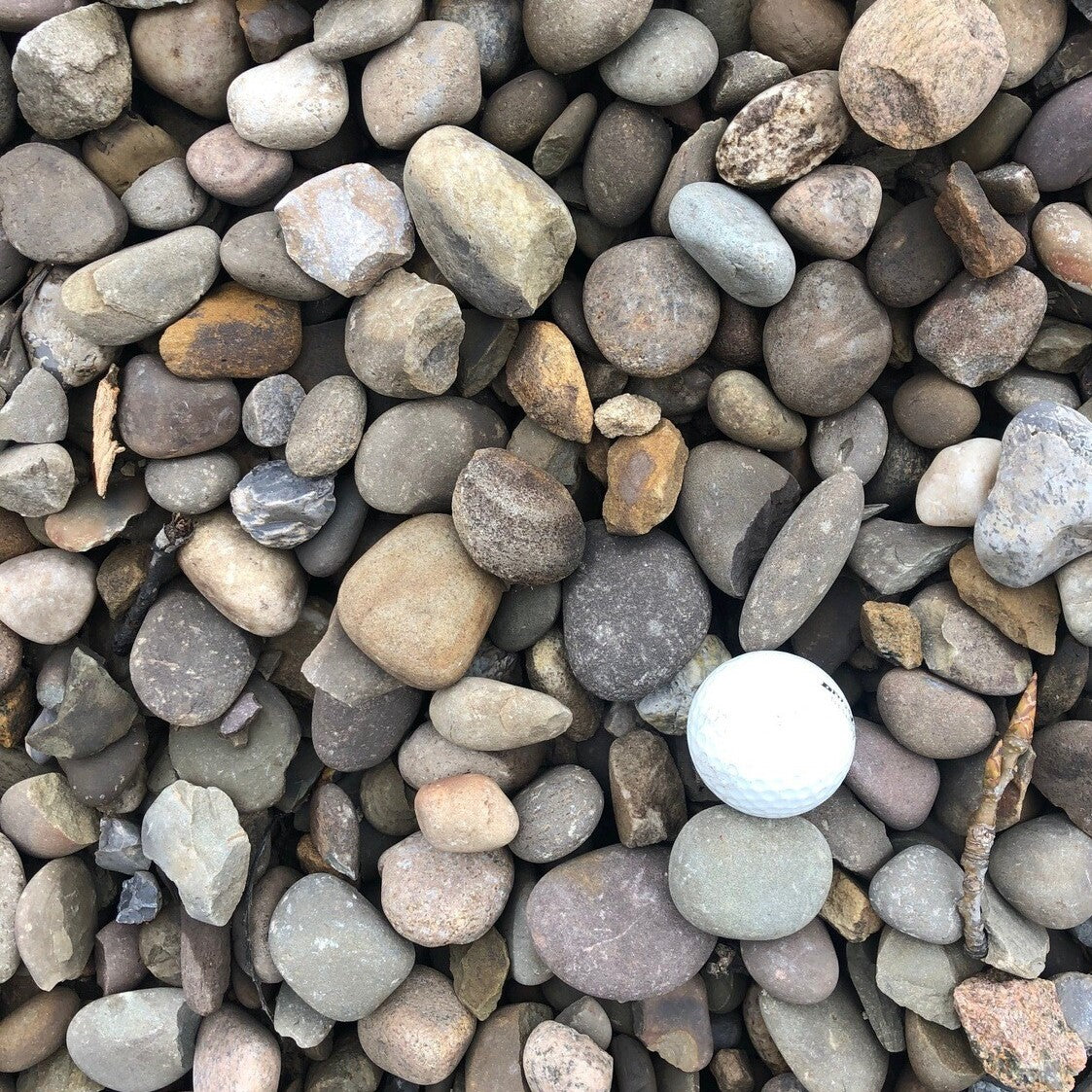
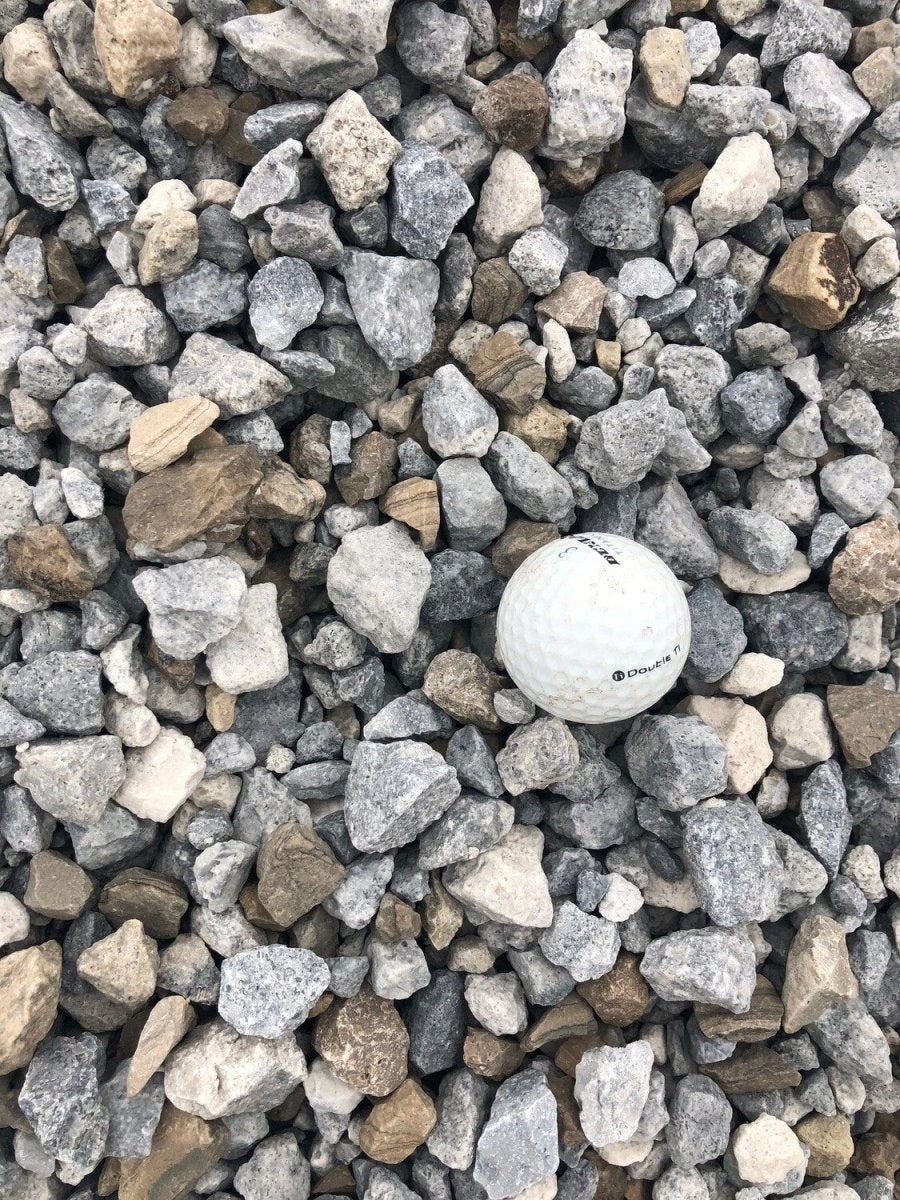
Our #3/#4 decorative handles Lancaster projects needing variety. The blended 1 to 2 inch stones create natural texture and reliable drainage throughout. Stone coverage simplifies Lancaster landscape maintenance. It does not decompose, holds color well, and stays in place once installed. The practical choice for beds, borders, and paths.
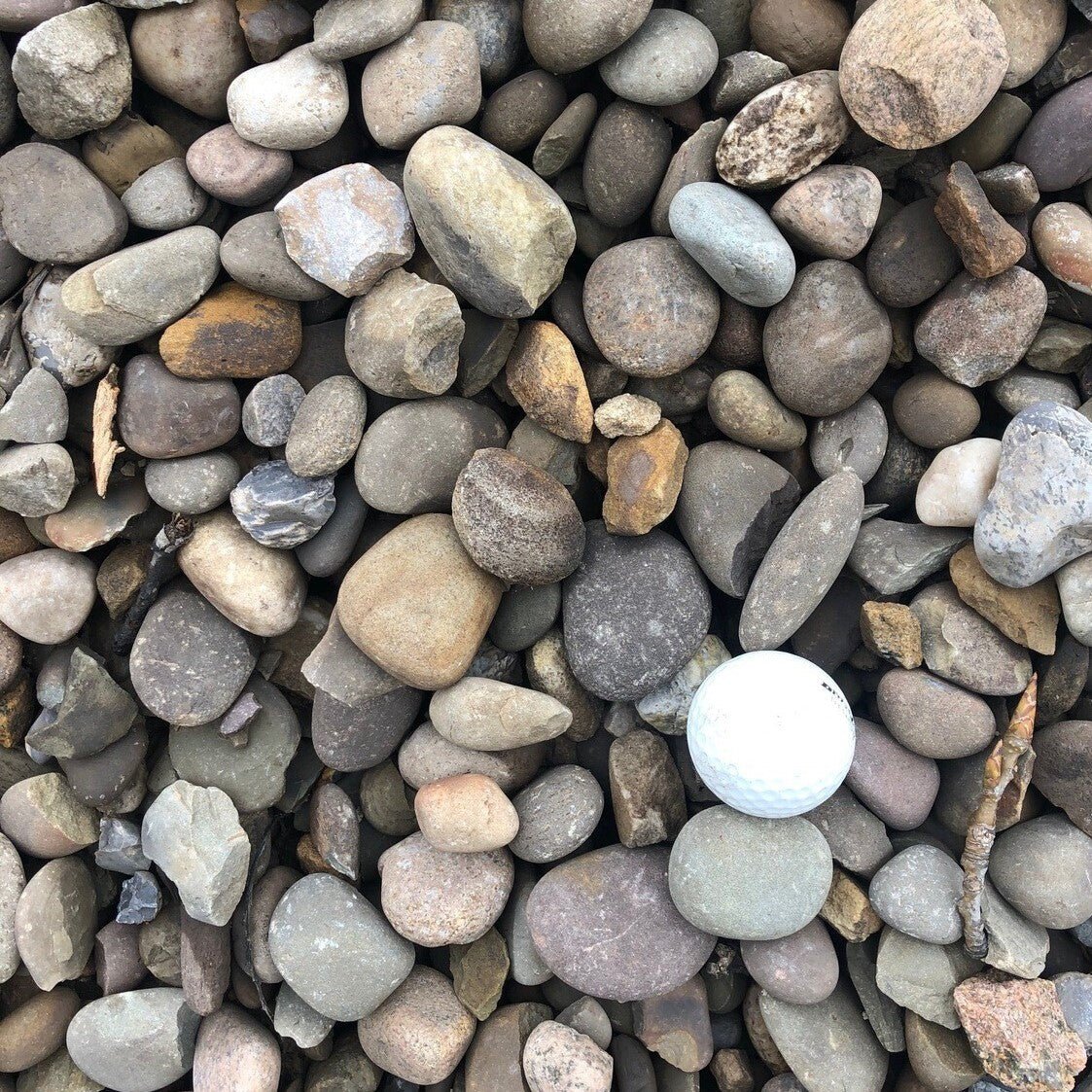
At 1 to 1.5 inches diameter, our #4 decorative stone delivers reliable performance for Lancaster landscapes. Use it where drainage matters, where visual weight helps, or where both combine. Stone coverage simplifies Lancaster landscape maintenance. It does not decompose, holds color well, and stays in place once installed. The practical choice for beds, borders, and paths.
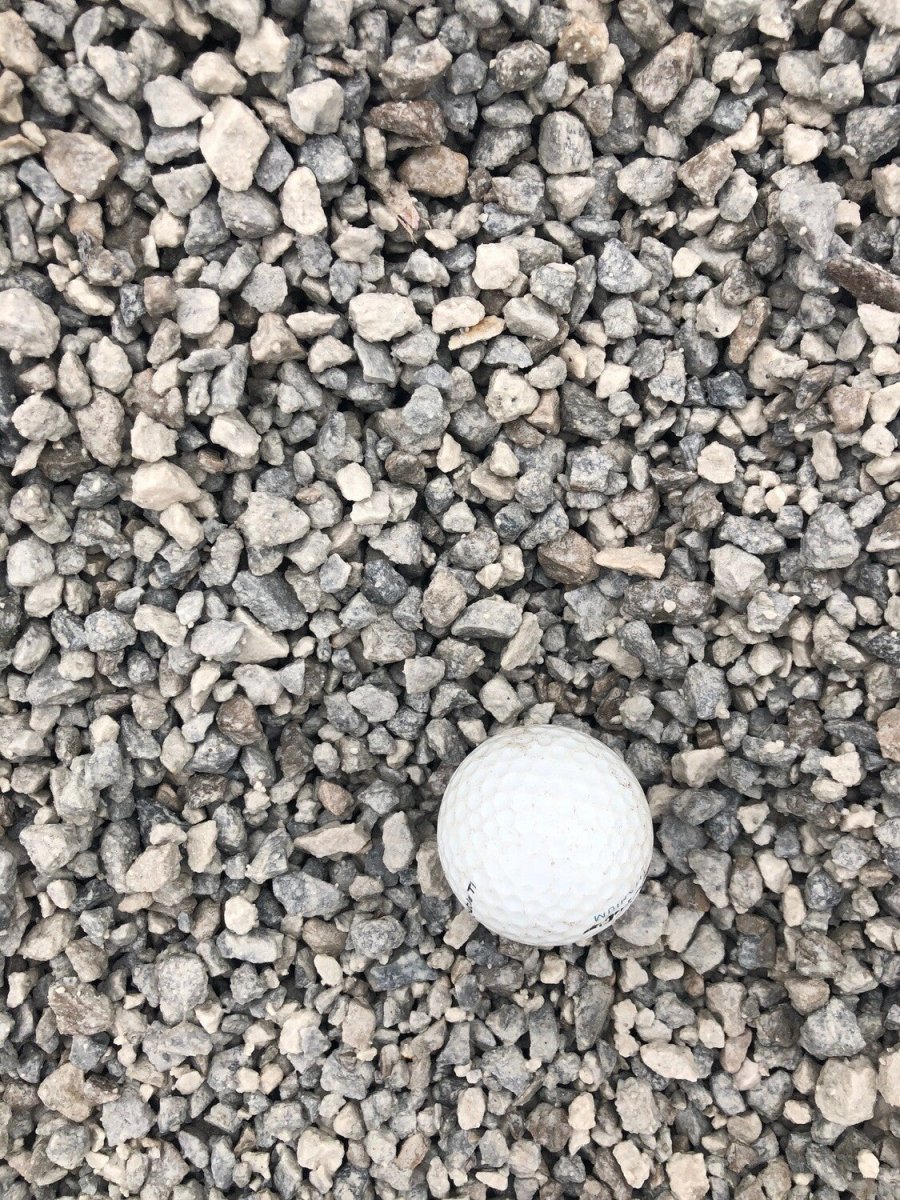
This #4 limestone at 1 to 1.5 inches offers Lancaster properties reliable stone. Natural gray tones, excellent drainage capacity, and durability for demanding landscape applications. Limestone brings Lancaster landscapes both function and longevity. The material drains well, handles load, and weathers gradually into the landscape. Proven performance in demanding applications.
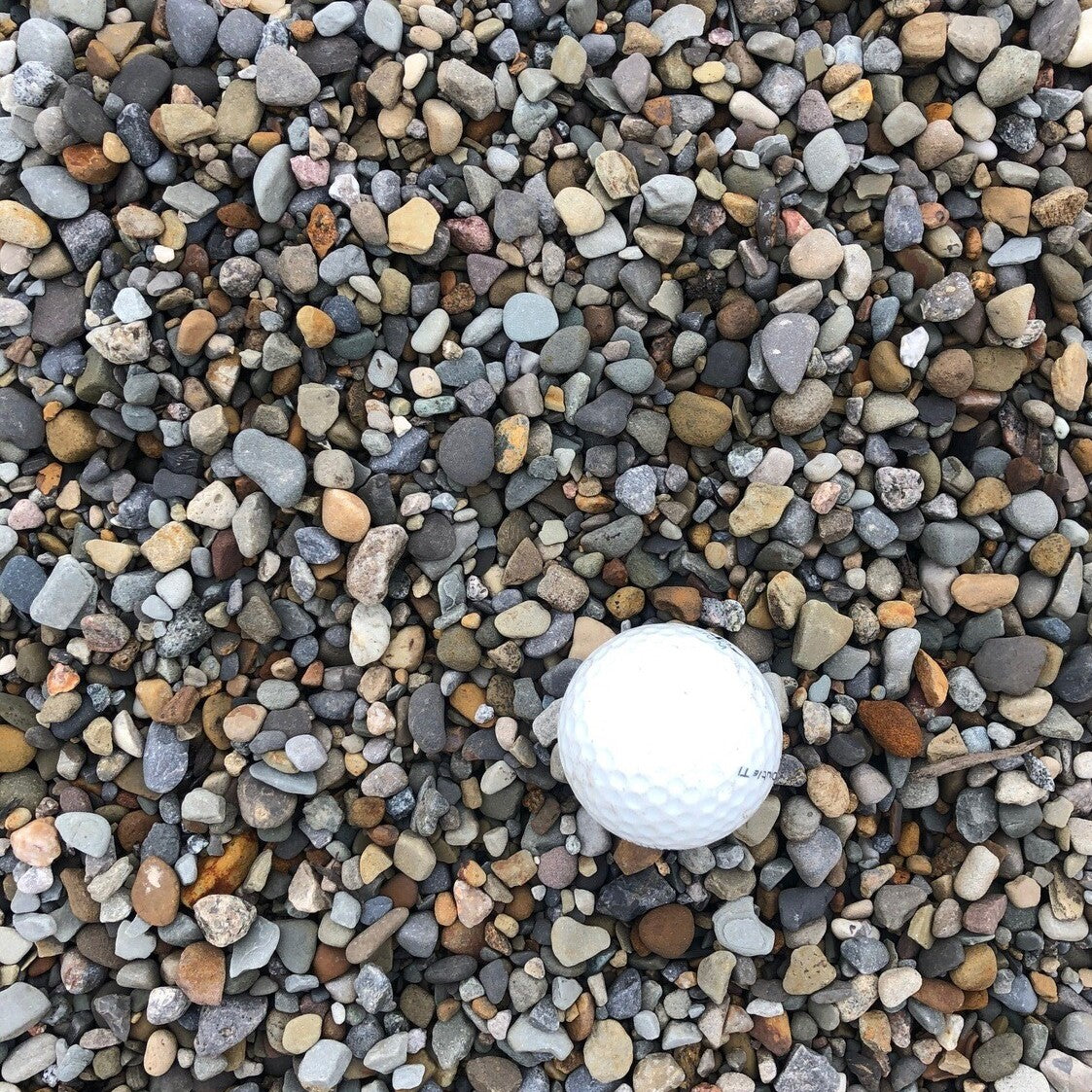
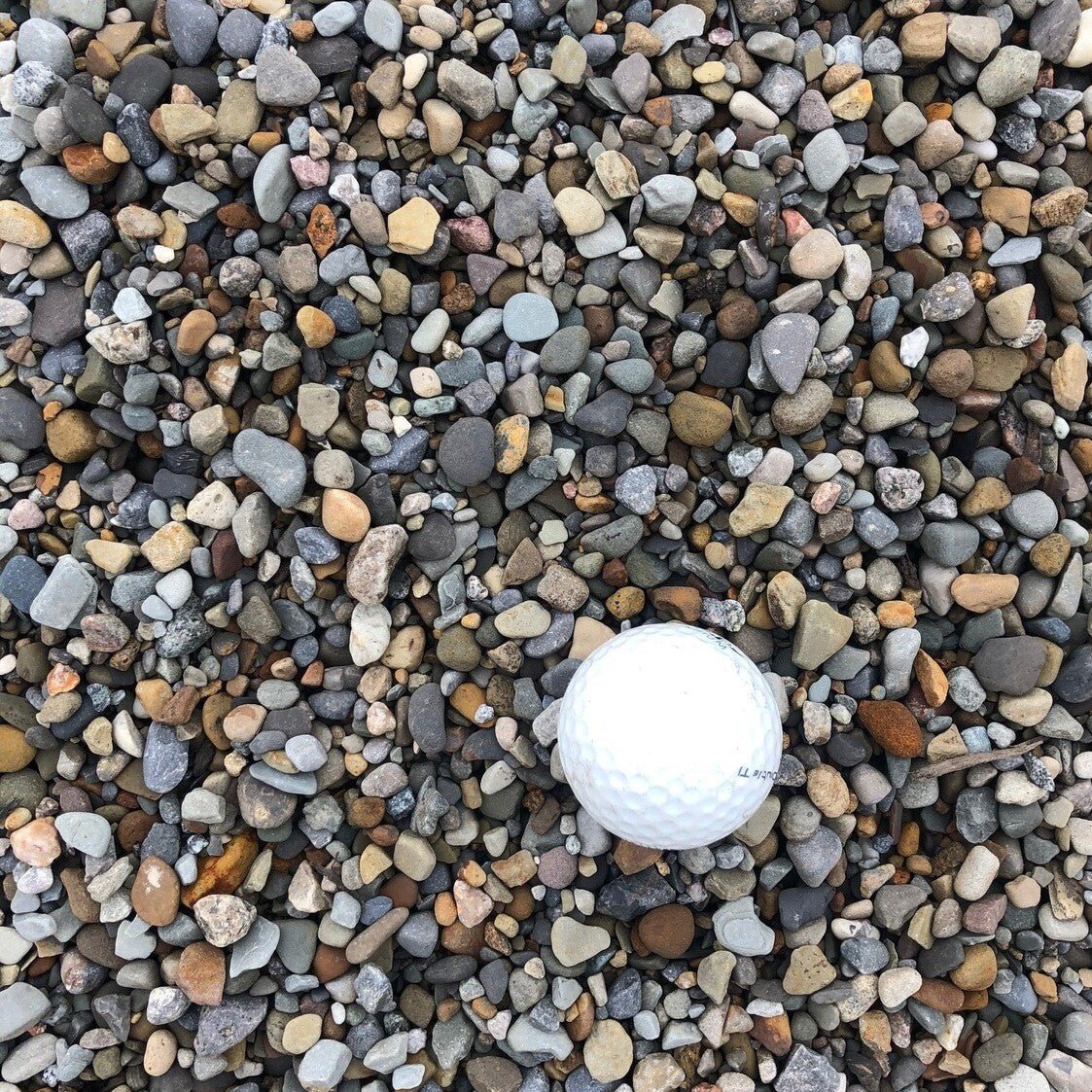
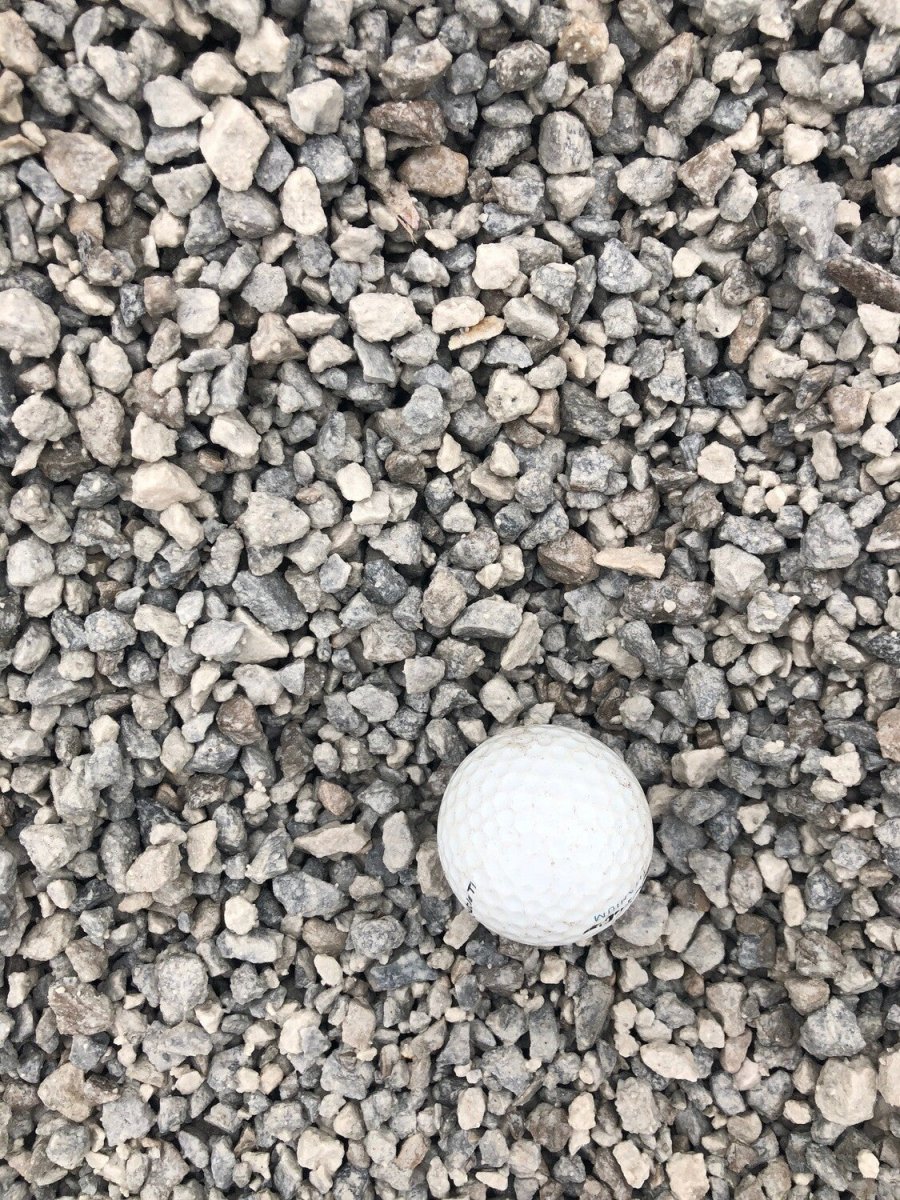
#57 decorative stone provides medium coverage at 1/2 to 1 inch per piece. Lancaster homeowners use it for driveways, pathways, decorative beds, and drainage applications throughout the property. Decorative stone gives Lancaster landscapes low-maintenance coverage that lasts. Unlike organic materials, it holds its color and position season after season with minimal attention.
#57 limestone at 1/2 to 1 inch diameter is a Lancaster landscape essential. The gray coloring and versatile size work for drainage, pathways, driveways, and base applications. Limestone is a Lancaster landscape workhorse. It drains when wet, holds up under traffic, and maintains its function year after year. Practical material for demanding applications.
#8 decorative stone measuring 3/8 to 1/2 inch per piece. The compact size delivers Lancaster landscapes the smooth texture and refined appearance quality installations demand. For lasting Lancaster landscape coverage, decorative stone delivers. The material resists decomposition, drains effectively, and keeps its appearance season after season.
At 3/8 to 1/2 inch diameter, our #8 limestone delivers reliable compact coverage for Lancaster landscapes. Classic gray tones meet proven performance for drainage and fills. The durability of limestone serves Lancaster properties well. It handles traffic, drains reliably, and maintains its appearance through seasons of use. A practical choice that performs.
Mulch Mound delivered a yard of pea gravel to us. Delivery was on time, driver was friendly and hit a bullseye on the “tarp target”. We used the ...
Read full review
Mulch Mound delivered a yard of pea gravel to us. Delivery was on time, driver was friendly and hit a bullseye on the “tarp target”. We used the pea gravel (which was diameter as specified) to fill several muskrat holes around our pond. I would definitely recommend Mulch Mound to a friend!
Stone projects require accurate estimates—this stuff is heavy and delivery matters. Trace your area, choose a depth, and see tonnage before ordering. Lancaster yards benefit from proper coverage, especially in drainage applications.
Complete Your Outdoor Stone Project
Decorative stone is a start for Lancaster projects. Mulch covers your planting beds, soil improves silt loam ground. All three materials deliver together.
Natural flagstone and irregular stone varies considerably in thickness from piece to piece. Budget extra material and installation time for sorting and fitting irregular pieces together properly.
Mulch Mound Pro Tip
Install stone projects in Lancaster during dry weather whenever possible for best results. Wet conditions make proper compaction difficult and turn job sites into muddy messes that delay progress.
Mulch Mound Pro Tip
Wet stone dust or crusher run material lightly before compacting with equipment. The moisture helps fine particles bind together and create a solid, stable base that resists shifting and settling.
The Unique Landscape of Lancaster
For paths, borders, and drainage, stone is hard to beat. Lancaster freeze–thaw and spring rain can beat up beds if materials aren’t refreshed. In Lancaster, Pennsylvania, stone helps control mud, define spaces, and keep your landscape looking sharp. It defines beds and builds paths that stay neat after storms. Good base + grade + edging prevents ruts and keeps the finish clean. Match the material to the use—pathways, borders, drainage, or a clean decorative finish. Bulk delivery saves you the bag runs and puts the material right where you want it.
Frequently Asked Questions
Click a question to see the answer
Answer
Which stone color stays coolest?
Light colors reflect heat better—whites, tans, pale grays. Dark stone in Lancaster's sun gets too hot for bare feet.
Answer
How do I prepare the area for stone?
Strip grass, grade the base away from buildings, compact, lay fabric, spread stone. With Lancaster's silt loam, base prep matters a lot.
Answer
Stone vs mulch—which is better?
Different strengths. Stone for durability and drainage, mulch for soil health and cost. In Lancaster, match material to the specific area.
Answer
Do I need landscape fabric under stone?
Definitely. Quality fabric keeps stone from disappearing into Lancaster's silt loam and reduces weed growth. Don't skip this step.
Answer
Is stone good for fire pits?
Excellent for fire pits. It won't burn and catches sparks. Use most types freely; just keep limestone away from intense heat.
Answer
Is stone or mulch better for slopes?
Angular crushed stone is most stable. Shredded mulch also works. Avoid round stone and chunky chips on inclines.
Answer
Can stone damage my foundation?
Stone itself won't, but bad grading can. Slope beds away from foundation so water drains outward. Keep stone back from siding for airflow.
