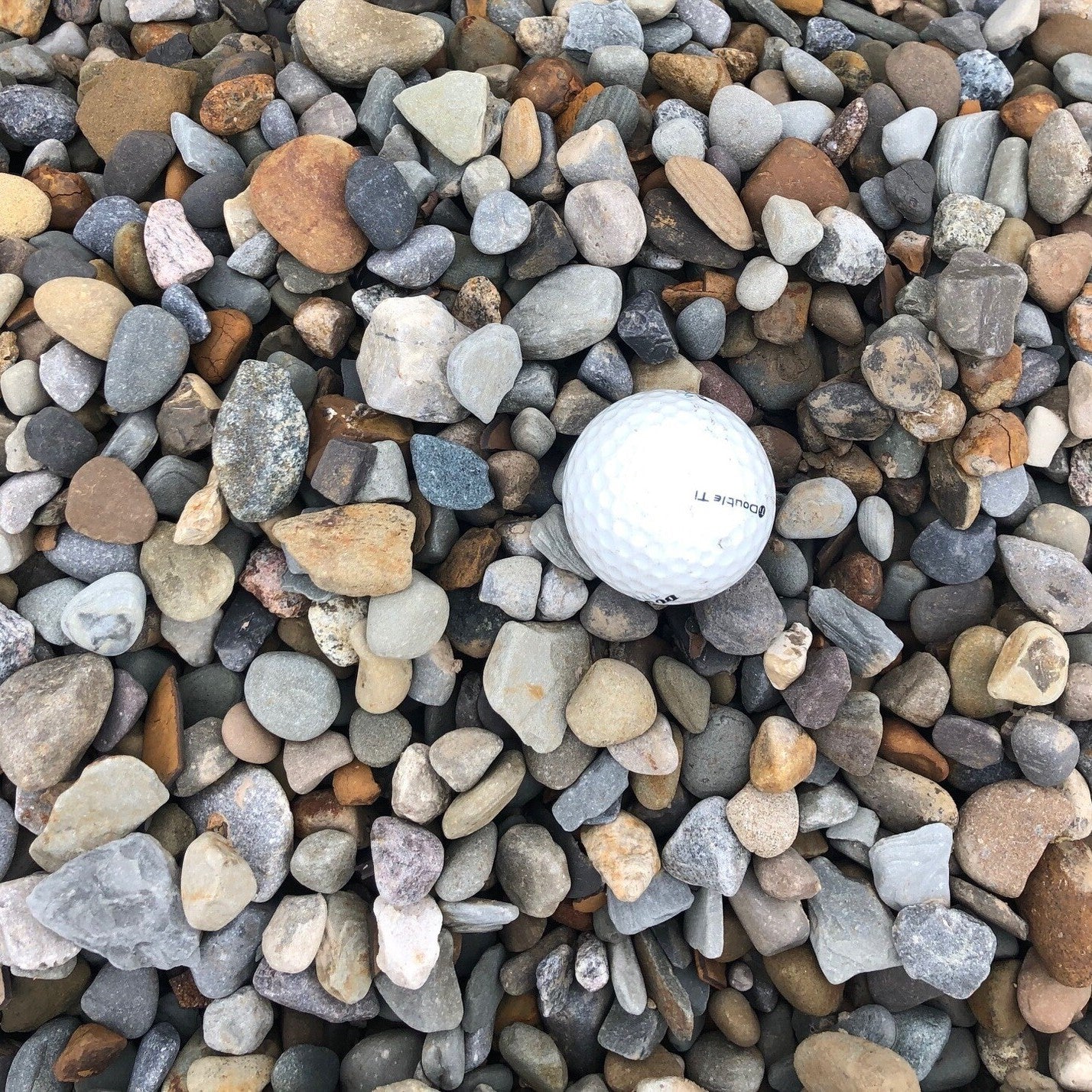
Number 57 crushed stone, angular limestone graded to about three quarters of an inch. The standard driveway, base and drainage gravel, it locks together under traffic and drains fast.
My experience with Mulch Mound was great and super easy. I ordered two yards of screened topsoil and was able to get it delivered within 2 days. They came in my requested time frame (afternoon) and dropped it off where I asked on my driveway. The topsoil was exactly what was a...
Tell us what you're looking for
Thanks! We received your request.
Something went wrong. Please try again.
How Much Material Do I Need?
Two inches is enough for decorative gravel over fabric in a planting bed, while driveways and high traffic areas need 4 inches of base plus a surface layer. One cubic yard of gravel covers about 160 square feet at 2 inches deep.
Use our free gravel calculator
What is a Yard?
A yard is approximately 27 cubic feet. As a general guideline, one yard of material can cover an area of about 100-160 square feet at a 2-3 inch depth.
We can't take orders for this right now. Tell us what you need and we'll get back to you.
What do you need?
Thanks! We received your request.
Something went wrong. Please try again.
Hand-picked local yards
4,000+ regional deliveries
Dedicated support
Why order through Mulch Mound
The best local , without the guesswork.
We hand-pick and partner with the best yards in your region, keep only the ones our buyers rate well, and back each load with our guarantee.
Mulch Mound Guarantee
If your isn't the quantity or quality you ordered, we'll make it right.
About this stone
Number 57 crushed stone, angular limestone graded to about three quarters of an inch. The standard driveway, base and drainage gravel, it locks together under traffic and drains fast.
My experience with Mulch Mound was great and super easy. I ordered two yards of screened topsoil and was able to get it delivered within 2 days. They came in my requested time frame (afternoon) and dropped it off where I asked on my driveway. The topsoil was exactly what was a...
How Much Material Do I Need?
Two inches is enough for decorative gravel over fabric in a planting bed, while driveways and high traffic areas need 4 inches of base plus a surface layer. One cubic yard of gravel covers about 160 square feet at 2 inches deep.
Use our free gravel calculator
What is a Yard?
A yard is approximately 27 cubic feet. As a general guideline, one yard of material can cover an area of about 100-160 square feet at a 2-3 inch depth.
My experience with Mulch Mound was great and super easy. I ordered two yards of screened topsoil and was able to get it delivered within 2 days. Th...
Read full review
My experience with Mulch Mound was great and super easy. I ordered two yards of screened topsoil and was able to get it delivered within 2 days. They came in my requested time frame (afternoon) and dropped it off where I asked on my driveway. The topsoil was exactly what was advertised, clean with no rocks or other debris. The price was reasonable. I plan to use them again in a couple weeks to order compost for my garden beds.
Measure your area in feet and pick a depth, remembering that stone is sold by weight or volume depending on type. Because rock is dense, a small measurement error costs more here than with mulch, so double check your length and width before ordering. Break irregular shapes into rectangles and triangles and add the pieces together.
Complete Your Outdoor Stone Project
Add steel or paver edging to keep gravel from migrating into your sandy loam turf, and pick up landscape fabric plus a few yards of soil for the planting pockets you leave within the rock.
Install edging before the rock arrives, not after. Sandy loam offers almost no resistance, so gravel spreads sideways into lawns and walkways within a season without a hard border. Steel edging set 4 inches deep holds a crisp line through Las Cruces freeze thaw cycles and the occasional heavy monsoon flow. It also keeps your rock depth consistent, which is what makes a xeriscape look intentional rather than scattered.
Mulch Mound Pro Tip
Leave generous planting pockets when you lay stone. A common regret in Mesilla Valley yards is rocking wall to wall, then realizing there is nowhere to add a desert willow or Texas sage later. Mark and cut fabric openings at least 3 feet across for shrubs and 5 feet for trees, and pull gravel back from the trunk so irrigation reaches soil instead of pooling against bark.
Mulch Mound Pro Tip
Refresh rather than replace. After several years, Las Cruces gravel beds look dull mostly from accumulated dust rather than worn out stone. Rake the surface to turn clean faces upward, blow out the leaf litter, and if needed rinse a section with a hose on a cool morning. Adding a thin half inch top layer of matching rock restores color for a fraction of what a full replacement costs.
The Unique Landscape of Las Cruces
Decorative stone is the backbone of xeriscaping in Las Cruces, where a 9 inch annual rainfall makes water thrifty landscapes the practical default rather than a trend. Unlike organic mulch, rock never breaks down under our intense high desert UV, so a properly installed stone bed can look sharp for a decade or more with minimal upkeep. Stone also handles the March and April wind that sends lighter materials into your neighbor's yard. In sandy loam, gravel and crushed rock stabilize slopes and swales so the rare but heavy monsoon downpours in July and August do not carve channels through your beds. Just remember that rock absorbs and radiates heat, so it belongs where you want durability and drainage rather than pressed against heat sensitive plants.
Frequently Asked Questions
Click a question to see the answer
Answer
Does decorative stone make my Las Cruces yard hotter?
It does raise surface and reflected temperatures, which matters most on south and west exposures where afternoon sun already pushes past 100 degrees in June. Keep large expanses of light colored rock away from windows and patios, and use organic mulch instead in beds with tender perennials. Darker rock and shade trees over gravel areas both help moderate the effect.
Answer
What size gravel works best for a xeriscape bed here?
Three quarter inch to one inch screened gravel is the sweet spot for most Las Cruces front yards. It is heavy enough to stay put during spring windstorms, small enough to rake evenly, and large enough that windblown dust and organic debris settle between the stones rather than forming a solid weed bed on top.
Answer
Do I really need landscape fabric under rock in the desert?
Yes, and it earns its keep here more than in most climates. Fabric keeps stone from sinking into loose sandy loam over time, which is the main reason old gravel yards look thin after a few years. It will not stop every weed, since our dust and monsoon rains deposit new seed on the surface, but it dramatically reduces what comes up from below.
Answer
How do I keep weeds out of my gravel after monsoon season?
Late summer rains in July and August wake up dormant seed on the rock surface, so expect a flush of goatheads and summer annuals afterward. Pull them while the ground is still soft from the rain, then apply a pre emergent in late winter and again in early summer. Blowing accumulated dirt and leaves off the gravel each fall removes the growing medium weeds rely on.
Answer
Can I use stone in a dry creek bed for monsoon runoff?
That is one of the best uses for it around Las Cruces. Our storms drop a lot of water in a short window, and sandy loam channels erode fast. Line the swale with fabric, set larger cobble and river rock 4 to 8 inches in the flow path, and taper down to smaller gravel at the edges to slow and spread the water.
Answer
How much stone do I need for a driveway or parking pad?
Plan on 4 inches of compacted base rock topped with 2 inches of decorative gravel for a residential drive on Las Cruces sandy loam. That works out to roughly 3.7 cubic yards of base for a 200 square foot pad at 4 inches, plus your surface layer. Skimping on base depth is why so many local drives develop ruts.
Answer
Will river rock work as mulch around my desert plants?
It works well around established desert natives like agave, yucca, ocotillo, and Texas sage that evolved for heat and sharp drainage. Avoid it around roses, vegetables, and non native ornamentals that want cooler, richer root conditions. Many Las Cruces yards use rock in the sunny street facing zones and shredded hardwood in shaded courtyard beds.