




Ordered Dirt. Received Dirt. Would Buy Again.
About this soil
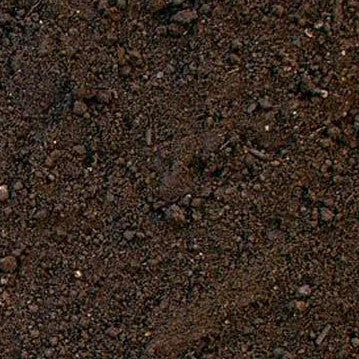
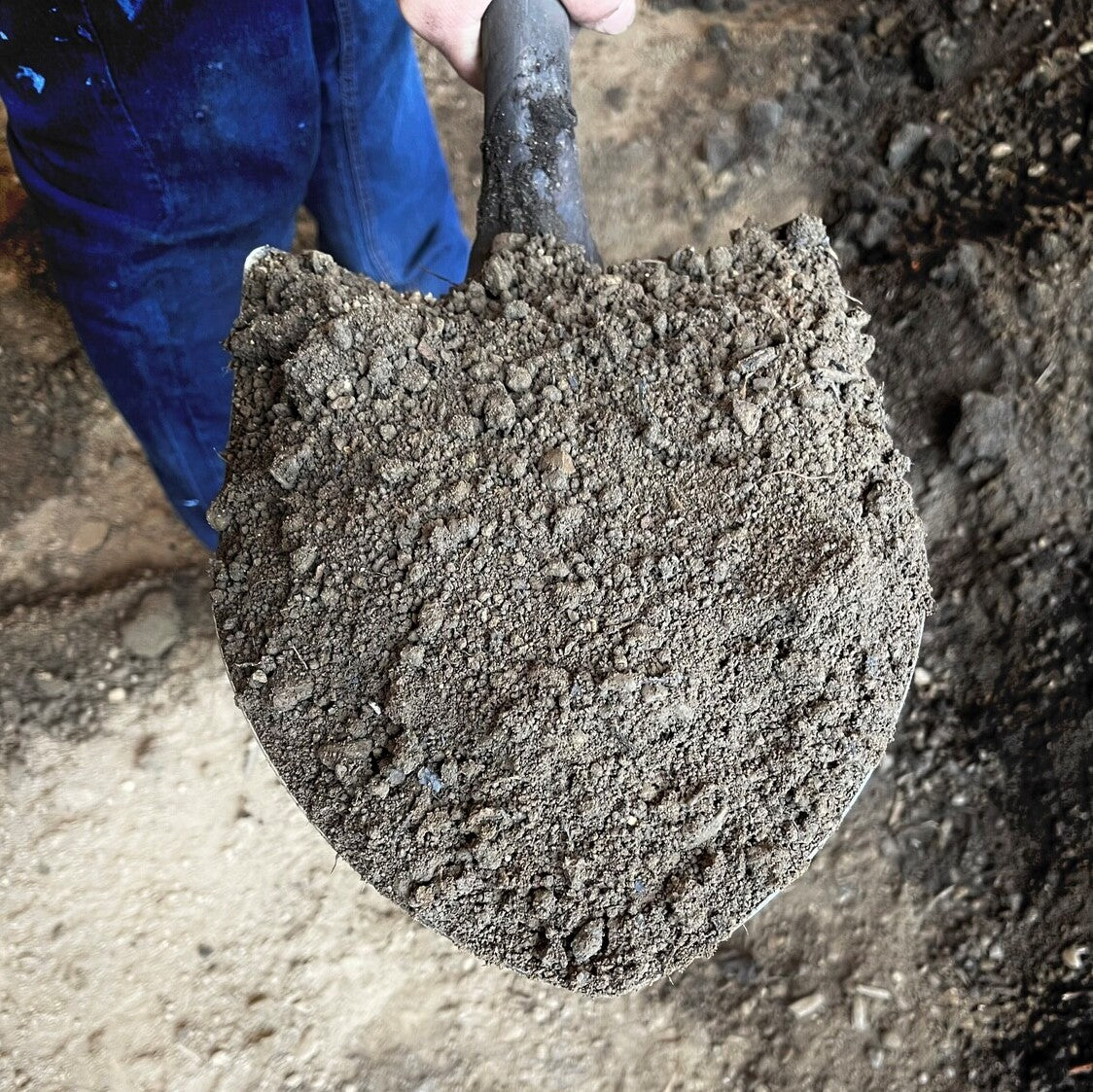
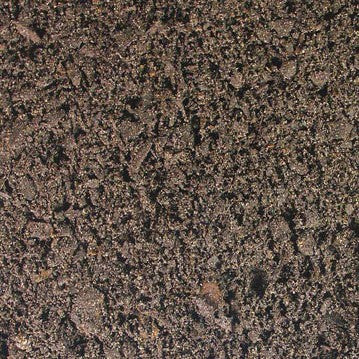
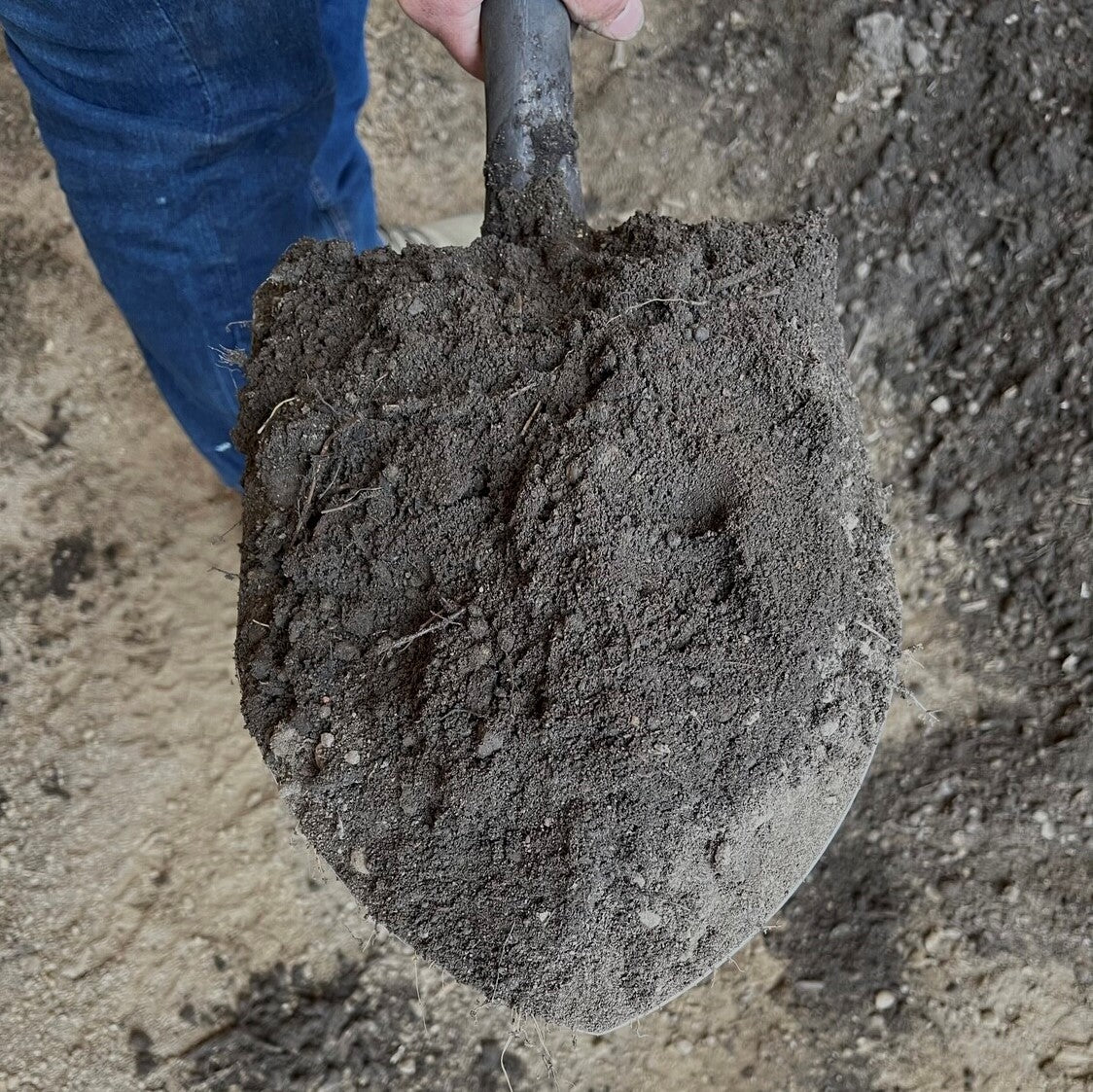
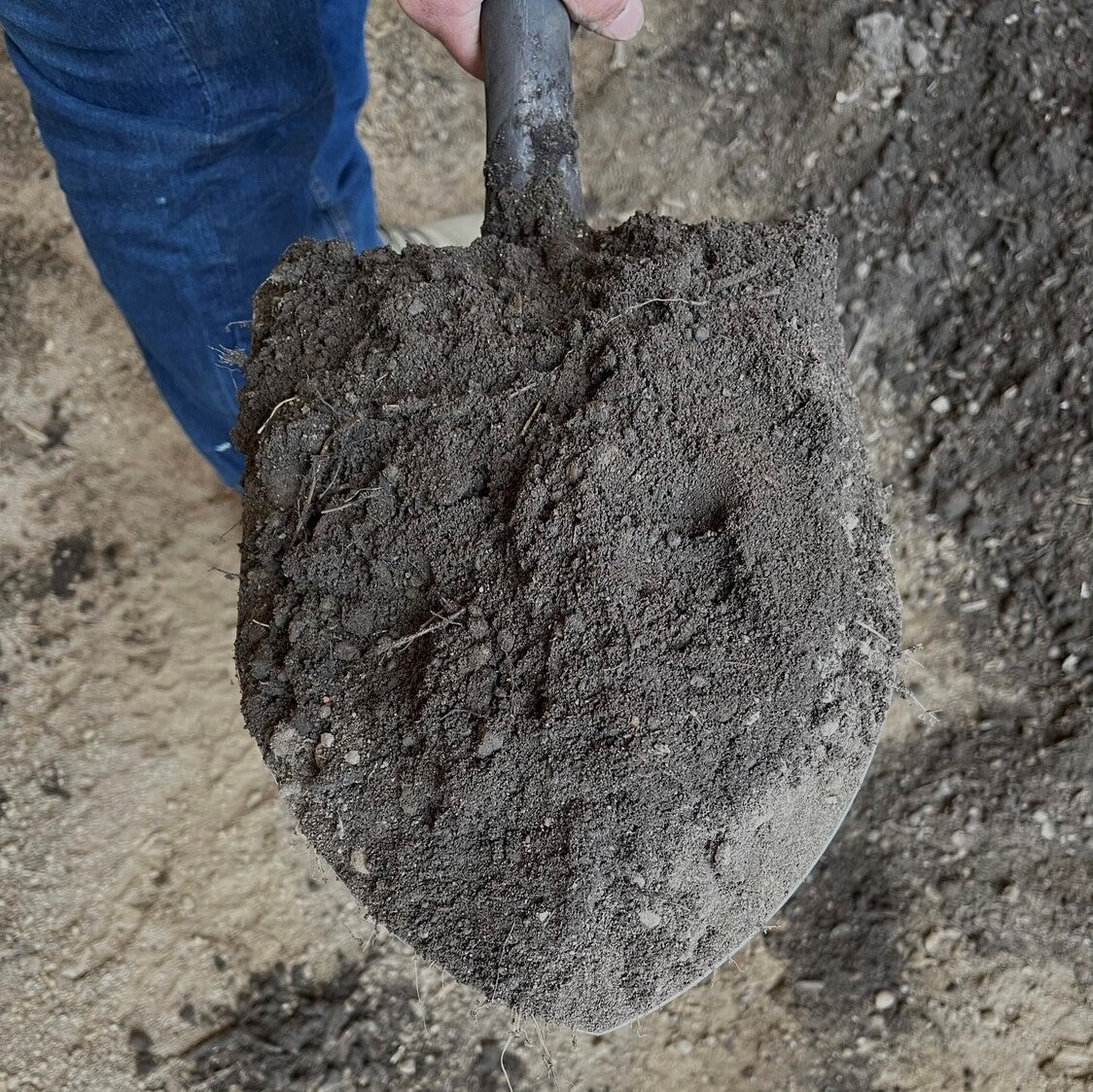
Quality topsoil for lawns, gardens, and landscape projects. Nutrient rich and ready to support strong root development and healthy plant establishment.
Ordered Dirt. Received Dirt. Would Buy Again.
Tell us what you're looking for
Thanks! We received your request.
Something went wrong. Please try again.
How Much Material Do I Need?
How Much Material Do I Need?
Start with your project footprint. Louisville lawn smoothing takes minimal depth while raised bed fills need 10 to 12 inches.
Use our free soil calculator
What is a yard?
What is a yard?
What is a yards?
What is a yards?
FAQs
FAQs
Louisville Soil Delivery
Louisville Soil Delivery
Regular price
$64.00
per
yard
Regular price
Sale price
$64.00
Unit price
per
Shipping calculated at checkout.
Minimum of 3 yard
Couldn't load pickup availability
Not currently available
We can't take orders for this right now. Tell us what you need and we'll get back to you.
Hand-picked local yards
4,000+ regional deliveries
Dedicated support
Why order through Mulch Mound
The best local soil, without the guesswork.
We hand-pick and partner with the best yards in your region, keep only the ones our buyers rate well, and back each load with our guarantee.
Mulch Mound Guarantee
If your soil isn't the quantity or quality you ordered, we'll make it right.
About this soil
Quality topsoil for lawns, gardens, and landscape projects. Nutrient rich and ready to support strong root development and healthy plant establishment.
Ordered Dirt. Received Dirt. Would Buy Again.
How Much Material Do I Need?
How Much Material Do I Need?
Start with your project footprint. Louisville lawn smoothing takes minimal depth while raised bed fills need 10 to 12 inches.
Use our free soil calculator
What is a yard?
What is a yard?
What is a yards?
What is a yards?
FAQs
FAQs
Tell us what you're looking for
Thanks! We received your request.
Something went wrong. Please try again.


How It Works
Getting started is easy — just follow these simple steps
1
Choose your soil
Make sure you adjust the quantity to your home's needs. You can use our calculator to estimate how much you'll need.
2
Select your delivery date
Select a delivery date you'd like for the product to be dropped off at your home
3
Sit back and wait
Sit back, wait, and let us work our magic to make sure the highest quality product is delivered to your driveway.


Placing an order online was so easy. Delivery was on time. When the driver realized we had a newly poured driveway they erred on the side of cautio...
Read full review
Placing an order online was so easy. Delivery was on time. When the driver realized we had a newly poured driveway they erred on the side of caution and opted not ti drive in it. The company even sent me a message explaining that call. Would recommend!
Need Help Calculating How Much Soil You Need?
Use our NEW Trace from Satellite tool to get an estimate for your project based on an aerial view of your property
Try Our Calculator1
Soil Types We Deliver in Louisville
Louisville sits in a region where clay-heavy native soils can make healthy lawns and productive gardens a real challenge. Whether you are leveling a yard or filling a raised bed, Mulch Mound makes bulk topsoil delivery by the yard simple, bringing quality soil straight to your driveway or job site. All orders are measured by the cubic yard so you get exactly what your project requires.
Top Soil
Available in screened and unscreened styles, this quality top soil suits a wide range of Kentucky yard projects. Screened delivers a fine, clean texture perfect for lawns, garden beds, and patchy spots, while unscreened works well for grading and fill jobs. Both options are nutrient-rich and ready to support healthy root development.
Gardening Blend
This premium blend combines top soil and compost in a balanced mix designed for raised beds, vegetable gardens, and in-ground planting. It builds loose, fertile growing conditions that suit the warm, humid summers common across the region, giving roots room to spread and plants the nutrients they need to thrive.
Organic Compost
Our premium organic compost is a rich, dark amendment that transforms heavy clay-based soil by improving drainage, aeration, and nutrient content. It performs especially well when mixed into garden beds before planting, helping vegetables, flowers, and shrubs establish more quickly in Kentucky's clay-prone growing conditions.
Complete Your Outdoor Soil Project
Start with soil, finish with mulch and stone in Louisville. Mulch protects your planting beds, stone defines edges. All three deliver together.


Service area
Areas we deliver soil in Louisville, Kentucky
Mulch Mound Pro Tip
Let new soil settle for at least two weeks before planting permanent trees and shrubs. Initial settling can leave plants sitting too high or create low spots that collect water around stems.
Mulch Mound Pro Tip
Avoid cheap topsoil with visible debris, large clay clumps, or strong chemical odors. Low quality fill creates more problems than it solves and often contains weed seeds that haunt you for years.
Mulch Mound Pro Tip
Add peat moss to topsoil for acid-loving plants like blueberries, azaleas, and rhododendrons. It lowers pH over time and dramatically improves moisture retention in sandy soil conditions.
The Unique Landscape of Louisville
Good soil is the base layer for Louisville planting—especially after cleanup, edging, or weed pulls. Around Louisville, Foot traffic and weather over time can tighten soil and make planting harder. It works well for garden beds, tree rings, and backfilling after planting. On slopes, shape a gentle contour so water moves through without cutting channels. Delivery is just the practical part—less lifting and fewer trips.