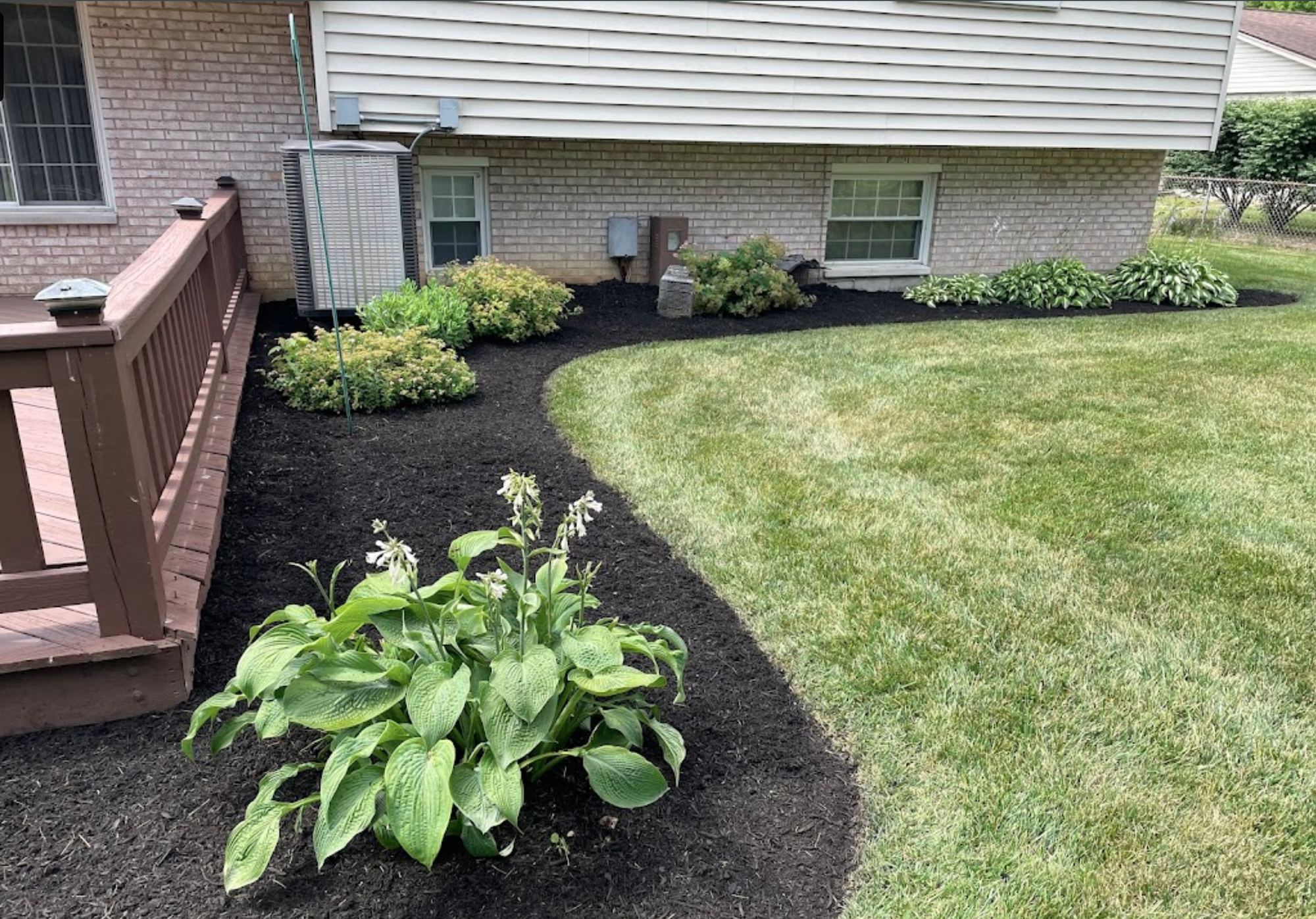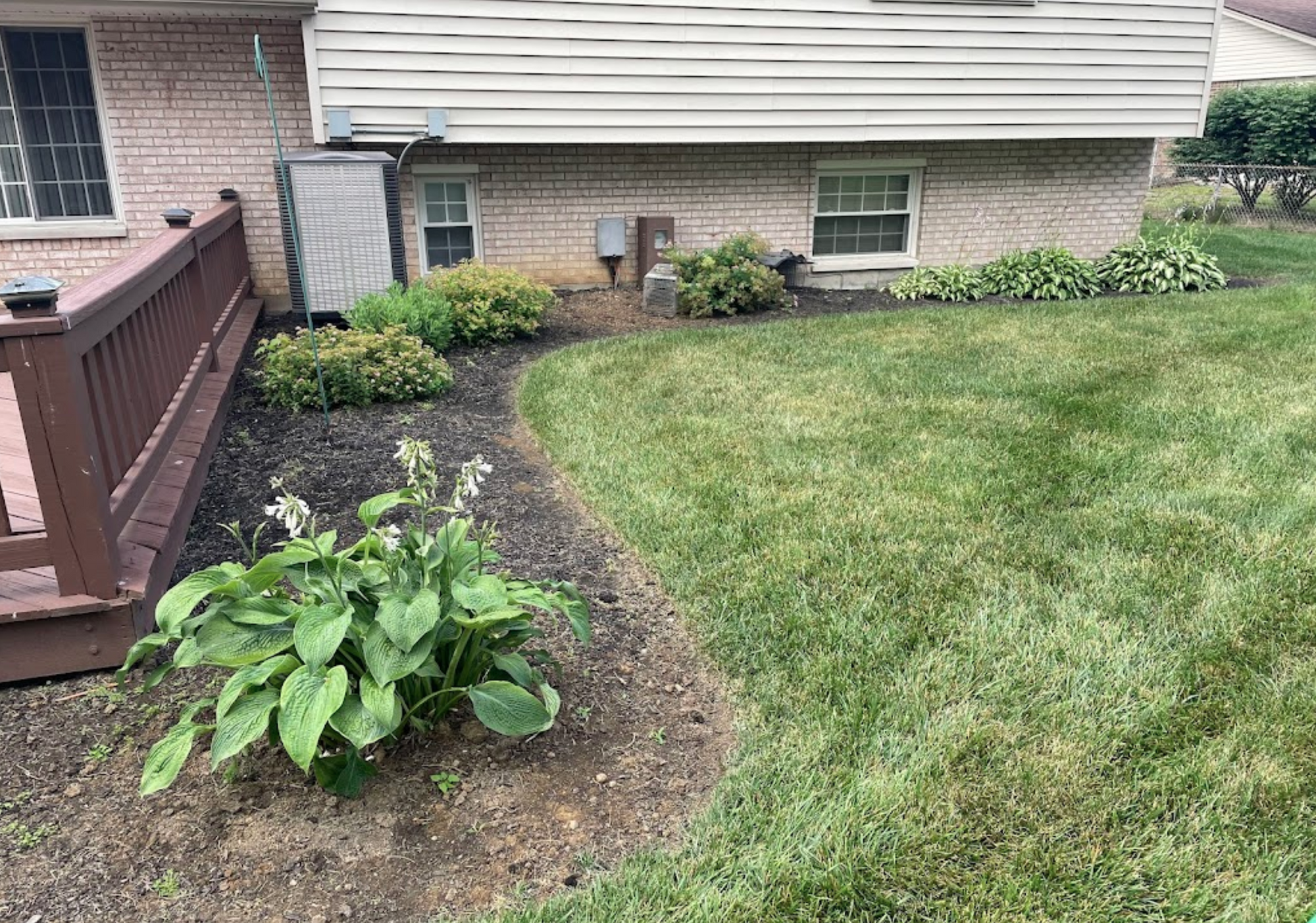

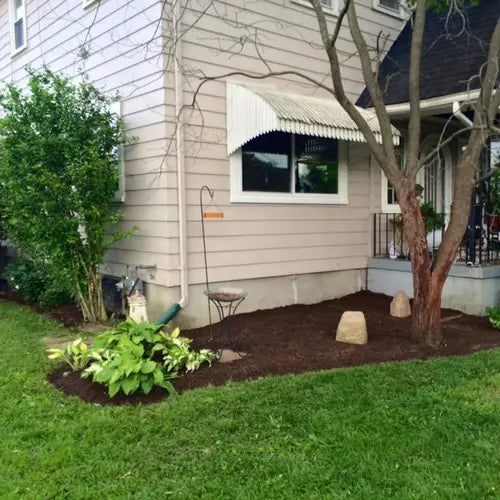










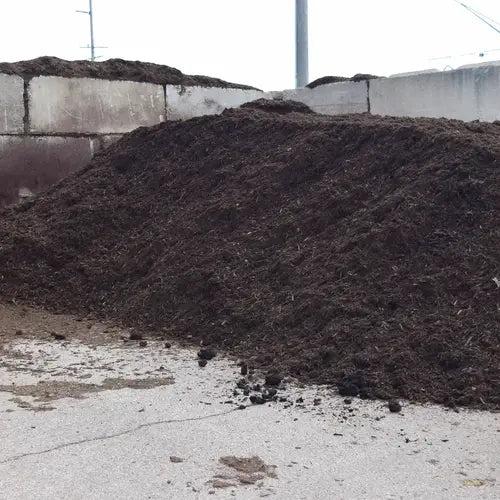



Delivery was smooth and on time! The triple shredded mulch was great quality and just what we were looking for.


Delivery was smooth and on time! The triple shredded mulch was great quality and just what we were looking for.
Thanks! We received your request.
Something went wrong. Please try again.
Couldn't load pickup availability
Delivery was smooth and on time! The triple shredded mulch was great quality and just what we were looking for.
For most Mastic ornamental beds, 3 inches of mulch is the standard recommendation to compensate for the fast drainage of sandy loam soil. Foundation beds and high-visibility areas may benefit from a full 4-inch application to maintain an even appearance through the summer heat.
Use our free mulch calculator
Thanks! We received your request.
Something went wrong. Please try again.

Getting started is easy — just follow these simple steps
Make sure you adjust the quantity to your home's needs. You can use our calculator to estimate how much you'll need.
Select a delivery date you'd like for the product to be dropped off at your home
Sit back, wait, and let us work our magic to make sure the highest quality product is delivered to your driveway.
Delivery was smooth and on time! The triple shredded mulch was great quality and just what we were looking for.
Great experience with mulch mound. Their online calculator made it easy to estimate how many yards of mulch I needed and delivery was quick. I woul...
Great experience with mulch mound. Their online calculator made it easy to estimate how many yards of mulch I needed and delivery was quick. I would definitely recommend them for your future projects.


We needed mulch for our HOA common areas. Local providers were all holding high prices even for 40 yards of mulch. Mulch mound was easy to wowith...
We needed mulch for our HOA common areas. Local providers were all holding high prices even for 40 yards of mulch. Mulch mound was easy to wowith & has great price for natural mulch + delivery schedule options. They called before delivery to ensure Delivery was exactly where we wanted it.


 +2
+2
For Mastic's Sandy Loam type of soil, we recommend 2-3 inches for best weed suppression and moisture retention
Try Our CalculatorTo estimate mulch in Mastic, measure the length and width of each bed in feet and multiply to get square footage, then divide by 100 to find the number of cubic yards needed at a 3-inch depth. Keep in mind that Mastic's sandy loam beds often have irregular shapes around established shrubs, so add about 10 percent to your total to account for gaps and uneven coverage. Ordering a little extra is always better than running short mid-project.
Most yards in the Mastic area sit on Sandy Loam type of soil. Mastic's sandy loam drains so freely that bare plant beds can lose surface moisture within a day or two of a rain event, leaving shallow-rooted plants stressed before the next storm arrives. Mulch creates a physical barrier that dramatically reduces evaporation loss and keeps the top few inches of soil from drying out completely between watering cycles or rainfall.
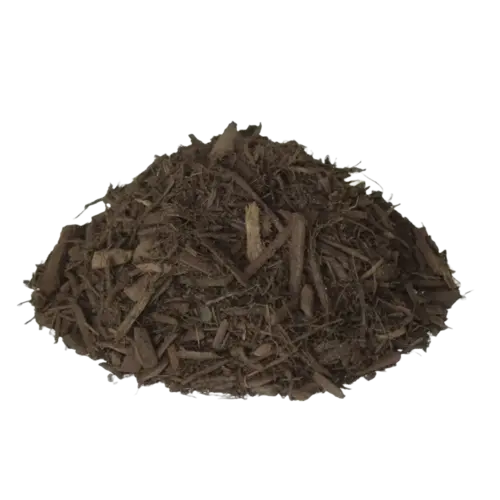
Hardwood Mulch
Hardwood mulch is a particularly good match for Mastic's sandy loam because as it breaks down it releases organic matter directly into the upper soil layer, gradually improving the soil's ability to hold both water and nutrients. Over several seasons of annual hardwood mulch applications, gardeners in Mastic often notice that their beds require less supplemental fertilizer and hold moisture noticeably longer than unmulched areas nearby.
If your Mastic beds are low in organic matter from years of sandy loam drainage, pairing mulch with a load of enriched garden soil before you mulch will give plant roots a stronger foundation. Adding a border of decorative stone between beds and lawn areas can also help contain mulch and reduce the amount that scatters onto your grass after heavy summer storms.
Mastic's sandy loam heats up fast in late spring, which can stress shallow-rooted annuals and perennials before they are fully established. Apply your first mulch layer right after the April 15 frost date to keep soil temperatures stable during the establishment period. This is especially important for newly planted beds where roots have not yet grown deep enough to access cooler, moister soil below the surface.
Hardwood mulch applied in fall before Mastic's November 15 first frost does double duty. It insulates perennial crowns from the freeze-thaw cycles common in Zone 7a winters, and it slowly breaks down over winter to add organic material to the sandy loam before spring planting. Pull it back slightly from plant crowns in early April to let soil warm evenly before growth resumes.
With 46 inches of annual rainfall spread across Mastic's growing season, erosion in sloped beds is a real concern. A coarser mulch like shredded bark or wood chips resists washing better than fine-textured products during heavy downpours. On slopes steeper than 10 percent, consider a 4-inch application and press the mulch lightly with the back of a rake after spreading to help it knit together before the next rain event.
Mastic's sandy loam soil drains quickly, which means plant beds lose surface moisture fast during dry summer stretches even with the area's 46 inches of annual rainfall. A thick layer of mulch acts as a buffer, slowing evaporation and keeping roots hydrated between rain events. The warm Zone 7a summers accelerate organic matter breakdown, so mulch applied in spring can thin out noticeably by late summer without a mid-season top-dress. Cooler temperatures arriving around the first frost in mid-November slow decomposition, which means fall applications tend to last longer into the following year. Weed pressure in Mastic's sandy, well-drained beds is consistent because seeds germinate easily in loose soil, making mulch coverage a practical defense rather than just a cosmetic choice.
Explore other options for landscape supply delivery in Mastic, New york