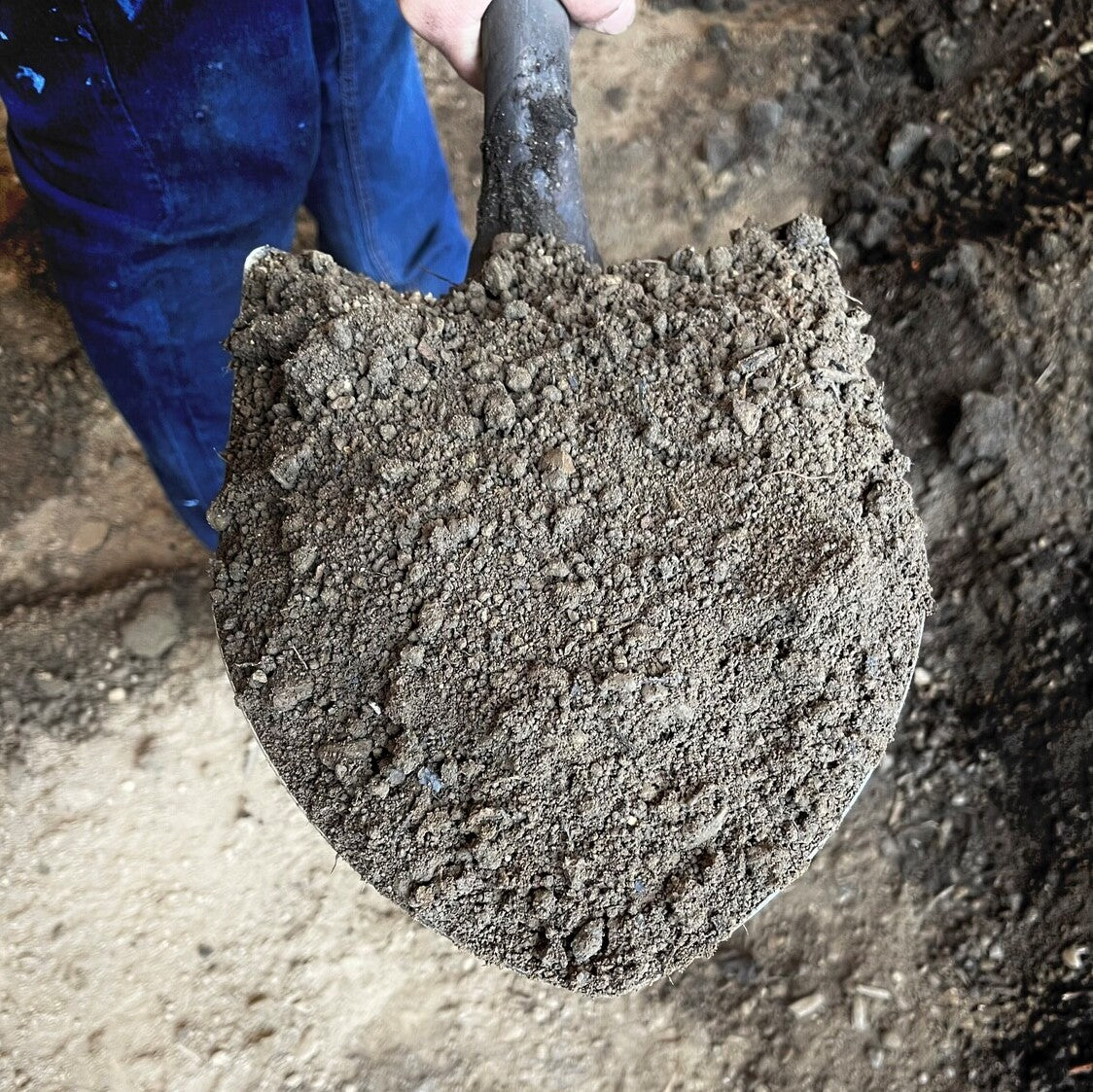
Quality topsoil for lawns, gardens, and landscape projects. Nutrient rich and ready to support strong root development and healthy plant establishment.
My experience with Mulch Mound was great and super easy. I ordered two yards of screened topsoil and was able to get it delivered within 2 days. They came in my requested time frame (afternoon) and dropped it off where I asked on my driveway. The topsoil was exactly what was a...
Tell us what you're looking for
Thanks! We received your request.
Something went wrong. Please try again.
How Much Material Do I Need?
For new garden beds in Mastic, plan on a minimum of 8 to 12 inches of quality soil to give roots room to develop above the fast-draining sandy loam layer below. Lawn leveling and topdressing applications typically need only 1 to 2 inches, spread and raked smooth before overseeding.
Use our free soil calculator
What is a yard?
A yard is approximately 27 cubic feet. As a general guideline, one yard of material can cover an area of about 100-160 square feet at a 2-3 inch depth.
We can't take orders for this right now. Tell us what you need and we'll get back to you.
What do you need?
Thanks! We received your request.
Something went wrong. Please try again.
Hand-picked local yards
4,000+ regional deliveries
Dedicated support
Why order through Mulch Mound
The best local soil, without the guesswork.
We hand-pick and partner with the best yards in your region, keep only the ones our buyers rate well, and back each load with our guarantee.
Mulch Mound Guarantee
If your soil isn't the quantity or quality you ordered, we'll make it right.
About this soil
Quality topsoil for lawns, gardens, and landscape projects. Nutrient rich and ready to support strong root development and healthy plant establishment.
My experience with Mulch Mound was great and super easy. I ordered two yards of screened topsoil and was able to get it delivered within 2 days. They came in my requested time frame (afternoon) and dropped it off where I asked on my driveway. The topsoil was exactly what was a...
How Much Material Do I Need?
For new garden beds in Mastic, plan on a minimum of 8 to 12 inches of quality soil to give roots room to develop above the fast-draining sandy loam layer below. Lawn leveling and topdressing applications typically need only 1 to 2 inches, spread and raked smooth before overseeding.
Use our free soil calculator
What is a yard?
A yard is approximately 27 cubic feet. As a general guideline, one yard of material can cover an area of about 100-160 square feet at a 2-3 inch depth.
My experience with Mulch Mound was great and super easy. I ordered two yards of screened topsoil and was able to get it delivered within 2 days. Th...
Read full review
My experience with Mulch Mound was great and super easy. I ordered two yards of screened topsoil and was able to get it delivered within 2 days. They came in my requested time frame (afternoon) and dropped it off where I asked on my driveway. The topsoil was exactly what was advertised, clean with no rocks or other debris. The price was reasonable. I plan to use them again in a couple weeks to order compost for my garden beds.
For soil orders in Mastic, measure your project area carefully in feet and decide on your target depth before calculating cubic yards. Sandy loam in Mastic tends to settle after the first few rain events, so add about 15 percent to your calculated quantity to account for compaction. A cubic yard covers roughly 100 square feet at a 3-inch depth, which is a useful rule of thumb for quick estimates.
Soil Types We Deliver in Mastic
When your lawn or garden needs a fresh foundation, bulk soil delivery by the yard in Mastic puts quality material right at your door. Long Island's naturally sandy ground benefits from rich, amended soils that support deeper root systems and hold moisture through warm summers. We deliver by the cubic yard so you get exactly what your project needs, from small raised beds to full lawn restorations.
Screened Top Soil
Our screened topsoil is a popular choice for lawn repairs, garden beds, and general grading across Long Island properties. The screening process removes debris and clumps, leaving a fine, workable texture that blends smoothly with existing ground. It is nutrient-rich and ready to support strong root development from the start.
Gardening Blend
The Gardening Blend combines topsoil and compost into a ready-to-plant mix that saves time on soil prep. It suits raised beds and new gardens where starting with fertile, well-balanced ground makes a real difference. Sandy soils common in this part of Long Island make a pre-blended mix especially useful.
Garden Compost
Garden Compost is a nutrient-rich organic amendment that improves sandy soils by building better structure and water retention. It works well mixed into existing beds or layered as a top dressing. Gardeners in this part of New York use it to boost fertility and support healthy plant growth season after season.
Complete Your Outdoor Soil Project
After filling your Mastic beds with quality soil, adding a 3-inch layer of mulch on top will protect all that new organic matter from baking away in the summer heat and washing off during heavy rain events. Stone edging or borders around new beds also helps contain soil and prevent it from migrating into lawn areas over time.
My Mastic yard has sandy loam everywhere. Do I really need to bring in soil for a vegetable garden?
Sandy loam is workable but it drains very fast and holds very little in the way of nutrients, which makes it a poor base for most vegetables without amendment. Tomatoes, peppers, squash, and leafy greens all need consistent moisture and a decent nutrient supply through Mastic's growing season. Bringing in a quality topsoil or garden blend to fill raised beds gives you immediate control over the growing environment without trying to correct the native soil across an entire area.
Answer
How much soil do I need to level a low area in my Mastic yard?
For minor lawn leveling in Mastic, a 1 to 2 inch topdress over the low area is usually enough to correct shallow depressions and re-establish grass. For more significant low spots that collect standing water after heavier storms, you may need 4 to 6 inches of fill soil before re-seeding or re-sodding. Measure the length, width, and average depth of the low area and use a cubic yard calculator to get an accurate quantity before you order.
Answer
What is the difference between topsoil and garden soil for a Mastic raised bed?
Topsoil is a general-purpose fill material that is good for grade work, leveling, and lawn areas. Garden soil is a richer blend formulated to support plant growth and typically includes compost or other organic amendments that improve water retention and nutrient availability. For Mastic raised beds where you want vegetables or perennials to thrive through the full growing season, garden soil is the better choice because it compensates for the low organic content of the surrounding sandy loam.
Answer
Can I use fill soil around my foundation without worrying about drainage near the house?
Grading soil away from the foundation is actually a best practice in Mastic because the flat terrain at low elevation means water can pool near structures if the grade is flat or angled inward. When adding soil around a foundation, slope it away from the house at roughly a 1-inch drop per foot for the first 6 feet. This directs Mastic's frequent spring and fall rain events away from the foundation rather than toward it.
Answer
When is the best time to add soil to a Mastic lawn for overseeding?
Late August through mid-September is the ideal window for topdressing and overseeding a Mastic lawn. The soil is still warm from summer but air temperatures are cooling, which creates ideal germination conditions for cool-season grasses. Doing the work before the November 15 frost date gives new seed at least 6 to 8 weeks to establish before winter. Spring applications after April 15 also work but face more weed competition as temperatures rise.
Answer
How do I know how many yards of soil to order for a new garden bed in my Mastic yard?
Measure your bed's length and width in feet, multiply them together, then multiply by the depth of soil you want in feet. Divide that number by 27 to convert cubic feet into cubic yards. For a standard Mastic raised bed that is 4 feet wide, 8 feet long, and 12 inches deep, you would need just under 1.2 cubic yards. Always round up slightly to account for settling, especially since sandy loam beneath the bed can compact and cause the fill level to drop over the first season.
Answer
Will delivered soil mix well with the sandy loam already in my yard?
Yes, and it is actually beneficial to blend the two at the transition zone rather than creating a sharp layer. When installing a new bed in Mastic, till the native sandy loam to a depth of a few inches before adding your new soil on top. This prevents a perched water table effect where water pools at the boundary between the two soil types, which can become a problem given how freely the native sandy loam drains beneath the new layer.
Mulch Mound Pro Tip
When building raised beds on Mastic's sandy loam base, consider placing a layer of cardboard or a few sheets of newspaper at the bottom of the bed before adding soil. This creates a temporary barrier that slows weed emergence from the native soil below and biodegrades within a season, adding a small amount of organic material as it breaks down. It is a low-cost step that pays off during the first summer when weed pressure is highest in new beds.
Mulch Mound Pro Tip
Mastic gets enough rainfall to support most lawns without irrigation, but uneven terrain means low spots can stay waterlogged after heavy storms while slightly elevated areas dry out fast. When leveling your yard with fill soil, work in small lifts of 2 to 3 inches at a time and check your grade after each rain before adding more. Adding too much soil at once can bury existing grass and create new drainage problems even while you are trying to fix old ones.
Mulch Mound Pro Tip
In Mastic's growing zone, soil temperature is just as important as air temperature for spring planting. Sandy loam warms up faster than clay, which is an advantage, but bare soil also cools down faster at night. After the April 15 last frost date, wait until your soil thermometer reads at least 60 degrees at a 2-inch depth before direct-seeding warm-season crops into new beds. This is typically a week or two after the frost date in Mastic depending on the season.
The Unique Landscape of Mastic
Mastic's native sandy loam is loose and free-draining, which means it sheds nutrients and water quickly and can leave vegetable gardens and lawn areas looking thin by midsummer. Bringing in quality topsoil or garden soil allows homeowners to build raised beds or fill low spots with material that holds nutrients and moisture far better than the native ground. The relatively flat terrain at 32 feet of elevation means poor grading decisions can lead to standing water or washouts during Mastic's heavier rain events, and quality fill soil is essential for correcting those drainage problems. With a growing season that runs from mid-April to mid-November, there is a long window where well-amended soil makes a measurable difference in plant performance. Whether you are establishing a new lawn, installing a garden bed, or leveling a low area near a foundation, the right soil delivered in bulk makes the job manageable without the back-and-forth of bagged material.