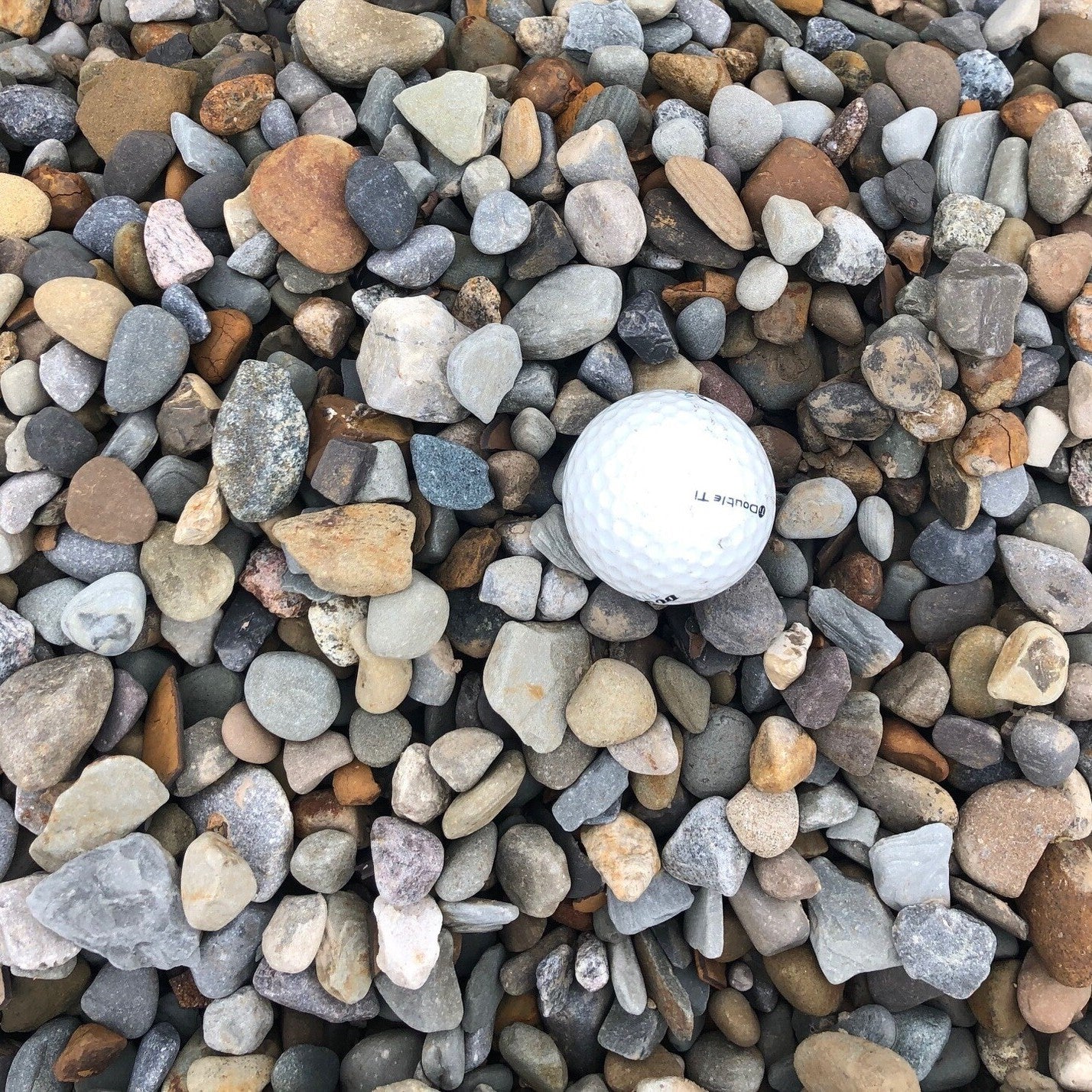
Number 57 crushed stone, angular limestone graded to about three quarters of an inch. The standard driveway, base and drainage gravel, it locks together under traffic and drains fast.
Mulch Mound delivered a yard of pea gravel to us. Delivery was on time, driver was friendly and hit a bullseye on the “tarp target”. We used the pea gravel (which was diameter as specified) to fill several muskrat holes around our pond. I would definitely recommend Mulch Mo...
Tell us what you're looking for
Thanks! We received your request.
Something went wrong. Please try again.
How Much Material Do I Need?
For decorative ground cover and pathway use in McAllen, a 2 to 3 inch depth provides solid coverage and weed suppression over the clay loam soil below. Drainage swales and dry creek beds typically need 4 to 6 inches of stone to function properly during the heavy rain events that move through the Rio Grande Valley.
Use our free gravel calculator
What is a yard?
A yard is approximately 27 cubic feet. As a general guideline, one yard of material can cover an area of about 100-160 square feet at a 2-3 inch depth.
We can't take orders for this right now. Tell us what you need and we'll get back to you.
What do you need?
Thanks! We received your request.
Something went wrong. Please try again.
Hand-picked local yards
4,000+ regional deliveries
Dedicated support
Why order through Mulch Mound
The best local stone, without the guesswork.
We hand-pick and partner with the best yards in your region, keep only the ones our buyers rate well, and back each load with our guarantee.
Mulch Mound Guarantee
If your stone isn't the quantity or quality you ordered, we'll make it right.
About this stone
Number 57 crushed stone, angular limestone graded to about three quarters of an inch. The standard driveway, base and drainage gravel, it locks together under traffic and drains fast.
Mulch Mound delivered a yard of pea gravel to us. Delivery was on time, driver was friendly and hit a bullseye on the “tarp target”. We used the pea gravel (which was diameter as specified) to fill several muskrat holes around our pond. I would definitely recommend Mulch Mo...
How Much Material Do I Need?
For decorative ground cover and pathway use in McAllen, a 2 to 3 inch depth provides solid coverage and weed suppression over the clay loam soil below. Drainage swales and dry creek beds typically need 4 to 6 inches of stone to function properly during the heavy rain events that move through the Rio Grande Valley.
Use our free gravel calculator
What is a yard?
A yard is approximately 27 cubic feet. As a general guideline, one yard of material can cover an area of about 100-160 square feet at a 2-3 inch depth.
Mulch Mound delivered a yard of pea gravel to us. Delivery was on time, driver was friendly and hit a bullseye on the “tarp target”. We used the ...
Read full review
Mulch Mound delivered a yard of pea gravel to us. Delivery was on time, driver was friendly and hit a bullseye on the “tarp target”. We used the pea gravel (which was diameter as specified) to fill several muskrat holes around our pond. I would definitely recommend Mulch Mound to a friend!
Measure the length and width of each stone area in feet and multiply them together to get the square footage. For ground cover and pathway applications in McAllen, a 2 to 3 inch depth is standard, so divide your square footage by 100 for a rough cubic yard estimate at that depth. Stone is heavier than it looks, so double-check your coverage calculations before ordering to avoid purchasing far more material than you can realistically move and spread.
Stone Types We Deliver in McAllen
Mulch Mound brings bulk stone straight to your door, making it easy to find quality bulk gravel by the yard in McAllen without the hassle of hauling it yourself. Whether you are refreshing a patio, improving drainage, or adding a polished look to your landscaping, we deliver by the cubic yard so you get exactly what your project needs. McAllen's warm climate and clay-heavy soils make the right stone choice especially important for both function and curb appeal.
Pea Gravel
Pea gravel's smooth, rounded edges and warm earth tones pair beautifully with the sun-baked landscaping styles common across McAllen yards. It drains well in areas prone to standing water, stays cool underfoot in shade gardens, and gives patios and walkways a clean, natural finish that holds up through the region's hot summers.
Complete Your Outdoor Stone Project
Pairing decorative stone with a fresh mulch application in your planting beds creates a polished, low-maintenance McAllen landscape that handles intense heat and limited rainfall gracefully. If you are also grading or building new beds, adding bulk soil to your order gives you everything you need to complete the full project in one delivery cycle.
Always install a landscape fabric barrier beneath decorative stone in McAllen. The clay loam soil below the gravel will eventually work its way up into the stone layer through a pumping process driven by the wetting and drying cycles that come with McAllen's rain pattern. A quality woven landscape fabric keeps the stone and soil layers separated, preserving the appearance of your gravel areas and preventing the muddy mixing that makes stone beds look neglected after a few seasons.
Mulch Mound Pro Tip
If you are using stone in an area that receives afternoon sun from the west, choose lighter-colored options like cream limestone, white quartz, or tan granite. In McAllen's climate, dark-colored stone in a west-facing area absorbs heat all afternoon and can raise the ambient temperature near patios and entries noticeably by early evening. Lighter stone reflects that solar energy upward and keeps the surrounding area far more comfortable for outdoor living through the long summer months.
Mulch Mound Pro Tip
Use stone strategically to manage the drainage challenges that McAllen's clay loam soil creates after heavy rainfall events. A 6-inch deep dry creek bed filled with river rock along the low edges of your yard can move a surprising amount of water during intense storms without requiring any ongoing maintenance whatsoever. Running the stone channel toward a street curb cut or existing drainage outlet gives storm water a clear path and prevents the pooling that damages foundations and drowns plant roots in the heavy soil.
The Unique Landscape of McAllen
Decorative and functional stone is one of the most practical landscape materials available to McAllen homeowners dealing with the region's limited rainfall, heavy clay loam soil, and intense sun. Stone surfaces and borders require no supplemental watering, hold up beautifully through McAllen's long hot summers, and do not break down the way organic materials do under constant heat and UV exposure. In a climate where water conservation is a real concern given only 22 annual inches of rainfall, replacing turf or bare soil areas with decorative gravel or crushed stone reduces irrigation needs and eliminates mowing entirely. Stone also plays an important drainage role by creating permeable pathways and swales that guide storm runoff away from foundations and planting areas during the intense rain events that McAllen receives throughout the year. Whether used for pathways, dry creek beds, foundation borders, or decorative ground cover, stone delivers a long-lasting, low-maintenance solution perfectly suited to Zone 10a landscapes.
Frequently Asked Questions
Click a question to see the answer
Answer
What size stone works best for a backyard pathway in McAllen?
For a comfortable walking surface in a McAllen backyard, crushed granite or pea gravel in the 3/8 to 3/4 inch size range works very well. These sizes pack down firmly enough to feel stable underfoot but still allow rainwater to filter through, which is important in McAllen's clay loam soil where surface drainage needs all the help it can get. Larger decorative river rock works better for accent areas and borders than for actual walkways.
Answer
Can stone help with the drainage problem I have along my fence line?
Stone is one of the most effective drainage tools available for McAllen yards. A dry creek bed or trench filled with river rock or crushed limestone along a fence line or low point in the yard gives storm water a permeable path to follow rather than pooling against structures. McAllen's intense rain events can drop a lot of water in a short period, and a properly designed stone drainage swale moves that water away before the slow-draining clay loam soil can back it up.
Answer
Will decorative gravel get too hot in the McAllen summer sun?
Light-colored stones like white marble chips, tan crushed granite, or buff-toned limestone reflect sunlight rather than absorbing it, keeping surface temperatures far more manageable. Dark river rock and black lava stone do absorb significant heat in McAllen's summer sun and can become very hot to the touch by mid-afternoon. For areas near patios or play spaces, lighter stone colors are the practical choice for comfort and for protecting nearby plant roots from radiant heat.
Answer
How much stone do I need to replace a small grass area with a gravel ground cover?
For a ground cover application in a McAllen yard, a 2 to 3 inch depth of decorative gravel is typically enough to cover the soil, suppress weeds, and give the area a finished look. At 2 inches deep, one cubic yard of stone covers approximately 160 square feet. Measure your area carefully and round up slightly since it is always easier to have a little extra material on site than to wait for a second delivery.
Answer
Does stone require any maintenance over time in South Texas?
Stone is one of the lowest-maintenance landscape materials you can install in McAllen. The main tasks over time are occasionally raking gravel areas back into place after heavy rains redistribute the surface, and removing leaf litter or debris that settles into the stone during McAllen's windy spring season. Light-colored stone may benefit from an occasional rinse to remove the fine dust that McAllen's dry periods deposit on outdoor surfaces.
Answer
Is stone or mulch better for foundation borders around my house?
Stone is generally preferred for foundation borders in McAllen for a few reasons. It does not decompose and compact against the foundation the way organic mulch eventually does, and it does not retain moisture directly against the structure the way saturated mulch can. With McAllen's intense sun and heat, stone borders also hold up year after year without needing to be refreshed. Many local homeowners use a 12 to 18 inch band of crushed granite or river rock immediately against the foundation, then transition to mulch in the broader planting beds beyond.
Answer
What is the best stone option for a low-water, low-maintenance front yard in McAllen?
Decomposed granite and crushed limestone are the two most popular low-maintenance ground cover choices in McAllen landscapes. Decomposed granite compacts into a firm surface that looks natural and neat while allowing rainwater to pass through freely. Crushed limestone has a lighter color that helps reflect summer heat, which is a real advantage in Zone 10a. Both options pair well with drought-tolerant native plantings and dramatically reduce the irrigation needs of a traditional grass front yard.
Answer
Is crush and run the same as crusher run?
Crush and run refers to crushed stone blended with fine dust that compacts tight for driveways and base layers, which matters little in McAllen's heavy clay soil that already resists drainage. Our Crushed Stone #57 has those fines washed out, so it drains freely instead of trapping water, making it the more practical choice for McAllen yards and beds.