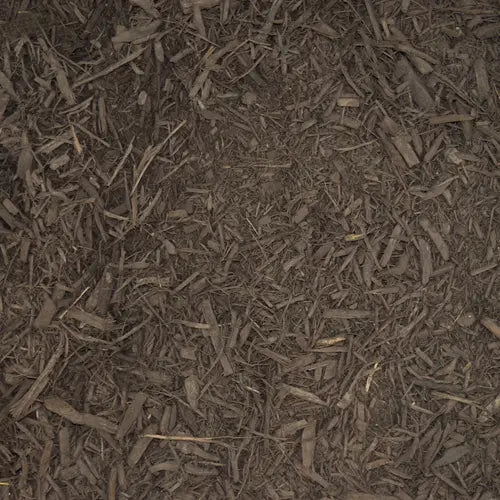
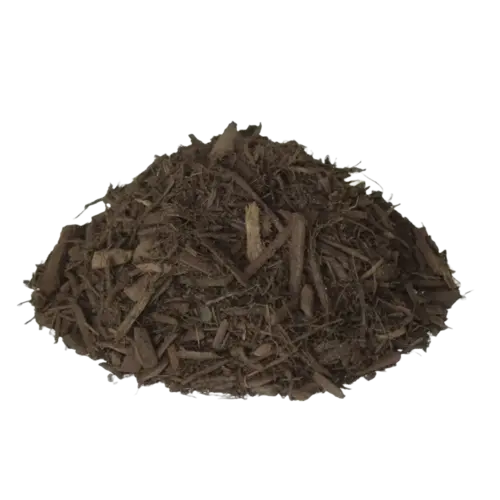
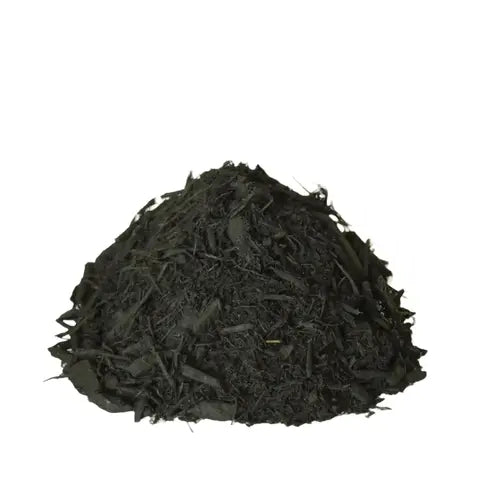
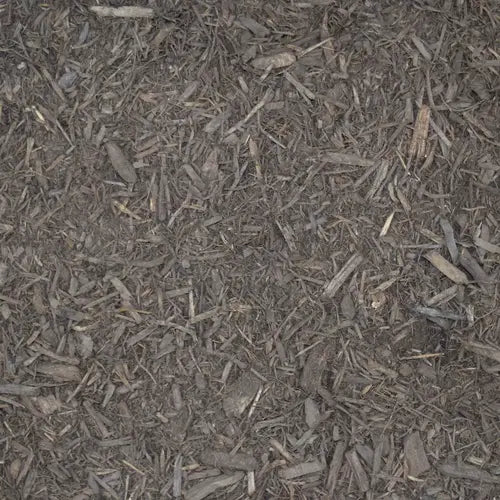
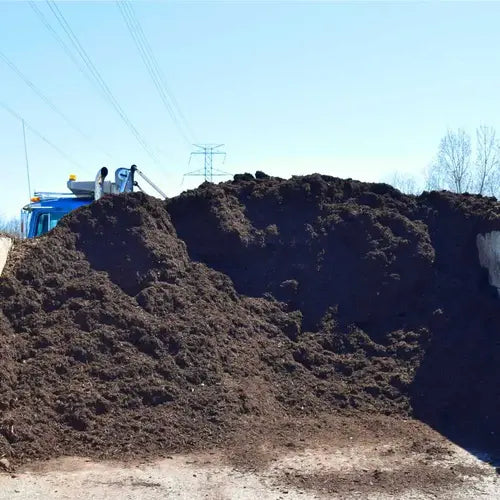
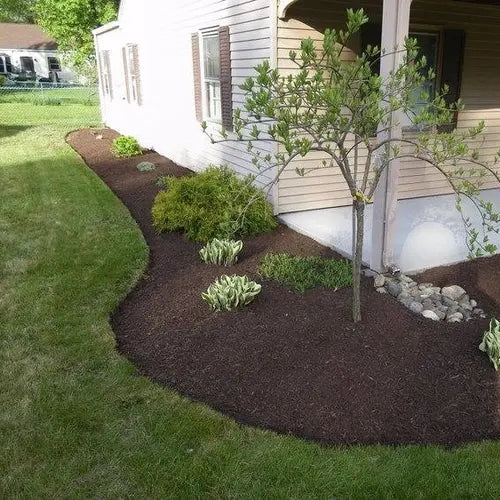
Warm brown double shredded mulch with lasting color that looks freshly applied for weeks. Spreads smooth, stays put, and gives beds a natural, polished appearance.
We had a great experience today. This was our first time using Mulch Mound, and I found the price competitive and the online ordering very easy. We are impressed with the quality of the mulch, too! It is covering well - a great value!
Warm brown double shredded mulch with lasting color that looks freshly applied for weeks. Spreads smooth, stays put, and gives beds a natural, polished appearance.
We had a great experience today. This was our first time using Mulch Mound, and I found the price competitive and the online ordering very easy. We are impressed with the quality of the mulch, too! It is covering well - a great value!
How Much Material Do I Need?
For Medford's clay soil, three inches of mulch is the recommended starting depth for most ornamental beds, providing meaningful insulation without trapping excessive moisture against slow-draining clay roots. Pathways and utility areas can go up to four inches for added weed suppression.
Use our free mulch calculator
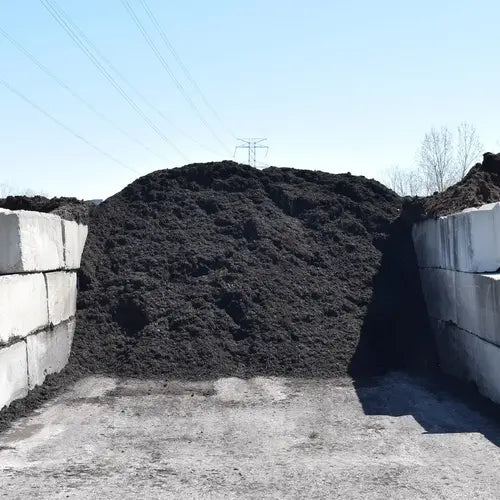
What is a yard?
A yard is approximately 27 cubic feet. As a general guideline, one yard of material can cover an area of about 100-160 square feet at a 2-3 inch depth.
We had a great experience today. This was our first time using Mulch Mound, and I found the price competitive and the online ordering very easy. ...
Read full review
We had a great experience today. This was our first time using Mulch Mound, and I found the price competitive and the online ordering very easy. We are impressed with the quality of the mulch, too! It is covering well - a great value!
Great experience with mulch mound. Their online calculator made it easy to estimate how many yards of mulch I needed and delivery was quick. I woul...
Read full review
Great experience with mulch mound. Their online calculator made it easy to estimate how many yards of mulch I needed and delivery was quick. I would definitely recommend them for your future projects.
Measure each bed's length and width in feet, multiply to get square footage, and then divide by 100 to estimate cubic yards at a three-inch depth. Medford clay beds often have subtle low spots from seasonal heaving, so adding ten percent to your total helps ensure even coverage. Our team can help you confirm your estimate before your delivery is scheduled.
Mulch vs. No Mulch: The Difference
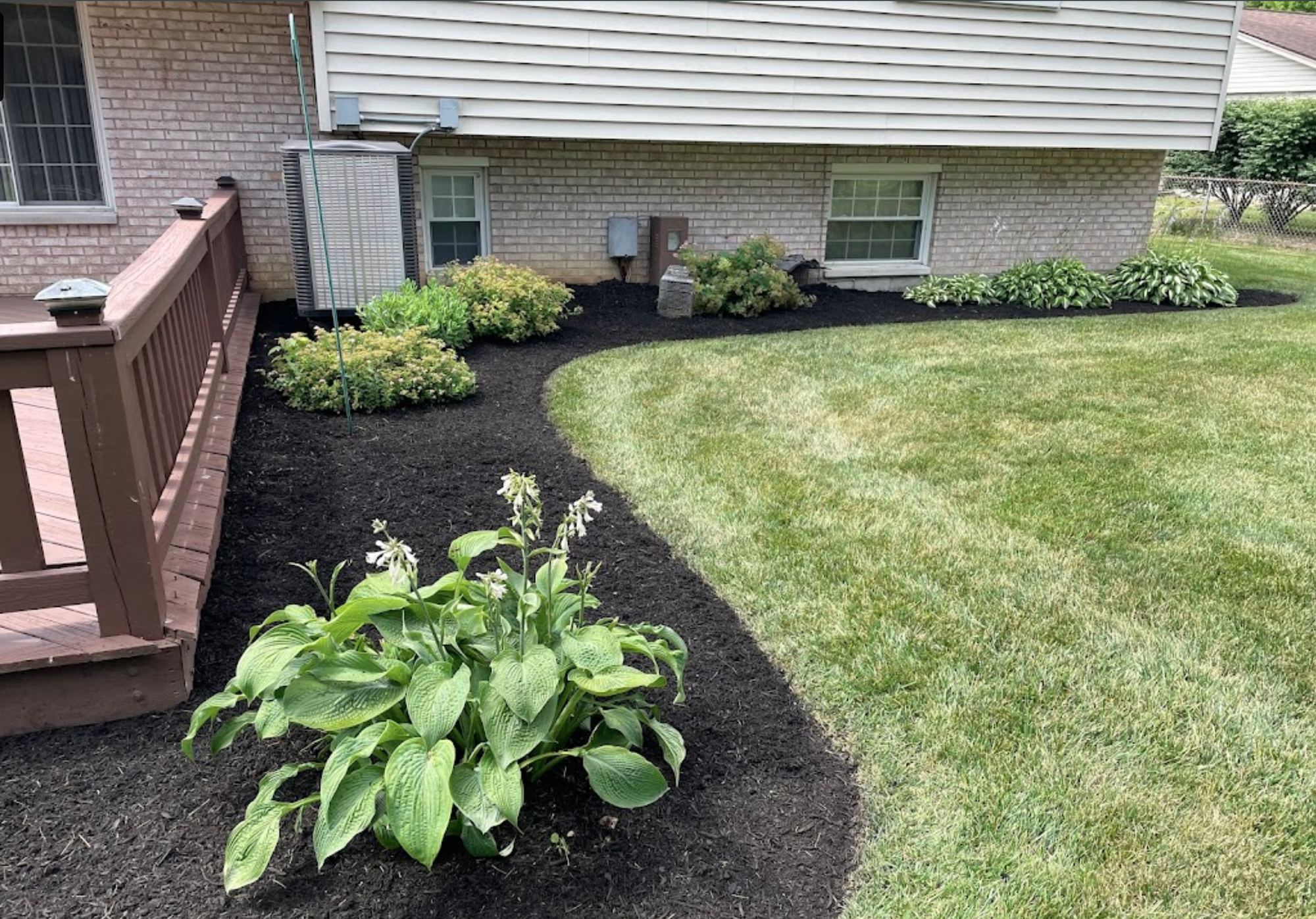
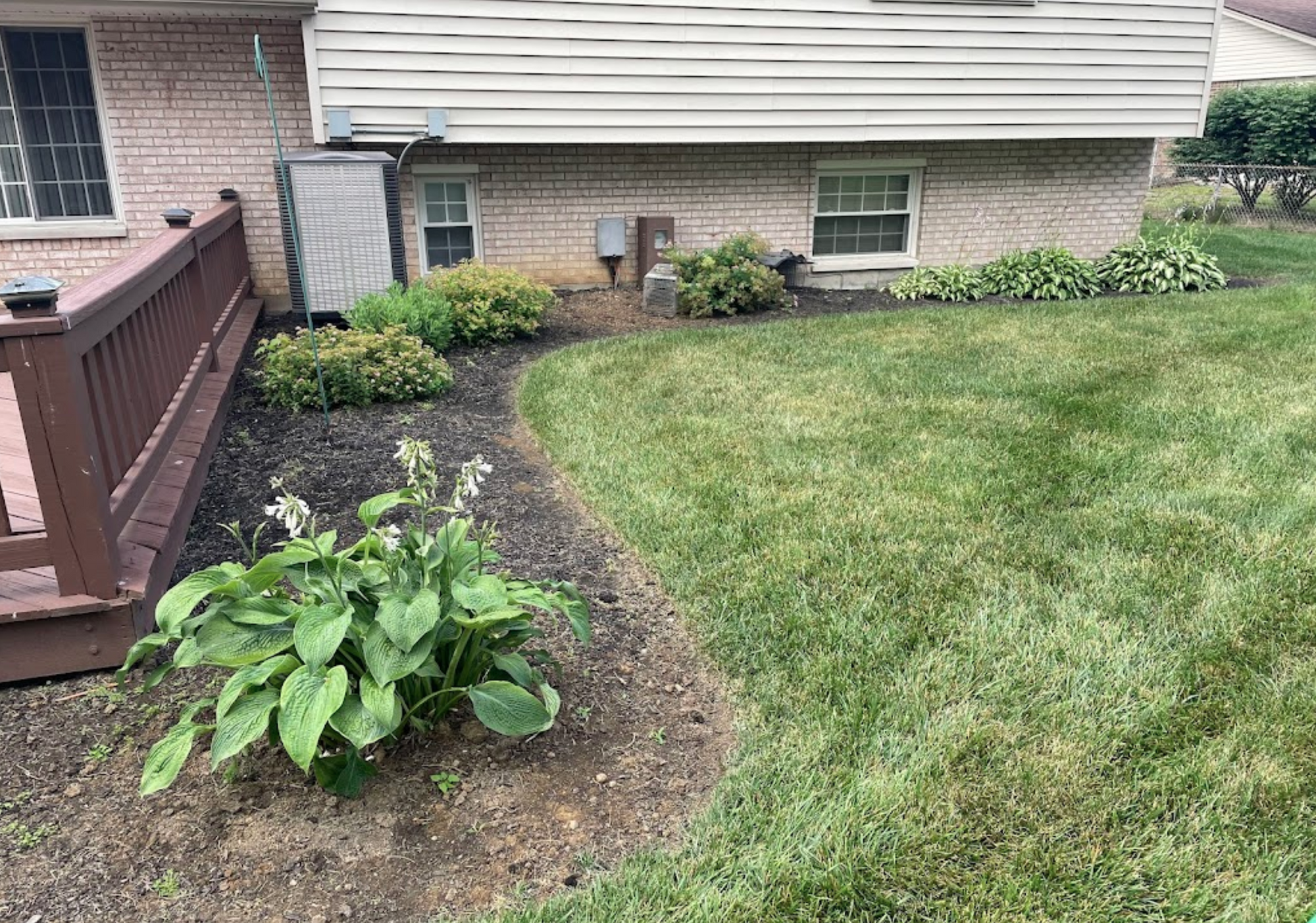
Medford's combination of intense summer sun and clay soil creates different decomposition rates than you might find in wetter Pacific Northwest climates. Natural hardwood and bark mulches break down steadily, adding organic matter that clay soils desperately need, while dyed mulches decompose more slowly and hold their color better through the first half of summer. For beds where soil improvement is a priority over aesthetics, natural mulch is the stronger long-term choice in Medford.
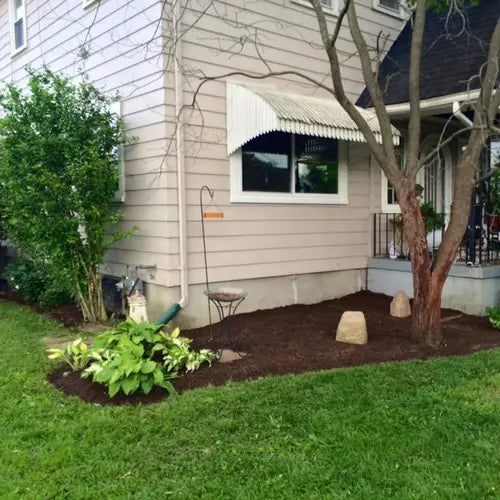
Before
After
Best Mulch Choice for Medford Lawns
Most yards in the Medford area sit on Clay type of soil. Medford's clay soil compacts easily, leaving plant roots starved for oxygen and struggling to establish during the dry summer months. Adding a quality mulch layer slows the evaporation cycle that pulls moisture out of already tight clay, giving roots more time to grow before the dry season arrives.
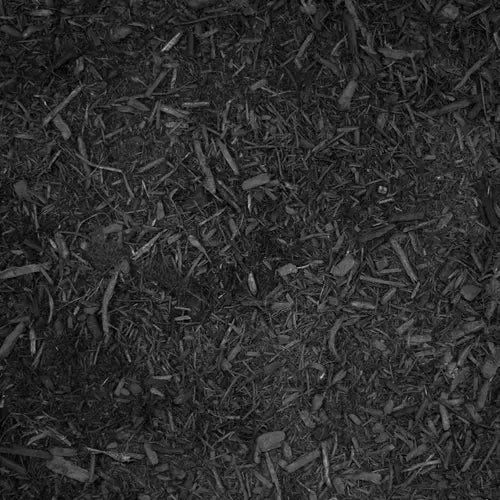
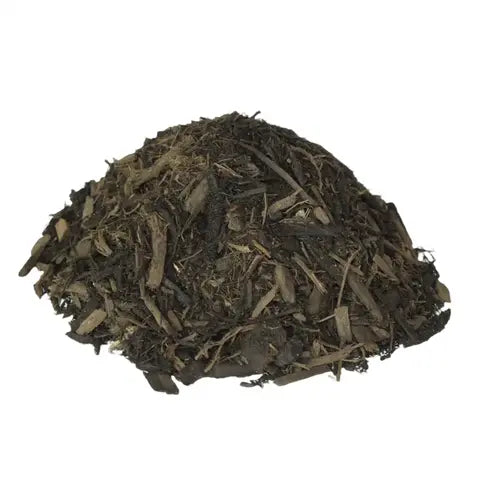
Hardwood Mulch
Hardwood mulch is particularly valuable in Medford clay beds because it breaks down into humus that physically separates clay particles over time, gradually improving drainage and aeration. Each season's decomposed layer works its way into the top few inches of clay, creating a more workable growing medium that holds nutrients and moisture far more effectively than raw clay alone.
Complete Your Outdoor Mulch Project
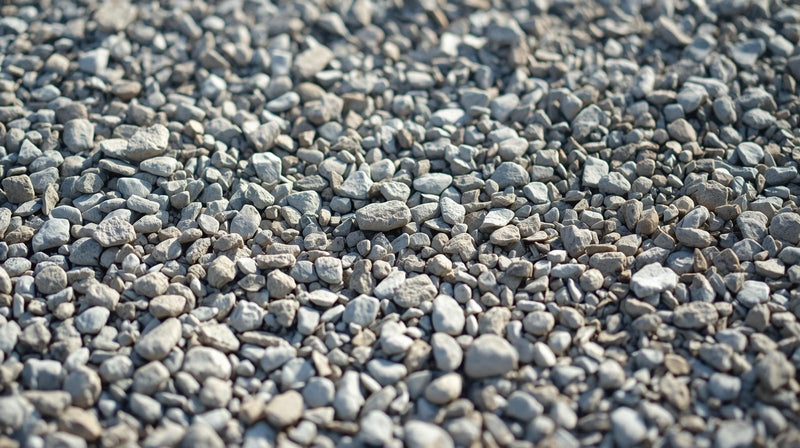
If your beds need a nutritional boost before mulching, pair your order with a delivery of our premium garden soil to improve the clay structure first. Our crushed stone options also complement mulched beds beautifully as border edging or pathway material throughout your Medford landscape.
Medford's clay soil tends to form a compacted layer just two to three inches below the surface, sometimes called hardpan, that blocks drainage. Before spreading mulch in spring, use a garden fork to aerate your beds to a depth of six inches. Breaking up that clay layer allows mulch-generated moisture to actually reach the root zone rather than pooling at the surface and running off toward the street.
Mulch Mound Pro Tip
Because the first frost in Medford typically arrives around October 23, timing a late-season mulch application in early October gives you a protective head start. Apply a fresh two-inch layer on top of any existing mulch before temperatures drop consistently. This captures residual soil warmth from the long Medford summer and keeps perennial root zones from experiencing the hard freeze cycles that damage tender crowns through November and December.
Mulch Mound Pro Tip
With only 19 inches of annual rainfall spread mostly across winter and early spring, your mulch layer does most of its critical work during the dry season. Check your mulch depth in late June each year, as decomposition and wind displacement can reduce coverage to under two inches by midsummer. Topping off to three inches in early summer is one of the most cost-effective ways to cut irrigation bills through August and into September in the Rogue Valley.
Frequently Asked Questions
Click a question to see the answer
Answer
How deep should I spread mulch over Medford's clay soil?
Three inches is the sweet spot for most Medford beds. Medford clay drains slowly, so going deeper than four inches can trap excess moisture against root crowns during our wet winters, which run from roughly November through March. A three-inch layer still insulates roots from October frost while letting oxygen reach the tight clay beneath.
Answer
Will mulch help my plants survive the summer heat at this elevation?
Absolutely. Medford sits at 1,384 feet, which means soil temperatures can swing dramatically between cool nights and scorching July afternoons. A layer of mulch acts as a thermal buffer, keeping root zones several degrees cooler than bare clay during peak heat. This reduces transplant stress and keeps moisture from evaporating before it can soak through the dense clay layer.
Answer
Does the 19 inches of annual rainfall in Medford make mulch less necessary?
Not at all. Most of that 19 inches falls between November and April, leaving a long dry stretch from late spring through early fall. By the time the last frost passes on April 15, the soil begins drying quickly, and without mulch, Medford clay forms a hard surface crust that repels rather than absorbs water. Mulch bridges that gap, holding the winter moisture in the ground where plants can use it through summer.
Answer
When is the best time of year to mulch in Medford?
Late April through mid-May is ideal for most Medford homeowners. After the last frost around April 15, soil temperatures are rising and you want to lock in that warmth and the remaining winter moisture before summer drying begins. A fall application in early October, just before the first frost around October 23, is a good second opportunity to protect perennial roots through winter.
Answer
Will dyed mulch fade faster in Medford's intense summer sun?
Yes, the high-desert intensity of Medford summers, amplified by elevation, can fade dyed mulch more quickly than you might expect. South-facing beds and open areas with no tree canopy typically see noticeable fading by mid-July. If color longevity matters to you, choose a premium dyed product with a UV-stable colorant, or consider natural bark options that age to a consistent silver-gray that many Rogue Valley homeowners find attractive.
Answer
Can I use wood chip mulch around my fruit trees here in Medford?
Yes, and it is especially effective around the fruit trees common in the Rogue Valley. Keep chips pulled back six inches from the trunk to prevent rot, then spread a four-inch ring out to the drip line. The decomposing wood chips will slowly improve the clay texture beneath, adding organic matter that loosens the compacted structure Medford clay is known for. This is a long-term investment in soil health as much as a short-term moisture solution.
Answer
How much mulch do I need for a typical Medford front yard bed?
Measure the length and width of each bed in feet, multiply them together, and divide by 100. That gives you the cubic yards needed for a three-inch depth. A common Medford front yard bed running 20 feet by 5 feet would need about one cubic yard. Ordering slightly more than your calculation is wise because Medford clay beds often have uneven low spots from seasonal heaving that take extra material to cover properly.
The Unique Landscape of Medford
Medford's clay-heavy soil creates drainage problems that stress plant roots, especially during the wet winter months when the valley floor stays saturated. A consistent mulch layer slows runoff, moderates the wide temperature swings that come with Medford's 1,384-foot elevation, and helps roots survive frost events that can arrive as early as October 23. With only 19 inches of annual rainfall, the dry Rogue Valley summers demand that every drop of moisture be conserved at the soil surface. Mulch reduces evaporation dramatically during the long stretches of July and August heat, keeping beds productive without constant irrigation. Because Medford clay tends to bake into a hard crust in summer and compact further under rain in winter, mulch acts as a protective buffer that keeps the soil workable season after season.




 +1
+1