About this soil

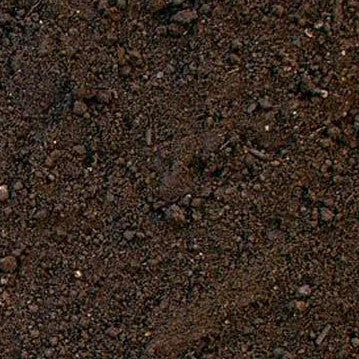
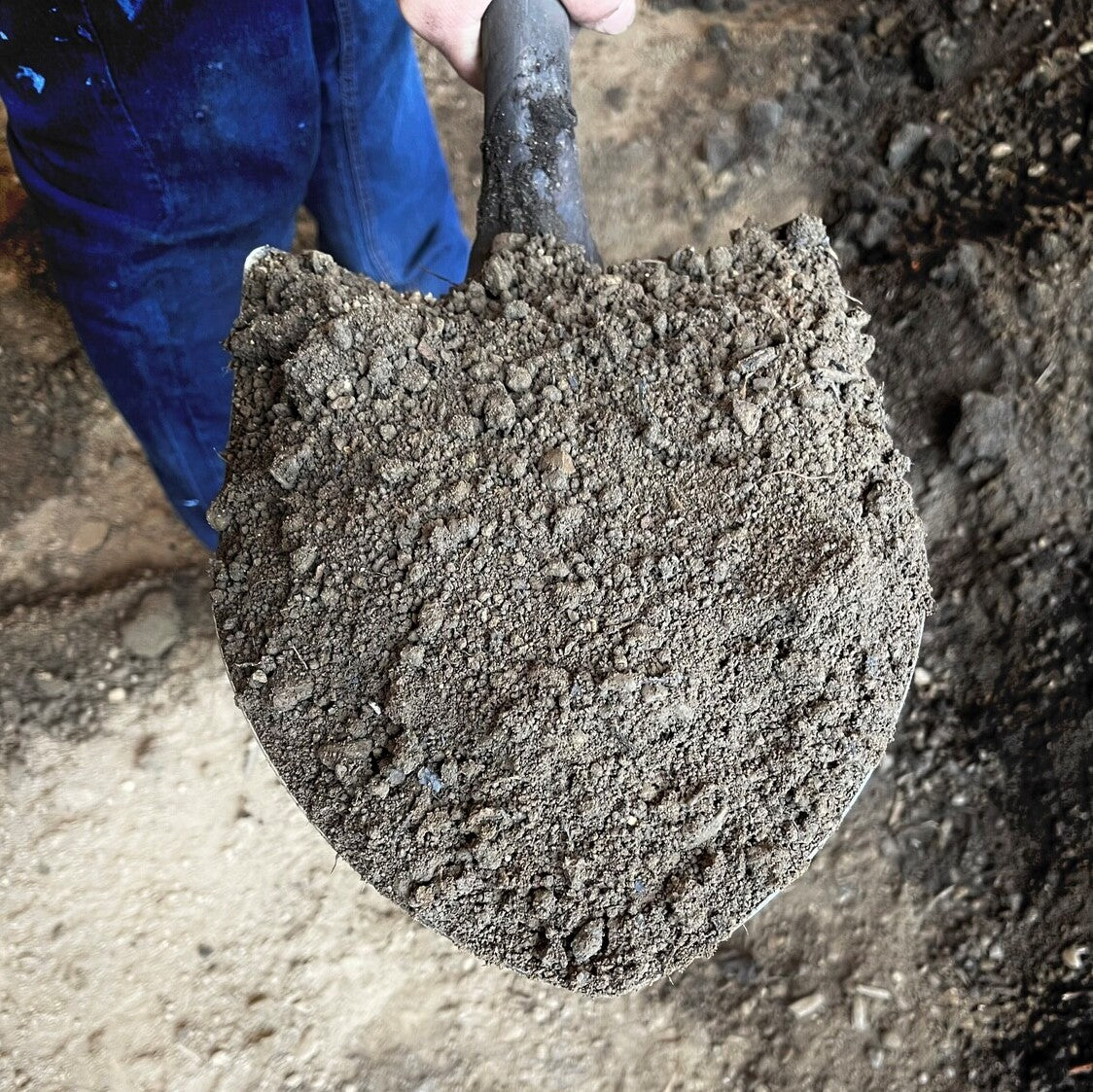
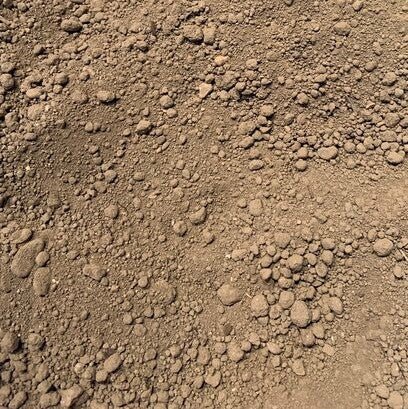
Quality topsoil for lawns, gardens, and landscape projects. Nutrient rich and ready to support strong root development and healthy plant establishment.

I got 3 yards of dirt to create a garden bed on the side of my house and to help fill my new raised garden beds. We had enough dirt to do all of this and fill some holes in the yard! Thanks 😃

Medford Soil Delivery

Medford Soil Delivery

4.7
137 reviews
Regular price $55.00 per yard
Regular price Sale price $55.00
Sale Sold out
Type
Style
Minimum of 3
1 tree planted for every order

About this soil

Quality topsoil for lawns, gardens, and landscape projects. Nutrient rich and ready to support strong root development and healthy plant establishment.

I got 3 yards of dirt to create a garden bed on the side of my house and to help fill my new raised garden beds. We had enough dirt to do all of this and fill some holes in the yard! Thanks 😃

For garden beds in Medford's clay-heavy landscape, a minimum of six inches of imported soil gives roots enough loose growing medium to establish before hitting native clay. Raised beds benefit from twelve inches or more, which also provides a buffer against the clay hardpan that sits close to the surface in many Rogue Valley yards.
Use our free soil calculator

A yard is approximately 27 cubic feet. As a general guideline, one yard of material can cover an area of about 100-160 square feet at a 2-3 inch depth.

View full details

How It Works

Getting started is easy — just follow these simple steps

1

Choose your soil

Make sure you adjust the quantity to your home's needs. You can use our calculator to estimate how much you'll need.

2

Select your delivery date

Select a delivery date you'd like for the product to be dropped off at your home

3

Sit back and wait

Sit back, wait, and let us work our magic to make sure the highest quality product is delivered to your driveway.

What Medford Customers Like About Our Soil

4.7
out of 5 based on 137 reviews
Google Reviews

Need Help Calculating How Much Soil You Need?

Use our NEW Trace from Satellite tool to get an estimate for your project based on an aerial view of your property

Try Our Calculator
📍

Measure your project area in feet and multiply length by width, then decide on your intended depth in inches and divide the total cubic feet by 27 to reach cubic yards. Medford raised beds and lawn-leveling projects almost always need more material than the initial estimate suggests because clay subgrade is rarely perfectly flat. Adding a ten percent cushion to your order is a reliable practice that saves a second delivery trip.

Complete Your Outdoor Soil Project

Top your fresh soil with a layer of our premium mulch to lock in moisture through the long Medford dry season and prevent the surface from crusting over. If your project includes pathways or borders, our stone products pair cleanly with soil-built beds and add lasting structure to the overall landscape design.

Map of Medford, Oregon

Areas We Deliver Soil in Medford, Oregon

No cities found for this region.

See All Locations

Frequently Asked Questions

Click a question to see the answer

Answer

Can I use bulk topsoil to fix the drainage problems in my Medford clay yard?

Bulk topsoil can help, but the key is blending it into the existing clay rather than layering it on top. A floating layer of topsoil over Medford clay creates a perched water table where roots drown because water pools at the boundary between the two soil types. Till new topsoil six to eight inches deep to mix it with the native clay, which improves drainage through the entire root zone rather than just at the surface.

Answer

How much soil do I need to build a raised vegetable bed in my Medford backyard?

A standard four-by-eight raised bed filled to twelve inches deep requires about 1.2 cubic yards of soil mix. Medford gardeners often build beds to twelve or even sixteen inches because the deep soil volume protects vegetable roots from the clay hardpan below and extends the productive season on both ends of the frost window. Calculating all of your beds before ordering helps you take advantage of a single delivery rather than multiple smaller orders.

Answer

Is Medford's native clay soil ever usable, or should I always bring in fresh soil?

Native Medford clay is actually mineral-rich, but its structure is the problem rather than its chemistry. With enough organic matter added over two to three seasons, clay can become productive garden soil. For immediate results, especially for vegetable beds or new lawns that need to perform this growing season, imported topsoil or garden mix is the faster solution. Many Medford gardeners use a combination, amending clay beds with delivered soil and compost to rebuild structure year by year.

Answer

What is the best soil mix for starting a lawn from seed in the Rogue Valley?

A sandy loam topsoil screened to a fine texture works well for seeding new Medford lawns. Spread two to three inches over graded clay, rake it to a smooth seedbed, and seed just before the fall rains begin in October. Fall seeding takes advantage of Medford's natural rainfall window and avoids the brutal summer dry period that stresses new grass. The soil layer gives young roots something loose and nutrient-rich to establish in before they have to push into the tight clay below.

Answer

Will the soil I order drain better than what I already have in my Medford yard?

Yes. Our topsoil and garden mixes are screened and blended to have far better structure than raw Medford clay. Clay soil in the Rogue Valley typically has a drainage rate well under half an inch per hour, which is too slow for most vegetables and ornamentals. A quality loam or garden blend drains at one to two inches per hour, which keeps roots oxygenated during the wet season while still retaining enough moisture to carry plants through dry spells between summer irrigation cycles.

Answer

How do I use bulk soil to level a bumpy lawn in Medford?

Top-dressing is the right approach for minor lawn leveling. Spread no more than half an inch of fine topsoil over low spots, brush it into the existing grass with a drag mat or stiff rake, and water it in well. Medford clay underneath tends to heave slightly during winter freeze and thaw cycles, so leveling is often best done in late spring after the last frost has passed around April 15 and the soil has settled. Repeating the process over two or three seasons produces a level result that does not smother the turf.

Answer

Can I use fill dirt to build up grade near my Medford home's foundation?

Fill dirt works well for grading projects near foundations, but it needs to slope away from the structure at a rate of at least six inches of drop over the first ten feet. Medford homes built on clay lots often see water pooling against foundations in winter because the clay does not drain fast enough. Bringing in clean fill and grading it properly redirects that water away before it saturates the foundation soil. Always top the fill with topsoil or mulch to reduce erosion from the heavy storms the Rogue Valley sees from November through February.

Mulch Mound Pro Tip

Medford's clay soil becomes nearly impossible to work when it is either bone dry or completely saturated. Before you till in new topsoil, aim for a moisture level where a handful of native clay holds its shape when squeezed but crumbles when you press it with your thumb. This window typically falls in late April after spring rains taper but before summer drying sets in, making it the prime time to do major soil prep in the Rogue Valley.

Mulch Mound Pro Tip

When building raised beds in Medford, line the bottom of each bed with cardboard before adding soil. The cardboard suppresses the persistent weeds that thrive in Rogue Valley clay, breaks down within a season, and creates a temporary barrier that encourages roots to establish in your quality soil mix before they reach the native clay below. By the time the cardboard decomposes, roots are strong enough to push through on their own terms.

Mulch Mound Pro Tip

Because Medford gets most of its 19 inches of annual rainfall between November and March, freshly graded soil areas are vulnerable to erosion during winter storms. After completing any grading project in fall, immediately seed the area with a fast-germinating cover crop like annual rye or spread a layer of straw mulch. This temporary cover holds your new soil in place through the rainy season and adds organic matter when it decomposes the following spring.

The Unique Landscape of Medford

Medford's native clay soil presents real challenges for homeowners trying to establish garden beds, lawns, or raised planting areas. Clay holds water during wet winters but bakes rock hard through the long dry summers, leaving roots in a cycle of waterlogging and drought stress. Imported premium soil gives you a starting medium that drains properly, holds nutrients, and supports root development from the moment you plant. Grading with quality fill soil also helps correct the drainage problems that Medford's relatively flat valley floor creates near foundation areas and low spots. At 1,384 feet elevation, the growing season is shorter than in the lowlands, so giving plants the best possible soil environment from day one helps maximize the window between the last frost on April 15 and the first frost around October 23.
