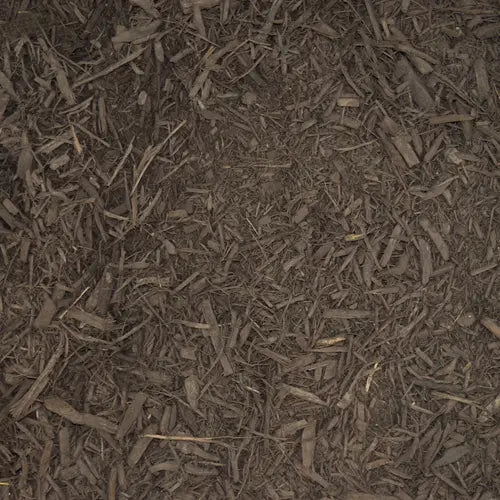
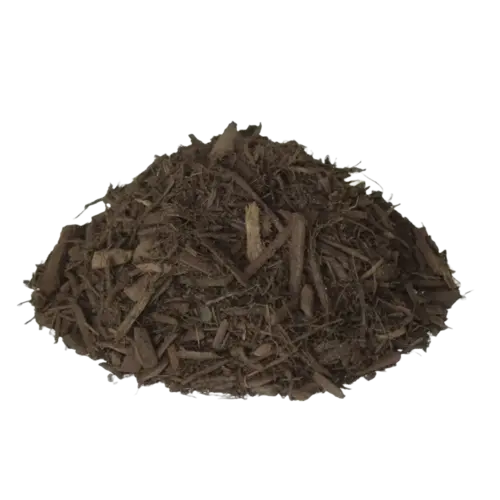
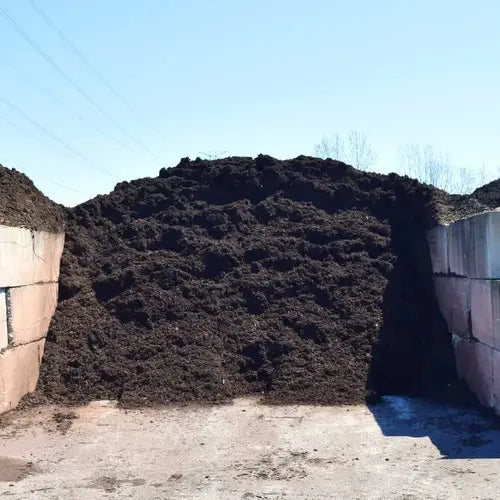
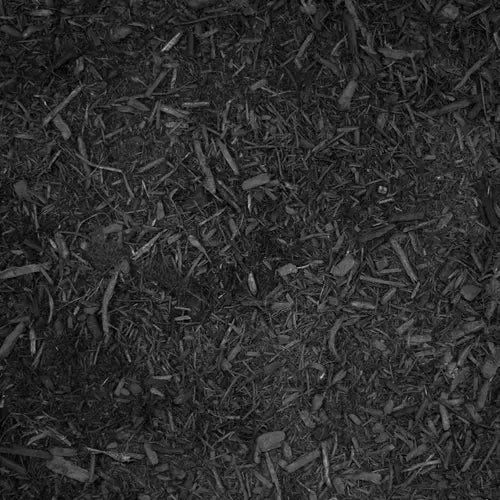
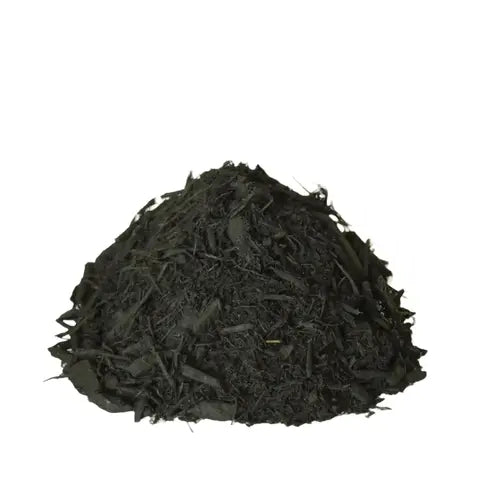
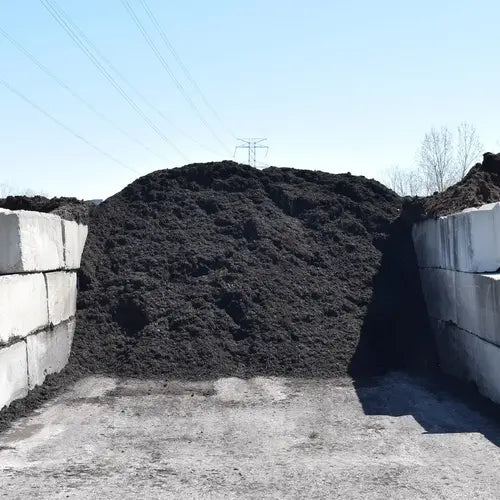
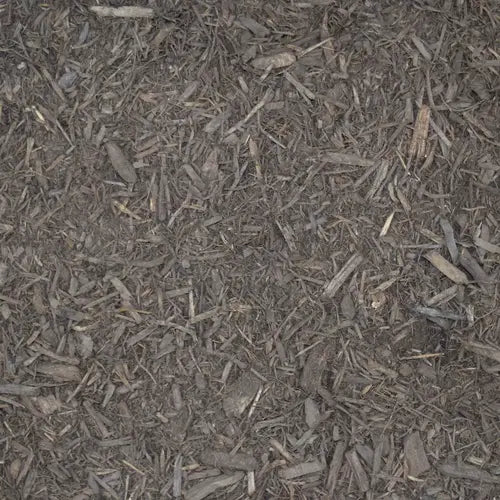
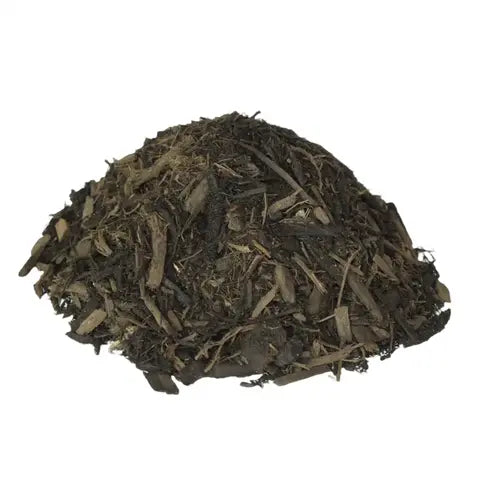
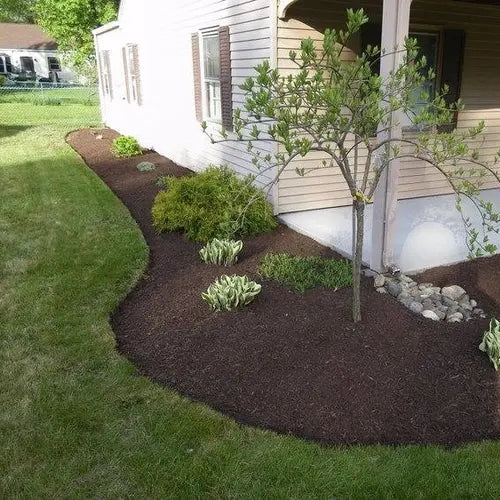
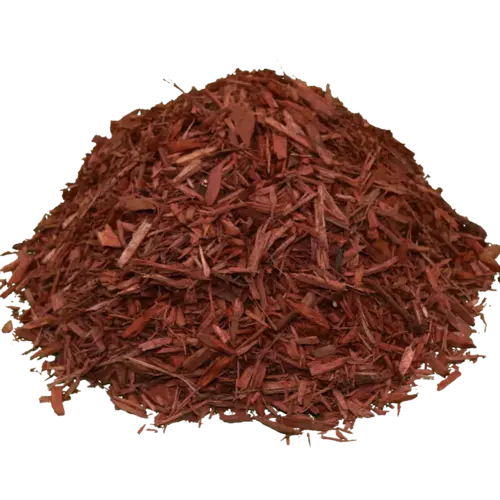
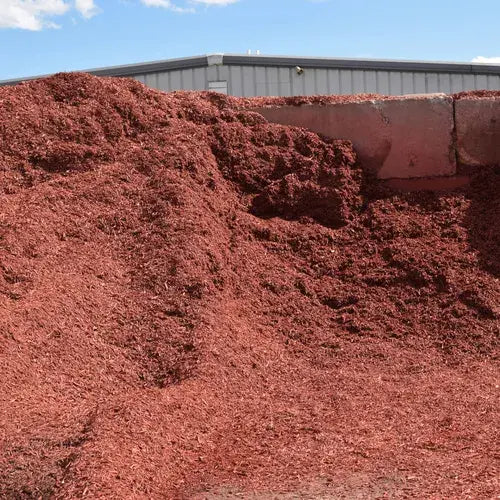
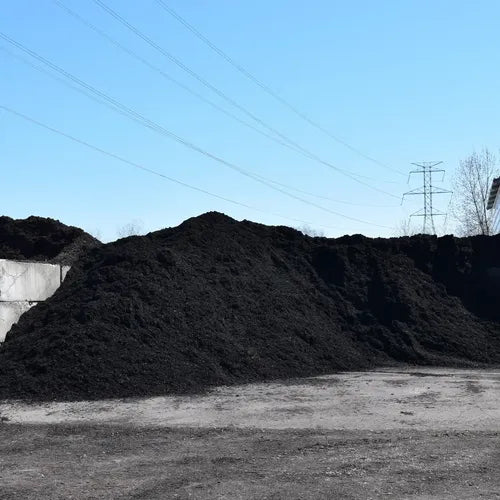
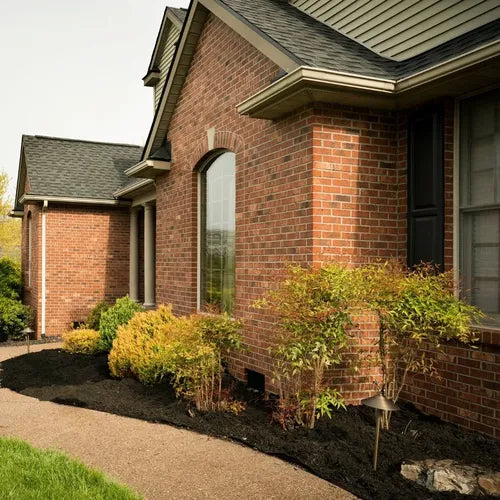
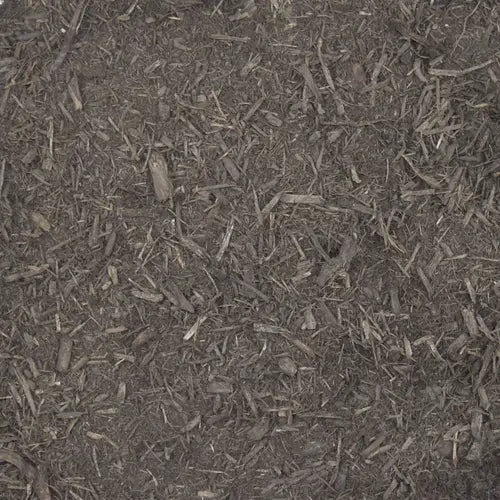
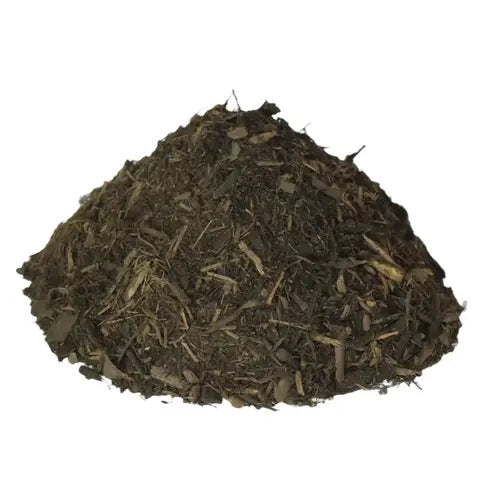
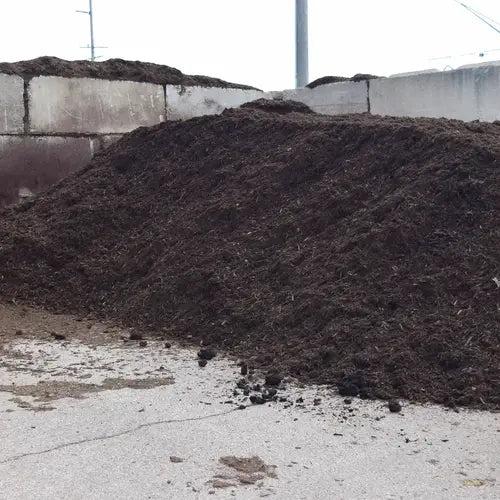
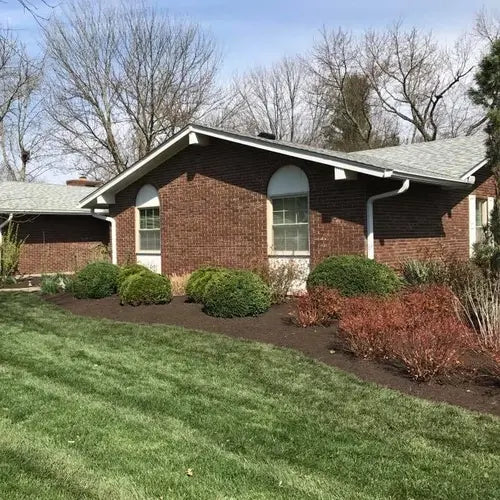
Warm brown double shredded mulch with lasting color that looks freshly applied for weeks. Spreads smooth, stays put, and gives beds a natural, polished appearance.
UPDATE!
I can’t say enough good things about Mulch Mound! If you read my review below you will see I had a problem with my order. Mulch Mound was quick to respond and solved the issue with my delivery. Will definitely be a customer next year.
First time purchase from Mulch ...
Warm brown double shredded mulch with lasting color that looks freshly applied for weeks. Spreads smooth, stays put, and gives beds a natural, polished appearance.
UPDATE!
I can’t say enough good things about Mulch Mound! If you read my review below you will see I had a problem with my order. Mulch Mound was quick to respond and solved the issue with my delivery. Will definitely be a customer next year.
First time purchase from Mulch ...
How Much Material Do I Need?
For most Mount Sinai beds with sandy loam soil, 3 inches of mulch is the effective minimum to compensate for fast drainage and persistent weed pressure through the growing season. Sloped areas or beds that receive direct runoff from driveways may benefit from a slightly deeper application of 3.5 to 4 inches to offset displacement during heavy rain.
Use our free mulch calculator
What is a yard?
A yard is approximately 27 cubic feet. As a general guideline, one yard of material can cover an area of about 100-160 square feet at a 2-3 inch depth.
UPDATE!
I can’t say enough good things about Mulch Mound! If you read my review below you will see I had a problem with my order. Mulch Mound was...
Read full review
UPDATE!
I can’t say enough good things about Mulch Mound! If you read my review below you will see I had a problem with my order. Mulch Mound was quick to respond and solved the issue with my delivery. Will definitely be a customer next year.
First time purchase from Mulch Mound!! First what I liked! Easy to order online and straight forward pricing and delivery. The driver was on time and courteous and delivered my Mulch exactly where I requested! The product is of good quality and comparable to others I have purchased from before. Now what I DID’NT LIKE! I have been mulching the same house and yard for almost 20 years. I always order the same amount and don’t have any issues with covering the same area but this year I fell about a yard short. I was home when the mulch was delivered and when the driver dumped it I noticed that it seemed a bit less than I was used to. I didn’t apply it any thicker than usual and probably a bit thinner than usual because I was worried about running out.
Mulch Mound made it so easy! So happy with the pricing, turn around time, delivery and product. I submitted my online order on a Thursday. The mu...
Read full review
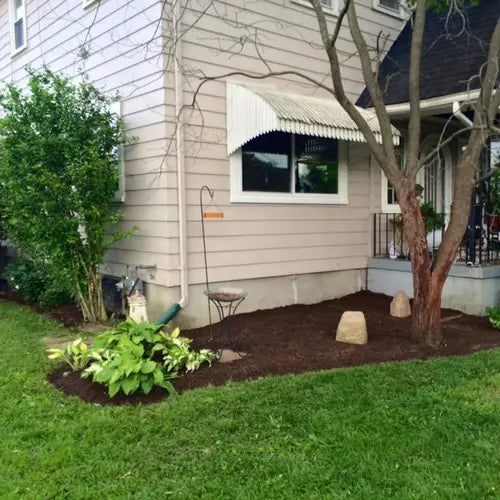
Mulch Mound made it so easy! So happy with the pricing, turn around time, delivery and product. I submitted my online order on a Thursday. The mulch was delivered to the designated location by a local landscape company at 8:30 a.m. the following Saturday morning. We had the job completed by that afternoon. We chose the natural brown mulch, and the plant beds are beautiful.
Measure the length and width of each bed in feet and multiply to get square footage, then keep in mind that Mount Sinai's sandy loam tends to allow mulch to settle slightly faster than clay-based soils, so targeting a full 3-inch depth rather than 2 inches gives you lasting coverage. Enter your total square footage and desired depth into our calculator to get an accurate cubic yard estimate before you place your order.
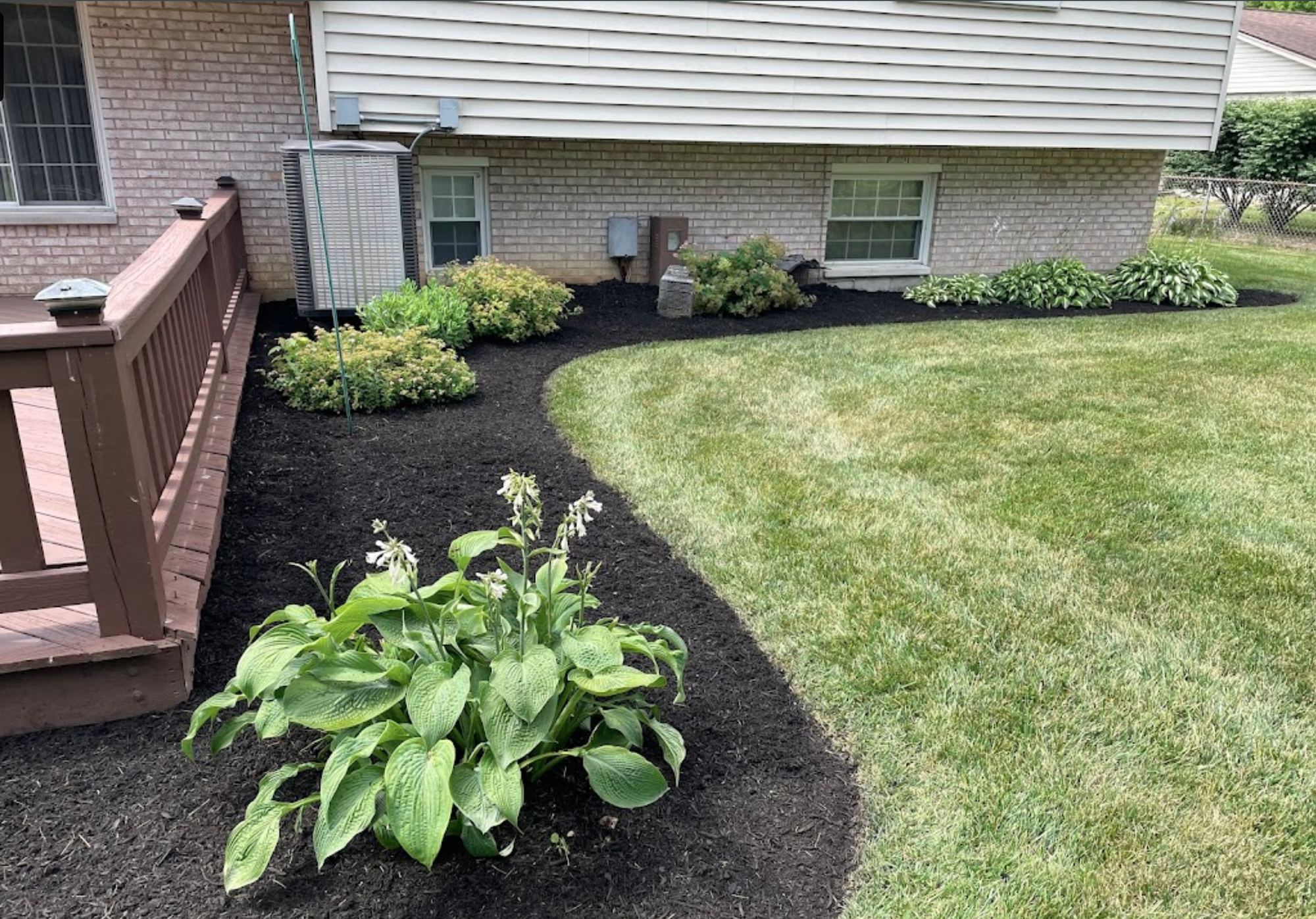
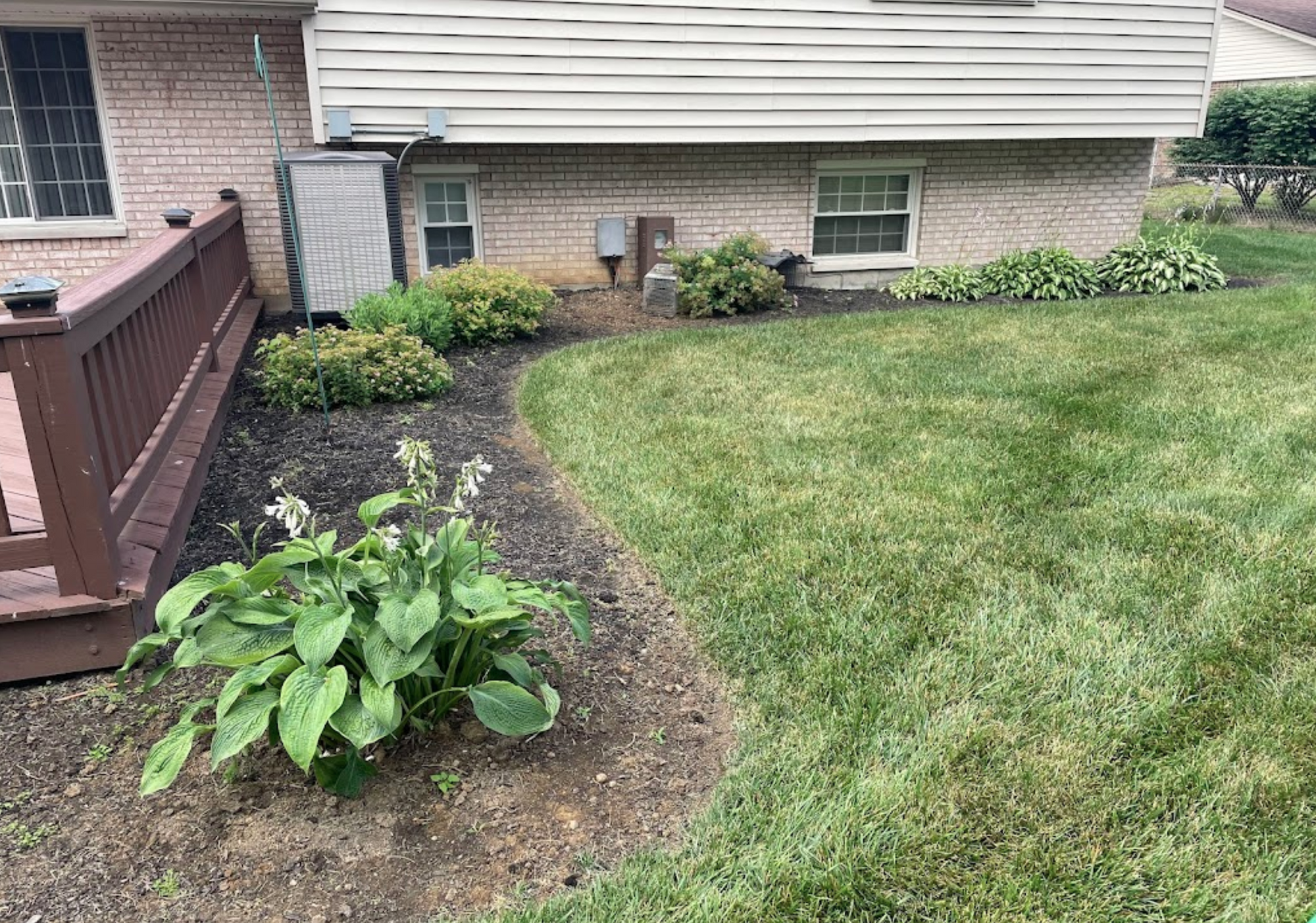
Mulch vs. No Mulch: The Difference
In Mount Sinai's zone 7b climate, natural hardwood mulches break down steadily through the warm season and contribute organic matter to the sandy loam below, gradually improving its ability to hold moisture and nutrients over multiple years. Dyed mulches preserve their color through the area's rainy springs and humid summers while still delivering solid weed suppression and moisture retention benefits. The right choice depends on whether you're prioritizing long-term soil improvement or consistent visual impact through the growing season.
Before
After
Best Mulch Choice for Mount Sinai Lawns
Most yards in the Mount Sinai area sit on Sandy Loam type of soil. Sandy loam soil in Mount Sinai releases moisture quickly and offers plant beds little buffer during the dry stretches that often occur between July and August. A consistent mulch layer of 3 inches helps slow that drainage and keeps roots from drying out between the area's rainfall events.
Hardwood Mulch
Hardwood mulch breaks down into fine organic particles that work into the sandy loam beneath, slowly binding the loose soil structure and improving its capacity to retain both moisture and nutrients from season to season. Over several years of consistent top-dressing with hardwood mulch, Mount Sinai beds develop a richer, more loamy character that reduces the need for frequent watering and supplemental fertilization.
Complete Your Outdoor Mulch Project
If you're refreshing beds this season, consider pairing your mulch order with a bulk topsoil or garden mix delivery to amend the sandy loam before you mulch over it. Decorative stone works well to define bed borders and keep mulch contained through Mount Sinai's rainy spring months.
Before spreading mulch in spring, scratch up the top inch of your existing bed soil with a hand cultivator. Mount Sinai's sandy loam can form a light surface crust during dry winter stretches that slows water absorption when spring rains arrive. Loosening that crust before you mulch allows the first warm-season rains to penetrate more effectively and helps your fresh mulch layer bond better with the surface beneath it.
Mulch Mound Pro Tip
Pull mulch back at least two inches from the base of shrub stems and tree trunks when you apply or refresh your beds. In zone 7b, the mild winters and warm humid summers in Mount Sinai create conditions where crown rot pathogens remain active through much of the year. Keeping mulch away from woody stems ensures that air circulates freely around the base of plants and that moisture does not pool at the most vulnerable point of the plant.
Mulch Mound Pro Tip
With 47 inches of annual rainfall in Mount Sinai, timing your mulch application matters more than in drier regions. Spreading fresh mulch just before a forecasted rain event is ideal because the weight of rainfall helps settle and compact the layer in place, reducing displacement and improving even coverage across the bed. Avoid applying right after a heavy storm when beds are saturated, as matted wet mulch can temporarily repel light follow-up rains rather than allowing them to soak through to plant roots.
Frequently Asked Questions
Click a question to see the answer
Answer
How thick should I apply mulch in my Mount Sinai garden beds?
In Mount Sinai, a 3-inch layer is the practical standard for most ornamental beds. The sandy loam drains quickly, so a thinner layer won't provide enough moisture buffer between rain events. Avoid going much deeper than 4 inches around plant stems to prevent crown rot, but be generous in open areas between plants where weed pressure is strongest.
Answer
Will mulch help with the weeds that flush up every spring after the last frost in April?
Yes, applying mulch before or just after the April 7 last frost date is one of the most effective ways to get ahead of the spring weed flush. Weed seeds germinate aggressively once soil temperatures warm, and a fresh 3-inch layer blocks the light they need to get established. Timing your mulch delivery for late March or early April gives you the best weed control through the entire growing season.
Answer
Does the heavy rainfall in this area wash mulch out of my beds?
Mount Sinai receives about 47 inches of rain per year, and spring storms can be intense enough to shift lightweight mulch on sloped surfaces. Shredded hardwood mulch knits together better than chip styles and resists displacement during heavy rain events. On sloped beds, firmer edging and a slightly deeper application of 3.5 to 4 inches help account for movement during high-rainfall periods in spring.
Answer
How often do I need to replenish mulch here compared to drier climates?
In zone 7b with Mount Sinai's warm humid summers, natural hardwood mulch breaks down in roughly 12 to 18 months. Plan on a fresh top-dressing every spring before the growing season kicks into gear. The decomposition is actually beneficial because it feeds organic matter into the sandy loam below, but you do need to replenish the surface layer to maintain weed suppression and moisture retention benefits.
Answer
Is dyed mulch safe to use around my vegetable garden in my backyard?
Reputable dyed mulches use colorfast pigments that are generally considered safe around ornamentals, but for edible gardens in Mount Sinai, most growers prefer natural hardwood or straw-based options. The decomposing organic matter from natural mulches also adds more lasting value to the sandy loam in vegetable beds, where soil nutrition and structure matter most for a productive harvest.
Answer
My soil dries out incredibly fast in summer. Will adding mulch actually make a noticeable difference?
Absolutely. Sandy loam soils like those found throughout Mount Sinai can lose surface moisture within a day or two of rain during hot July and August stretches. A proper 3-inch mulch layer can reduce that moisture loss dramatically, which translates directly into healthier plants and less time spent dragging a hose around the yard. Homeowners who mulch consistently almost always notice the improvement by midsummer.
Answer
Should I remove old mulch before winter or just leave it in place until spring?
Leave it in place through the winter. As frost arrives around November 15 in Mount Sinai, the existing mulch acts as a protective blanket for root zones and keeps soil temperatures from swinging as dramatically during freeze-thaw cycles through December and January. Come spring, you can fluff or top-dress the existing layer rather than removing and replacing everything, which saves both time and material cost.
The Unique Landscape of Mount Sinai
Mount Sinai sits on Long Island's North Shore with sandy loam soil that drains quickly after rain, leaving plant roots vulnerable to moisture stress between storms. While the area receives around 47 inches of rainfall annually, that moisture moves through the soil profile rapidly, meaning mulched beds hold significantly more usable water for shrubs and perennials than bare ground does. Zone 7b winters bring frost as early as November 15, and a consistent mulch layer helps insulate root zones through those cold months without the extreme cold that heavier mulching regions require. Spring thaw around April 7 also causes soil temperature swings that stress newly planted material, and mulch buffers those transitions in a way that bare sandy loam simply cannot. Without consistent mulch coverage, Mount Sinai's sandy loam tends to crust lightly during dry summer spells, reducing the soil's ability to absorb the next rainfall event efficiently.