




Great service. We ordered topsoil from Mulch Mound and the best experience. Thank you so much!
About this soil
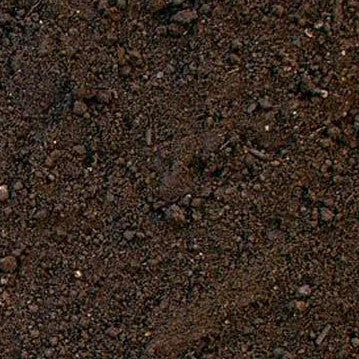
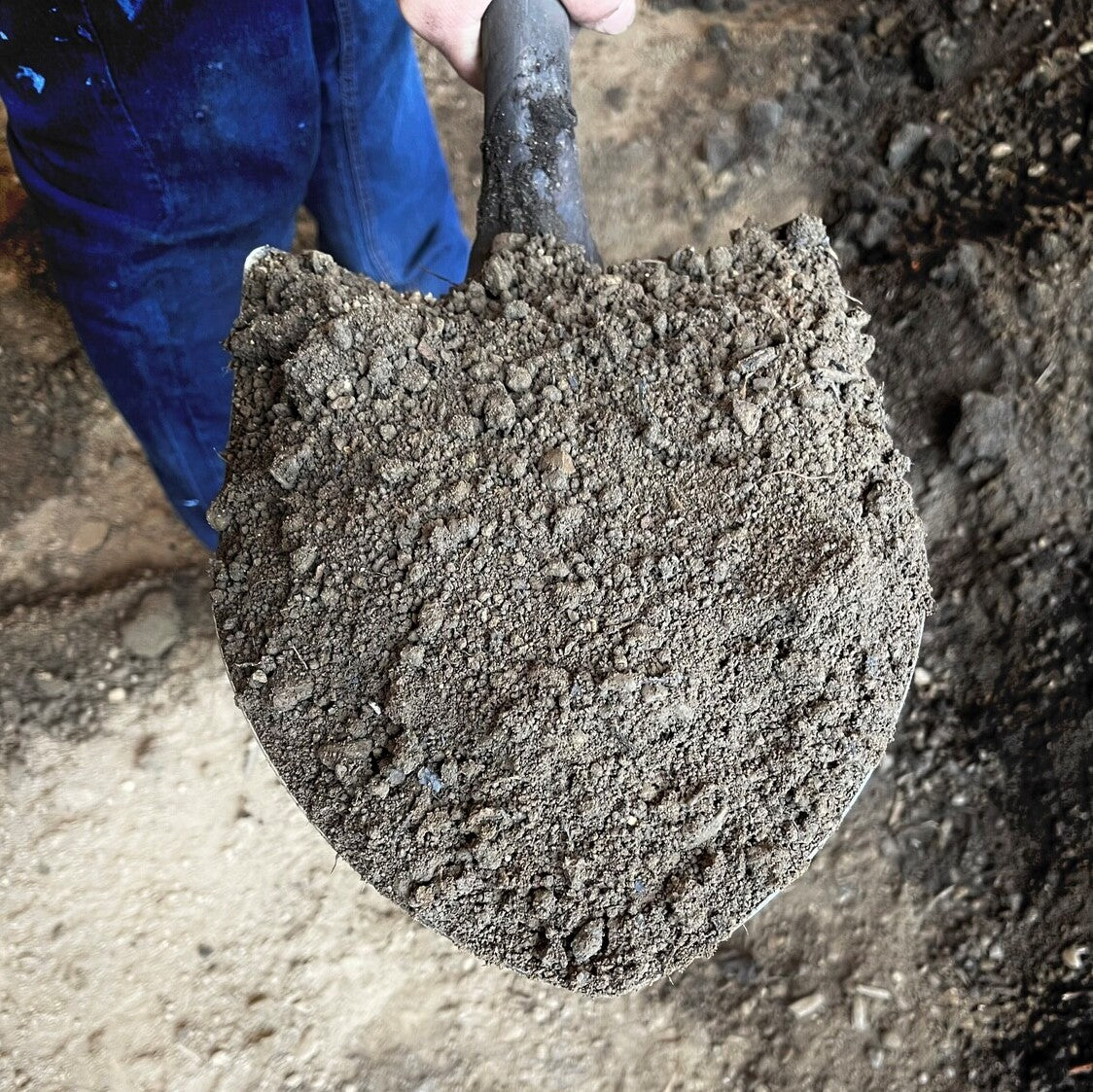
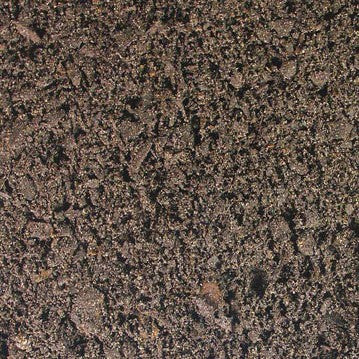
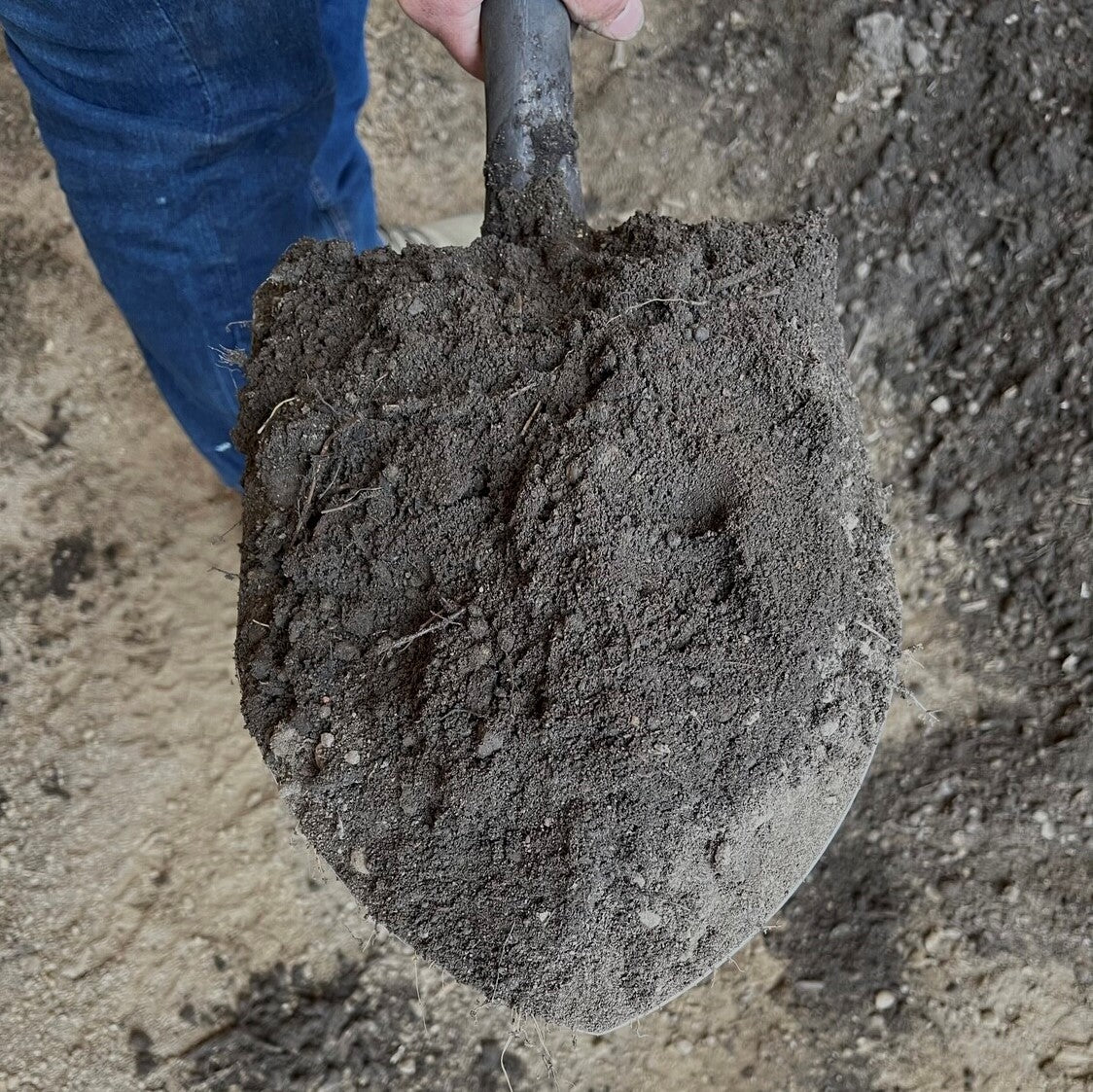
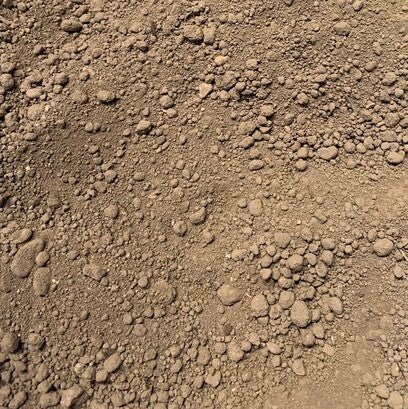
Quality topsoil for lawns, gardens, and landscape projects. Nutrient rich and ready to support strong root development and healthy plant establishment.
Great service. We ordered topsoil from Mulch Mound and the best experience. Thank you so much!
Tell us what you're looking for
Thanks! We received your request.
Something went wrong. Please try again.
How Much Material Do I Need?
How Much Material Do I Need?
For lawn leveling on Mount Sinai's sandy loam, plan for half an inch to 1.5 inches of topsoil spread over affected areas to avoid smothering existing turf. For new garden beds or raised planters, 6 to 12 inches of quality soil gives the root depth that zone 7b perennials and shrubs need to establish before the first frost arrives in November.
Use our free soil calculator
What is a yard?
What is a yard?
FAQs
FAQs
Mount Sinai Soil Delivery
Mount Sinai Soil Delivery
Regular price
$43.00
per
yard
Regular price
Sale price
$43.00
Unit price
per
Shipping calculated at checkout.
Couldn't load pickup availability
Not currently available
We can't take orders for this right now. Tell us what you need and we'll get back to you.
Hand-picked local yards
4,000+ regional deliveries
Dedicated support
Why order through Mulch Mound
The best local soil, without the guesswork.
We hand-pick and partner with the best yards in your region, keep only the ones our buyers rate well, and back each load with our guarantee.
Mulch Mound Guarantee
If your soil isn't the quantity or quality you ordered, we'll make it right.
About this soil
Quality topsoil for lawns, gardens, and landscape projects. Nutrient rich and ready to support strong root development and healthy plant establishment.
Great service. We ordered topsoil from Mulch Mound and the best experience. Thank you so much!
How Much Material Do I Need?
How Much Material Do I Need?
For lawn leveling on Mount Sinai's sandy loam, plan for half an inch to 1.5 inches of topsoil spread over affected areas to avoid smothering existing turf. For new garden beds or raised planters, 6 to 12 inches of quality soil gives the root depth that zone 7b perennials and shrubs need to establish before the first frost arrives in November.
Use our free soil calculator
What is a yard?
What is a yard?
FAQs
FAQs
Tell us what you're looking for
Thanks! We received your request.
Something went wrong. Please try again.
How It Works
Getting started is easy — just follow these simple steps
1
Choose your soil
Make sure you adjust the quantity to your home's needs. You can use our calculator to estimate how much you'll need.
2
Select your delivery date
Select a delivery date you'd like for the product to be dropped off at your home
3
Sit back and wait
Sit back, wait, and let us work our magic to make sure the highest quality product is delivered to your driveway.

Placing an order online was so easy. Delivery was on time. When the driver realized we had a newly poured driveway they erred on the side of cautio...
Read full review
Placing an order online was so easy. Delivery was on time. When the driver realized we had a newly poured driveway they erred on the side of caution and opted not ti drive in it. The company even sent me a message explaining that call. Would recommend!

Online ordering was really simple and I liked the transparent pricing.
Need Help Calculating How Much Soil You Need?
Use our NEW Trace from Satellite tool to get an estimate for your project based on an aerial view of your property
Try Our CalculatorMeasure your project area in feet and determine the fill depth you need, keeping in mind that loose soil compacts by roughly 15 to 20 percent after settling and after Mount Sinai's rain-heavy spring works through it. Adding a small overage buffer to your order accounts for that natural compaction and saves you from running short in the middle of a project.
Soil Types We Deliver in Mount Sinai
Mulch Mound offers bulk soil delivery by the yard in Mount Sinai, bringing quality soil varieties right to your property for any project size. Whether you are grading a lawn, building raised beds, or improving your garden, our selection covers the most common needs of Long Island homeowners. Every order is measured by the cubic yard for accurate pricing and consistent results.
Screened Top Soil
Our screened topsoil is a dependable choice for lawns, garden beds, and grading projects on Long Island properties. The screening removes debris and leaves a fine, workable texture that is easy to spread and rake. It supports strong root development and integrates well with the sandy native soils common in Suffolk County.
Gardening Blend
This ready-to-use blend suits flowers, vegetables, and general landscaping, and works well in Long Island gardens where balanced drainage matters. It combines consistent nutrient content with a texture that handles the warm summers and cooler springs of the North Shore. Homeowners ordering by the yard find it stretches across multiple planting areas.
Garden Compost
Rich with organic matter, this screened compost is ideal for enriching garden beds and feeding established plantings on North Shore properties. Homeowners with mature trees, shrubs, or perennial beds benefit most from its slow-release nutrients. The standard blend mixes easily into existing soil to restore what heavy rains or sandy ground conditions can deplete.
Complete Your Outdoor Soil Project
After placing and grading your new soil, a layer of bulk mulch locks in moisture and protects the surface through Mount Sinai's variable spring weather and dry summer stretches. Decorative stone can be used alongside soil projects to define clean bed edges and keep material from shifting during heavy spring and fall rainfall events.


Service area
Areas we deliver soil in Mount Sinai, New York
Mulch Mound Pro Tip
Before your topsoil arrives, test your native sandy loam with an inexpensive pH kit from a local garden center. Mount Sinai soils commonly run on the slightly acidic side, and if your native soil tests below pH 6.0, a light lime application before you grade in the new topsoil will help the entire bed perform more consistently. Matching pH across native and imported layers gives roots a stable environment as they grow deeper into the ground.
Mulch Mound Pro Tip
Time your soil delivery to arrive a day or two before a planned planting session rather than weeks in advance. Exposed bare soil in Mount Sinai dries out quickly given the sandy loam environment and can form a light surface crust after just a few warm dry days. Placing your soil and planting or seeding within 48 hours gives you the best working tilth and reduces the effort needed to re-work the surface before you get plants in the ground.
Mulch Mound Pro Tip
For raised vegetable beds, orient them to run roughly north to south to capture consistent sun exposure through the Mount Sinai growing season, which runs from late April through fall harvest. Fill your raised frames with a garden mix heavy in compost to offset the naturally fast-draining character of the surrounding native soil. This combination typically produces much stronger yields for warm-season crops like tomatoes, peppers, and cucumbers in zone 7b compared to growing directly in amended native sandy loam.
The Unique Landscape of Mount Sinai
Mount Sinai's native sandy loam is workable and fast-draining, but it lacks the organic depth that vegetable gardens, lawn repairs, and new planting beds truly need to perform well. The soil's loose texture means nutrients leach downward quickly, especially through the wet spring months when consistent rainfall moves water through the profile before plants can fully absorb it. Imported bulk topsoil allows homeowners to build up growing depth where the native profile is too thin or nutrient-depleted for the plants they want to grow. Grade work for new lawns, raised vegetable beds, and fill projects all benefit from quality screened soil delivered in quantity rather than bagged. With the growing season running from the last frost on April 7 through to November, getting soil projects done in early spring sets the stage for the best plant establishment results in zone 7b.