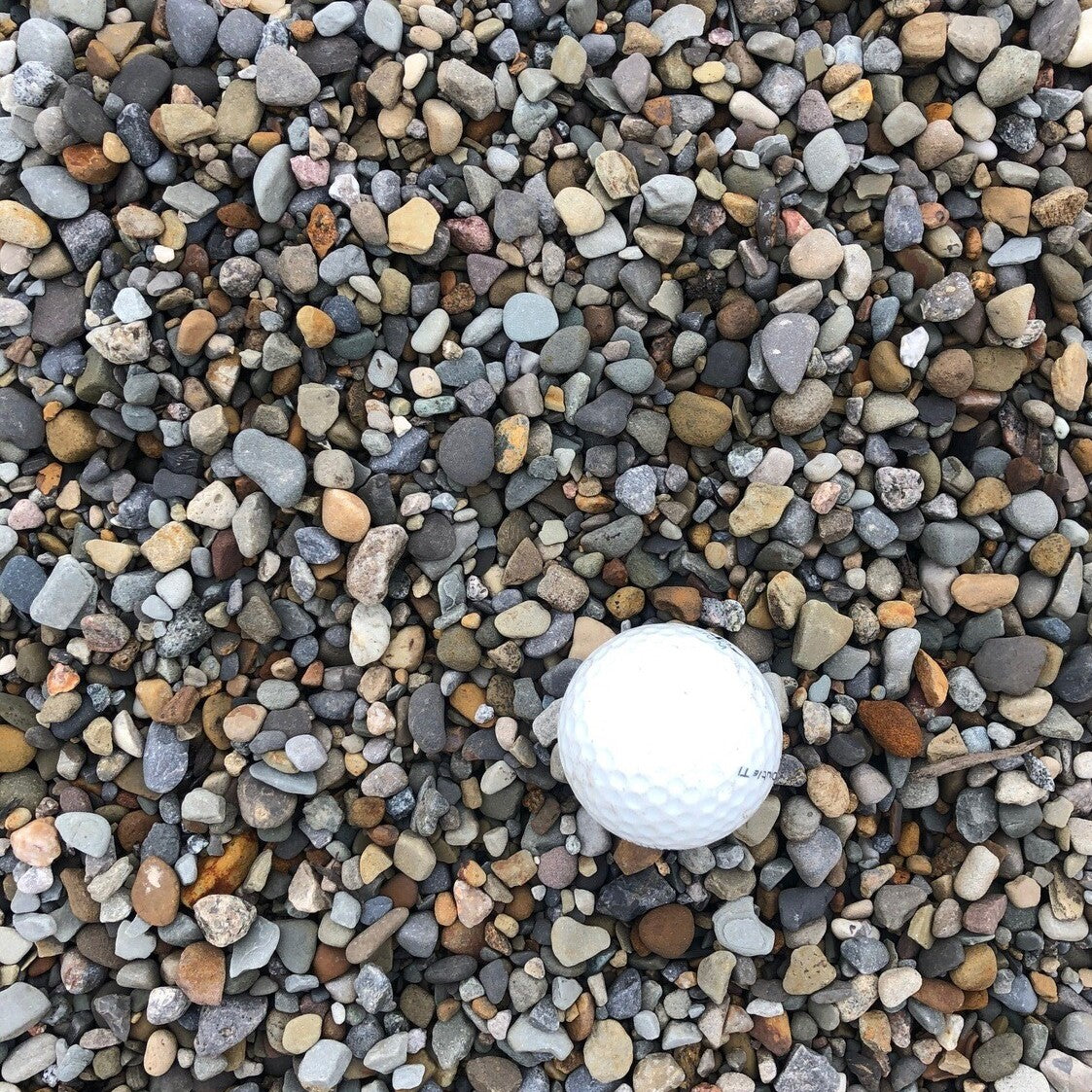
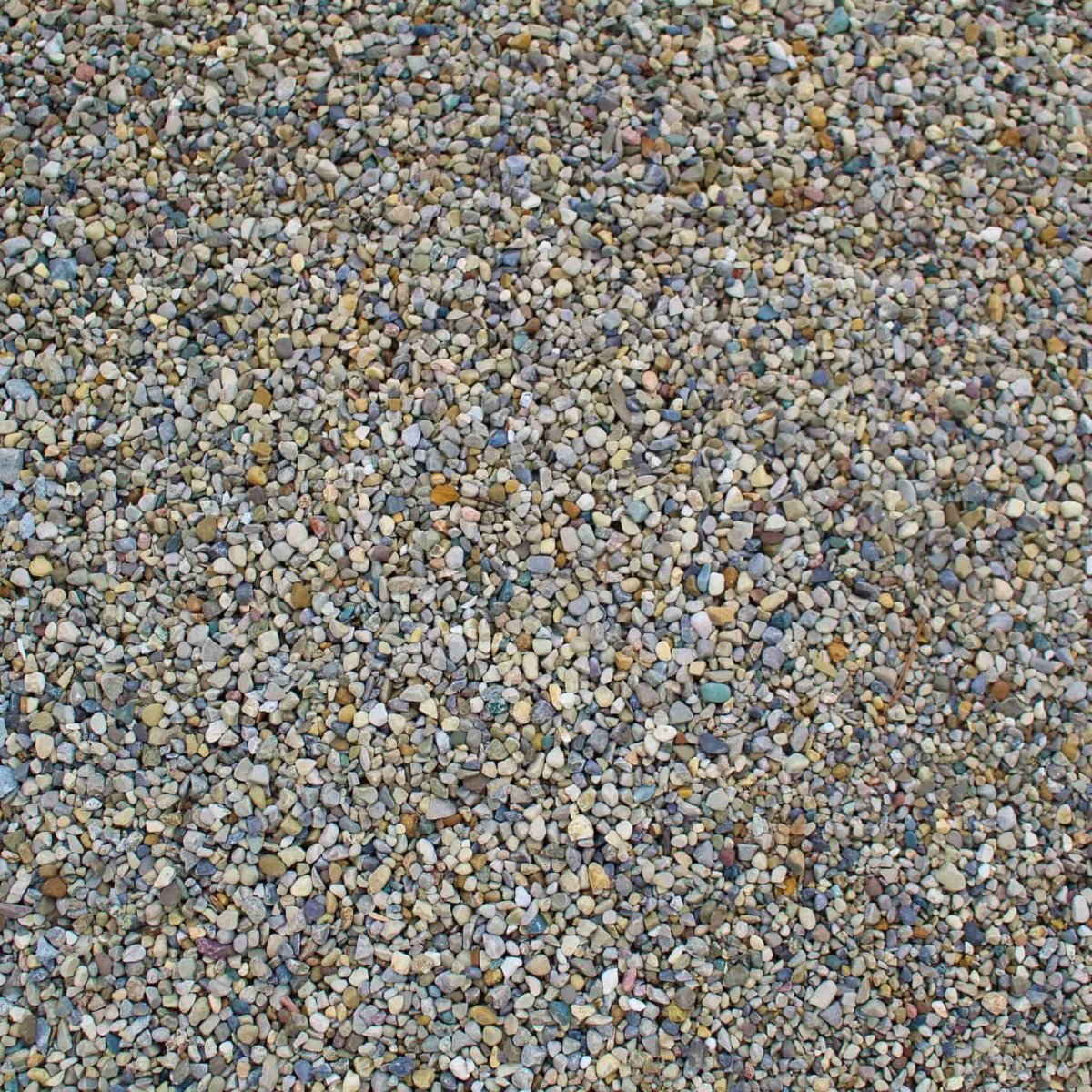
Classic pea gravel with smooth, rounded edges and natural earth tones. A versatile favorite for pathways, patios, drainage, and decorative ground cover.
Classic pea gravel with smooth, rounded edges and natural earth tones. A versatile favorite for pathways, patios, drainage, and decorative ground cover.
The driver nailed it on putting the gravel I ordered in front of my trailer and between the sidewalk. Very satisfied with how my flowerbeds look now.
How Much Material Do I Need?
Most decorative stone applications in Mount Sinai work well at 2 to 3 inches of depth installed over landscape fabric. Drainage swales and French drain installations typically call for 4 to 6 inches of clean washed gravel to manage the volume of water that moves through the area during the heavier rainfall events of spring and early fall.
Use our free stone calculator
What is a yard?
A yard is approximately 27 cubic feet. As a general guideline, one yard of material can cover an area of about 100-160 square feet at a 2-3 inch depth.
Measure your stone project area in feet and settle on your desired depth before ordering. For Mount Sinai gravel beds and pathways, a 2 to 3 inch layer over fabric is typical, but drainage applications like French drains or swales often need 4 to 6 inches of material to handle the volume of water that moves through the area during spring and fall storm events. Add a 10 percent buffer to your calculated total to account for settling and edge coverage.
Complete Your Outdoor Stone Project
Stone pathways and borders pair naturally with bulk mulch for the planted areas of your Mount Sinai yard, creating a clean visual contrast between low-maintenance hardscape and lush garden beds. If your stone project involves any grade changes or low areas that need filling first, a topsoil delivery alongside your stone order lets you handle the base work and finished surface in a single coordinated project.
Before laying stone over any area of your Mount Sinai yard, take time to grade the surface so it slopes slightly away from your home and any structures. Even a one percent slope, roughly an inch of drop per 8 feet, is enough to direct water away from foundations during heavy rain. Sandy loam drains well but intense rain events can pool on flat graded surfaces, and getting the grade right before you install stone prevents water from being redirected toward areas where it can cause damage.
Mulch Mound Pro Tip
For decorative stone beds around trees and large shrubs in Mount Sinai, choose a stone size of at least 1.5 inches in diameter rather than fine pea gravel. Larger stone allows more air to circulate around root zones and reduces the risk of moisture buildup at the base of the plant. Finer gravel can pack down over time and restrict the gas exchange that healthy root systems in zone 7b need to stay productive through the long growing season.
Mulch Mound Pro Tip
Consider using a border of medium river rock or cobble along the lower downslope edge of mulched garden beds, particularly in areas of your Mount Sinai yard that receive sheet flow during rain events. This simple stone border acts as a small check, slowing water velocity and keeping mulch from washing out during the heavier storms that hit the North Shore through spring and early summer. It adds a finished decorative look to the bed while solving a real practical drainage problem that many Mount Sinai homeowners deal with every year.
The Unique Landscape of Mount Sinai
In Mount Sinai, where sandy loam soil drains quickly but surface erosion is still a real concern on graded slopes and open areas, landscape stone provides a low-maintenance alternative to organic ground covers that decompose and wash away over time. Stone pathways, dry-laid borders, and decorative gravel beds stay in place through the area's 47 inches of annual rainfall and require no seasonal replacement the way mulch does. Zone 7b winters on Long Island's North Shore bring frequent but moderate freeze-thaw cycles, and properly bedded stone installations hold up reliably through those conditions year after year without heaving or shifting significantly. Decorative stone is also a practical choice for foundation borders around homes, where wood-based materials can trap moisture against siding and attract insects that find their way into structures. From pea gravel walkways to river rock drainage channels, bulk stone lets Mount Sinai homeowners build landscapes that look great and function well through every season without the ongoing maintenance that organic materials demand.
Frequently Asked Questions
Click a question to see the answer
Answer
What type of stone works best for a backyard walkway in a Mount Sinai yard?
Pea gravel and three-quarter inch crushed stone are the most popular walkway choices in Mount Sinai. Pea gravel is comfortable underfoot and stays put reasonably well on flat grade. Crushed stone compacts into a firmer walking surface, which makes it a better choice for paths that see heavy foot traffic or that run on a slight slope where loose stone might shift during the area's frequent spring rain events.
Answer
Can I use bulk stone to fix the drainage problems in my yard? I have low spots that stay wet after every rain.
Stone is one of the most effective solutions for drainage issues in Mount Sinai yards. A French drain lined with landscape fabric and filled with clean washed gravel directs water away from problem areas efficiently. The fast-draining character of the local sandy loam means water moves quickly once it reaches the gravel layer below. River rock can also be used to line surface swales and create attractive drainage channels that manage runoff and blend naturally into the landscape.
Answer
How deep does the gravel base need to be under a stone pathway to hold up through winter?
For a stable pathway in Mount Sinai, plan on a 3 to 4 inch tamped base of crushed stone beneath your surface material. This base depth accounts for the moderate ground movement that can occur during the area's winter freeze-thaw cycles, which typically begin around the November 15 frost date. A properly compacted base layer keeps your pathway surface level through seasonal shifts and prevents the sinking that tends to happen with a thin base on loose sandy loam soil.
Answer
Will putting stone around my foundation actually protect my house or create problems?
Stone used as a foundation border in Mount Sinai is generally a smart long-term choice. Unlike wood-based mulch, it doesn't decompose against siding, doesn't hold moisture at the foundation, and doesn't provide habitat for termites or carpenter ants. Keep the stone layer graded to slope slightly away from the foundation so water drains outward during rain events, and leave a small clearance between the stone and any wood structural elements to allow air circulation.
Answer
How much stone do I actually need for a 10 by 20 foot gravel area?
A 10 by 20 foot area filled to 3 inches deep requires approximately 1.85 cubic yards of stone. For most decorative gravel projects in Mount Sinai, a 2 to 3 inch layer installed over a landscape fabric base is sufficient. Use our calculator to dial in your exact needs before ordering, and consider adding around 10 percent overage since stone compresses slightly when raked and walked on after installation.
Answer
What is the difference between river rock and crushed stone, and when should I use one versus the other?
River rock has smooth rounded edges and is primarily used for decorative applications in Mount Sinai landscapes, including dry stream beds, garden accents, and ornamental borders around trees and large shrubs. Crushed stone has angular edges that lock together when compacted, making it the better choice for driveways, pathways, and any area that needs a stable firm surface. For drainage applications like French drains, clean washed gravel allows water to flow freely without fine particles restricting movement through the voids.
Answer
Do I need to put landscape fabric down before installing stone, or can I skip that step?
For most stone installations in Mount Sinai, a quality non-woven landscape fabric underneath is strongly recommended. The area's annual rainfall creates enough runoff and surface splash to work soil particles up into the stone layer over time, which eventually leads to soil accumulation and weed growth right in your gravel bed. The fabric blocks that soil migration while still allowing water to drain through freely. Skip it only in drainage-specific applications like French drains, where maximum water movement through the stone is the primary goal.





 +5
+5



