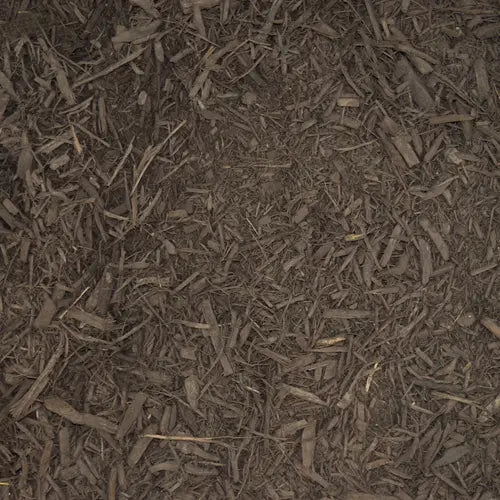
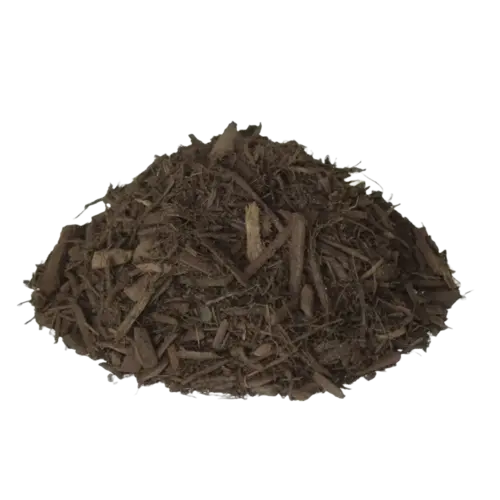
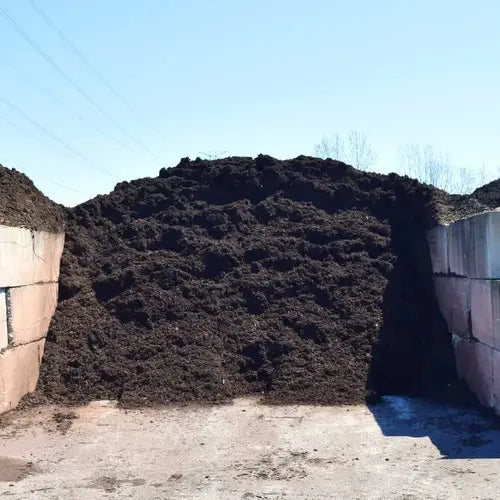
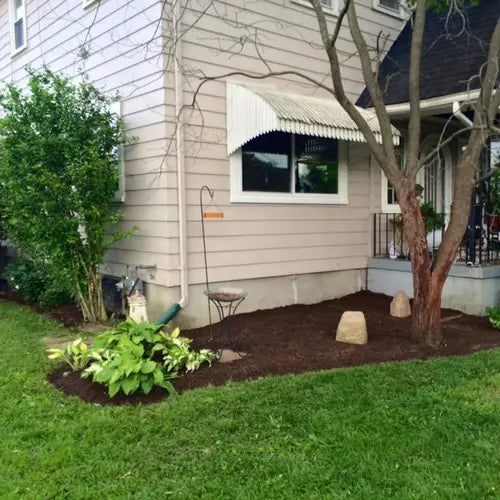
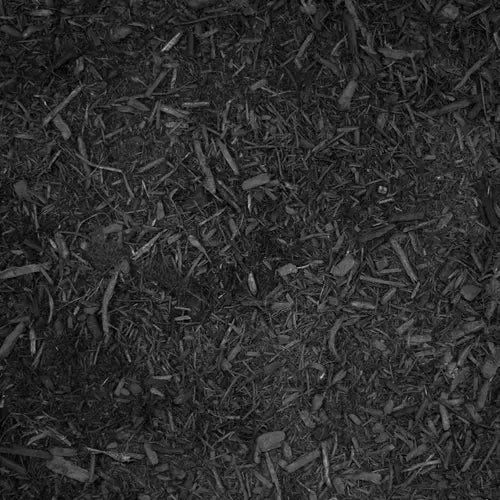
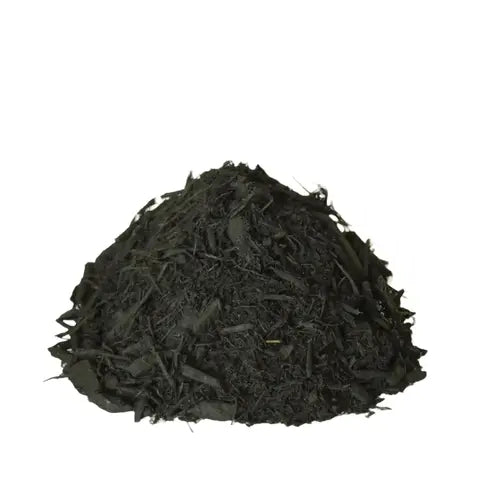
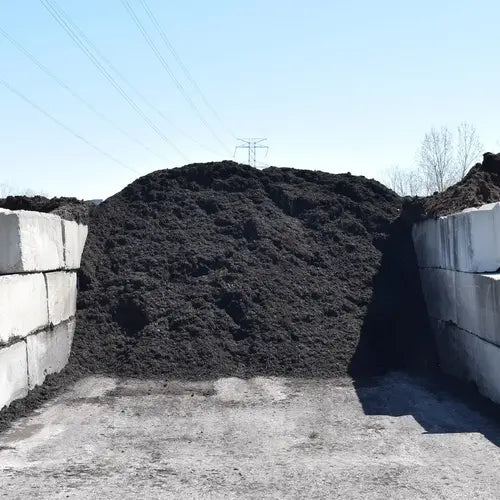
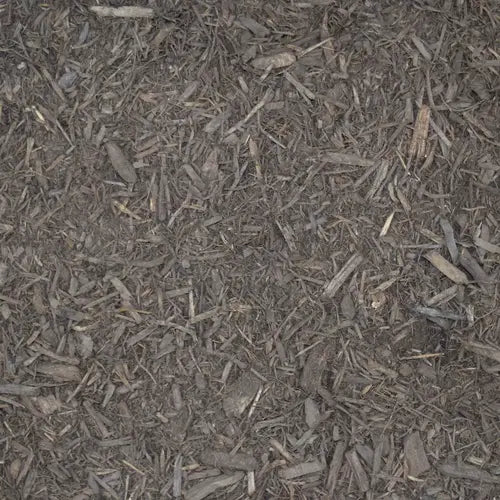
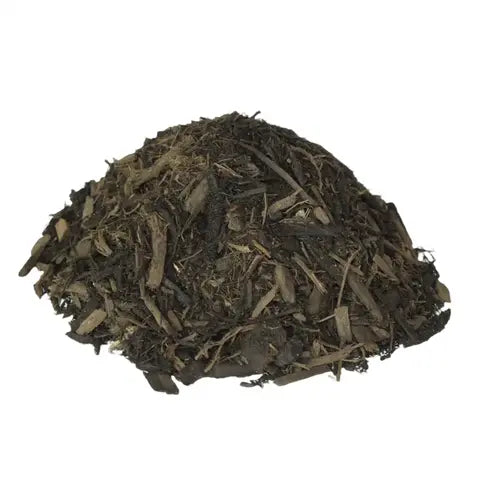
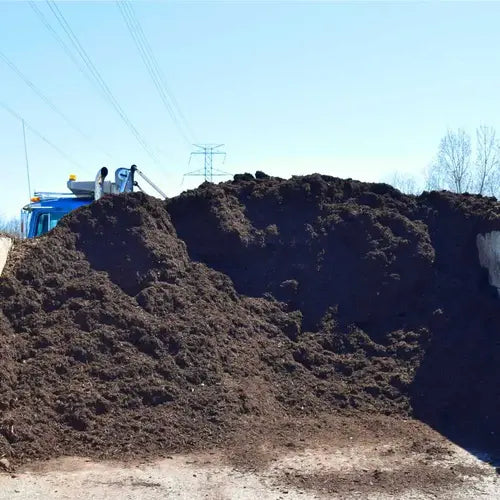
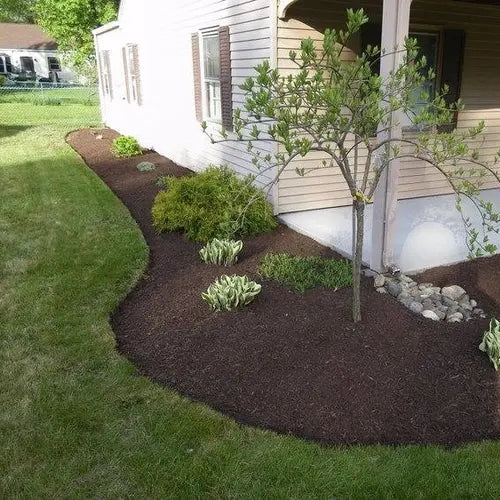
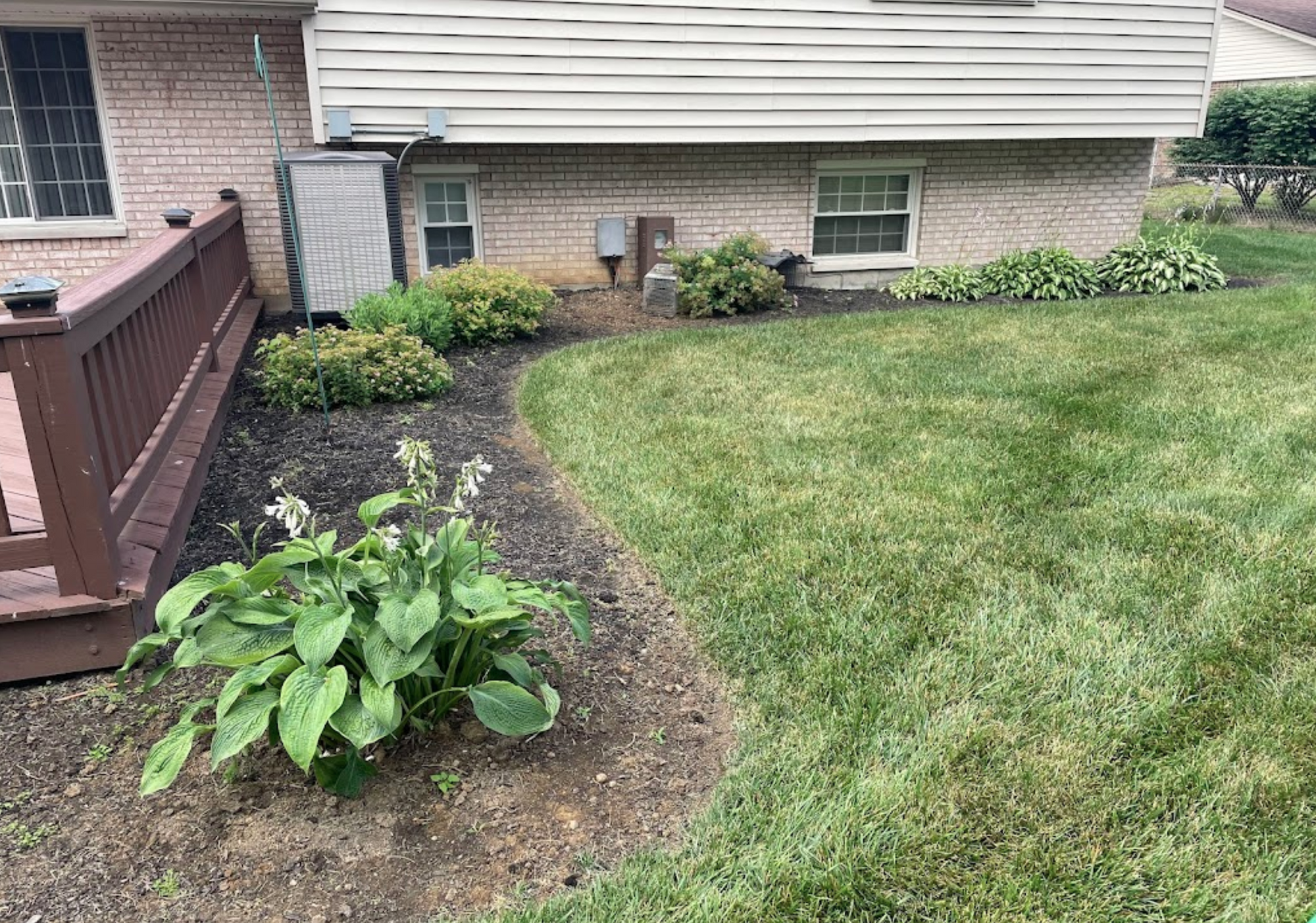
Warm brown double shredded mulch with lasting color that looks freshly applied for weeks. Spreads smooth, stays put, and gives beds a natural, polished appearance.
I can’t say enough good things about Mulch Mound! If you read my review below you will see I had a problem with my order. Mulch Mound was quick to respond and solved the issue with my delivery. Will definitely be a customer next year.
First time purchase...
Tell us what you're looking for
Thanks! We received your request.
Something went wrong. Please try again.
How Much Material Do I Need?
For most Nesconset plant beds with sandy loam soil, a 3-inch application depth provides the best balance of moisture retention and weed suppression. Thinner applications tend to dry out and compact quickly in the free-draining soil common throughout this part of Suffolk County.
Use our free mulch calculator
What is a yard?
A yard is approximately 27 cubic feet. As a general guideline, one yard of material can cover an area of about 100-160 square feet at a 2-3 inch depth.
We can't take orders for this right now. Tell us what you need and we'll get back to you.
What do you need?
Thanks! We received your request.
Something went wrong. Please try again.
Hand-picked local yards
4,000+ regional deliveries
Dedicated support
Why order through Mulch Mound
The best local mulch, without the guesswork.
We hand-pick and partner with the best yards in your region, keep only the ones our buyers rate well, and back each load with our guarantee.
Mulch Mound Guarantee
If your mulch isn't the quantity or quality you ordered, we'll make it right.
About this mulch
Warm brown double shredded mulch with lasting color that looks freshly applied for weeks. Spreads smooth, stays put, and gives beds a natural, polished appearance.
I can’t say enough good things about Mulch Mound! If you read my review below you will see I had a problem with my order. Mulch Mound was quick to respond and solved the issue with my delivery. Will definitely be a customer next year.
First time purchase...
How Much Material Do I Need?
For most Nesconset plant beds with sandy loam soil, a 3-inch application depth provides the best balance of moisture retention and weed suppression. Thinner applications tend to dry out and compact quickly in the free-draining soil common throughout this part of Suffolk County.
Use our free mulch calculator
What is a yard?
A yard is approximately 27 cubic feet. As a general guideline, one yard of material can cover an area of about 100-160 square feet at a 2-3 inch depth.
I can’t say enough good things about Mulch Mound! If you read my review below you will see I had a problem with my order. Mulch Mou...
Read full review
UPDATE!
I can’t say enough good things about Mulch Mound! If you read my review below you will see I had a problem with my order. Mulch Mound was quick to respond and solved the issue with my delivery. Will definitely be a customer next year.
First time purchase from Mulch Mound!! First what I liked! Easy to order online and straight forward pricing and delivery. The driver was on time and courteous and delivered my Mulch exactly where I requested! The product is of good quality and comparable to others I have purchased from before. Now what I DID’NT LIKE! I have been mulching the same house and yard for almost 20 years. I always order the same amount and don’t have any issues with covering the same area but this year I fell about a yard short. I was home when the mulch was delivered and when the driver dumped it I noticed that it seemed a bit less than I was used to. I didn’t apply it any thicker than usual and probably a bit thinner than usual because I was worried about running out.
Mulch Mound made it so easy! So happy with the pricing, turn around time, delivery and product. I submitted my online order on a Thursday. The mu...
Read full review
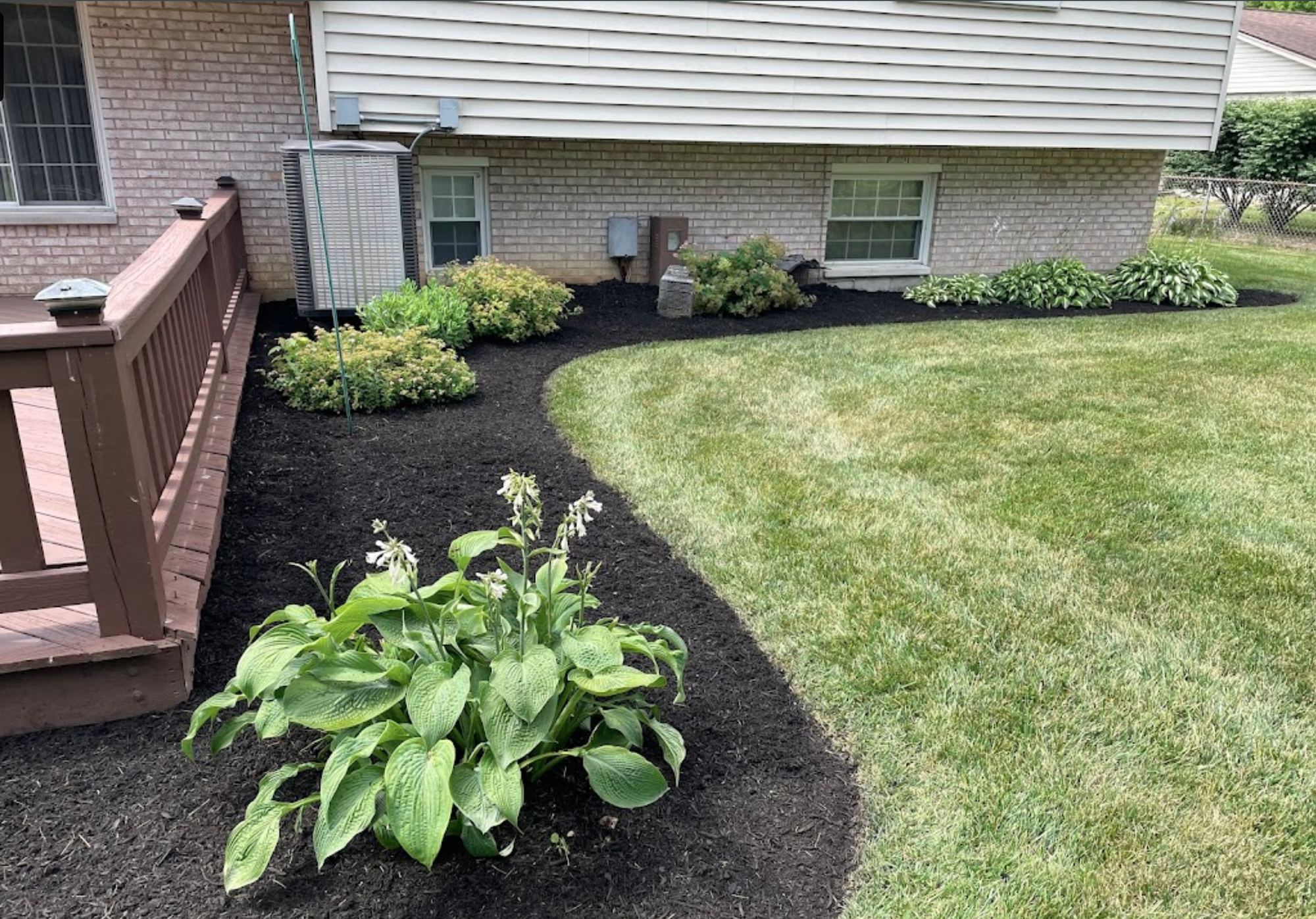
Mulch Mound made it so easy! So happy with the pricing, turn around time, delivery and product. I submitted my online order on a Thursday. The mulch was delivered to the designated location by a local landscape company at 8:30 a.m. the following Saturday morning. We had the job completed by that afternoon. We chose the natural brown mulch, and the plant beds are beautiful.
To get an accurate estimate for your Nesconset beds, measure the length and width of each bed in feet and multiply them together for square footage. Because sandy loam in this area benefits from a full 3-inch depth, use that as your standard when plugging numbers into the calculator. Add up all your bed areas before calculating so you can order everything in a single delivery.
Mulch vs. No Mulch: The Difference
In Nesconset's zone 7b climate, natural hardwood mulch breaks down noticeably faster than in cooler regions because the warm growing season runs nearly seven months from mid-April to early November. That decomposition feeds organic matter back into sandy loam soil, which is a real benefit since this soil type is naturally low in organic content and structure. Dyed or colored mulch uses a binding process that slows breakdown and keeps beds looking fresh through Nesconset's 47 inches of annual rain, but it contributes less organic matter to the soil over time.
Before
After
Best Mulch Choice for Nesconset Lawns
Most yards in the Nesconset area sit on Sandy Loam type of soil. Nesconset's sandy loam soil holds very little organic matter on its own, which means plant beds can become compacted and nutrient-poor without regular surface amendments. Mulch acts as a slow-release organic layer, gradually improving soil structure and water retention as it breaks down season after season.
Hardwood Mulch
Hardwood mulch is a particularly strong match for Nesconset's sandy loam because as it decomposes it releases humic acids and fine organic particles that bind to sandy soil particles, slowly improving the soil's water-holding capacity. Over several seasons of consistent hardwood mulch application, beds develop a noticeably richer, darker topsoil layer that supports healthier and more vigorous root growth.
Mulch Types We Deliver in Nesconset
Mulch Mound makes bulk mulch delivery in Nesconset straightforward, delivering by the cubic yard so you get exactly what your project needs. The sandy soils and temperate climate across this part of Long Island suit a range of mulch types, and our catalog carries the most popular varieties for both curb appeal and plant health.
Dyed Black Mulch
A bold choice for the tidy, manicured beds common in this part of Long Island, dyed black mulch comes in double shredded or triple shredded styles. The rich color holds through humid summers, contrasts sharply against green plantings, and lays flat for a clean, finished look all season.
Dyed Brown Mulch
Warm and natural looking, dyed brown mulch suits the mixed plantings and colonial style homes that are common across this region. Available in double shredded or triple shredded, it spreads cleanly around foundation beds and tree rings, holding a polished, freshly applied color through wet springs and dry midsummer stretches.
Natural Brown Mulch
Undyed and unpretentious, natural brown mulch pairs well with mature trees and established garden beds. Choose double shredded or triple shredded to suit your spread preference, and count on the slow, gradual breakdown to build organic matter in the sandy soils typical of this part of Long Island.
Cedar Mulch
Naturally aromatic and pest deterrent, cedar mulch suits ornamental beds and vegetable gardens across this part of Long Island. The fine double shredded fiber decomposes slowly, helping retain moisture in sandy soil through drier summer months while releasing a pleasant fragrance that homeowners in this area consistently appreciate.
Complete Your Outdoor Mulch Project
If your beds need a nutrient boost before mulching, consider pairing your mulch order with a delivery of bulk topsoil to amend the sandy loam beneath your plants. Adding a stone border or edging material from our stone selection can also give your mulched beds a clean, finished look that holds mulch in place through Nesconset's heavier rain events.
Nesconset's sandy loam soil warms up fast in spring, which is great for early planting but also means weed seeds activate early. Lay your mulch down right after the April 10 last frost date, before weeds get a foothold. Waiting even two weeks can mean pulling dozens of seedlings before you mulch, so timing the application to coincide with your spring cleanup makes the entire growing season significantly easier to manage.
Mulch Mound Pro Tip
Because Nesconset sits in zone 7b, perennials and shrubs may push new growth before temperatures are fully stable. When mulching around established plants, keep the mulch pulled back 2 to 3 inches from the crown of each plant. Piling mulch against stems traps humidity that encourages fungal issues, especially in the wetter spring months when the area can receive several inches of rain in a short period and airflow around plant bases matters most.
Mulch Mound Pro Tip
With 47 inches of annual rainfall spread across the year, Nesconset beds can go through mulch faster than homeowners expect. Rain physically breaks down organic mulch and pushes fine particles into the sandy loam below. Doing a quick depth check in mid-summer around July lets you catch beds that have dropped below 2 inches before the hottest stretch of the season, when moisture loss from unprotected sandy loam soil is at its peak.
Frequently Asked Questions
Click a question to see the answer
Answer
How much mulch do I actually need given how fast the soil dries out in Nesconset?
Because Nesconset's sandy loam loses moisture quickly, we recommend applying mulch at a depth of 3 inches in most plant beds. That depth is enough to meaningfully slow evaporation without smothering shallow roots. Measure the square footage of each bed, multiply by 0.25 to convert to feet, and divide by 27 to get cubic yards. Our calculator on this page can handle the math for you.
Answer
Should I use natural hardwood mulch or colored mulch for my Long Island beds?
Both work well in Nesconset, but they serve slightly different goals. Natural hardwood breaks down into organic matter over one to two seasons, gradually improving the organic content of sandy loam soil that is naturally low in nutrients. Colored or dyed mulch holds its appearance longer through the summer sun and through the 47 inches of annual rain the area sees, making it a popular choice for front-yard curb appeal where aesthetics matter most.
Answer
When is the best time of year to mulch my beds here in Nesconset?
The ideal window is right after the last frost, which typically falls around April 10 in Nesconset. Mulching at that point locks in soil warmth, suppresses the first flush of weed seeds, and gives your plants a strong head start. A second light top-up in late October before the November 1 first frost can also help insulate perennial roots through the winter months.
Answer
Will mulch really help with the weeds that take over my sandy loam beds every spring?
Yes, and it is especially useful in Nesconset because sandy loam is easy for weed seeds to germinate in. A full 3-inch layer blocks sunlight from reaching the soil surface, which prevents most annual weed seeds from sprouting. It will not stop every perennial weed with deep roots, but it dramatically reduces the hand-weeding you need to do from April through October.
Answer
How often do I need to refresh my mulch each year in this climate?
In Nesconset's climate, natural hardwood mulch typically needs refreshing once a year. The combination of summer heat, 47 inches of rainfall, and the active microbial environment in zone 7b beds causes mulch to break down and compress over the season. Adding an inch or two each spring keeps your depth at the recommended 3 inches without over-layering, which can trap moisture against plant stems.
Answer
Is there a mulch type that works better near the foundation of my house?
For foundation plantings in Nesconset, keep all mulch pulled back at least 6 inches from siding and wood trim regardless of the type you choose. A finer-textured hardwood mulch works well near foundations because it packs less densely than shredded wood and allows better airflow. Sandy loam already drains well, so excess moisture buildup at the foundation is more often a grading issue than a soil issue, but keeping mulch pulled back is still the right practice.
Answer
Can I use bulk mulch around my vegetable garden in Nesconset?
Absolutely. Shredded hardwood or straw mulch works great in Nesconset vegetable gardens once you are past the April 10 last frost date. It keeps sandy loam from drying out between waterings and reduces soil splash onto low-growing vegetables during summer rainstorms. Pull the mulch back a few inches from plant stems to prevent rot, and plan to work it into the soil at the end of the season since it will have partially broken down and will add valuable organic matter back to your beds.
The Unique Landscape of Nesconset
Nesconset's sandy loam soil is one of the most free-draining soil types on Long Island, which means moisture evaporates from plant beds far faster than most homeowners expect. During the warm stretch between the last frost in early April and the first frost around November 1, that rapid drainage puts ornamental shrubs, perennials, and tree roots under real stress if beds are left bare. A consistent layer of mulch slows that evaporation, giving roots more time to absorb the 47 inches of rain the area receives each year rather than watching it drain straight through. Mulch also moderates the soil temperature swings that come with zone 7b summers, keeping root zones cooler during July heat and extending the active growing window on both ends of the season. Without adequate mulch cover, Nesconset's sandy loam beds tend to crust on the surface after heavy rains, reducing water infiltration and making weeds far easier to establish.