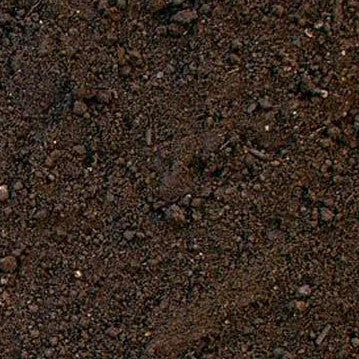
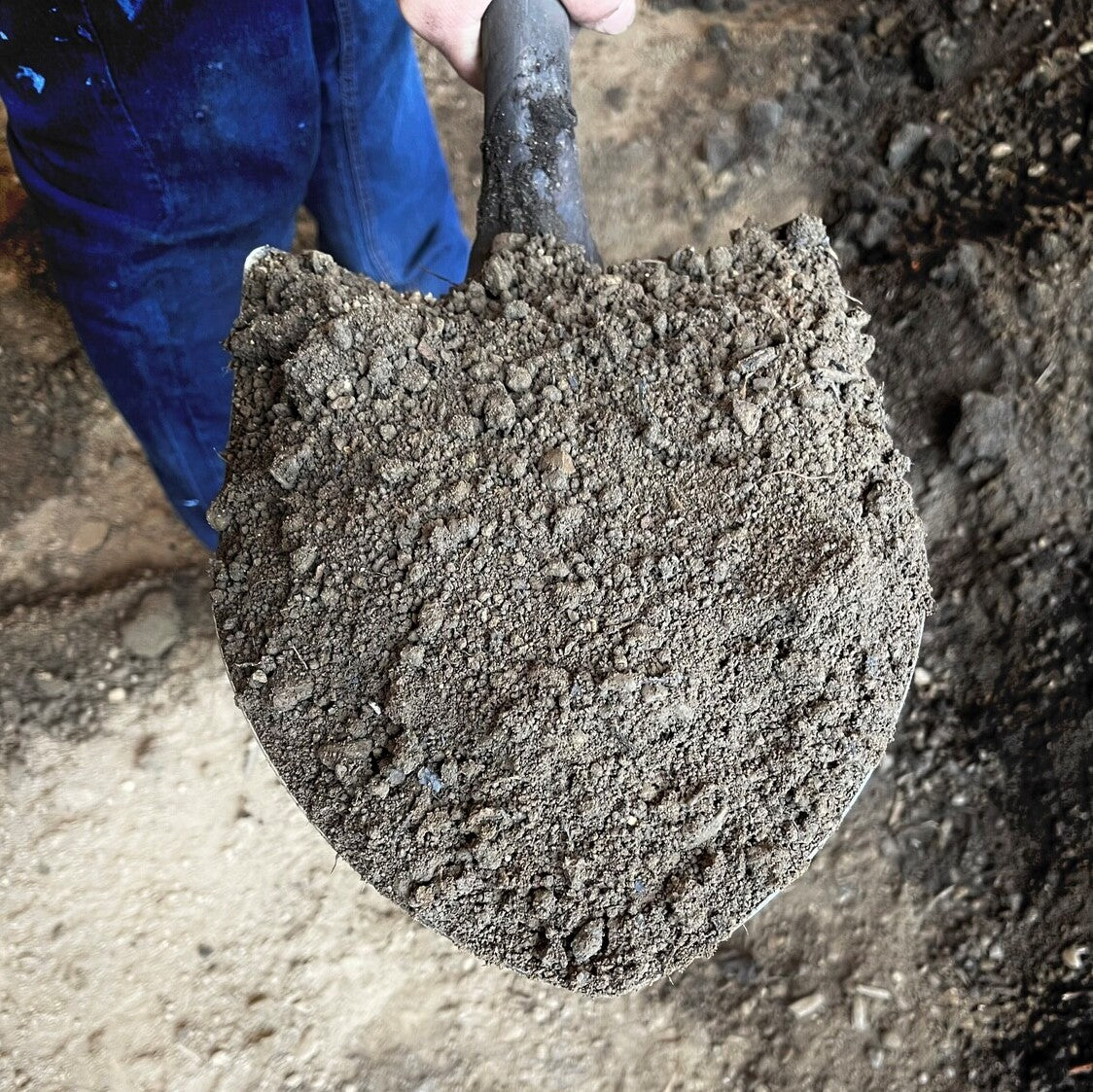
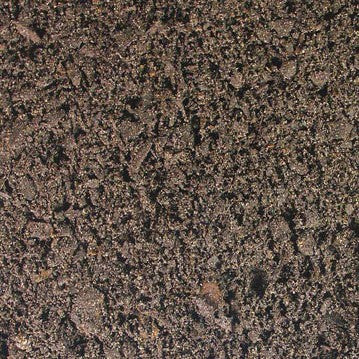
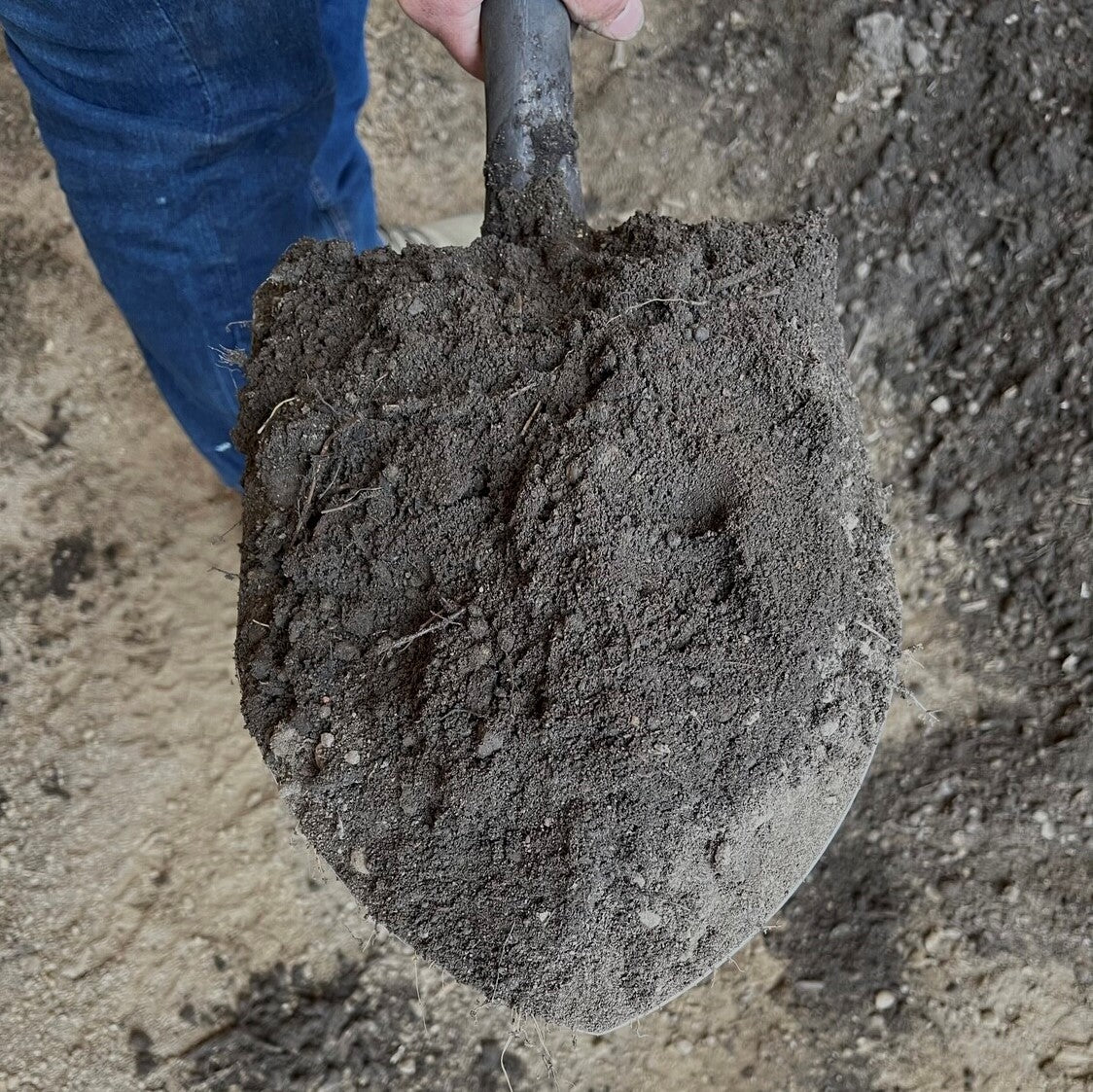
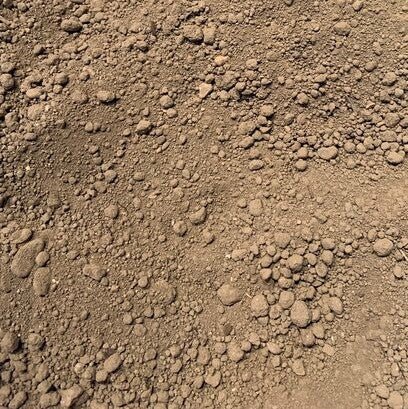
Quality topsoil for lawns, gardens, and landscape projects. Nutrient rich and ready to support strong root development and healthy plant establishment.
Great experience - not only was this the most affordable option for dirt delivery in Cleveland heights, but the delivery was fast and friendly. Got exactly what I needed and the truck got as close as possible to where I needed the dirt - even in my cramped driveway. Will be us...
Quality topsoil for lawns, gardens, and landscape projects. Nutrient rich and ready to support strong root development and healthy plant establishment.
Great experience - not only was this the most affordable option for dirt delivery in Cleveland heights, but the delivery was fast and friendly. Got exactly what I needed and the truck got as close as possible to where I needed the dirt - even in my cramped driveway. Will be us...
How Much Material Do I Need?
For lawn top-dressing in Nesconset, a quarter to half inch of topsoil spread over the target area is usually the right amount. For new planting beds built over native sandy loam, plan for at least 6 inches of quality topsoil to give roots a nutrient-rich zone they can draw from throughout the full growing season.
Use our free soil calculator
What is a yard?
A yard is approximately 27 cubic feet. As a general guideline, one yard of material can cover an area of about 100-160 square feet at a 2-3 inch depth.
Great experience - not only was this the most affordable option for dirt delivery in Cleveland heights, but the delivery was fast and friendly. Got...
Read full review
Great experience - not only was this the most affordable option for dirt delivery in Cleveland heights, but the delivery was fast and friendly. Got exactly what I needed and the truck got as close as possible to where I needed the dirt - even in my cramped driveway. Will be using again and recommending to my neighbors.
Measure the length and width of each area you plan to fill or level, then decide on your target depth in inches. For lawn leveling in Nesconset, a half-inch depth is often sufficient, while new garden beds typically need 6 inches or more to get above the nutrient-poor native sandy loam. Convert your depth to feet before running the calculation, and always round up by about 10 percent to account for natural settling.
Complete Your Outdoor Soil Project
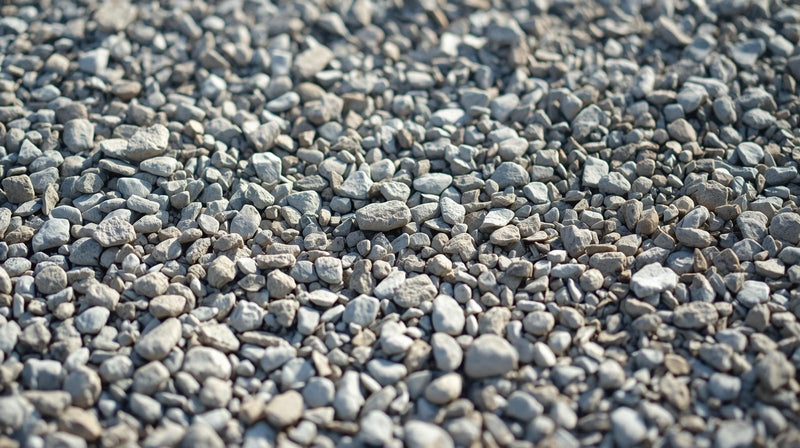
Pairing a topsoil delivery with a bulk mulch order lets you build and top-dress your beds in a single project day, which is the most efficient approach when prepping for the spring planting season after the April 10 last frost. Adding a stone border or decorative gravel from our stone selection around new beds keeps soil from washing out during Nesconset's heavier spring rain events.
My lawn has low spots that hold water after a hard rain. Will bulk topsoil fix that?
Low spots in Nesconset lawns often develop when sandy loam settles unevenly or erodes after heavy rains. Filling them with quality topsoil, leveling the surface, and overseeding is the most effective fix. Because sandy loam drains so freely, a thin skim layer of topsoil can still settle into a low area over a single growing season, so plan to add slightly more depth than you think you need to account for that natural compression.
Answer
How deep should I go when building a new garden bed with bulk soil in Nesconset?
For a new in-ground bed in Nesconset, adding 4 to 6 inches of quality topsoil over the existing sandy loam gives most annuals and perennials a strong start. For vegetable gardens, 8 to 10 inches is even better since root vegetables like carrots and beets need the extra depth to develop properly. The sandy loam base beneath will still handle drainage naturally, which is one of its genuine advantages in this part of Suffolk County.
Answer
Can I use bulk topsoil to raise my garden beds above grade in my Nesconset backyard?
Yes, and raised beds work especially well in Nesconset because the sandy loam beneath drains freely, so raised bed soil rarely becomes waterlogged even after heavy spring rains. Building beds 8 to 12 inches above grade gives roots a deep reservoir of nutrient-rich soil to draw from throughout the long growing season. Use a border of stone, wood, or composite edging to hold the soil in place through the wet months.
Answer
What is the difference between topsoil and garden soil for raised vegetable beds?
Bulk topsoil is a versatile base material that works well for lawn leveling, grading, and filling large areas cost-effectively. Garden soil or amended topsoil includes additional compost and organic material blended specifically to support plant roots. For Nesconset raised vegetable beds, a blended garden soil gives you a head start on organic content and nutrient availability that plain sandy loam would take years to build on its own.
Answer
How much topsoil do I need to level a bumpy lawn in Nesconset?
For light leveling in Nesconset, most lawns need between a quarter inch and half an inch of topsoil spread across the low areas, raked smooth, and overseeded. For more significant grade corrections you may need 1 to 2 inches across broader sections. Measure the area of your lawn and use our calculator to estimate cubic yards so you order the right amount in a single delivery.
Answer
When is the best time to add topsoil to my lawn or beds here in Nesconset?
Spring, from late April through May, is the most popular time in Nesconset because the ground has fully thawed and the growing season is just getting started. Fall is also excellent, particularly September and October before the November 1 first frost, because cooler temperatures reduce weed pressure and give new grass seed or perennial roots time to establish before the ground freezes. Both windows work well in zone 7b.
Answer
Will adding topsoil help with the drainage problems in my backyard?
It depends on the root cause. If water pools because the grade slopes toward your home, regrading with topsoil and creating a gentle slope away from the foundation is a highly effective solution. If your backyard drains slowly despite Nesconset's naturally porous sandy loam, the issue may be a compacted subsoil layer that needs to be broken up before new topsoil is added. In most cases, improving the grade and adding quality soil together resolves standing water problems.
Mulch Mound Pro Tip
Nesconset's sandy loam means that any topsoil you add will perform better if it is blended into the upper layer of the existing ground rather than simply piled on top. Use a tiller or garden fork to mix the new soil into the top 2 to 3 inches of native soil before planting or seeding. That blending reduces the hard boundary between soil layers and helps roots transition smoothly as they grow deeper into the ground below.
Mulch Mound Pro Tip
When filling raised beds in Nesconset, consider starting your growing season slightly earlier than you normally would after the April 10 last frost date. Raised beds filled with dark topsoil absorb heat faster than in-ground sandy loam beds, and the elevated soil temperature can give vegetable transplants a noticeable advantage in early spring. Checking soil temperature with an inexpensive probe thermometer tells you exactly when conditions are right for transplanting.
Mulch Mound Pro Tip
Because Nesconset receives about 47 inches of rain per year, any bulk soil you add should be graded with a slight slope away from your home, trees, and garden structures. Even well-draining sandy loam can direct water toward foundations if the final grade is flat or slightly inverted after installation. Taking 20 minutes to check your grade with a level before the first rain after spreading your soil prevents drainage problems that are difficult to correct later.
The Unique Landscape of Nesconset
Nesconset's native sandy loam soil has real strengths for drainage, but it comes up short when homeowners try to establish lush lawns, productive vegetable gardens, or dense perennial beds. The low organic content in this soil type means nutrients leach out quickly with each rainfall, leaving plants hungry even when they appear well-watered. Bringing in quality bulk topsoil allows you to build up planting areas, level low spots in lawns, and create raised beds that hold moisture and fertility far better than the native ground alone can manage. With a growing season that runs from roughly April 10 to November 1, there is a long, active window of growth to support, and quality soil makes a measurable difference in how plants perform across all seven of those months. Whether you are grading a new lawn area or filling raised vegetable beds, bulk soil delivery gives you the volume needed to do the job right the first time.