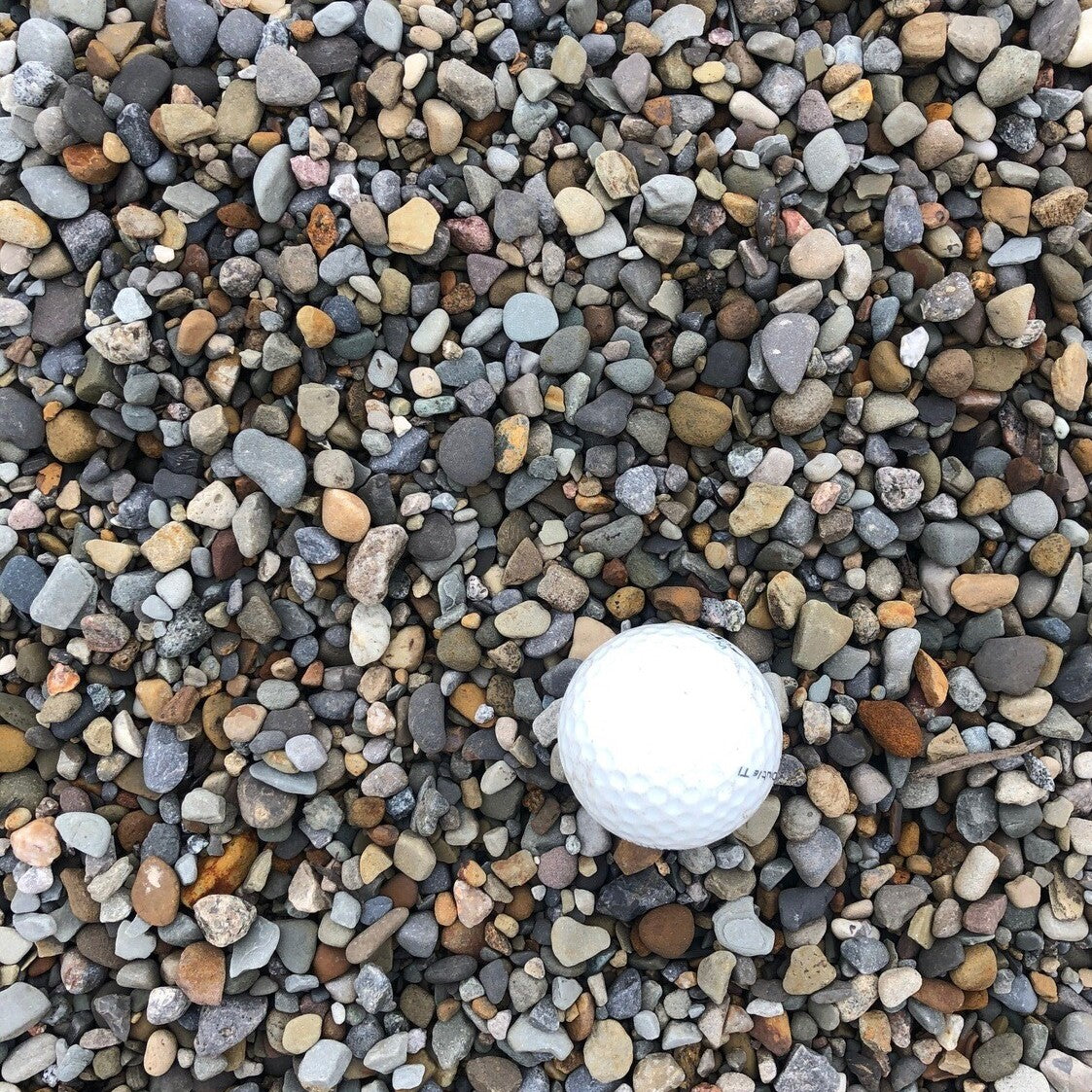
Classic pea gravel with smooth, rounded edges and natural earth tones. A versatile favorite for pathways, patios, drainage, and decorative ground cover.
I contacted Mulch Mound for #57 river rocks and it was easy and fast to get a delivery right before the holiday weekend. Stone was delivered as promised and place exactly where I asked. Excellent service! I will be ordering mulch next!
Classic pea gravel with smooth, rounded edges and natural earth tones. A versatile favorite for pathways, patios, drainage, and decorative ground cover.
I contacted Mulch Mound for #57 river rocks and it was easy and fast to get a delivery right before the holiday weekend. Stone was delivered as promised and place exactly where I asked. Excellent service! I will be ordering mulch next!
How Much Material Do I Need?
For decorative stone beds and borders in Nesconset, a 2 to 3 inch depth over landscape fabric gives you strong weed suppression and a clean, consistent appearance. For drainage applications or high-traffic pathways, plan for 3 to 4 inches to ensure stability on the sandy loam base beneath.
Use our free stone calculator
What is a yard?
A yard is approximately 27 cubic feet. As a general guideline, one yard of material can cover an area of about 100-160 square feet at a 2-3 inch depth.
I contacted Mulch Mound for #57 river rocks and it was easy and fast to get a delivery right before the holiday weekend. Stone was delivered as pro...
Read full review
I contacted Mulch Mound for #57 river rocks and it was easy and fast to get a delivery right before the holiday weekend. Stone was delivered as promised and place exactly where I asked. Excellent service! I will be ordering mulch next!
To estimate stone for your Nesconset project, measure the length and width of the area in feet and multiply for total square footage. A 2-inch depth is a good starting point for decorative beds, while drainage or pathway applications typically need 3 to 4 inches of material. Divide your cubic feet by 27 to get cubic yards, and consider rounding up slightly since stone settles into sandy loam during the first season.
Complete Your Outdoor Stone Project
Many Nesconset homeowners pair a stone order with bulk mulch to create a balanced landscape, using stone for low-traffic borders and high-drainage areas and mulch for active plant beds. Adding topsoil to regrade the areas adjacent to your stone installation ensures water flows where you intend it to and stays well away from your foundation.
In Nesconset, where sandy loam can shift and migrate upward through stone over time, always install a layer of commercial-grade landscape fabric before laying decorative stone. The fabric separates the stone from the sandy soil below, preventing the gradual blending of stone into the ground that causes beds to look thin after a few seasons. Overlap fabric seams by at least 6 inches and secure edges with ground staples before adding any stone on top.
Mulch Mound Pro Tip
Stone absorbs and radiates heat, which can be a real advantage in Nesconset's zone 7b spring. Laying stone paths or borders near a planting area as early as March can help warm the surrounding soil before the April 10 last frost date, giving cold-tolerant vegetables and spring-flowering bulbs in adjacent beds a slight head start. That stored warmth also helps moderate temperature dips on cool spring nights when frost risk is still present.
Mulch Mound Pro Tip
With 47 inches of annual rainfall moving through Nesconset each year, directing that water intentionally is one of the best investments you can make in your landscape. Use stone-lined swales or dry creek beds to channel runoff from downspouts and sloped lawn areas toward the street or a low point well away from your foundation. Sandy loam will absorb water quickly at the end of the channel, making stone drainage features highly effective and nearly maintenance-free once they are properly installed.
The Unique Landscape of Nesconset
Nesconset homeowners who want low-maintenance outdoor spaces find that bulk stone is one of the hardest-working materials on the property. Sandy loam soil is light and prone to erosion during the heavier rain events that push the area's annual total toward 47 inches, and stone provides a stable ground cover that holds up where bare soil or mulch would wash away. Along driveways, around foundations, and on slopes, a layer of gravel or decorative stone prevents the ruts and erosion channels that are common in this part of Suffolk County after summer downpours. Stone also stays looking fresh season after season without the annual refresh that organic mulch requires, making it the preferred choice for homeowners who want reliable curb appeal with minimal ongoing effort. In zone 7b, where the outdoor season is long and active, stone pathways and borders define outdoor living spaces and reduce the amount of turf that needs regular mowing and edging.
Frequently Asked Questions
Click a question to see the answer
Answer
What size stone works best for a backyard walking path in Nesconset?
For walking paths in Nesconset, a quarter-inch to half-inch crushed gravel or pea stone is a comfortable and practical choice. It compacts enough to feel stable underfoot but still allows rainwater to pass through freely, which is important in a sandy loam environment where you want water to drain into the ground rather than run off. Larger decorative stone like river rock works better for borders and beds where foot traffic is not a regular concern.
Answer
Will stone help control the erosion on the slope in my backyard?
Yes, stone is one of the most effective erosion control tools for Nesconset properties. Sandy loam is light and loose, and it erodes quickly on any slope that receives direct rainfall. A 2 to 3 inch layer of crushed stone or river rock holds the soil surface in place and slows the velocity of runoff, preventing the channels and bare patches that develop after heavy summer storms. Adding landscape fabric beneath the stone extends its effectiveness and reduces long-term maintenance.
Answer
How does stone compare to mulch for the foundation border around my house?
Stone has a real advantage over mulch for Nesconset foundation borders because it does not break down or need annual replacement. It also does not retain as much surface moisture against the foundation, which reduces the risk of pest and rot issues over time. Decorative stone in a uniform size and color gives foundation beds a clean, finished look that holds up reliably through 47 inches of annual rainfall without shifting or washing thin.
Answer
Is there a stone type that works well for drainage projects in my yard?
Clean crushed stone, often called clean stone or drainage stone, is the right material for drainage projects in Nesconset. It has angular edges that interlock without packing too tightly, so water passes through freely. It is commonly used in dry creek beds, French drain trenches, and along downspout discharge areas where directing water away from the foundation and across sandy loam soil is the primary goal.
Answer
How deep should I lay stone for a low-maintenance garden area in Nesconset?
For a low-maintenance stone bed in Nesconset, a 2 to 3 inch depth over landscape fabric is typically the right amount. That depth is deep enough to suppress weeds and protect the fabric beneath, but not so deep that small stones become difficult to walk on or work around. Sandy loam beneath the fabric will handle any water that passes through, so drainage is rarely a concern in this soil type.
Answer
Will stone shift or sink over time in Nesconset's sandy loam soil?
Sandy loam can allow stone to gradually settle, particularly in areas that see vehicle traffic or heavy foot traffic. For pathways and driveways, laying a compacted base layer of crushed stone before adding your decorative surface stone significantly reduces settling over time. In garden beds and borders where traffic is minimal, settling is slow and easy to correct with a small additional order every few years.
Answer
What is the best stone to use along a fence line or property border in Nesconset?
River rock or medium decorative gravel in a 1 to 3 inch size works well along fence lines in Nesconset. It keeps the area weed-free without needing to mow or edge against the fence, and it handles runoff from adjacent lawn areas without washing away during rain. Choose a stone size large enough to stay in place during heavy storms but easy to work around when you need access to the fence for repairs or maintenance.