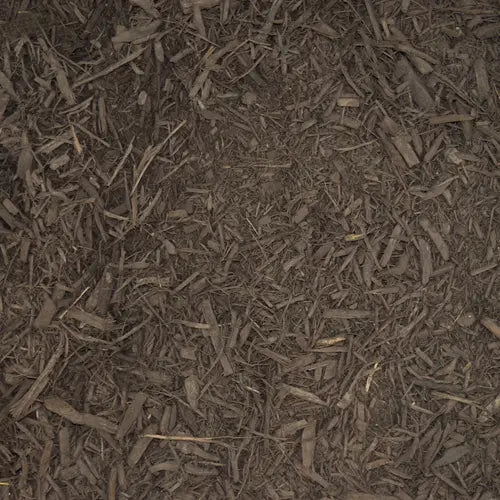
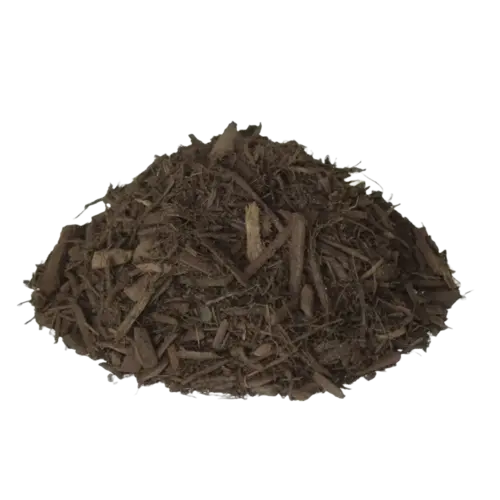
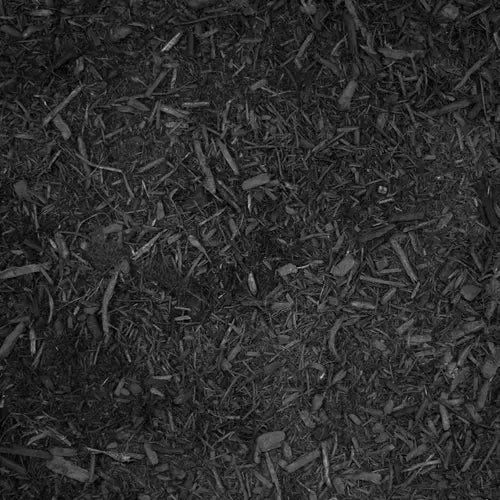
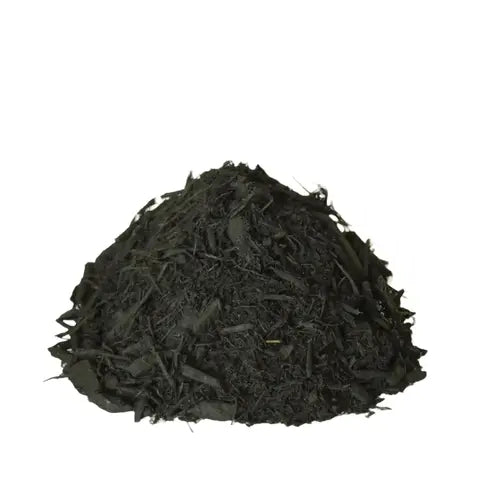
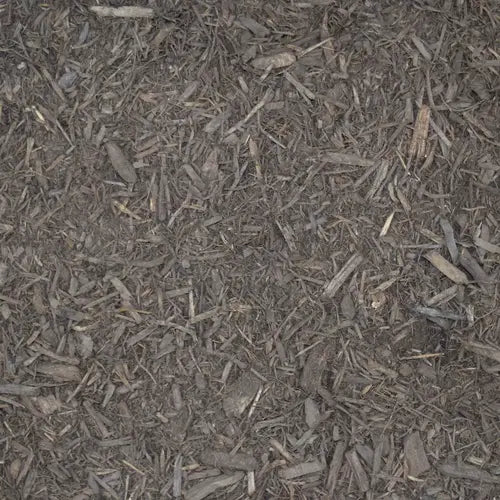
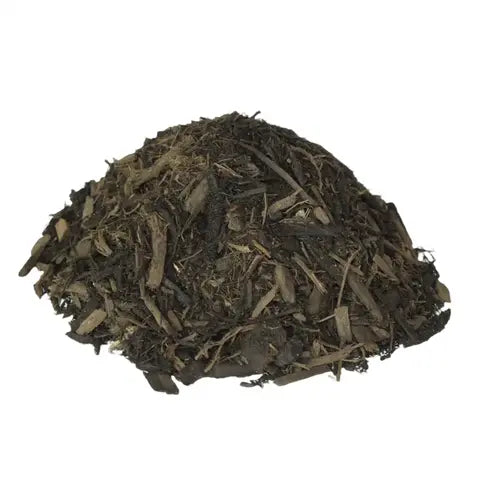
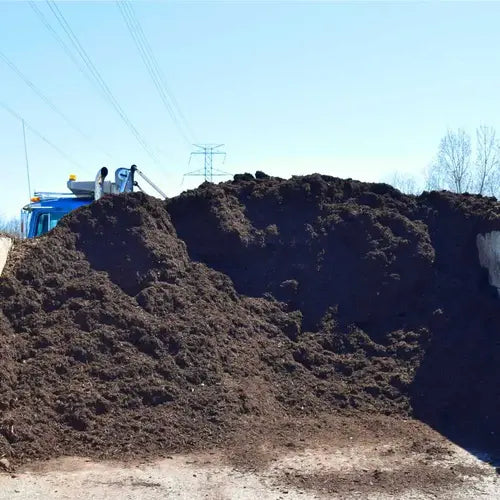
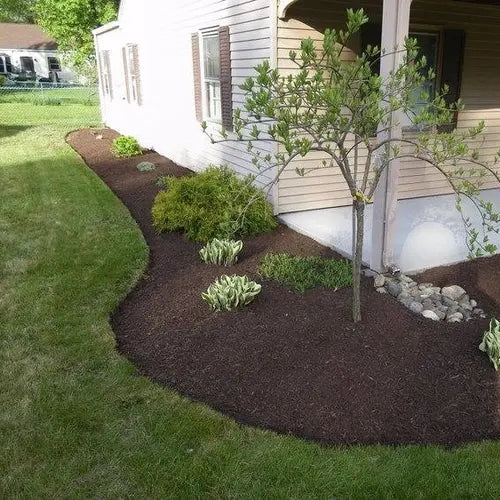
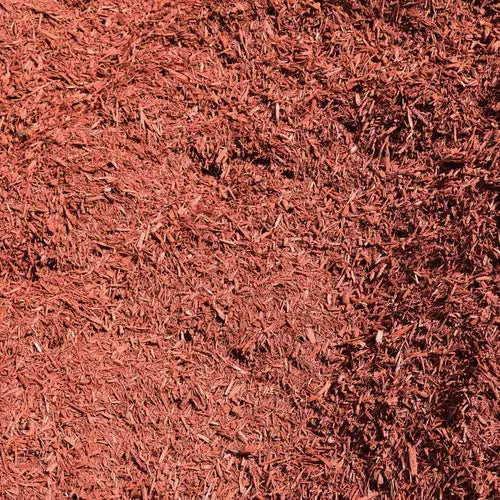
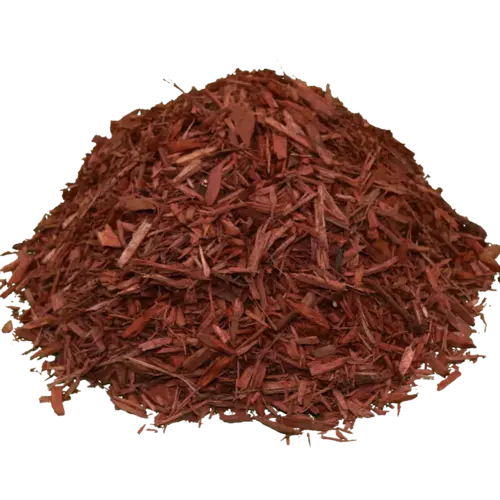
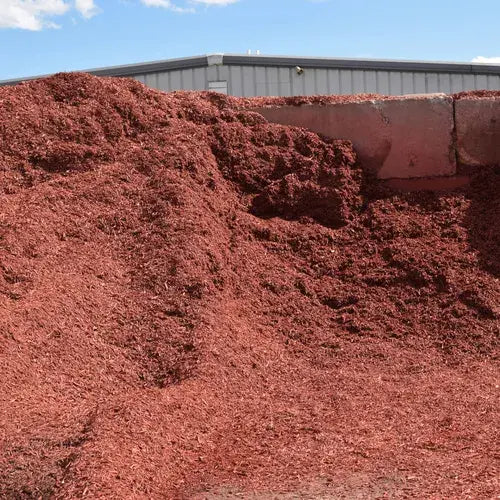
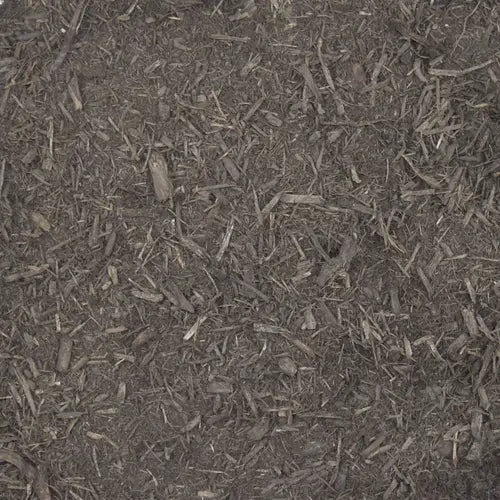
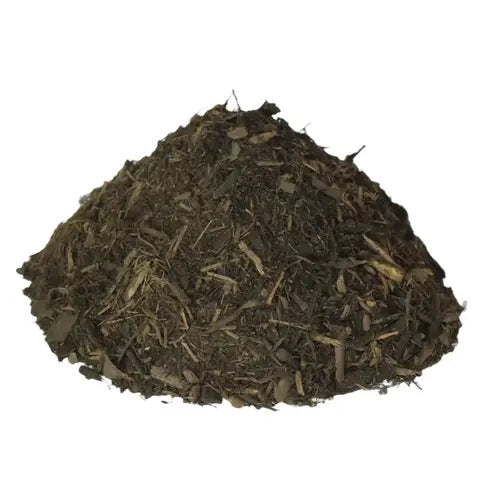
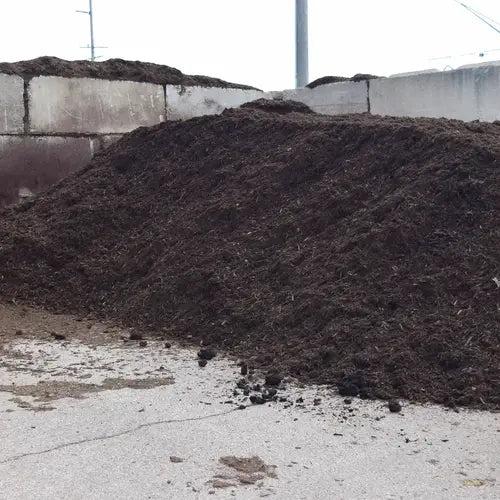
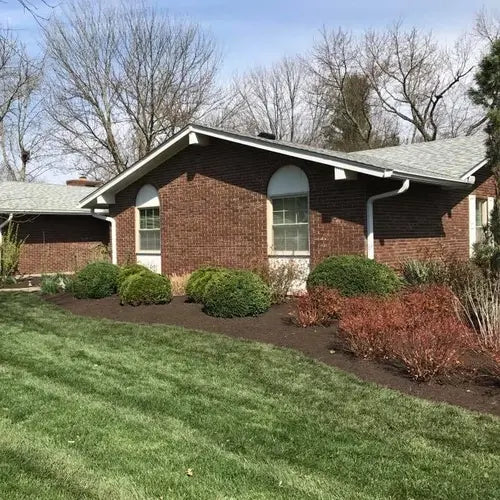
Warm brown double shredded mulch with lasting color that looks freshly applied for weeks. Spreads smooth, stays put, and gives beds a natural, polished appearance.
Mulch Mound delivered a yard of pea gravel to us. Delivery was on time, driver was friendly and hit a bullseye on the “tarp target”. We used the pea gravel (which was diameter as specified) to fill several muskrat holes around our pond. I would definitely recommend Mulch Mo...
Warm brown double shredded mulch with lasting color that looks freshly applied for weeks. Spreads smooth, stays put, and gives beds a natural, polished appearance.
Mulch Mound delivered a yard of pea gravel to us. Delivery was on time, driver was friendly and hit a bullseye on the “tarp target”. We used the pea gravel (which was diameter as specified) to fill several muskrat holes around our pond. I would definitely recommend Mulch Mo...
How Much Material Do I Need?
For most New York plant beds over urban fill, a 3-inch layer of mulch provides the right balance between weed suppression and avoiding the surface moisture buildup that promotes crown rot during Zone 7b's humid summers. Refresh annually with 1 to 2 inches to maintain effective coverage as the organic material decomposes into the depleted fill below.
Use our free mulch calculator
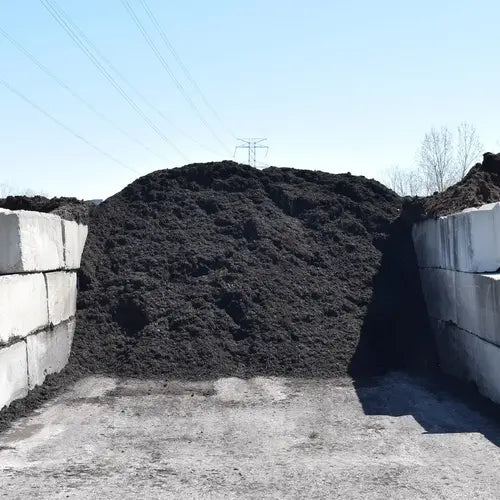
What is a yard?
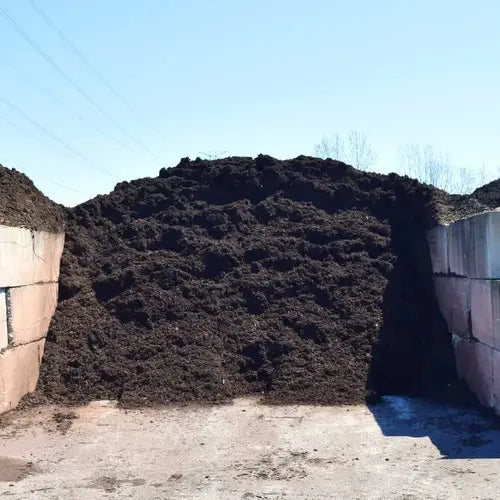
A yard is approximately 27 cubic feet. As a general guideline, one yard of material can cover an area of about 100-160 square feet at a 2-3 inch depth.
Mulch Mound delivered a yard of pea gravel to us. Delivery was on time, driver was friendly and hit a bullseye on the “tarp target”. We used the ...
Read full review
Mulch Mound delivered a yard of pea gravel to us. Delivery was on time, driver was friendly and hit a bullseye on the “tarp target”. We used the pea gravel (which was diameter as specified) to fill several muskrat holes around our pond. I would definitely recommend Mulch Mound to a friend!
I can’t say enough good things about Mulch Mound! If you read my review below you will see I had a problem with my order. Mulch Mou...
Read full review
UPDATE!
I can’t say enough good things about Mulch Mound! If you read my review below you will see I had a problem with my order. Mulch Mound was quick to respond and solved the issue with my delivery. Will definitely be a customer next year.
First time purchase from Mulch Mound!! First what I liked! Easy to order online and straight forward pricing and delivery. The driver was on time and courteous and delivered my Mulch exactly where I requested! The product is of good quality and comparable to others I have purchased from before. Now what I DID’NT LIKE! I have been mulching the same house and yard for almost 20 years. I always order the same amount and don’t have any issues with covering the same area but this year I fell about a yard short. I was home when the mulch was delivered and when the driver dumped it I noticed that it seemed a bit less than I was used to. I didn’t apply it any thicker than usual and probably a bit thinner than usual because I was worried about running out.
Measure the length and width of each bed in feet and multiply to get square footage, then divide by 100 to estimate cubic yards needed at a 3-inch depth. New York's urban fill soil tends to compact and settle, so ordering slightly more than your calculation suggests is a good practice for new beds. Areas near impervious surfaces like sidewalks and curbs may need a slightly thicker application to compensate for faster drainage along hard edges.
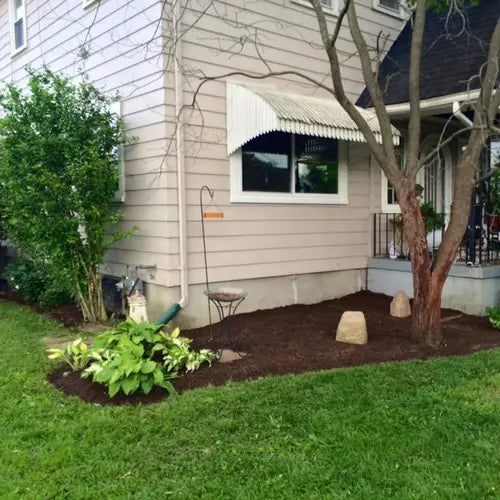
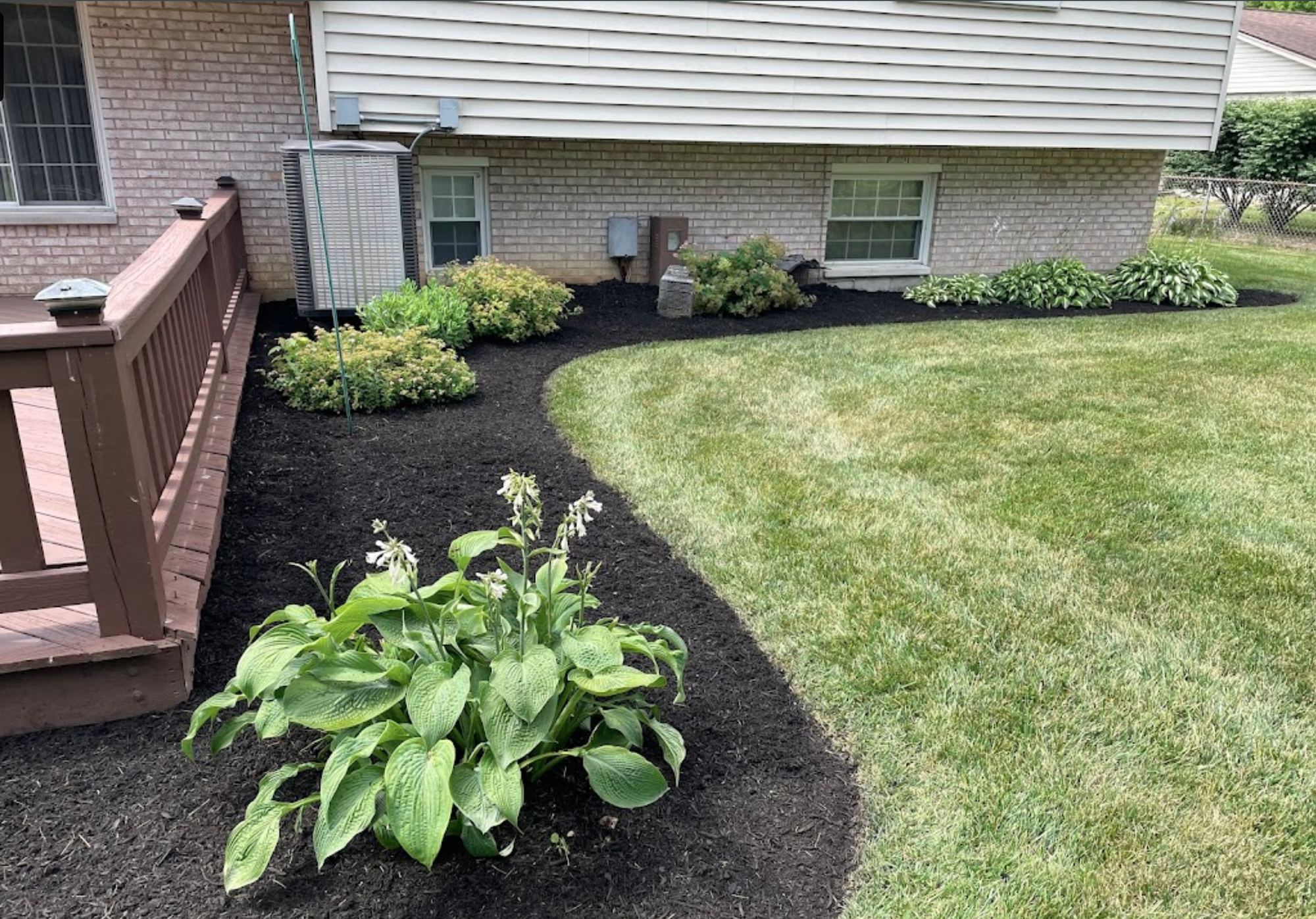
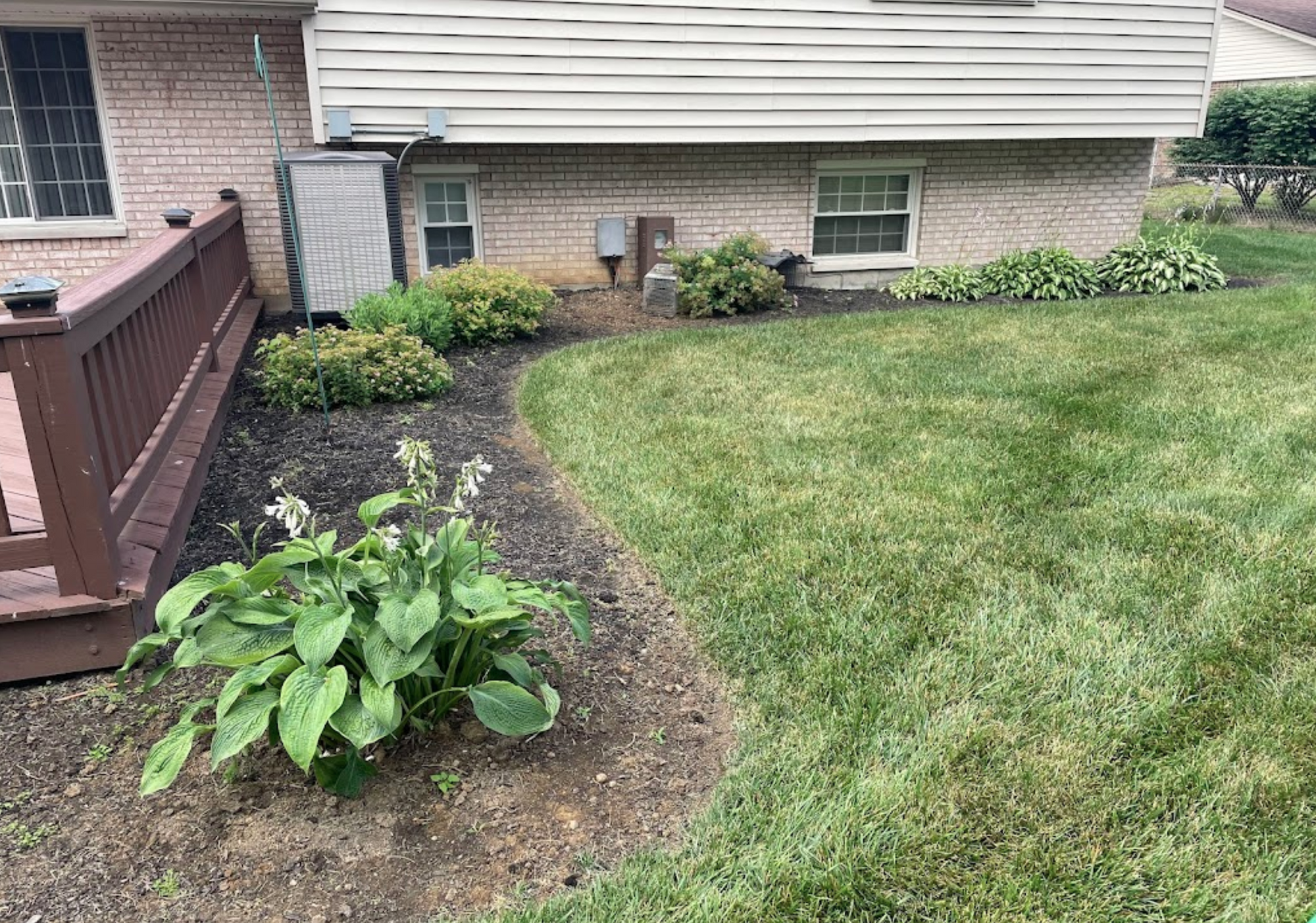
Mulch vs. No Mulch: The Difference
New York's combination of humid summers and cold Zone 7b winters means natural hardwood mulch breaks down at a moderate pace, typically needing a refresh every 12 to 18 months as it decomposes into the urban fill below. Dyed mulch uses a denser wood base that resists breakdown longer, which is useful for high-visibility beds where consistent color matters through the full April-to-November growing season. Both types perform well in New York's climate, but natural mulch adds measurable organic matter back to depleted urban fill soil while dyed mulch prioritizes aesthetics and longevity of appearance.
Before
After
Best Mulch Choice for New York Lawns
Most yards in the New York area sit on Urban Fill type of soil. New York's urban fill soil is often low in organic matter and prone to compaction, which limits the ability of plant roots to access water and nutrients even when conditions above ground look adequate.
Hardwood Mulch
Hardwood mulch breaks down slowly and feeds beneficial soil microbes as it decomposes, gradually improving the structure of New York's urban fill and increasing its capacity to retain moisture and nutrients between the rain events that arrive throughout the year.
Complete Your Outdoor Mulch Project
If your urban fill soil is too depleted to support healthy plants, consider pairing your mulch order with a bulk topsoil or garden soil delivery to build up beds before mulching. Adding a stone border around your beds is also a practical move in New York, where 47 inches of annual rainfall can scatter loose mulch across walkways and lawn areas over time.
In New York, the last frost falls around April 7, so aim to lay fresh mulch in early to mid April as soil temperatures begin to climb. Applying mulch before the first flush of spring weeds germinate in your urban fill is far more effective than trying to smother established weeds after the fact. A clean 3-inch layer applied at this window gives your beds a strong start heading into the long growing season without the chemical inputs that urban fill soil already struggles to process.
Mulch Mound Pro Tip
New York's Zone 7b winters bring hard freezes well before the November 11 first frost date, and urban fill soil loses heat quickly due to its low organic content. Keeping a consistent mulch layer through fall insulates root zones and slows the freeze-thaw cycles that heave shallow-rooted perennials out of the ground. Natural hardwood mulch that has partially decomposed also contributes organic matter that urban fill desperately needs, making fall mulching a two-for-one investment in next year's soil health.
Mulch Mound Pro Tip
With 47 inches of rainfall per year distributed unevenly across New York's seasons, moisture management in your beds can swing quickly from waterlogged to bone dry. A 3-inch hardwood mulch layer buffers both extremes, slowing evaporation during July and August dry spells while reducing the surface runoff that strips nutrients from urban fill during heavy spring storms. Check mulch depth each spring and fall to make sure natural settling has not thinned your coverage below 2 inches, which is when weed pressure and moisture loss pick back up noticeably.
Frequently Asked Questions
Click a question to see the answer
Answer
How often should I refresh mulch in my New York yard?
In New York's Zone 7b climate, natural hardwood mulch typically breaks down over 12 to 18 months as it decomposes into the urban fill below. Plan to add 1 to 2 inches of fresh mulch each spring, ideally just before the last frost window closes around April 7, to restore coverage and continue improving your soil's organic content heading into the growing season.
Answer
Will mulch actually help with my compacted urban fill soil?
Yes, and it is one of the most practical improvements you can make. New York's urban fill is low in organic matter and compacts easily, which restricts root growth and water infiltration. As natural hardwood mulch decomposes over time, it feeds beneficial soil microbes and gradually adds organic matter back into the fill, improving its structure and moisture-holding capacity with each passing season.
Answer
My beds are on a slight slope. Will New York's heavy rains wash my mulch into the street?
Sloped beds in New York are vulnerable to mulch displacement during the intense rain events that contribute to the city's 47 inches of annual rainfall. Shredded hardwood or bark mulch interlocks as it settles and resists movement far better than nugget or chip styles on grades. Installing a low stone or metal edging at the downhill edge of your beds also helps keep mulch in place during heavy downpours.
Answer
When is the best time to put down mulch in New York?
Early to mid April is the ideal window in New York, right after the last frost date of April 7 when soil temperatures begin to climb. Applying mulch at this point suppresses the first flush of spring weeds before they germinate in your urban fill and insulates the warming soil to help new plantings establish quickly. A second light application in late October, before the November 11 first frost, helps protect root zones through winter.
Answer
How deep should I apply mulch over urban fill soil in my New York beds?
A 3-inch layer is the right target for most New York beds over urban fill. That depth provides meaningful weed suppression and moisture retention without creating the overly wet conditions at the soil surface that can lead to crown rot in Zone 7b's humid summers. Keep mulch pulled back about 2 inches from plant stems and tree trunks to allow air circulation.
Answer
Will dyed mulch fade quickly in New York's humid summers?
Dyed mulch holds its color reasonably well through New York's growing season if it is applied fresh and receives some sun exposure to help set the colorant. Shaded beds in urban New York yards, where buildings block direct sun, tend to see faster fading because moisture lingers longer. If color retention through the full April-to-November season is a priority, plan to freshen dyed mulch each spring rather than relying on a single application to last two years.
Answer
Does mulch attract rats or other pests that are already a problem in New York City?
Mulch itself does not attract rodents, but thick piles of mulch applied too deep can create harborage if other food sources are nearby. Keeping mulch at the recommended 3-inch depth, away from building foundations and fence lines, reduces any nesting appeal. Avoid piling mulch directly against your home's exterior, especially in urban New York neighborhoods where rodent pressure from surrounding areas is already elevated.
The Unique Landscape of New York
New York's urban fill soil is a patchwork of compacted debris, construction rubble, and displaced topsoil that drains poorly and struggles to support healthy plant life on its own. A consistent layer of mulch creates a protective buffer between this compromised soil and the roots that depend on it, moderating soil temperatures through Zone 7b's wide seasonal swings. With 47 inches of rainfall annually, bare beds in New York erode quickly, and mulch acts as a first line of defense against nutrient washout during heavy spring and summer storms. The growing season stretches from the last frost around April 7 through the first frost around November 11, giving plants a solid window, but only if the root zone stays protected through late spring heat and summer humidity. Mulch also suppresses the aggressive weeds that thrive in New York's disturbed urban fill, reducing competition for whatever nutrients the soil can provide.