





Very happy with the ease of ordering. Delivery went exactly as planned. Garden soil looks great and couldn’t be happier.
About this soil
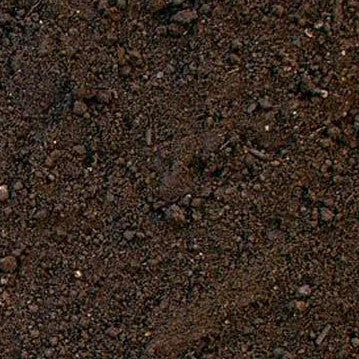
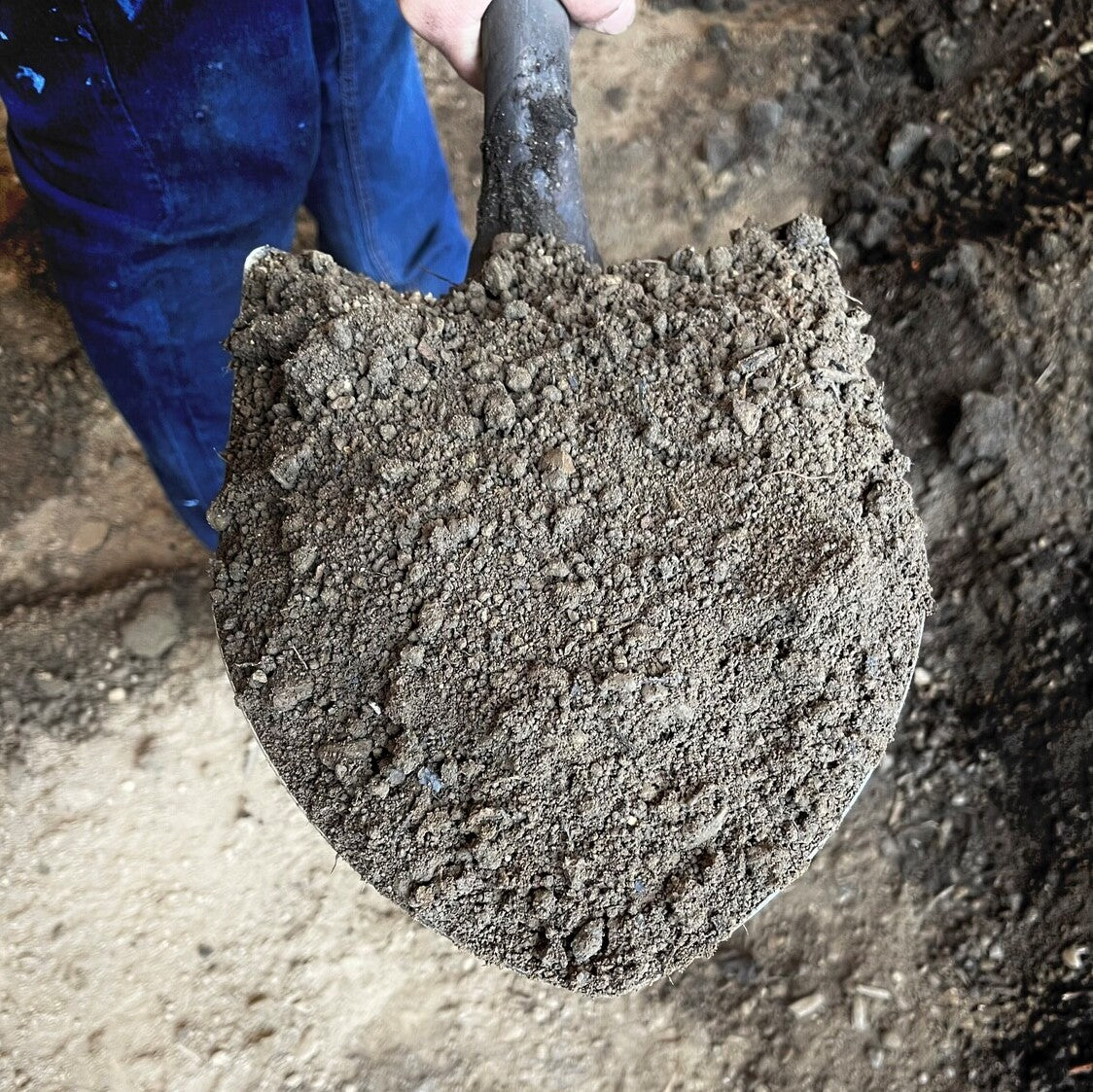
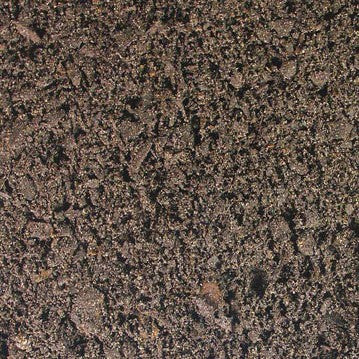
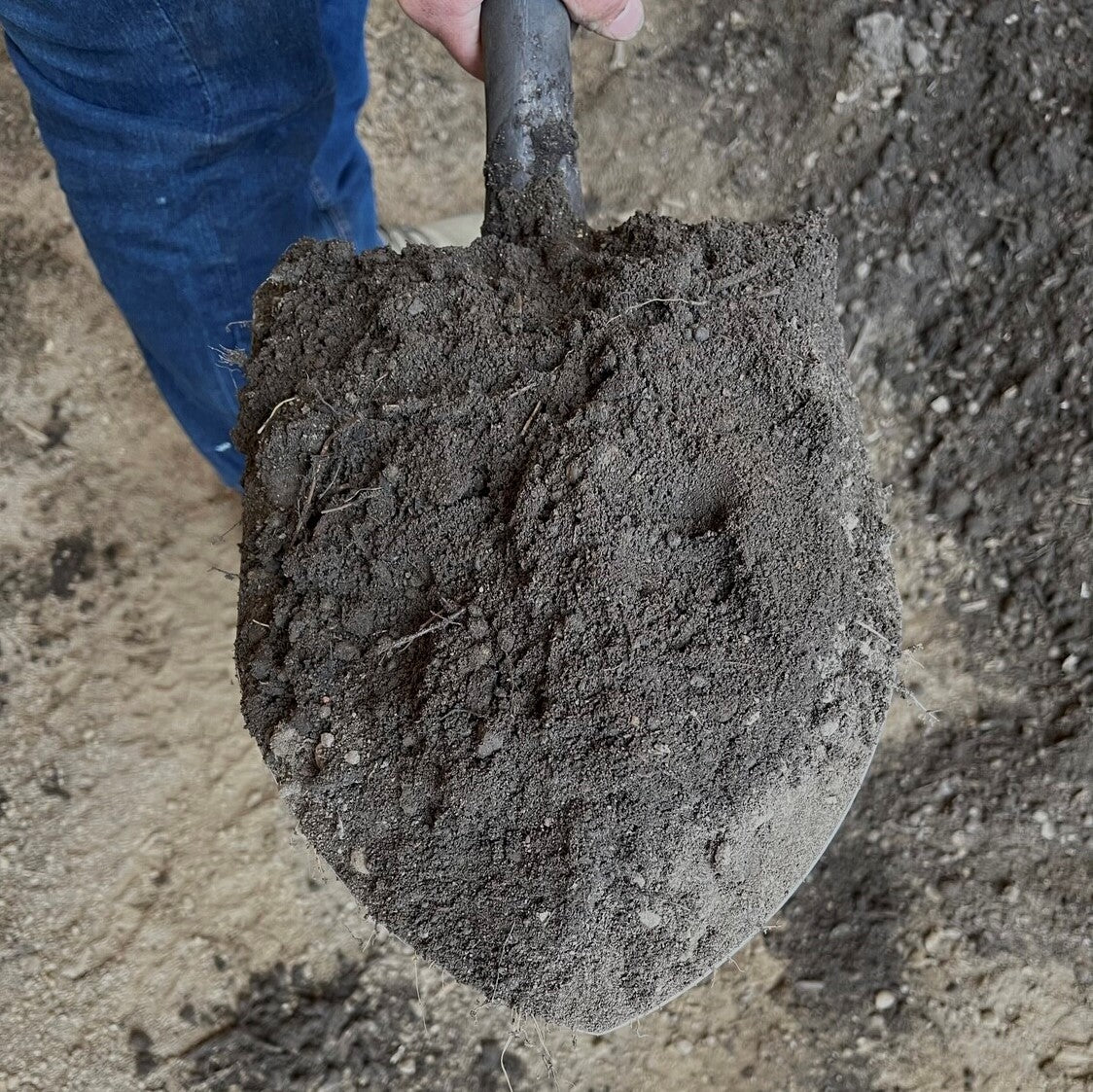
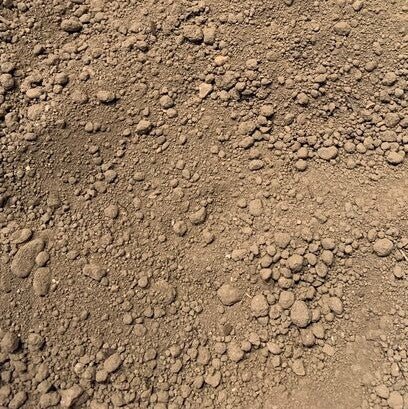
Quality topsoil for lawns, gardens, and landscape projects. Nutrient rich and ready to support strong root development and healthy plant establishment.
Very happy with the ease of ordering. Delivery went exactly as planned. Garden soil looks great and couldn’t be happier.
Tell us what you're looking for
Thanks! We received your request.
Something went wrong. Please try again.
New York Soil Delivery
New York Soil Delivery
Regular price
$68.00
per
yard
Regular price
Sale price
$68.00
Unit price
per
Minimum of 3 yard
Couldn't load pickup availability
1 tree planted for every order
About this soil
Quality topsoil for lawns, gardens, and landscape projects. Nutrient rich and ready to support strong root development and healthy plant establishment.
Very happy with the ease of ordering. Delivery went exactly as planned. Garden soil looks great and couldn’t be happier.
How Much Material Do I Need?
How Much Material Do I Need?
For lawn leveling over New York's urban fill, 2 to 4 inches of topsoil is typically sufficient to establish a smooth grade and support turf roots through the growing season. Garden beds and new planting areas benefit from 6 to 8 inches of quality soil to give roots room to develop before they encounter the compacted fill layer below.
Use our free soil calculator
What is a yard?
What is a yard?
FAQs
FAQs
Tell us what you're looking for
Thanks! We received your request.
Something went wrong. Please try again.
How It Works
Getting started is easy — just follow these simple steps
1
Choose your soil
Make sure you adjust the quantity to your home's needs. You can use our calculator to estimate how much you'll need.
2
Select your delivery date
Select a delivery date you'd like for the product to be dropped off at your home
3
Sit back and wait
Sit back, wait, and let us work our magic to make sure the highest quality product is delivered to your driveway.

Really appreciate the care and follow thru that this company had with our order. A hiccup came up but they were quick to respond and address all co...
Read full review
Really appreciate the care and follow thru that this company had with our order. A hiccup came up but they were quick to respond and address all concerns, which made our garden day a success! Thank you for your prompt care.

Highest compliments. Great driver.
Website is easy to navigate. Just a seamless process. 5 stars!!
Need Help Calculating How Much Soil You Need?
Use our NEW Trace from Satellite tool to get an estimate for your project based on an aerial view of your property
Try Our CalculatorMeasure your project area in feet, multiply length by width, then multiply that number by the depth in feet you plan to add, and divide by 27 to convert to cubic yards. In New York, urban fill often hides low spots that only become obvious after a heavy rain, so walk your yard following a storm before finalizing your estimate. Adding 10 to 15 percent to your calculated volume is a reliable buffer when grading over uneven fill material that shifts as you work.
Complete Your Outdoor Soil Project
Once your new soil is in place, finish the job with a layer of mulch to protect the surface from New York's heavy spring rains and slow summer evaporation from the improved root zone. Stone edging or gravel borders can also define graded areas and prevent fresh soil from migrating during the 47 inches of annual rainfall New York receives throughout the year.


Mulch Mound Pro Tip
New York's urban fill creates drainage problems that fresh topsoil alone cannot always solve if the underlying grade is working against you. Before spreading new soil, walk your yard after a heavy rain and note exactly where water collects, then build your grade to direct runoff away from foundations and low spots at a consistent slope. Even a subtle fall of 1 inch per 10 feet is enough to move water through a New York yard without pooling or saturating the fill layer beneath your new soil.
Mulch Mound Pro Tip
New York's last frost falls around April 7, and raised beds filled with quality garden soil can be planted earlier than in-ground beds because the elevated soil warms faster in spring sunshine. Building your raised bed frames and filling them with bulk soil in late March gives you a genuine head start on the growing season that urban fill beds cannot match. The improved drainage in a properly filled raised bed also means you are not fighting the waterlogging that compacted New York urban fill creates after every significant rain event.
Mulch Mound Pro Tip
With 47 inches of annual rainfall arriving in New York, freshly spread soil is vulnerable to erosion before vegetation or mulch has time to establish a protective surface. Seed bare areas immediately after grading and cover them with a light layer of straw to hold the surface in place through the first several storms. On any slope where graded fill meets new topsoil, consider pinning a biodegradable jute erosion mat over the seeded area until grass or groundcover roots knit the soil together securely.
The Unique Landscape of New York
Most yards in New York are sitting on urban fill, a mix of compacted dirt, construction debris, and displaced subsoil that was never intended to grow plants or support a healthy lawn. This material drains inconsistently, compacts under foot traffic, and lacks the organic content that roots need to establish and thrive in Zone 7b conditions. Bringing in quality bulk topsoil or garden soil lets you build beds, level lawns, and create growing environments that your native urban fill simply cannot provide on its own. New York receives about 47 inches of rain per year, and poorly graded fill soil channels that water unpredictably, leading to soggy low spots and dry elevated areas within the same yard. Fresh soil delivery gives you control over grade, drainage, and fertility from the start of the April 7 growing season through the final plantings before the November 11 frost.
Explore other options for landscape supply delivery in New york, New york