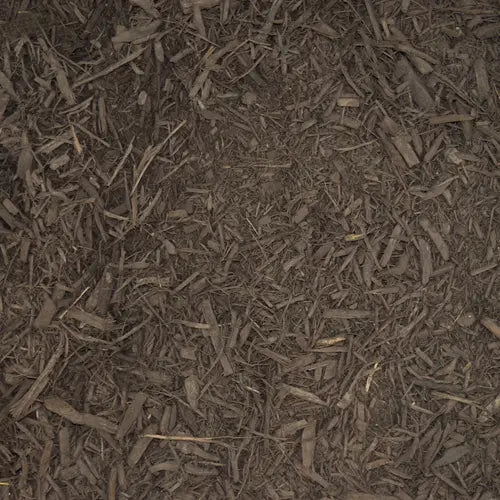
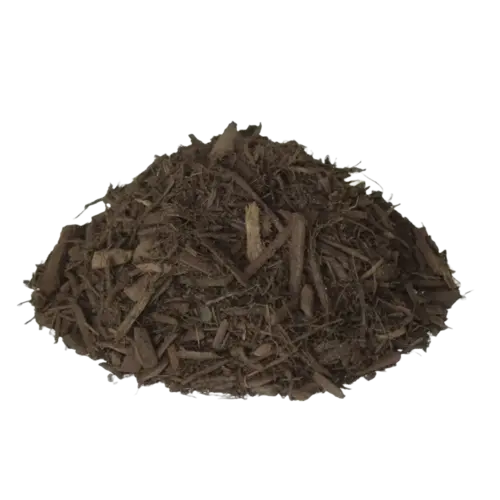
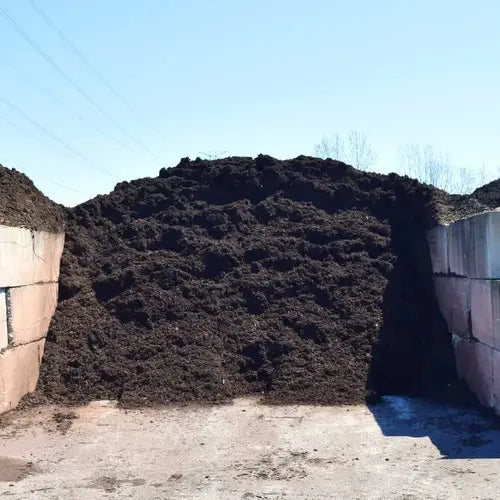
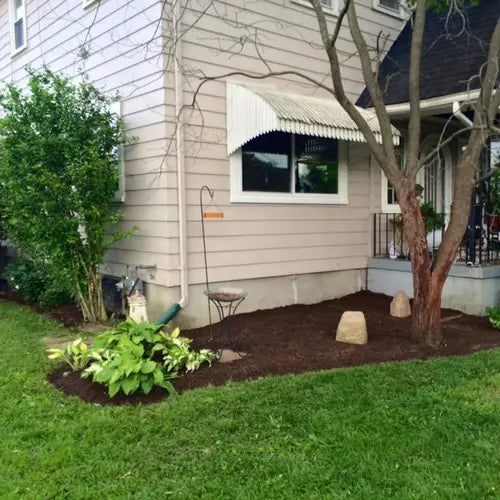
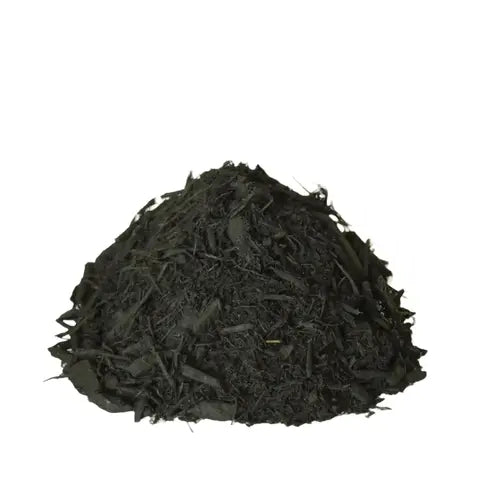
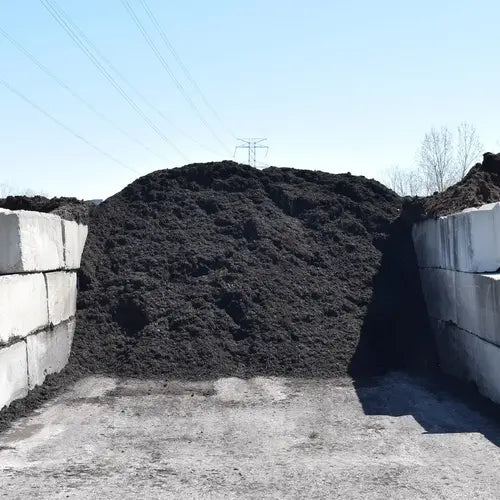
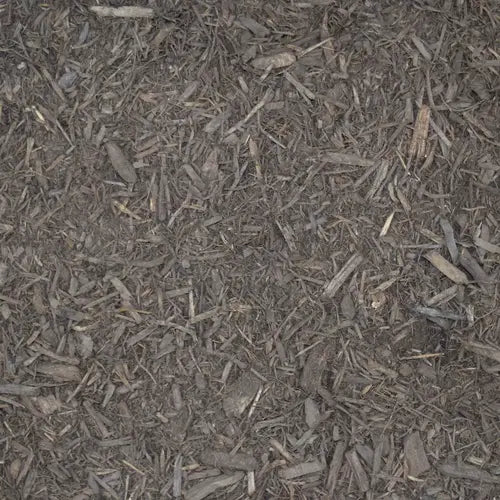
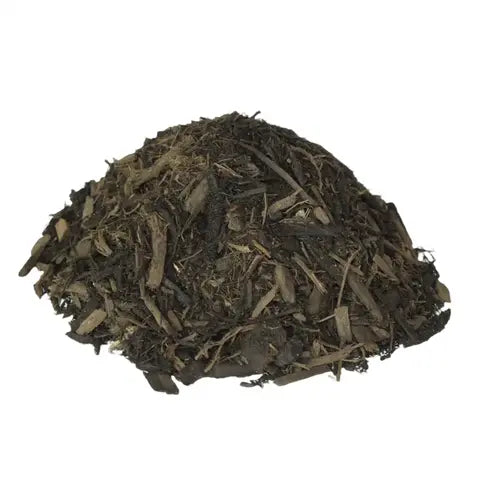
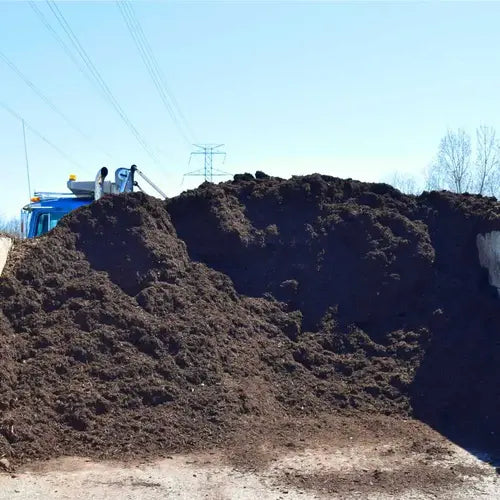
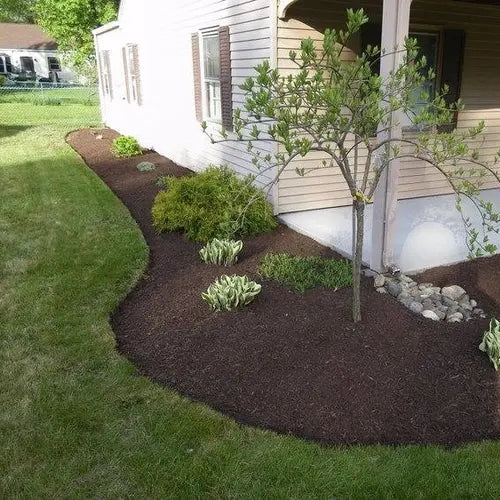
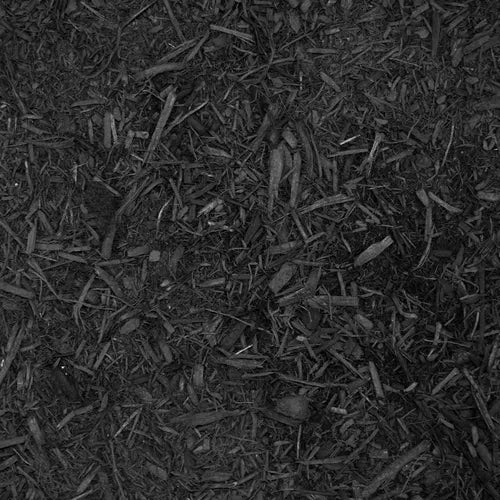
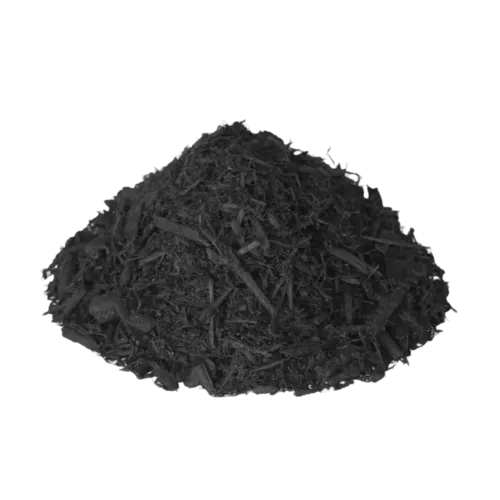
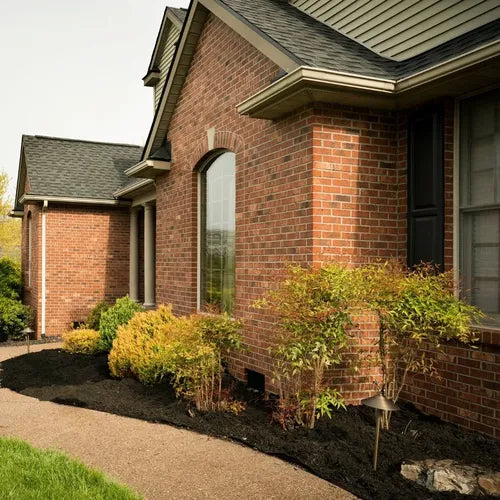
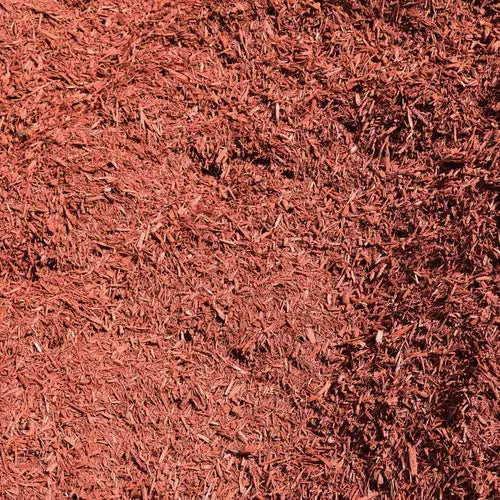
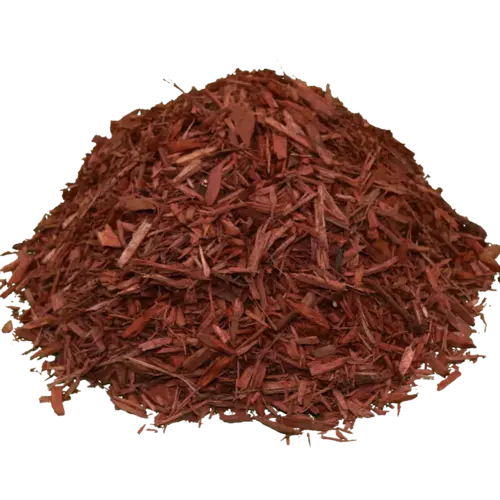
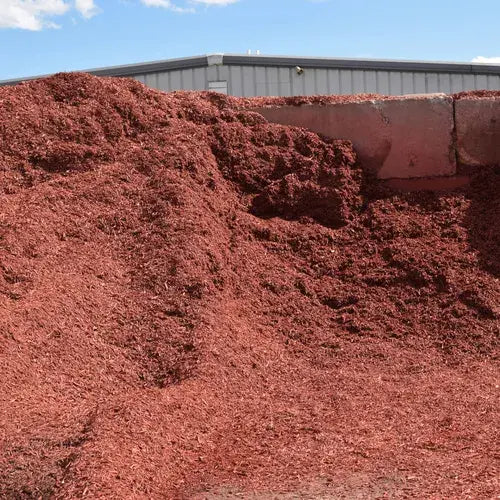
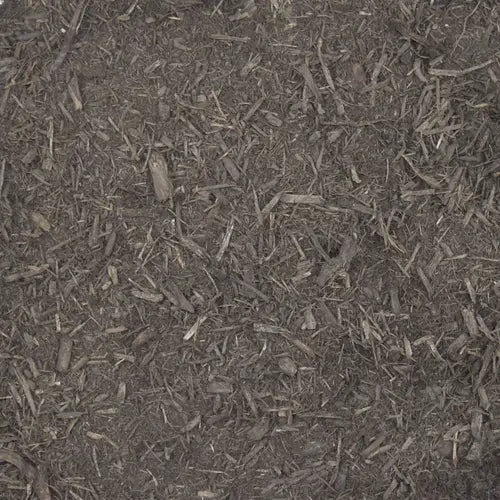
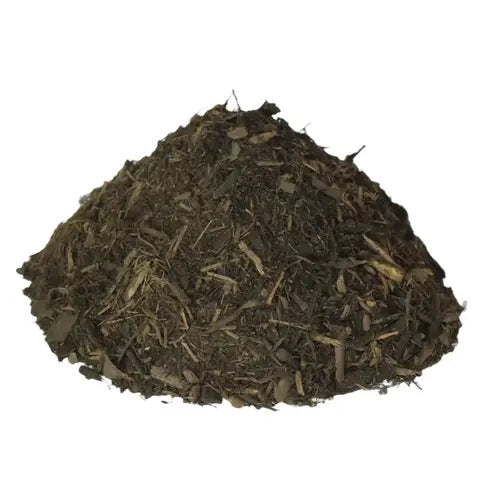
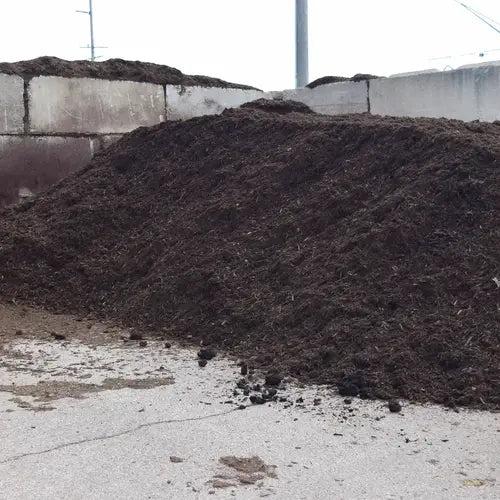
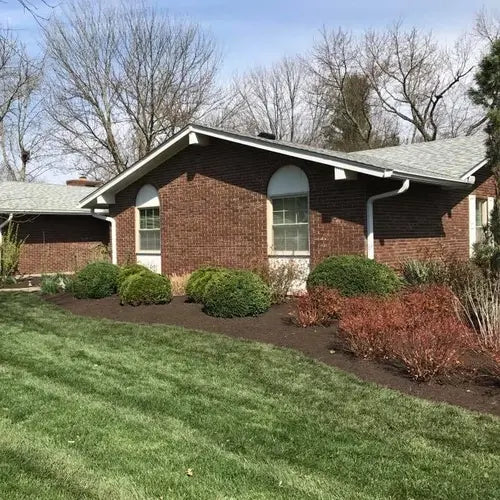
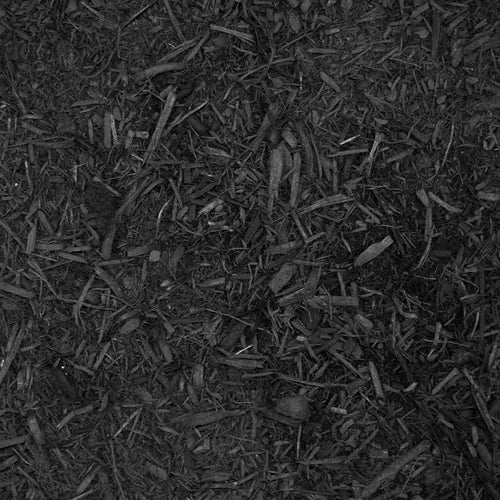
Warm brown double shredded mulch with lasting color that looks freshly applied for weeks. Spreads smooth, stays put, and gives beds a natural, polished appearance.
I highly recommend Mulch Mound. The quality of the mulch is very good. The ordering system on their website makes it very easy. The delivery driver did a great job placing the mulch on the driveway. To finish off, the pricing was very reasonable as well.
Tell us what you're looking for
Thanks! We received your request.
Something went wrong. Please try again.
How Much Material Do I Need?
Apply mulch 3 inches deep over North Wantagh sandy loam beds, as shallower layers dry out too quickly between rain events while layers deeper than 4 inches can suffocate roots during the warmer zone 7b growing season.
Use our free mulch calculator
What is a yard?
A yard is approximately 27 cubic feet. As a general guideline, one yard of material can cover an area of about 100-160 square feet at a 2-3 inch depth.
We can't take orders for this right now. Tell us what you need and we'll get back to you.
What do you need?
Thanks! We received your request.
Something went wrong. Please try again.
Hand-picked local yards
4,000+ regional deliveries
Dedicated support
Why order through Mulch Mound
The best local mulch, without the guesswork.
We hand-pick and partner with the best yards in your region, keep only the ones our buyers rate well, and back each load with our guarantee.
Mulch Mound Guarantee
If your mulch isn't the quantity or quality you ordered, we'll make it right.
About this mulch
Warm brown double shredded mulch with lasting color that looks freshly applied for weeks. Spreads smooth, stays put, and gives beds a natural, polished appearance.
I highly recommend Mulch Mound. The quality of the mulch is very good. The ordering system on their website makes it very easy. The delivery driver did a great job placing the mulch on the driveway. To finish off, the pricing was very reasonable as well.
How Much Material Do I Need?
Apply mulch 3 inches deep over North Wantagh sandy loam beds, as shallower layers dry out too quickly between rain events while layers deeper than 4 inches can suffocate roots during the warmer zone 7b growing season.
Use our free mulch calculator
What is a yard?
A yard is approximately 27 cubic feet. As a general guideline, one yard of material can cover an area of about 100-160 square feet at a 2-3 inch depth.
I highly recommend Mulch Mound. The quality of the mulch is very good. The ordering system on their website makes it very easy. The delivery driver...
Read full review
I highly recommend Mulch Mound. The quality of the mulch is very good. The ordering system on their website makes it very easy. The delivery driver did a great job placing the mulch on the driveway. To finish off, the pricing was very reasonable as well.
They offered a quick turnaround and delivered high quality mulch at a reasonable price. They also dropped it off exactly where I told them to put i...
Read full review
They offered a quick turnaround and delivered high quality mulch at a reasonable price. They also dropped it off exactly where I told them to put it. Good service!
Measure each bed's length and width in feet and multiply to get square footage, then divide by 108 to find the cubic yards needed for a 3-inch layer. That 3-inch depth is the recommended target for North Wantagh's fast-draining sandy loam, as shallower applications dry out between rain events. Ordering a 10 percent buffer helps account for uneven bed surfaces and first-season settling.
Mulch vs. No Mulch: The Difference
North Wantagh's coastal humidity and 45 inches of annual rainfall mean organic mulches decompose more quickly here than in drier inland areas, so natural hardwood options feed the sandy loam soil as they break down, providing genuine long-term benefit to your beds. Dyed mulches often maintain a bolder color through the first season, which appeals to homeowners refreshing front-yard curb appeal, but the colorants do not add organic value to the soil below.
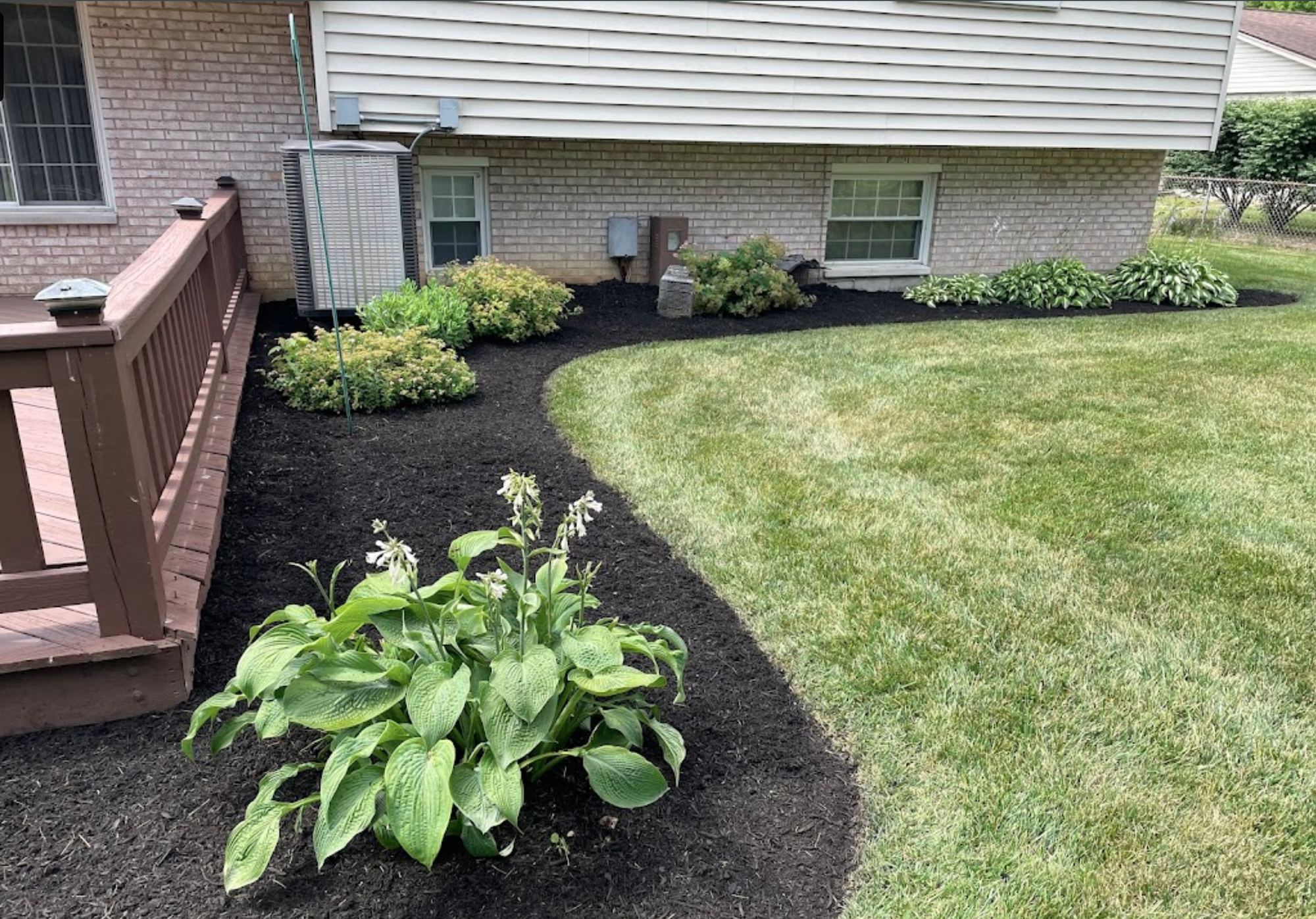
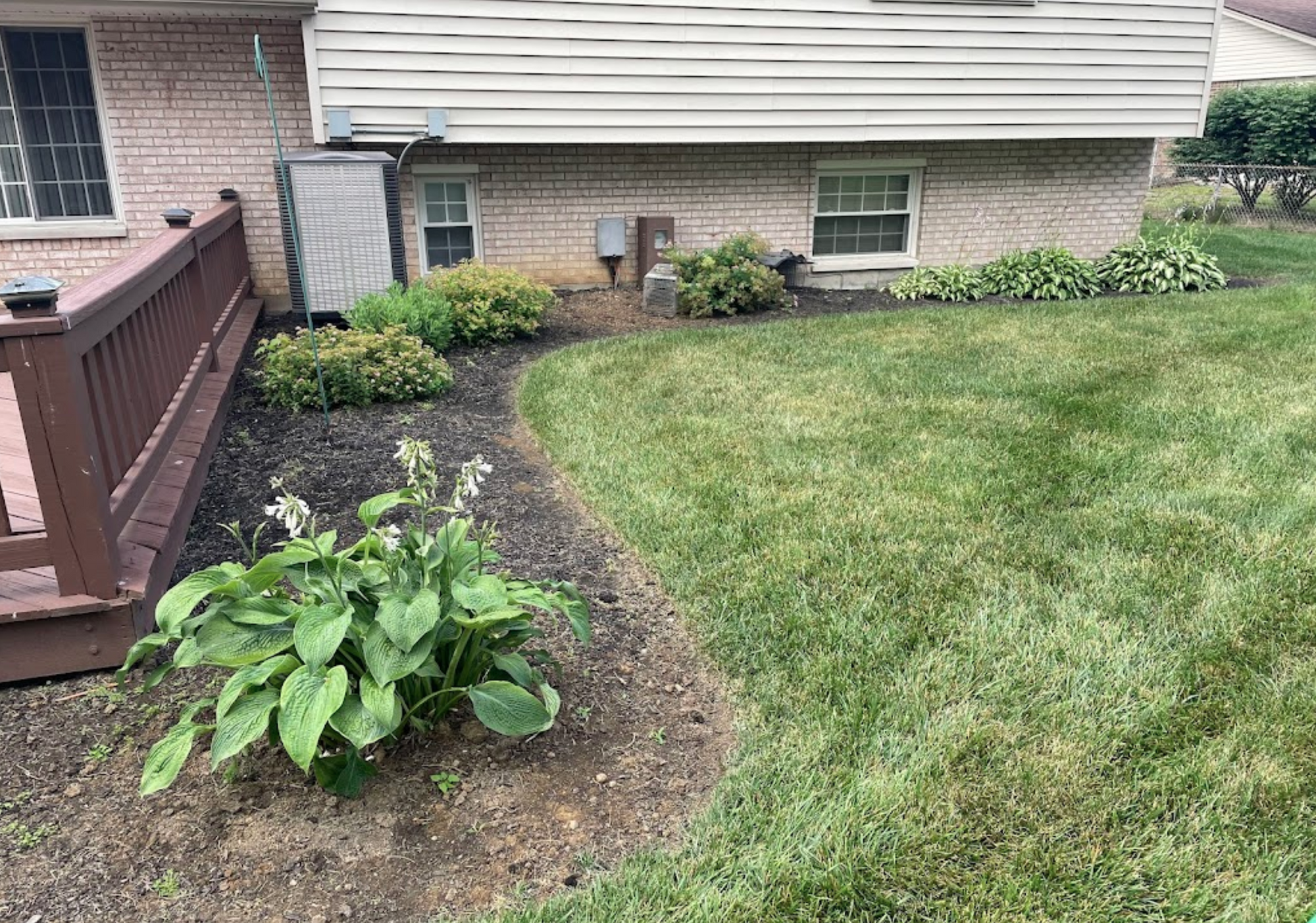
Before
After
Best Mulch Choice for North Wantagh Lawns
Most yards in the North Wantagh area sit on Sandy Loam type of soil. Sandy loam soil in North Wantagh holds nutrients loosely and can become depleted over time, so plant beds benefit from a mulch that actively contributes organic matter back into the soil profile as it breaks down season after season.
Hardwood Mulch
Hardwood mulch breaks down into a fine humus layer that improves the nutrient-holding capacity of sandy loam soil, giving North Wantagh plant beds a progressively richer growing medium each year that soil amendments alone cannot replicate as efficiently or as naturally.
Mulch Types We Deliver in North Wantagh
Mulch Mound brings bulk mulch delivery to North Wantagh by the cubic yard, dropped directly on your property so you can tackle any size landscaping project. Long Island's humid summers and sandy soil make regular mulching valuable for moisture retention and keeping beds free of weeds. Browse our most popular varieties below and order the amount you need.
Dyed Black Mulch
The deep black color contrasts sharply with green plantings and holds strong through Long Island's wet springs and hot summers. Available in double shredded for everyday beds or triple shredded for a finer finish in more detailed landscape areas.
Dyed Brown Mulch
Warm brown tones suit the traditional home styles common in this part of Nassau County and give beds a polished, freshly finished look. Choose double or triple shredded depending on the size of your beds and how fine a texture you prefer.
Natural Brown Mulch
Undyed and drawing its color from the wood itself, this is a clean, honest look that works well in naturalistic gardens. Available in double or triple shredded, it adds organic matter to Long Island's sandy soil as it breaks down over time.
Dyed Red Mulch
A vibrant accent color that makes green plantings pop and adds visual interest to front yard beds. Both double and triple shredded options are available, and the color holds well through the region's rainy springs without fading quickly in the sun.
Complete Your Outdoor Mulch Project
Pair your mulch order with a quality topsoil to build up low or depleted beds before mulching, and consider a decorative stone border to frame beds and keep material in place through North Wantagh's heavier late-summer rain events.
In North Wantagh, spring planting begins in earnest after the April 7 last frost, which makes early April the ideal time to refresh mulch in your beds. Pulling back old mulch, loosening the sandy loam surface with a hand fork, and then laying fresh material gives new transplants the moisture-retentive environment they need to establish roots before summer heat arrives. Timing this task with your first planting weekend saves extra effort later in the season.
Mulch Mound Pro Tip
Keep mulch pulled back about 2 inches from the base of shrub stems and tree trunks in your North Wantagh yard. Coastal humidity combined with zone 7b warmth creates persistently moist conditions that encourage crown rot where mulch presses against woody tissue. A small gap at the base of each plant improves airflow and reduces disease pressure through the long humid stretch from June through September.
Mulch Mound Pro Tip
North Wantagh receives roughly 45 inches of rain each year, but that rainfall is often uneven, with noticeable dry stretches in July and August. A 3-inch hardwood mulch layer can reduce soil moisture evaporation by up to 50 percent, meaning your plants survive short dry spells without as much supplemental watering. This makes proper mulch depth one of the most water-efficient investments a North Wantagh homeowner can make across the full landscape.
Frequently Asked Questions
Click a question to see the answer
Answer
How thick should I apply mulch over my sandy loam beds in North Wantagh?
Sandy loam drains fast, so a 3-inch layer is the sweet spot for most North Wantagh beds. That depth retains enough moisture between rain events while still allowing the area's 45 inches of annual rainfall to penetrate rather than run off the surface. Avoid piling mulch thicker than 4 inches, as that can restrict oxygen to the shallow roots that sandy loam encourages.
Answer
Will mulch really help protect my plants through a North Wantagh winter?
Yes. After the November 15 first frost arrives, soil temperatures in North Wantagh can swing sharply, and those swings create freeze-thaw cycles that heave perennial roots. A 3-inch mulch blanket moderates those temperature swings, keeping roots more stable through January and February. Pull the mulch back slightly in early April as temperatures climb toward the April 7 last frost date so the soil can warm naturally.
Answer
Does mulch break down faster in North Wantagh than in other parts of New York?
North Wantagh's combination of zone 7b warmth, coastal humidity, and 45 inches of annual rainfall creates active microbial conditions that do accelerate organic mulch decomposition compared to colder inland areas. Most hardwood mulches will need a fresh top-dress every 12 to 18 months to maintain the recommended 3-inch depth and keep moisture retention performing well.
Answer
Is dyed mulch safe to use around my vegetable garden in North Wantagh?
Most dyed mulches use iron oxide or carbon-based colorants that are considered safe, but many North Wantagh gardeners prefer natural hardwood or cedar mulch around edible plants. Natural mulches also feed the sandy loam soil with organic matter as they break down, which is a real benefit given how quickly local soils can lose nutrients through rapid drainage.
Answer
What mulch color holds up best through a North Wantagh summer?
Black and brown dyed hardwood mulches tend to fade under direct summer sun, especially in south-facing beds exposed to Long Island's summer intensity. Natural reddish-brown hardwood blends often hold a more consistent look through the season. Budget for a fresh top-dress each spring after the April 7 last frost to keep beds looking sharp through the full growing season.
Answer
Can I use mulch to slow weeds in a new bed where I have had a lot of weed pressure?
Absolutely. A 3-inch layer of hardwood mulch blocks light to most annual weed seeds, which is especially useful in North Wantagh's sandy loam where weed seeds germinate quickly because the soil warms fast in spring. For persistent perennial weeds, lay a breathable landscape fabric beneath the mulch layer before applying your bulk material.
Answer
How many cubic yards of mulch do I need for a typical North Wantagh front yard bed?
Measure the length and width of your beds in feet, multiply them together, then divide by 108 for a 3-inch application depth. That gives you cubic yards. A typical 200 square foot front bed in North Wantagh needs roughly 1.85 cubic yards. Ordering about 10 percent extra is smart since sandy loam beds settle and thin faster than clay-heavy soils found elsewhere on Long Island.
The Unique Landscape of North Wantagh
North Wantagh's sandy loam soil drains quickly, which means plant beds dry out faster than homeowners expect, especially during summer stretches between the area's 45 inches of annual rainfall. A proper mulch layer slows that moisture loss dramatically, giving roots time to absorb water before it percolates through the sand fraction of the soil. Zone 7b winters bring hard freezes after the November 15 first frost, and bare sandy loam can allow perennial roots to heave right out of the ground without an insulating mulch cover. The relatively low elevation of 36 feet and flat Long Island terrain also means organic mulch breaks down steadily through the humid coastal seasons, feeding the soil below as it decomposes. Refreshing beds each spring after the April 7 last frost date keeps color consistent and weed competition low during the critical early-season growth window.