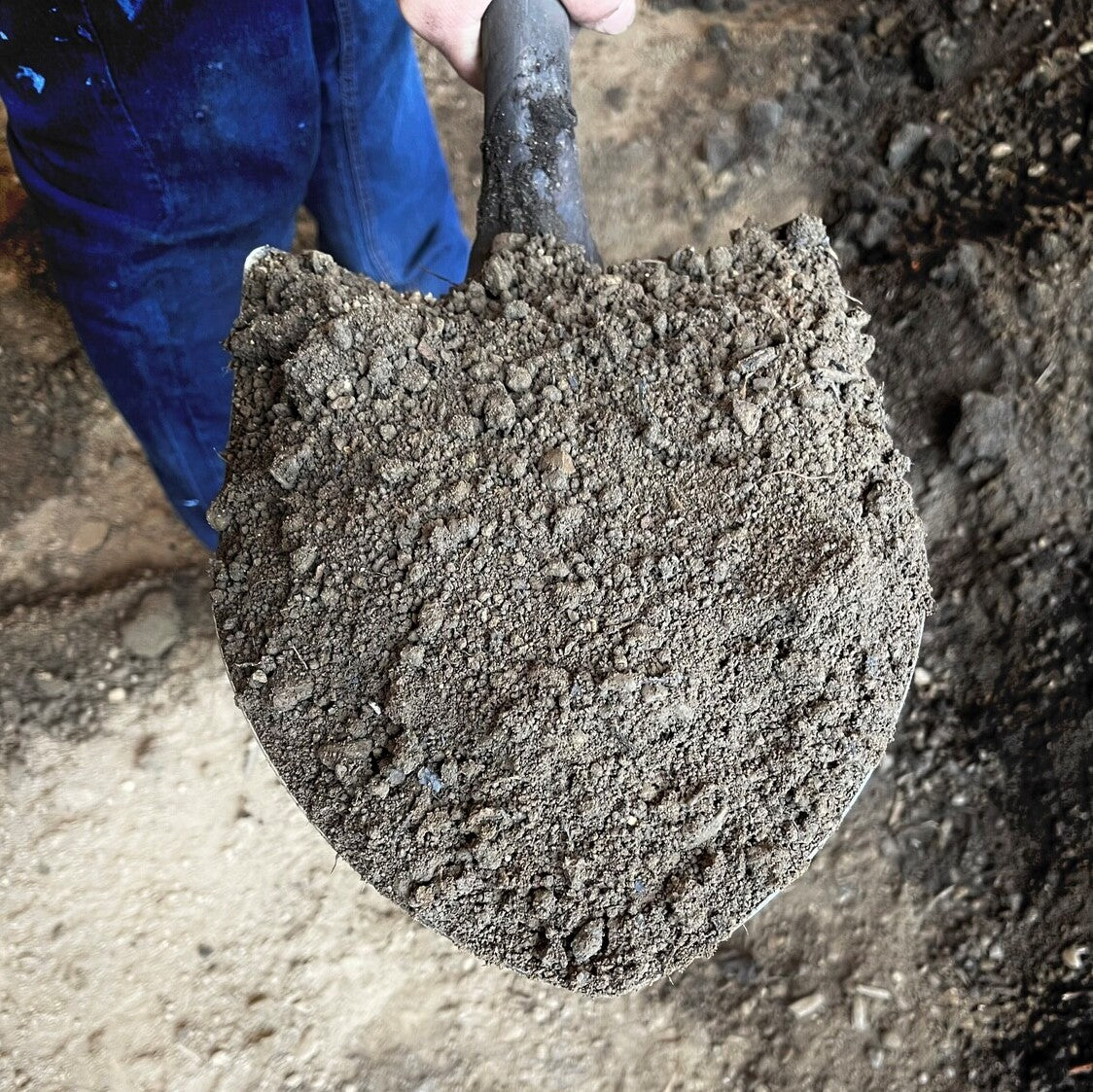
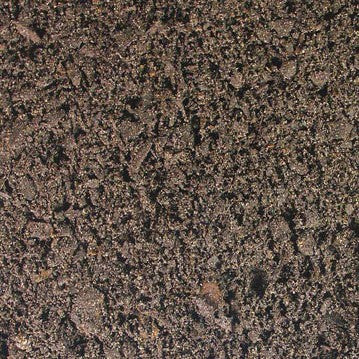
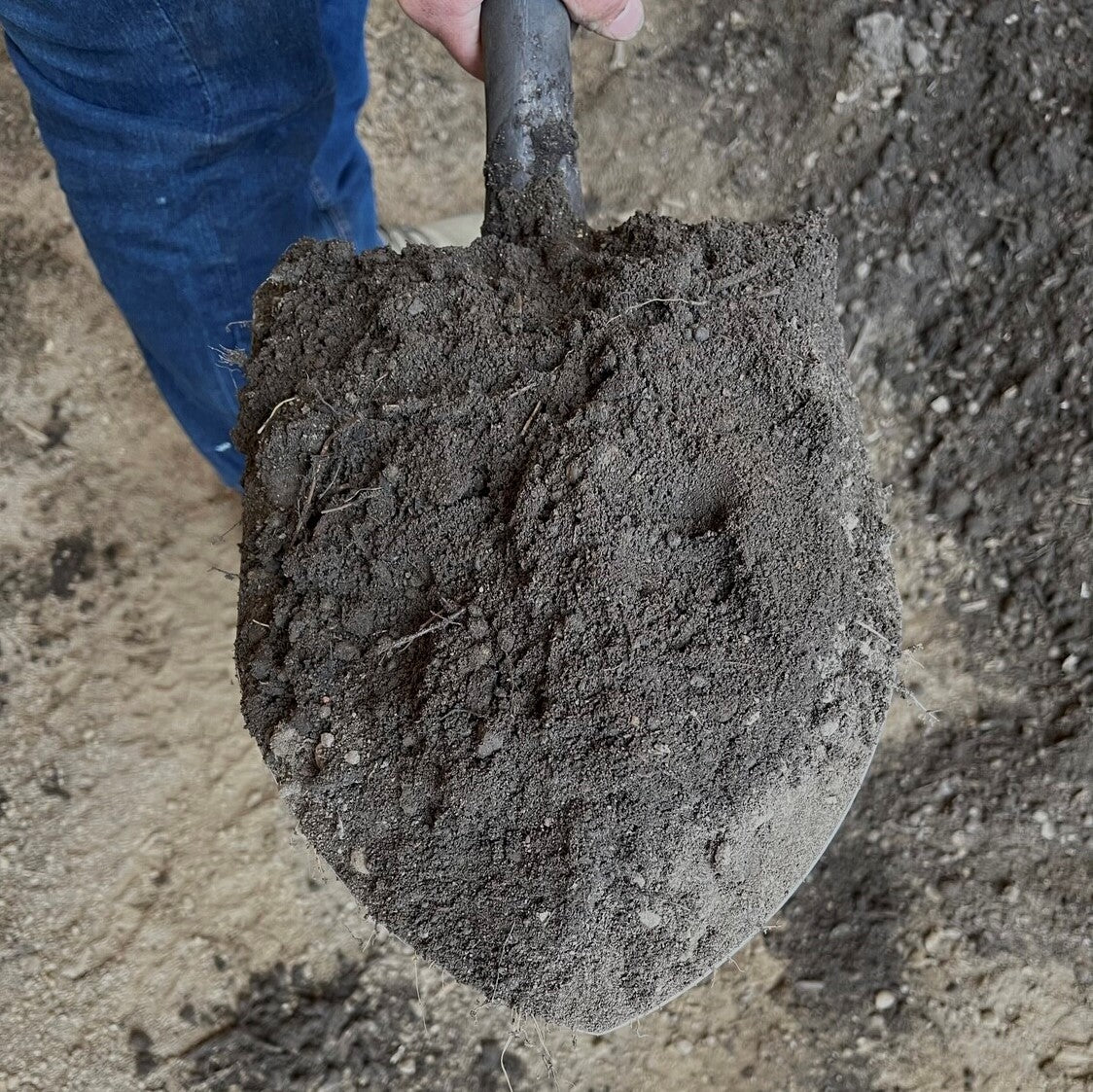
Quality topsoil for lawns, gardens, and landscape projects. Nutrient rich and ready to support strong root development and healthy plant establishment.
The website was intuitive and easy to navigate. The material was delivered the date and time it was scheduled, it was dropped off in the area i had specified on top of my tarp with no issues.
I ordered soil, the Gardening Blend that I received had too many plastic and metal p...
Quality topsoil for lawns, gardens, and landscape projects. Nutrient rich and ready to support strong root development and healthy plant establishment.
The website was intuitive and easy to navigate. The material was delivered the date and time it was scheduled, it was dropped off in the area i had specified on top of my tarp with no issues.
I ordered soil, the Gardening Blend that I received had too many plastic and metal p...
How Much Material Do I Need?
For garden bed installation in North Wantagh, plan on 4 to 6 inches of quality topsoil worked into the sandy loam below to create a gradual blended transition layer that roots can move through naturally without hitting an abrupt boundary.
Use our free soil calculator
What is a yard?
A yard is approximately 27 cubic feet. As a general guideline, one yard of material can cover an area of about 100-160 square feet at a 2-3 inch depth.
The website was intuitive and easy to navigate. The material was delivered the date and time it was scheduled, it was dropped off in the area i had...
Read full review
The website was intuitive and easy to navigate. The material was delivered the date and time it was scheduled, it was dropped off in the area i had specified on top of my tarp with no issues.
I ordered soil, the Gardening Blend that I received had too many plastic and metal pieces for my liking thus lowering the score from a perfect 5/5 to a 4/5
Measure the length and width of the area you plan to fill in feet and multiply those numbers together to get square footage. Divide by 324 for a 1-inch application or by 81 for a 4-inch application to find the cubic yards you need. North Wantagh's flat terrain makes it straightforward to get accurate measurements, so take your time before ordering to avoid running short mid-project.
Complete Your Outdoor Soil Project
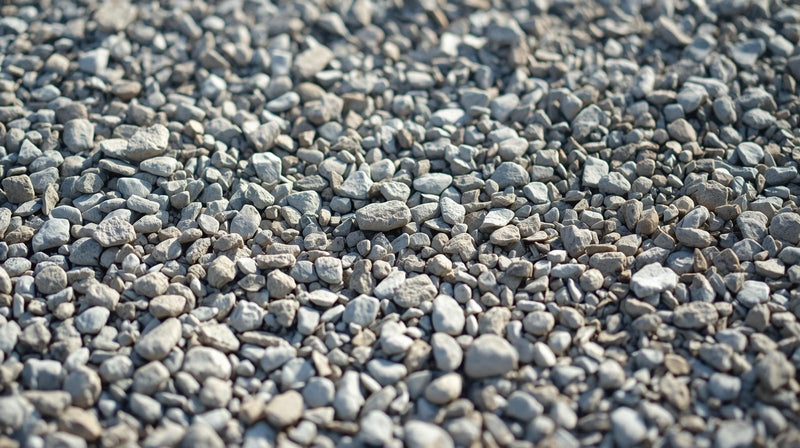
After placing your topsoil, add a layer of mulch to protect the new bed surface and retain moisture through the zone 7b summer, and use decorative stone to edge the beds and keep material in place during North Wantagh's heavier rain events.
My North Wantagh lawn has low spots that puddle after rain. Can bulk topsoil fix that?
Yes, topdressing low spots with a sandy loam blend that matches your existing North Wantagh soil is the right approach. Apply no more than half an inch at a time over active grass, let it settle, and repeat as needed. For deeper depressions, remove the sod, fill with bulk topsoil, and re-seed after the April 7 last frost for the best germination results.
Answer
What kind of soil should I use for raised vegetable beds in North Wantagh?
A blend of quality topsoil and compost works well for raised beds in North Wantagh's zone 7b growing environment. Because the native sandy loam drains quickly, a richer raised bed mix with added organic matter holds moisture longer, reducing how often you need to irrigate through the dry stretches that commonly occur in July and August.
Answer
How much soil do I need to build several 4x8 raised beds in North Wantagh?
A single 4x8 raised bed filled to 12 inches deep requires about 0.12 cubic yards of soil, so most North Wantagh gardeners building two or three beds at once should order at least a half yard to a full yard. That also gives you a little extra for top-dressing around the garden or filling any low spots in nearby lawn areas.
Answer
Is the native sandy loam in North Wantagh good for growing or do I need to replace it entirely?
Native sandy loam drains well and warms up fast in spring, which is great for early planting after the April 7 last frost. The challenge is that it doesn't hold nutrients or moisture well through summer heat. Rather than replacing it entirely, most North Wantagh gardeners blend bulk topsoil into the existing soil to improve structure without losing the natural drainage that prevents waterlogging during heavy rain events.
Answer
Can I use bulk topsoil to grade around my foundation and direct water away from my house in North Wantagh?
Grading away from foundations is especially important in North Wantagh where 45 inches of annual rainfall means regular moisture exposure at the base of structures. Use a dense topsoil blend to create a positive slope of at least 6 inches of drop over the first 10 feet away from the foundation. Avoid very sandy blends for grading work near structures, as they can erode during the heavy rain events common in late summer and fall.
Answer
When is the best time of year to add bulk topsoil to my North Wantagh lawn or garden?
Early spring, just after the April 7 last frost, is the most productive window for soil work in North Wantagh. The ground is workable, temperatures are moderate, and you have the entire zone 7b growing season ahead of you to establish plants in the new material. Fall applications before the November 15 first frost are also effective for lawn leveling projects where you want the soil to settle and firm up over winter.
Answer
Will bulk topsoil help me grow a thicker lawn in North Wantagh?
A thin top-dressing of quality topsoil over thin or patchy lawn areas encourages grass roots to expand into a richer growing medium. In North Wantagh, where native sandy loam can become nutrient-depleted over time, a light soil application followed by overseeding in early spring gives grass the best chance to thicken up before summer heat stresses the turf and slows recovery.
Mulch Mound Pro Tip
When installing new garden beds in North Wantagh, don't simply drop topsoil on top of the native sandy loam. Use a garden fork or tiller to break up the top 4 to 6 inches of existing soil and then blend in your new topsoil so there is no abrupt layer transition between materials. Roots will cross a gradual blend far more easily than a sharp boundary, which leads to stronger and deeper-rooted plants through the full zone 7b growing season.
Mulch Mound Pro Tip
North Wantagh's long stretch between the April 7 last frost and the November 15 first frost gives you a generous growing window, but summer heat can bake exposed topsoil into a crusty surface that repels water. After grading or filling an area with bulk soil, seed or plant promptly and keep the surface covered with a light mulch layer to protect soil structure until vegetation establishes and shades the ground on its own.
Mulch Mound Pro Tip
If you are leveling low spots in a North Wantagh lawn, match the texture of your fill soil as closely as possible to the surrounding native sandy loam. Using a heavy clay-based fill in a sandy loam lawn creates a patchwork of drainage rates that leads to wet spots and uneven turf color through the season. Ask about sandy loam blends specifically suited to Long Island lawns for the most seamless and consistent results.
The Unique Landscape of North Wantagh
North Wantagh sits on naturally sandy loam soil that drains well but struggles to hold the moisture and nutrients that garden beds and lawns need through the long growing season stretching from the April 7 last frost to the November 15 first frost. Homeowners adding raised vegetable beds, filling graded areas, or repairing lawn patches after winter all need quality bulk topsoil to supplement what is already in the ground. The flat terrain at 36 feet elevation means improper grading can send runoff toward foundations or neighboring properties rather than away from structures. Zone 7b summers bring sustained heat that depletes poorly structured soil quickly, so starting with a nutrient-rich topsoil gives plants a meaningful advantage from the moment they go in. Bulk soil delivery allows North Wantagh homeowners to tackle larger projects like full bed installations or lawn leveling without the limitations and expense of bagged products.