






I needed 3 yards of top soil and that's what I got! Right on time and right where I asked it to be placed (Order# 2041).
About this soil
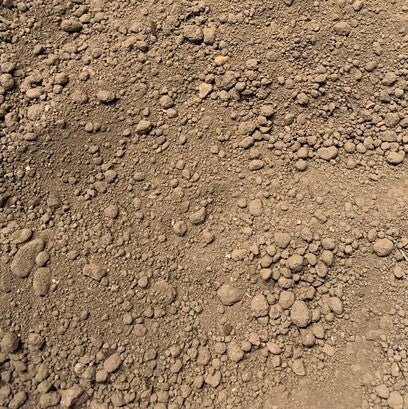
Quality topsoil for lawns, gardens, and landscape projects. Nutrient rich and ready to support strong root development and healthy plant establishment.
I needed 3 yards of top soil and that's what I got! Right on time and right where I asked it to be placed (Order# 2041).
Tell us what you're looking for
Thanks! We received your request.
Something went wrong. Please try again.
How Much Material Do I Need?
How Much Material Do I Need?
For garden bed preparation in Oakland, a minimum of 6 inches of quality soil is recommended to give roots the organic depth that sandy loam alone cannot provide, while lawn leveling projects typically require 1 to 2 inches of screened topsoil spread evenly across low areas.
Use our free soil calculator
What is a yard?
What is a yard?
FAQs
FAQs
Oakland Soil Delivery
Oakland Soil Delivery
Regular price
$64.00
per
yard
Regular price
Sale price
$64.00
Unit price
per
Shipping calculated at checkout.
Minimum of 3 yard
Couldn't load pickup availability
Not currently available
We can't take orders for this right now. Tell us what you need and we'll get back to you.
Hand-picked local yards
4,000+ regional deliveries
Dedicated support
Why order through Mulch Mound
The best local soil, without the guesswork.
We hand-pick and partner with the best yards in your region, keep only the ones our buyers rate well, and back each load with our guarantee.
Mulch Mound Guarantee
If your soil isn't the quantity or quality you ordered, we'll make it right.
About this soil
Quality topsoil for lawns, gardens, and landscape projects. Nutrient rich and ready to support strong root development and healthy plant establishment.
I needed 3 yards of top soil and that's what I got! Right on time and right where I asked it to be placed (Order# 2041).
How Much Material Do I Need?
How Much Material Do I Need?
For garden bed preparation in Oakland, a minimum of 6 inches of quality soil is recommended to give roots the organic depth that sandy loam alone cannot provide, while lawn leveling projects typically require 1 to 2 inches of screened topsoil spread evenly across low areas.
Use our free soil calculator
What is a yard?
What is a yard?
FAQs
FAQs
Tell us what you're looking for
Thanks! We received your request.
Something went wrong. Please try again.
How It Works
Getting started is easy — just follow these simple steps
1
Choose your soil
Make sure you adjust the quantity to your home's needs. You can use our calculator to estimate how much you'll need.
2
Select your delivery date
Select a delivery date you'd like for the product to be dropped off at your home
3
Sit back and wait
Sit back, wait, and let us work our magic to make sure the highest quality product is delivered to your driveway.

Highest compliments. Great driver.
Website is easy to navigate. Just a seamless process. 5 stars!!

Need Help Calculating How Much Soil You Need?
Use our NEW Trace from Satellite tool to get an estimate for your project based on an aerial view of your property
Try Our CalculatorTo estimate bulk soil needs, measure your project area in feet, multiply length by width, then multiply by the intended depth in feet and divide by 27 to convert to cubic yards. For example, a 3-inch application uses 0.25 as your depth in feet. Oakland lawn leveling projects often need more material than expected because the ground settles after delivery and initial watering.
Soil Types We Deliver in Oakland
Mulch Mound delivers bulk topsoil by the yard in Oakland, making it easy to tackle everything from lawn repairs to full landscape builds without multiple trips to a garden center. Oakland's terrain often features compacted or clay-heavy native soil, so bringing in quality material by the cubic yard can make a real difference for plants and grass. Whether you are refreshing a backyard or grading a new bed, we drop off exactly what you need, right at your property.
Screened Top Soil
Our screened topsoil is finely processed to remove rocks, clumps, and debris, giving you a smooth, workable base that integrates easily with Oakland's existing ground. It is nutrient rich and well suited for seeding lawns, filling raised beds, and supporting new plantings in the region's variable spring and fall growing conditions.
Complete Your Outdoor Soil Project
Pairing bulk soil with a quality mulch layer helps lock in the moisture and nutrients you are adding to Oakland's fast-draining beds, extending the benefit of your soil investment through the dry summer weeks. Stone edging or borders help define bed boundaries and keep soil from washing into lawn areas during Oakland's heavier spring rains.


Mulch Mound Pro Tip
Oakland's growing season closes quickly once the first frost arrives around October 9, so timing your soil work matters. For new lawn areas, finish grading and seeding by mid-September to give cool-season grasses like tall fescue at least three weeks of establishment time before frost. Grass sown too late in Oakland will struggle to root deeply enough to survive a Zone 6b winter without significant dieback.
Mulch Mound Pro Tip
When filling raised beds in Oakland, avoid using straight compost as your only soil medium. Pure compost compresses heavily after watering and can become hydrophobic when it dries out during summer dry spells. A blended garden soil that includes topsoil, compost, and a small percentage of coarse material like perlite or coarse sand gives Oakland raised beds the structure they need to stay loose and workable all season long.
Mulch Mound Pro Tip
Oakland's 49 inches of annual rainfall means slopes and freshly graded areas are subject to erosion, especially in the first season before ground cover establishes. When adding bulk soil to a sloped area, incorporate a healthy amount of organic matter to help bind the particles, seed immediately after grading, and consider a thin layer of straw mulch over the seeded area to hold soil in place during spring rain events.
The Unique Landscape of Oakland
Oakland's native sandy loam soil is workable and well-drained, but it presents real challenges for homeowners who want thriving lawns and productive garden beds. The same fast-draining quality that prevents standing water also allows nutrients and moisture to leach away before plant roots can fully absorb them. With a growing season that runs roughly from late April through early October in Zone 6b, building a nutrient-rich soil foundation is one of the most important investments an Oakland gardener can make. Whether you are leveling a lawn, filling raised beds, or grading around a new construction project, quality bulk soil gives Oakland landscapes the organic depth that the native ground simply cannot provide on its own.