




Ordered Dirt. Received Dirt. Would Buy Again.
About this soil
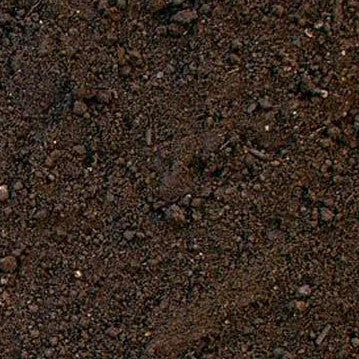
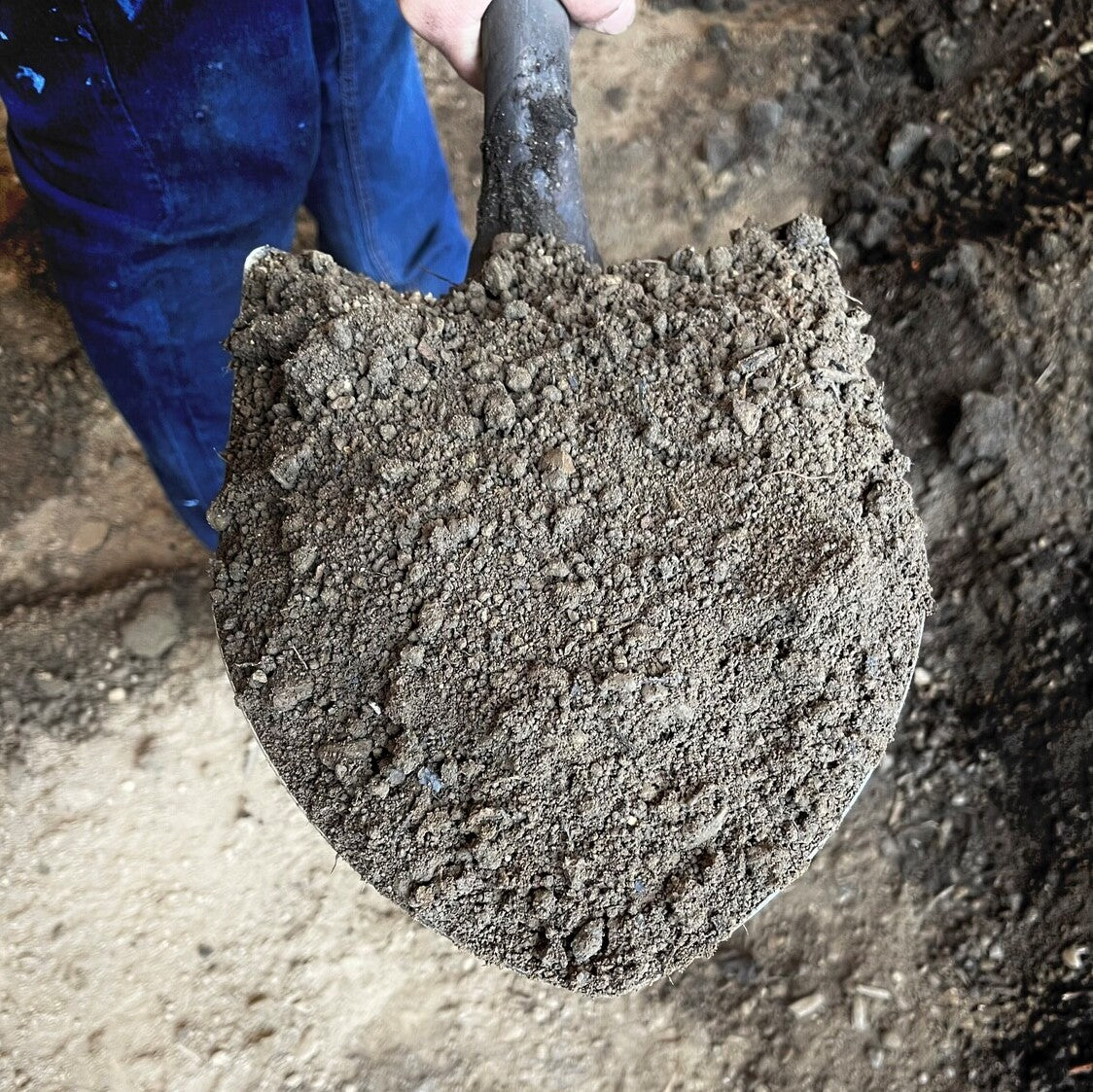
Screened topsoil with a fine, even texture. Ideal for new lawns, sod prep, and raised garden beds.
Ordered Dirt. Received Dirt. Would Buy Again.
Tell us what you're looking for
Thanks! We received your request.
Something went wrong. Please try again.
How Much Material Do I Need?
How Much Material Do I Need?
Plan on filling raised beds to their full depth, usually 10 to 12 inches, and on two to three inches of topsoil for leveling or overseeding an existing Oroville lawn. One cubic yard covers about 324 square feet at one inch deep.
Use our free soil calculator
What is a Yard?
What is a Yard?
FAQs
FAQs
Oroville Soil Delivery
Oroville Soil Delivery
Regular price
$64.00
per
Yard
Regular price
Sale price
$64.00
Unit price
per
Shipping calculated at checkout.
Minimum of 3 Yard
Couldn't load pickup availability
Not currently available
We can't take orders for this right now. Tell us what you need and we'll get back to you.
Hand-picked local yards
4,000+ regional deliveries
Dedicated support
Why order through Mulch Mound
The best local , without the guesswork.
We hand-pick and partner with the best yards in your region, keep only the ones our buyers rate well, and back each load with our guarantee.
Mulch Mound Guarantee
If your isn't the quantity or quality you ordered, we'll make it right.
About this soil
Screened topsoil with a fine, even texture. Ideal for new lawns, sod prep, and raised garden beds.
Ordered Dirt. Received Dirt. Would Buy Again.
How Much Material Do I Need?
How Much Material Do I Need?
Plan on filling raised beds to their full depth, usually 10 to 12 inches, and on two to three inches of topsoil for leveling or overseeding an existing Oroville lawn. One cubic yard covers about 324 square feet at one inch deep.
Use our free soil calculator
What is a Yard?
What is a Yard?
FAQs
FAQs
Tell us what you're looking for
Thanks! We received your request.
Something went wrong. Please try again.
How It Works
Getting started is easy — just follow these simple steps
1
Choose your soil
Make sure you adjust the quantity to your home's needs. You can use our calculator to estimate how much you'll need.
2
Select your delivery date
Select a delivery date you'd like for the product to be dropped off at your home
3
Sit back and wait
Sit back, wait, and let us work our magic to make sure the highest quality product is delivered to your driveway.


Placing an order online was so easy. Delivery was on time. When the driver realized we had a newly poured driveway they erred on the side of cautio...
Read full review
Placing an order online was so easy. Delivery was on time. When the driver realized we had a newly poured driveway they erred on the side of caution and opted not ti drive in it. The company even sent me a message explaining that call. Would recommend!
Need Help Calculating How Much Soil You Need?
Use our NEW Trace from Satellite tool to get an estimate for your project based on an aerial view of your property
Try Our CalculatorMeasure length and width in feet for each bed or fill area, then decide your depth in inches before you run the numbers. For raised beds, measure the inside dimensions rather than the outside frame, since a two by ten cedar bed loses a few inches on each side. Add ten to fifteen percent for settling, which is real with any loose soil blend.
Complete Your Outdoor Soil Project
Add compost to blend into your native sandy loam and a few yards of mulch to cap the finished soil, which keeps the surface from crusting and drying during Oroville summers. Drip line and emitters are worth pricing at the same time.
Service area
Areas we deliver soil in Oroville, California
Mulch Mound Pro Tip
Do not fill a raised bed entirely with pure topsoil. In Oroville heat a straight topsoil fill compacts and forms a dry crust by midsummer. A working ratio is roughly sixty percent screened topsoil, thirty percent compost, and ten percent coarse material for structure. That blend holds water through a hot week without going anaerobic during a wet January, and it keeps its volume better than a compost heavy mix that will shrink noticeably by the second season.
Mulch Mound Pro Tip
Water new soil in stages rather than all at once. Freshly delivered soil often arrives dry, and dry organic matter can actually shed water. Wet the bed lightly, wait an hour, then water again, and repeat until moisture is uniform through the profile. This also settles the material so you can see where you need to top off before planting. Skipping this step is why so many Oroville raised beds drop two inches in the first month.
Mulch Mound Pro Tip
Break through the hardpan before you import soil. Parts of Oroville sit on a compacted layer, and some yards on former dredge ground hit cobble a foot down. Adding good soil on top of a sealed layer creates a bathtub during winter rains and a shallow root zone all summer. Dig a test hole, fill it with water, and see if it drains in a few hours. If not, rip or auger through before you spread.
The Unique Landscape of Oroville
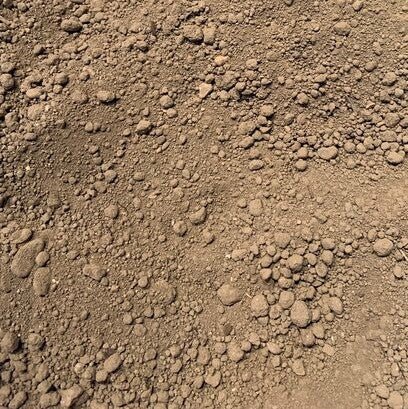
Most Oroville yards sit on sandy loam, sometimes over a hardpan or cobble layer left by old Feather River deposits and dredge tailings. That native profile is workable and well drained, but it is typically low in organic matter and drops nutrients past the root zone quickly under irrigation. Bringing in a quality topsoil or garden blend gives raised beds, new lawns, and planting holes the body they need to actually hold moisture through a 100 degree stretch in July. With a long growing season in zone 9b, from a last frost around March 12 to a first frost near November 22, Oroville gardeners get eight full months of production, which means the soil is working hard and needs the organic reserve to keep up. Good imported soil also lets you level and grade the settling and low spots that show up after winter rains.