About this soil

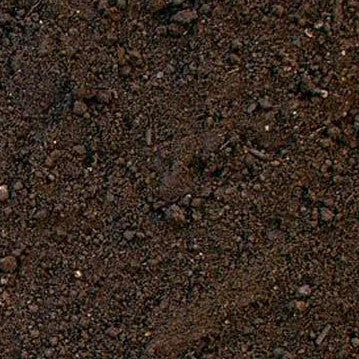
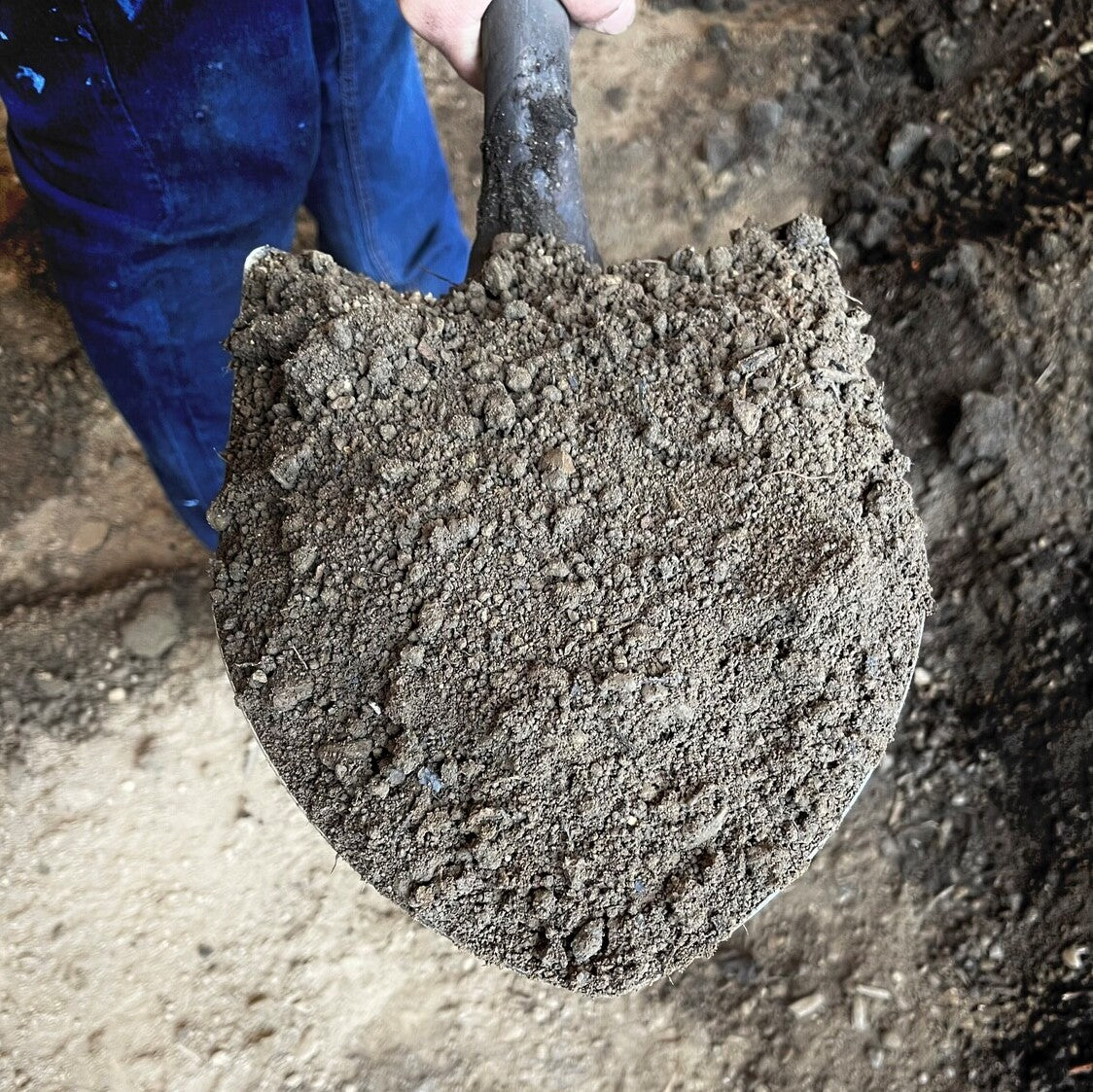
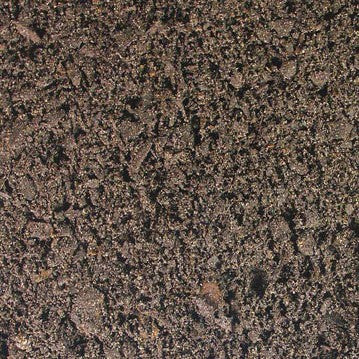
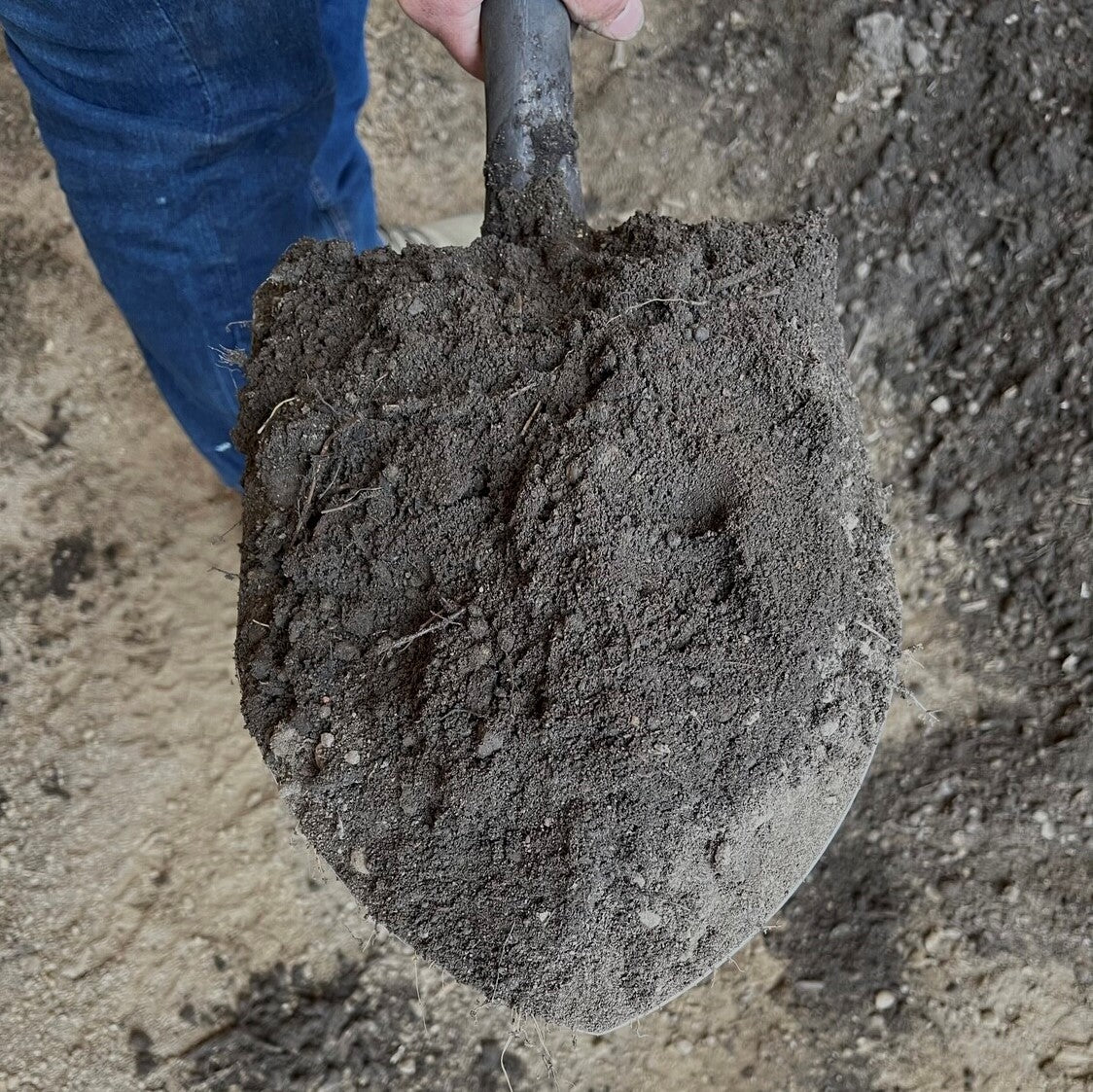
Screened topsoil with a fine, even texture. Ideal for new lawns, sod prep, and raised garden beds.

I used Mulch Mound to have 3 cubic yards of garden soil delivered. The process was easy and I love that I didn't have to call anyone. I placed my order online, picked my delivery date, laid out my tarp and the dirt was delivered. My delivery had to be pushed back, but I was ke...

Plan on six to twelve inches for new planting beds above Pearland clay and one to two inches for topdressing an existing lawn. One cubic yard covers about 100 square feet at three inches deep.
Use our free soil calculator

A yard is approximately 27 cubic feet. As a general guideline, one yard of material can cover an area of about 100-160 square feet at a 2-3 inch depth.

Pearland Soil Delivery

Pearland Soil Delivery

4.7
137 reviews
Regular price $55.00 per Yard
Regular price Sale price $55.00
Sale Sold out
Shipping calculated at checkout.
Type
Style
Hand-picked local yards
4,000+ regional deliveries
Dedicated support
Why order through Mulch Mound

The best local , without the guesswork.

We hand-pick and partner with the best yards in your region, keep only the ones our buyers rate well, and back each load with our guarantee.

Mulch Mound Guarantee

If your isn't the quantity or quality you ordered, we'll make it right.

About this soil

Screened topsoil with a fine, even texture. Ideal for new lawns, sod prep, and raised garden beds.

I used Mulch Mound to have 3 cubic yards of garden soil delivered. The process was easy and I love that I didn't have to call anyone. I placed my order online, picked my delivery date, laid out my tarp and the dirt was delivered. My delivery had to be pushed back, but I was ke...

Plan on six to twelve inches for new planting beds above Pearland clay and one to two inches for topdressing an existing lawn. One cubic yard covers about 100 square feet at three inches deep.
Use our free soil calculator

A yard is approximately 27 cubic feet. As a general guideline, one yard of material can cover an area of about 100-160 square feet at a 2-3 inch depth.

View full details

How It Works

Getting started is easy — just follow these simple steps

1

Choose your soil

Make sure you adjust the quantity to your home's needs. You can use our calculator to estimate how much you'll need.

2

Select your delivery date

Select a delivery date you'd like for the product to be dropped off at your home

3

Sit back and wait

Sit back, wait, and let us work our magic to make sure the highest quality product is delivered to your driveway.

What Pearland Customers Like About Our Soil

4.7
out of 5 based on 137 reviews
Google Reviews

Need Help Calculating How Much Soil You Need?

Use our NEW Trace from Satellite tool to get an estimate for your project based on an aerial view of your property

Try Our Calculator
📍

Sketch each area and measure length and width, then decide on your fill depth before running the numbers. For raised beds, use the inside dimensions rather than the outside frame measurements. Our calculator turns those figures into cubic yards, and we suggest adding ten to fifteen percent for the settling that is inevitable with compost rich blends in our climate.

Complete Your Outdoor Soil Project

Finish new soil with two to three inches of hardwood mulch to hold moisture and stop erosion, and use decomposed granite or stone edging to keep your built up beds from sliding after a heavy rain.

Frequently Asked Questions

Click a question to see the answer

Answer

Can I just till compost into my gumbo clay instead of buying soil?

You can, but expect slow results. Pearland gumbo is so dense that tilling in a single application of compost often creates a soft pocket surrounded by hard clay, which fills with water and drowns roots. The reliable approach here is building up with six to twelve inches of imported soil on top, then letting worms and roots blend the layers over several seasons.

Answer

How deep should raised beds be for vegetables in Pearland?

Twelve inches of good soil above the clay is a solid target for tomatoes, peppers, and okra. Eight inches will grow greens and herbs fine. Going deeper than about eighteen inches rarely pays off here, because in Zone 9b the real limiting factors are summer heat and drainage rather than root depth.

Answer

Will imported soil wash away during a Pearland downpour?

Loose soil on a slope absolutely will move in a two inch per hour rain, which we get several times each year. Contain new soil with bed edging, timbers, or a stone border, and get mulch or a cover crop over bare soil within a few days of spreading. On flat areas, lightly compact and water in the soil so it settles before the next storm.

Answer

What is the best time to add soil to my Pearland lawn or beds?

Late February through March is prime, once the risk of frost passes around February 15 and before the summer heat sets in. Early October is the second best window, giving new plantings a mild stretch before the first frost near December 5. Avoid topdressing a lawn in July when Pearland heat stresses the grass.

Answer

How much soil do I need to level the low spots in my yard?

Settling around Pearland foundations and utility trenches is common. Measure the low area and estimate average depth, then calculate volume. As a rough guide, one cubic yard spreads about 160 square feet at two inches deep. Never add more than an inch of soil over existing turf at one time or you will smother the grass.

Answer

Should I use sand to loosen my clay soil?

No. Mixing sand into gumbo clay is one of the most common mistakes we see in Pearland, and it can create a nearly concrete like layer. Organic matter is what improves clay structure. Use compost, quality garden soil, and shredded mulch instead, and let time and biology do the loosening.

Answer

Does soil settle a lot after delivery?

Yes, especially soil with high compost content. Expect fresh material to lose fifteen to twenty percent of its volume over the first few months as it settles and organic matter decomposes, and Pearland's warmth and rainfall speed that up. Fill raised beds slightly proud of the top edge and plan on a light topoff each spring.

Mulch Mound Pro Tip

Do not build a raised bed directly on unbroken gumbo. Before you fill, break the top four to six inches of clay with a digging fork or broadfork so water and roots have a transition zone. If you skip this in Pearland, the interface between fluffy new soil and dense clay acts like the bottom of a pot, and your bed holds standing water for days after a summer storm. Ten minutes of forking saves years of drainage problems.

Mulch Mound Pro Tip

Give new soil a nitrogen assist in its first season. Compost heavy blends in Pearland's heat and humidity break down fast, and actively decomposing wood fines temporarily tie up nitrogen that your plants need. A light application of a balanced organic fertilizer at planting, then again about six weeks later, keeps tomatoes and shrubs from yellowing while the soil biology stabilizes. By the second year the blend usually feeds itself.

Mulch Mound Pro Tip

Track how your yard drains before you decide where soil goes. After the next Pearland rain, walk out and note where water stands for more than a few hours. Those low spots need grade correction with soil, not just plants. Building beds along natural high lines and leaving swales open lets stormwater move to the street inlet, which matters at our 49 foot elevation where every yard is part of the neighborhood drainage system.

The Unique Landscape of Pearland

Almost every Pearland lot was scraped, filled, and compacted before the slab went down, which means the topsoil most homeowners inherit is a thin skim over dense gumbo clay. That clay holds nutrients well but drains at a crawl, and with 52 inches of rain a year it stays saturated far longer than roots can tolerate. Bringing in quality garden soil and compost blends is how Pearland gardeners create a workable root zone above the clay instead of fighting it from below. Raised beds and mounded planting islands are practically standard here for vegetables, roses, and anything that hates wet feet. Good soil also feeds the microbes that slowly convert gumbo into something crumbly, a process that takes years but starts the day you add organic matter. With a Zone 9b season running from mid February to early December, soil in Pearland is producing nearly all year and needs replenishing accordingly.