Skip to product information
1 of 5
Philadelphia Soil Delivery

Philadelphia Soil Delivery

Philadelphia Soil Delivery

Regular price $55.00 per yard
Regular price Sale price $55.00
Sale Sold out
Type
Style
Minimum of 3

How much soil? Depends on the project. Lawn leveling in Philadelphia needs an inch or two. Garden beds and raised frames need much more.
Use our free soil calculator

A yard is approximately 27 cubic feet. As a general guideline, one yard of material can cover an area of about 100-160 square feet at a 2-3 inch depth.

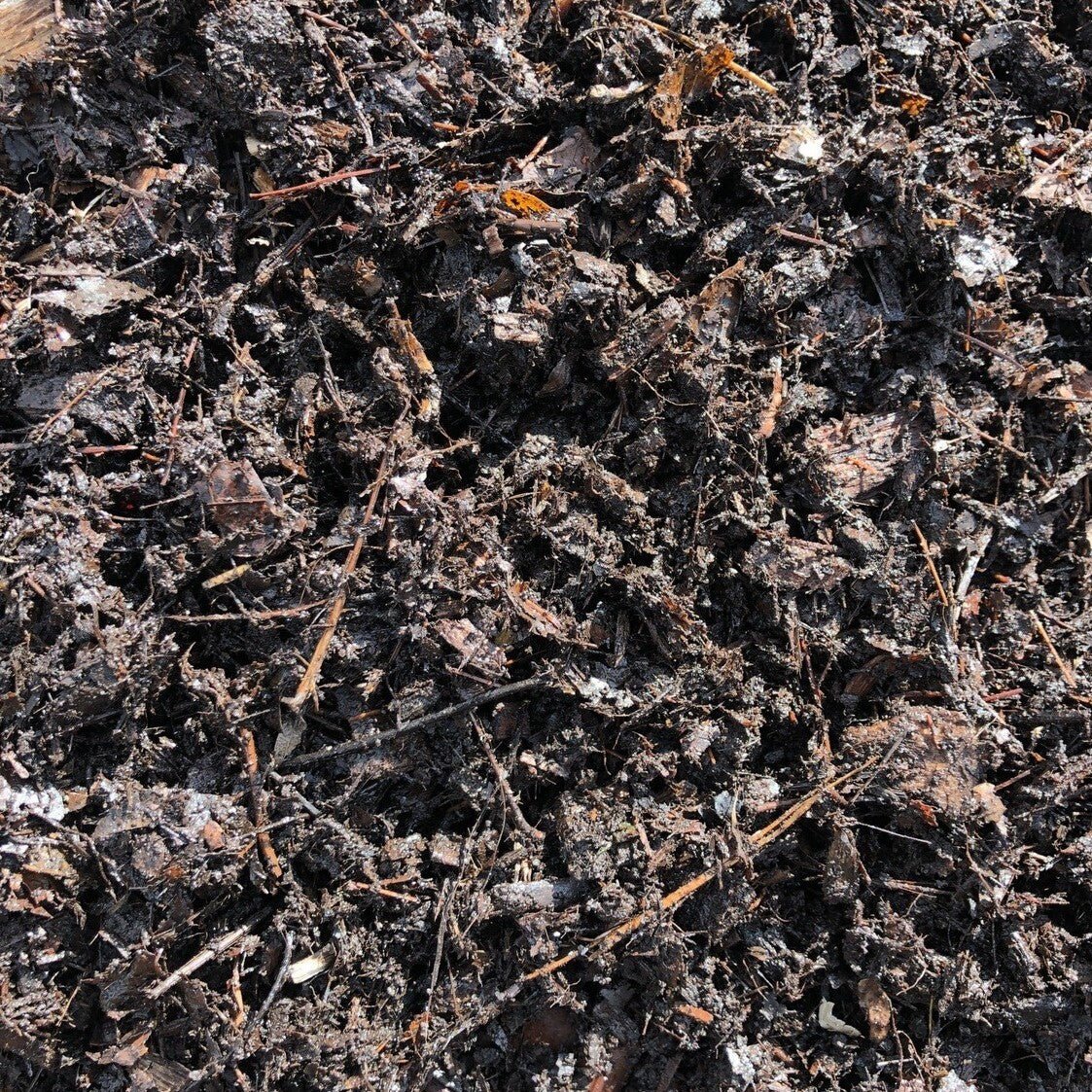
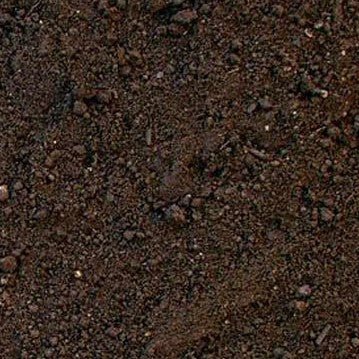
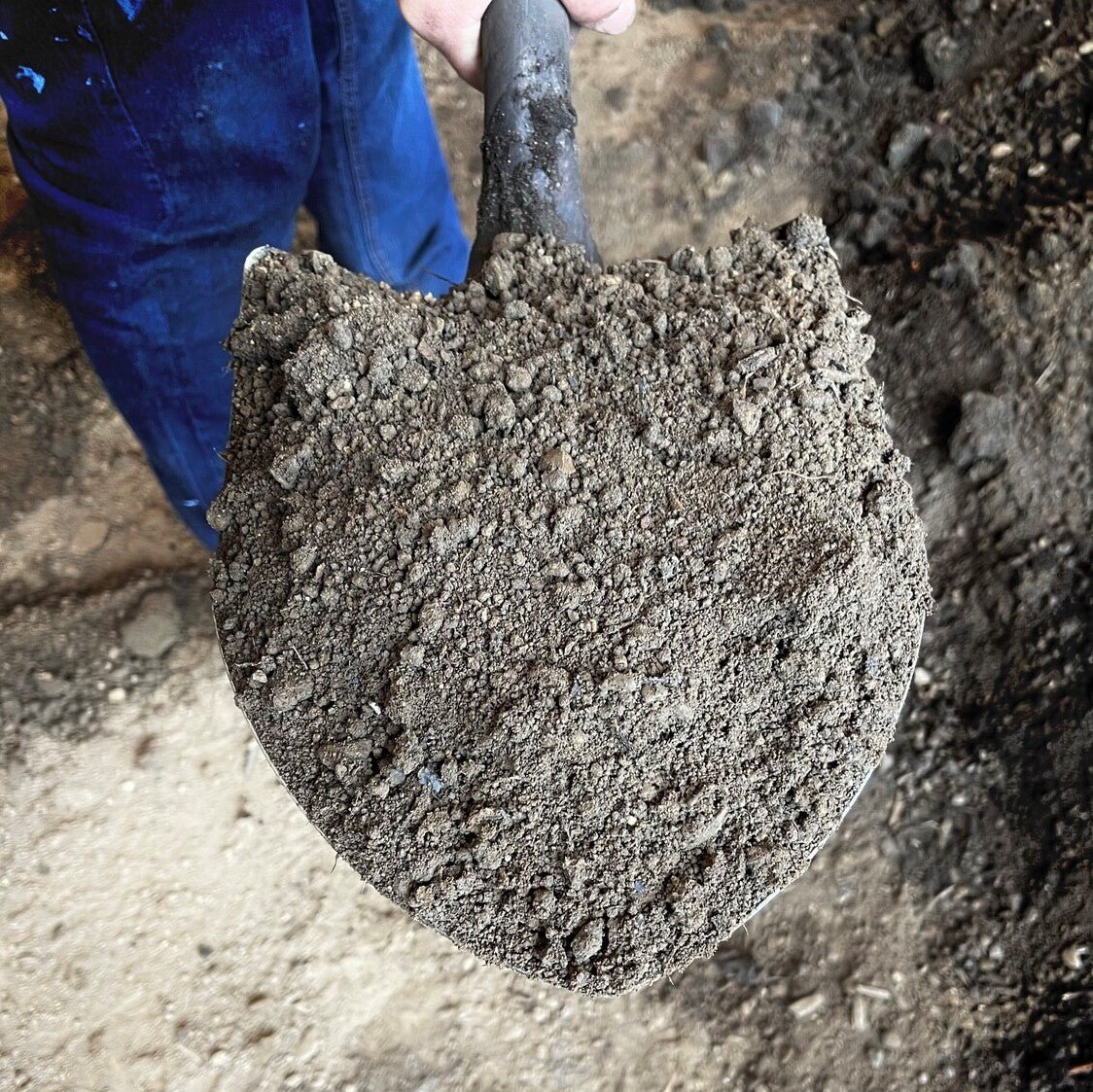
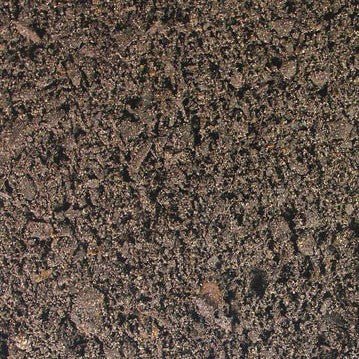
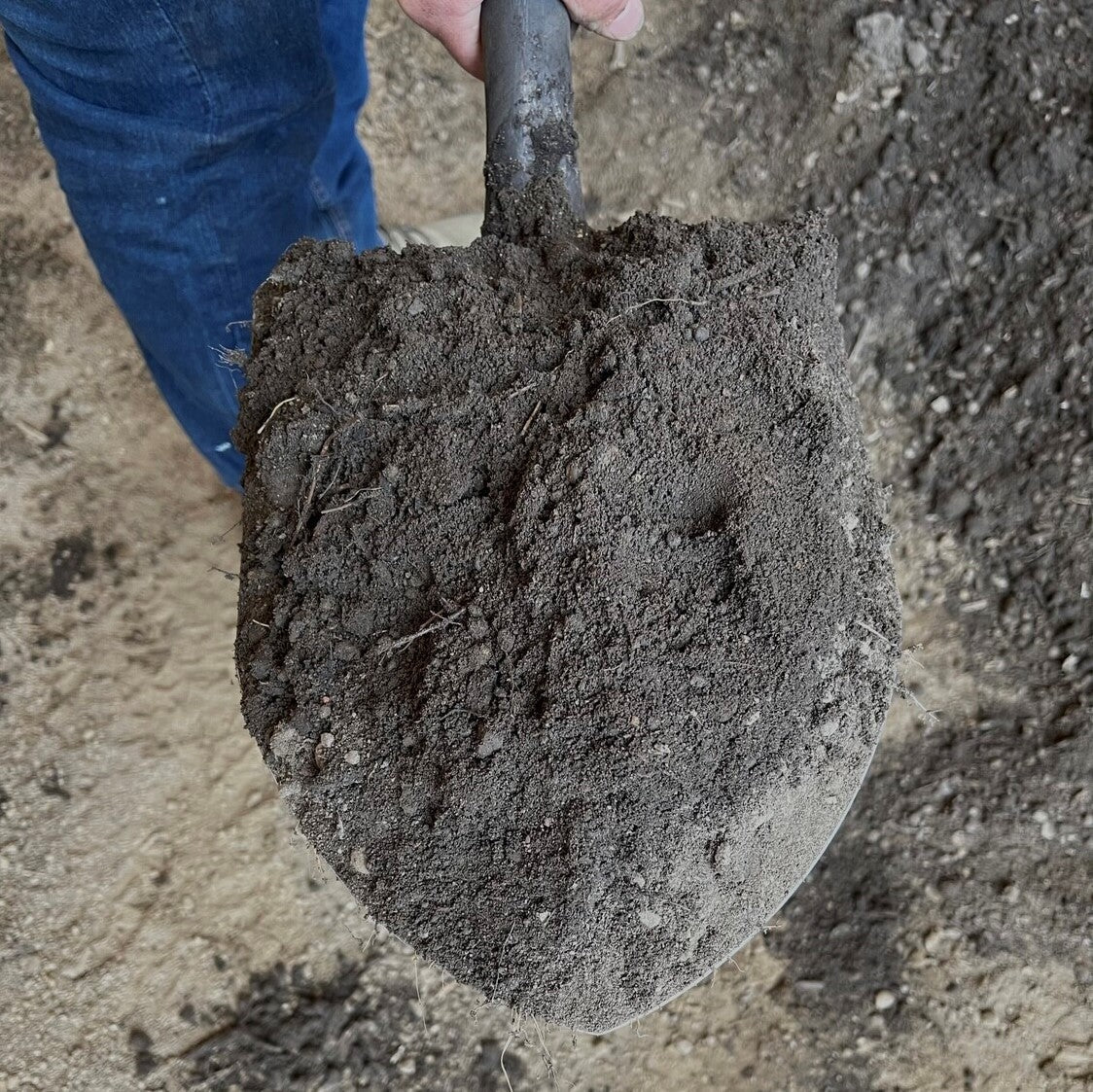
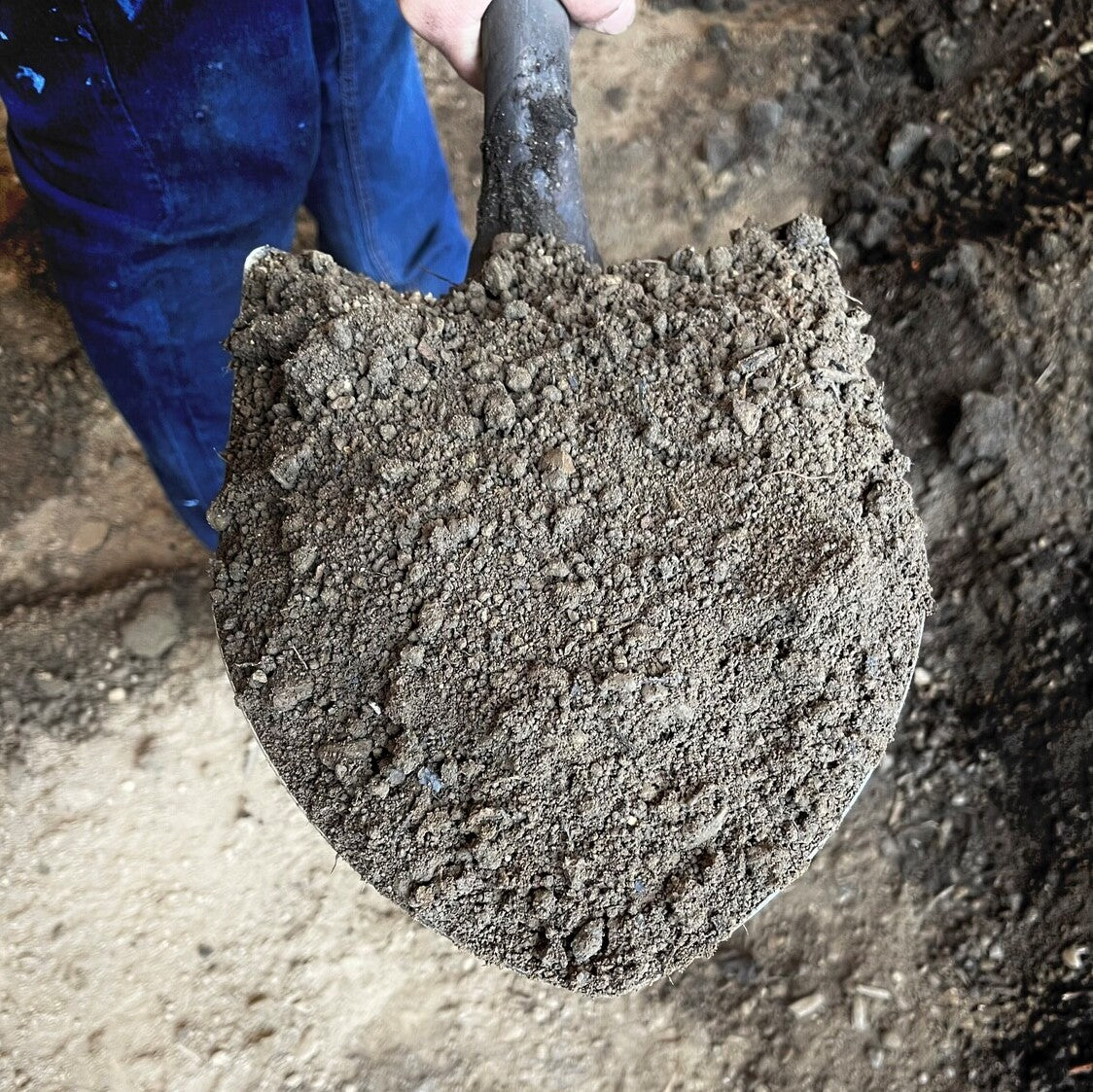
Quality topsoil for lawns, gardens, and landscape projects. Nutrient rich and ready to support strong root development and healthy plant establishment.

View full details

How It Works

Getting started is easy — just follow these simple steps

1

Choose your soil

Make sure you adjust the quantity to your home's needs. You can use our calculator to estimate how much you'll need.

2

Select your delivery date

Select a delivery date you'd like for the product to be dropped off at your home

3

Sit back and wait

Sit back, wait, and let us work our magic to make sure the highest quality product is delivered to your driveway.

What Philadelphia Customers Like About Our Soil

4.8
out of 5 based on 104 reviews
Google Reviews

Need Help Calculating How Much Soil You Need?

Use our NEW Trace from Satellite tool to get an estimate for your project based on an aerial view of your property

Try Our Calculator
📍

Soil projects usually involve filling, leveling, or prepping for planting. Trace your work area and select a depth to estimate yardage. Shallow depths handle lawn leveling well, while deeper fills suit beds and grading work in Philadelphia.

Complete Your Outdoor Soil Project

Soil gets your beds ready for planting. Add mulch on top to protect roots and hold moisture in clay loam ground. Stone finishes Philadelphia paths and edging.

Frequently Asked Questions

Click a question to see the answer

Answer

How do I improve drainage in heavy soil?

Work in lots of organic material: compost, aged manure, amendments. Philadelphia's urban compacted clay takes time to fix. Consider raised beds.

Answer

Should I order extra?

Yes, add 10% cushion. Soil settles after application, and running short is frustrating. Delivery is priced by distance.

Answer

Do I need to test my soil?

Worth doing. Soil here often tests neutral to slightly acidic. A basic pH check from your extension office informs how to amend.

Answer

How do I fix sandy soil?

Organic matter is the fix—compost, aged manure, amendments. Sandy ground needs help holding water and nutrients. Add yearly.

Answer

Why is my soil compacting?

Walking on beds, rainfall, and low organic content cause compaction. Philadelphia's clay loam is prone to this. Regular compost additions help.

Answer

Topsoil vs garden mix—which should I use?

Topsoil handles grade work and filling. Garden mix, with compost and amendments, works better for actual planting in Philadelphia.

Answer

Should I mix new soil with existing?

Definitely mix them together at the boundary. Distinct layers cause water pooling. Blend the top several inches for smooth transition.

Mulch Mound Pro Tip

Fill dirt and topsoil are completely different products for different purposes. Fill is infertile subsoil for grading and structural support. Topsoil is the fertile surface layer for growing plants.

Mulch Mound Pro Tip

Mix new topsoil into existing clay loam soil at bed edges rather than creating a sharp boundary between materials. Blending the transition zone helps water move naturally between layers without pooling.

Mulch Mound Pro Tip

Slope topsoil toward drainage areas at minimum 2 percent grade for proper water movement. Use a level and tape measure to verify slope before planting, sodding, or seeding the area.

The Unique Landscape of Philadelphia

Philadelphia yards do well with a refreshed soil layer when beds settle or lawn patches need leveling. In Philadelphia, Foot traffic and weather over time can tighten soil and make planting harder. It’s great for raised beds, topping off landscape beds, and filling around new shrubs and flowers. On slopes, shape a gentle contour so water moves through without cutting channels. Delivery keeps the work moving without the loading and unloading.
