


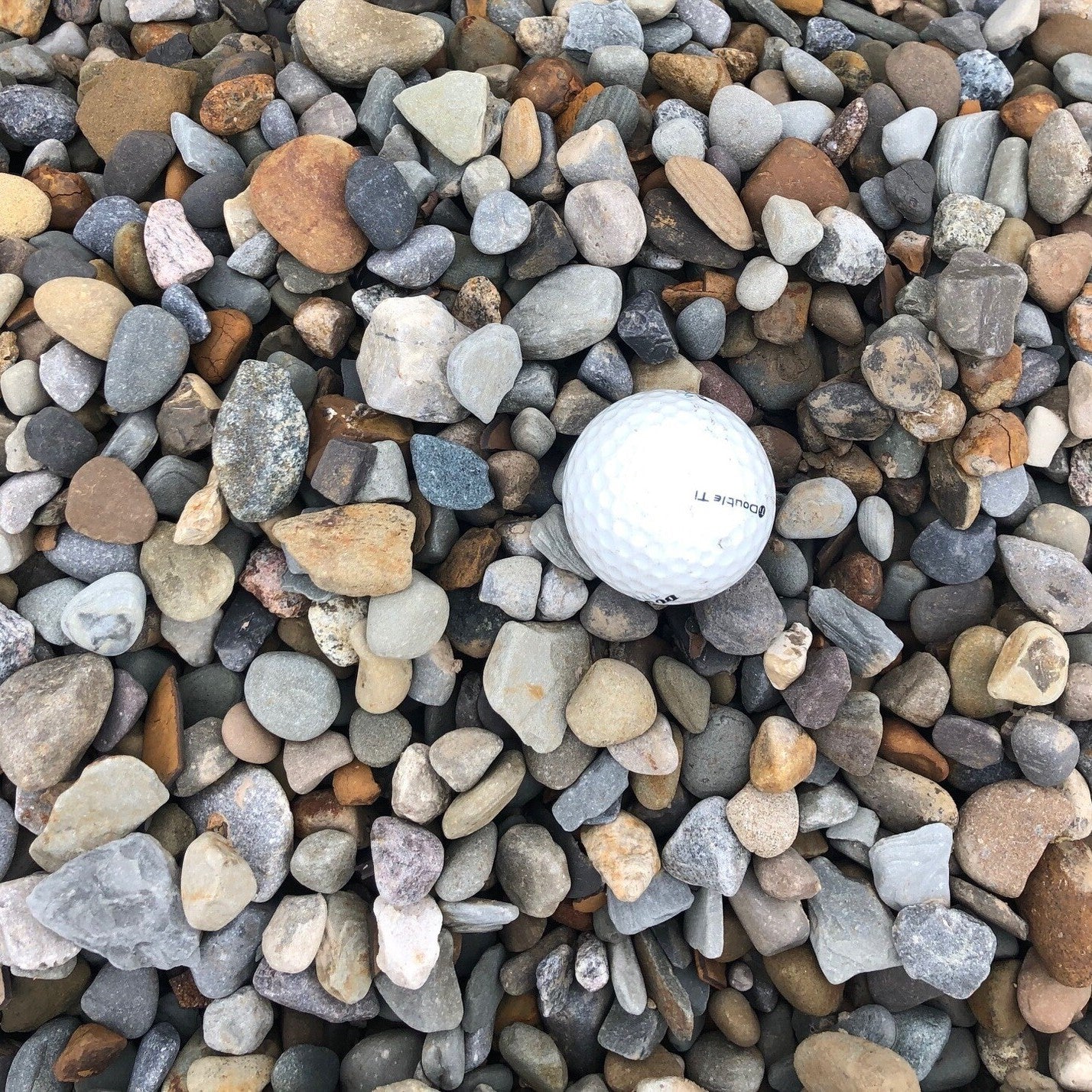

The driver nailed it on putting the gravel I ordered in front of my trailer and between the sidewalk. Very satisfied with how my flowerbeds look now.
About this stone
Number 57 crushed stone, angular limestone graded to about three quarters of an inch. The standard driveway, base and drainage gravel, it locks together under traffic and drains fast.
The driver nailed it on putting the gravel I ordered in front of my trailer and between the sidewalk. Very satisfied with how my flowerbeds look now.
Tell us what you're looking for
Thanks! We received your request.
Something went wrong. Please try again.
How Much Material Do I Need?
How Much Material Do I Need?
Most Pittsfield pathway and border projects need 2 to 3 inches of stone depth over a compacted base for stable footing and effective weed suppression. Drainage applications under downspouts or along foundation edges typically need a 4-inch depth to move water effectively through areas where slow-draining glacial till is the primary challenge.
Use our free stone calculator
What is a yard?
What is a yard?
FAQs
FAQs
Pittsfield Gravel Delivery
Pittsfield Gravel Delivery
Regular price
$133.00
per
yard
Regular price
Sale price
$133.00
Unit price
per
Shipping calculated at checkout.
Minimum of 3 yard
Couldn't load pickup availability
Hand-picked local yards
4,000+ regional deliveries
Dedicated support
Why order through Mulch Mound
The best local stone, without the guesswork.
We hand-pick and partner with the best yards in your region, keep only the ones our buyers rate well, and back each load with our guarantee.
Mulch Mound Guarantee
If your stone isn't the quantity or quality you ordered, we'll make it right.
About this stone
Number 57 crushed stone, angular limestone graded to about three quarters of an inch. The standard driveway, base and drainage gravel, it locks together under traffic and drains fast.
The driver nailed it on putting the gravel I ordered in front of my trailer and between the sidewalk. Very satisfied with how my flowerbeds look now.
How Much Material Do I Need?
How Much Material Do I Need?
Most Pittsfield pathway and border projects need 2 to 3 inches of stone depth over a compacted base for stable footing and effective weed suppression. Drainage applications under downspouts or along foundation edges typically need a 4-inch depth to move water effectively through areas where slow-draining glacial till is the primary challenge.
Use our free stone calculator
What is a yard?
What is a yard?
FAQs
FAQs
Tell us what you're looking for
Thanks! We received your request.
Something went wrong. Please try again.
How It Works
Getting started is easy — just follow these simple steps
1
Choose your stone
Make sure you adjust the quantity to your home's needs. You can use our calculator to estimate how much you'll need.
2
Select your delivery date
Select a delivery date you'd like for the product to be dropped off at your home
3
Sit back and wait
Sit back, wait, and let us work our magic to make sure the highest quality product is delivered to your driveway.

Quick delivery, amazing service. Highly recommend!

They delivered next day as requested. The website was easy to work with and the product is wonderful:)
Need Help Calculating How Much Stone & Gravel You Need?
Use our NEW Trace from Satellite tool to get an estimate for your project based on an aerial view of your property
Try Our CalculatorFor stone projects, measure your area in feet and multiply length by width to get square footage, then use our calculator to find the cubic yards needed at your desired depth. Stone is denser than mulch or soil, so a little covers a good deal of surface area, but Pittsfield's sloped terrain often means you need extra material for low spots and uneven grade. Always round up slightly when ordering stone, as matching an existing installation with a second delivery is more difficult than working with a small surplus from the start.
Stone Types We Deliver in Pittsfield
Mulch Mound delivers bulk stone by the cubic yard to residential and commercial properties, serving homeowners who need bulk gravel by the yard in Pittsfield without the hassle of hauling material themselves. We stock the stone varieties Western Massachusetts landscapes call for most, from fine decorative gravel to larger river rock for drainage and borders. Every order is delivered loose so you get exactly the volume your project needs.
Pea Gravel
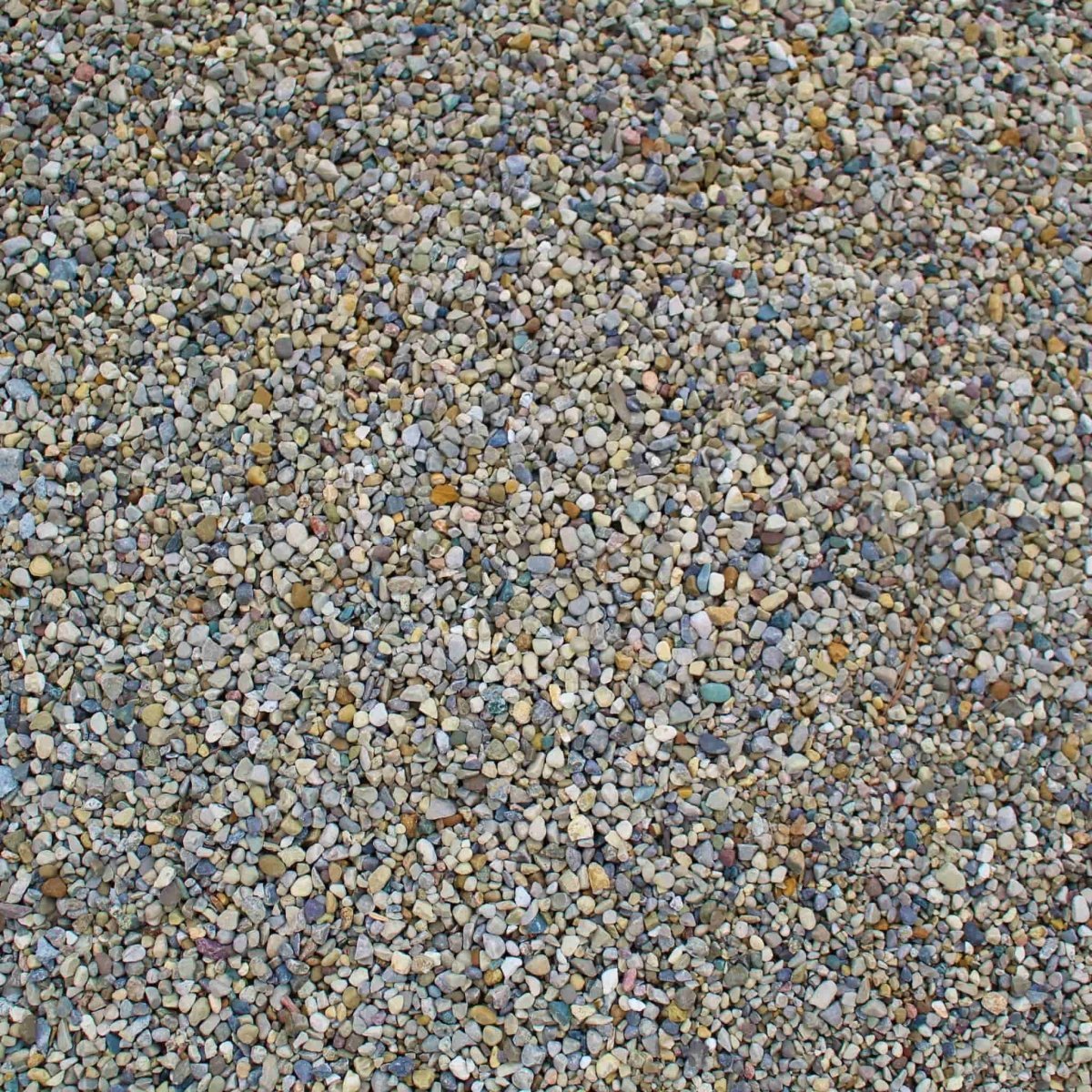
Smooth and rounded with warm earth tones, pea gravel is a top choice for walkways, patios, and play areas around Pittsfield homes. Its small size settles naturally and drains well through the heavy clay soils common in this part of Massachusetts, making it as practical as it is attractive.
3/4" River Stone
Our 3/4 inch salt and pepper river stone offers a speckled gray finish that pairs naturally with the older colonial and craftsman homes found throughout this area of Massachusetts. The angular trap rock texture locks in place underfoot, making it a practical and durable choice for driveways and parking pads through New England winters.
1-2" River Stone
The larger 1 to 2 inch salt and pepper river stone delivers a bold, chunky look suited to statement garden borders and decorative ground cover. It performs well in drainage applications and stands up to the heavy seasonal rainfall this part of western Massachusetts receives, reducing washout and soil erosion around planting beds.
Complete Your Outdoor Stone Project
Pair your stone order with bulk topsoil to fill and grade areas adjacent to new stone features, and add mulch to nearby planting beds to create a finished, cohesive look across your yard. In Pittsfield's high-rainfall environment, combining stone drainage channels with properly mulched beds gives you the best control over how water moves through your property during the wet spring and fall seasons.



Service area
Areas we deliver stone and gravel in Pittsfield, Massachusetts
Mulch Mound Pro Tip
Before placing decorative stone in Pittsfield, install a heavy-duty weed barrier fabric beneath it. Pittsfield's rainfall creates ideal germination conditions for weeds, and stone alone will not prevent them from rooting in the fine sediment that accumulates between rocks over time. A quality fabric layer blocks growth from below while still allowing water to drain through, keeping your stone areas looking clean through the full Berkshire growing season without repeated maintenance.
Mulch Mound Pro Tip
For stone pathways on Pittsfield's frequently sloped lots, edge containment is essential to the longevity of your installation. Without a border of steel, aluminum, or landscape edging, crushed gravel will migrate into adjacent lawn and bed areas over time, especially after frost heave cycles loosen the surface each winter. Install edging at least 3 to 4 inches deep to anchor it below the frost line and keep your pathway stone where it belongs through multiple Berkshire winters.
Mulch Mound Pro Tip
Use crushed stone rather than rounded pea stone for any Pittsfield area that receives vehicle traffic or sits on a slope. Crushed stone has angular edges that lock together under pressure, while rounded stone rolls and shifts underfoot or under tires. At Pittsfield's elevation, where spring thaw softens ground and creates unstable surface conditions for weeks at a time, the interlocking quality of crushed stone makes it significantly more durable and safer for functional outdoor applications.
The Unique Landscape of Pittsfield
Decorative and functional stone is a natural fit for Pittsfield landscapes, where glacial activity has been depositing rock through the Berkshire region for thousands of years. Stone pathways, borders, and drainage channels are low-maintenance solutions that handle Pittsfield's 46 inches of annual rainfall far better than mulched or bare-soil surfaces that erode and shift over time. At an elevation of 1,039 feet, the Berkshire winters bring significant freeze-thaw cycles that degrade organic ground covers but leave properly installed stone undisturbed season after season. Stone also provides excellent erosion control on the sloped properties common throughout Pittsfield and the surrounding hills, where surface runoff over glacial till is a persistent challenge. Whether used decoratively or functionally, bulk stone materials deliver a durability that matches the rugged landscape character of the Berkshires.