




Ordered Dirt. Received Dirt. Would Buy Again.
About this soil
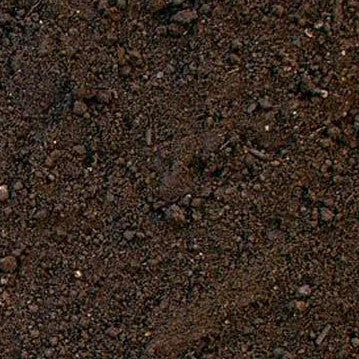
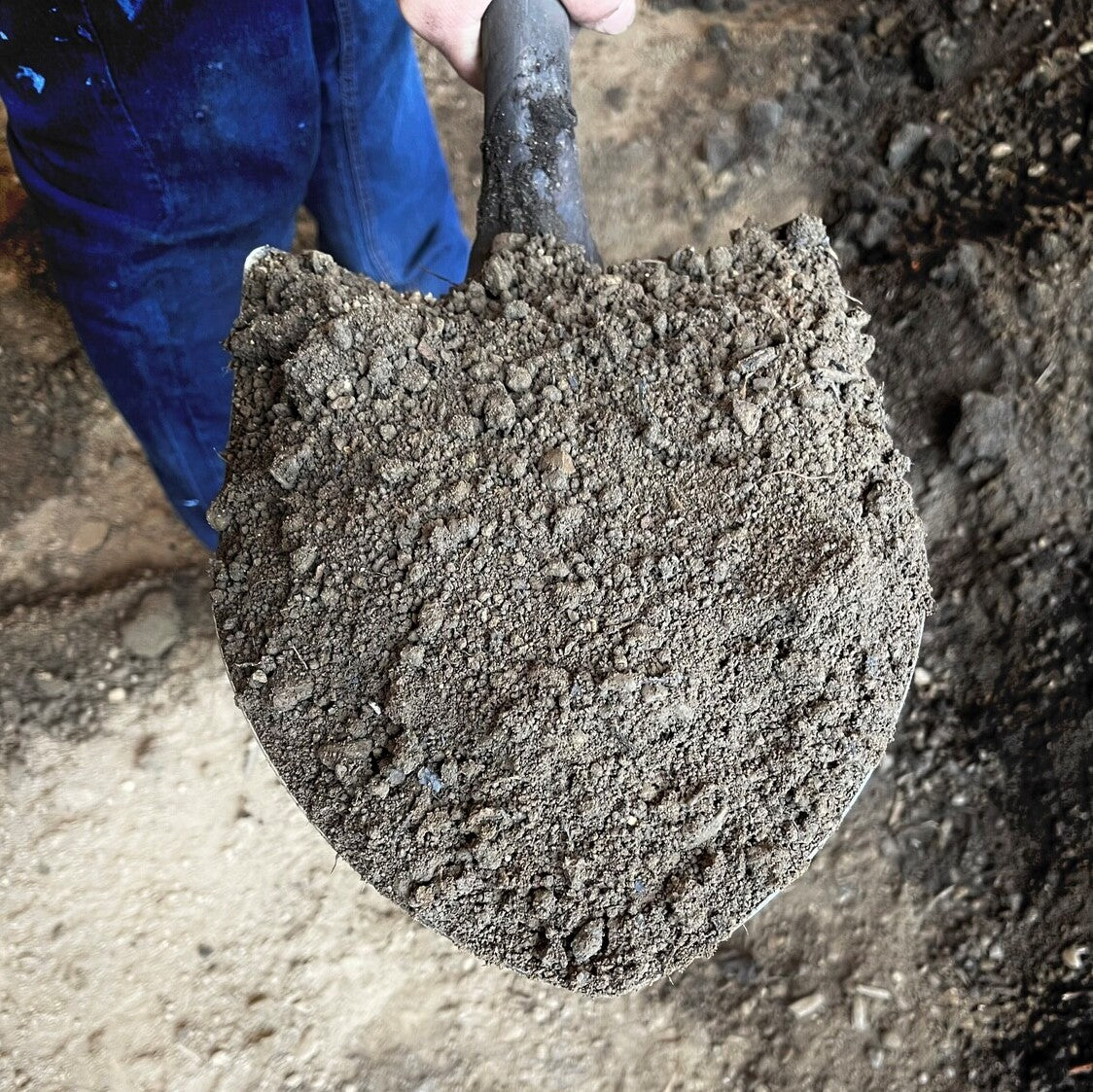
Quality topsoil for lawns, gardens, and landscape projects. Nutrient rich and ready to support strong root development and healthy plant establishment.
Ordered Dirt. Received Dirt. Would Buy Again.
Tell us what you're looking for
Thanks! We received your request.
Something went wrong. Please try again.
How Much Material Do I Need?
How Much Material Do I Need?
For topdressing Port Orange lawns, a half-inch application of soil is enough to fill minor low spots without burying turf. Garden bed installations over sandy native soil should use at least 10 inches of quality topsoil to give roots a productive growing zone above the lean, fast-draining substrate beneath.
Use our free soil calculator
What is a yard?
What is a yard?
FAQs
FAQs
Port Orange Soil Delivery
Port Orange Soil Delivery
Regular price
$64.00
per
yard
Regular price
Sale price
$64.00
Unit price
per
Shipping calculated at checkout.
Minimum of 3 yard
Couldn't load pickup availability
Not currently available
We can't take orders for this right now. Tell us what you need and we'll get back to you.
Hand-picked local yards
4,000+ regional deliveries
Dedicated support
Why order through Mulch Mound
The best local soil, without the guesswork.
We hand-pick and partner with the best yards in your region, keep only the ones our buyers rate well, and back each load with our guarantee.
Mulch Mound Guarantee
If your soil isn't the quantity or quality you ordered, we'll make it right.
About this soil
Quality topsoil for lawns, gardens, and landscape projects. Nutrient rich and ready to support strong root development and healthy plant establishment.
Ordered Dirt. Received Dirt. Would Buy Again.
How Much Material Do I Need?
How Much Material Do I Need?
For topdressing Port Orange lawns, a half-inch application of soil is enough to fill minor low spots without burying turf. Garden bed installations over sandy native soil should use at least 10 inches of quality topsoil to give roots a productive growing zone above the lean, fast-draining substrate beneath.
Use our free soil calculator
What is a yard?
What is a yard?
FAQs
FAQs
Tell us what you're looking for
Thanks! We received your request.
Something went wrong. Please try again.
How It Works
Getting started is easy — just follow these simple steps
1
Choose your soil
Make sure you adjust the quantity to your home's needs. You can use our calculator to estimate how much you'll need.
2
Select your delivery date
Select a delivery date you'd like for the product to be dropped off at your home
3
Sit back and wait
Sit back, wait, and let us work our magic to make sure the highest quality product is delivered to your driveway.


Placing an order online was so easy. Delivery was on time. When the driver realized we had a newly poured driveway they erred on the side of cautio...
Read full review
Placing an order online was so easy. Delivery was on time. When the driver realized we had a newly poured driveway they erred on the side of caution and opted not ti drive in it. The company even sent me a message explaining that call. Would recommend!
Need Help Calculating How Much Soil You Need?
Use our NEW Trace from Satellite tool to get an estimate for your project based on an aerial view of your property
Try Our CalculatorMeasure the length, width, and desired depth of your project area in feet, then multiply all three numbers together and divide by 27 to get cubic yards. Port Orange lawn topdressing projects typically use half an inch of soil, while raised garden beds need at least 10 to 12 inches of depth for productive results. Adding 10 percent to your calculated total accounts for settling and ensures you have enough material to finish the project without a second order.
Soil Types We Deliver in Port Orange
Port Orange homeowners and landscapers count on us for bulk topsoil by the yard in Port Orange, delivered straight to your driveway or job site. Florida's sandy native soil often drains too fast and lacks the organic matter plants need to thrive, making a quality soil amendment essential for lawns, raised beds, and new installs. We sell and deliver by the cubic yard so you get exactly what your project calls for, nothing more and nothing less.
Screened Top Soil
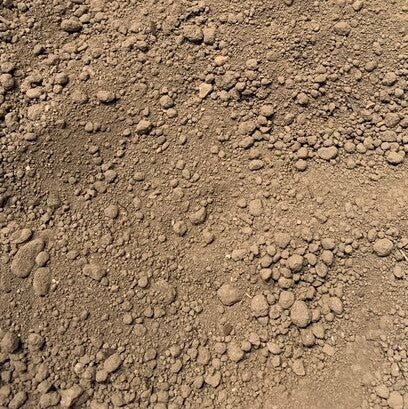
Our screened topsoil is run through a fine screen to remove rocks, roots, and large debris, leaving a clean and workable material ready to spread. It is nutrient rich and supports strong root development, making it a smart choice for overseeding warm-season lawns, filling low spots, building raised garden beds, or establishing new plantings in Port Orange's warm and humid growing climate.
Complete Your Outdoor Soil Project
Finishing your soil project with a layer of mulch on top locks moisture into the new growing medium, which matters greatly during Port Orange's hot, dry spring before the summer rains arrive. Stone edging around new beds gives them structure and prevents imported soil from washing into the lawn during heavy summer downpours.


Service area
Areas we deliver soil in Port Orange, Florida
Mulch Mound Pro Tip
Port Orange's sandy native soil has a naturally low pH, and imported soil can vary in pH as well. Testing your soil pH before planting, especially in vegetable beds, ensures your plants can absorb the nutrients in the new growing medium. Most Zone 9b vegetables and flowering perennials prefer a pH between 6.0 and 6.8, and a simple test kit from any local garden center will tell you whether you need to make an adjustment.
Mulch Mound Pro Tip
When grading low areas in Port Orange yards, pay attention to the direction of slope relative to your home's foundation. The goal is always to move water away from the structure and toward the street or a drainage swale. Even a gentle 2 percent slope away from the foundation, which works out to about 2 inches of drop for every 8 feet of distance, is enough to protect your home during the heavy summer rain events common in Volusia County.
Mulch Mound Pro Tip
Port Orange's growing season runs from roughly mid-February through mid-December, which means newly installed soil is supporting active plant growth for most of the year. Incorporating a slow-release granular fertilizer into the top 3 to 4 inches of new soil before planting gives your beds a nutrient foundation that lasts through the first several months. This is especially valuable in raised beds, where the closed volume means plants exhaust available nutrients more quickly than in open ground.
The Unique Landscape of Port Orange
Port Orange's native sandy soil is excellent for drainage but it is one of the most nutrient-poor substrates you will find in a residential landscape. The loose, granular texture means fertilizers and organic matter leach through the soil profile quickly, making it difficult to establish dense lawns or productive vegetable gardens without amending the base. Imported topsoil and fill blends give homeowners the ability to build up beds, level low spots, and create the kind of growing environment that sandy soil cannot provide on its own. Zone 9b's long growing season means plants are actively drawing nutrients from the soil for nine or ten months of the year, which puts heavy demands on unimproved sandy ground. Raising beds with quality soil also improves rooting depth for vegetables and perennials that tend to struggle when their roots hit dry, compacted sand layers just below the surface.