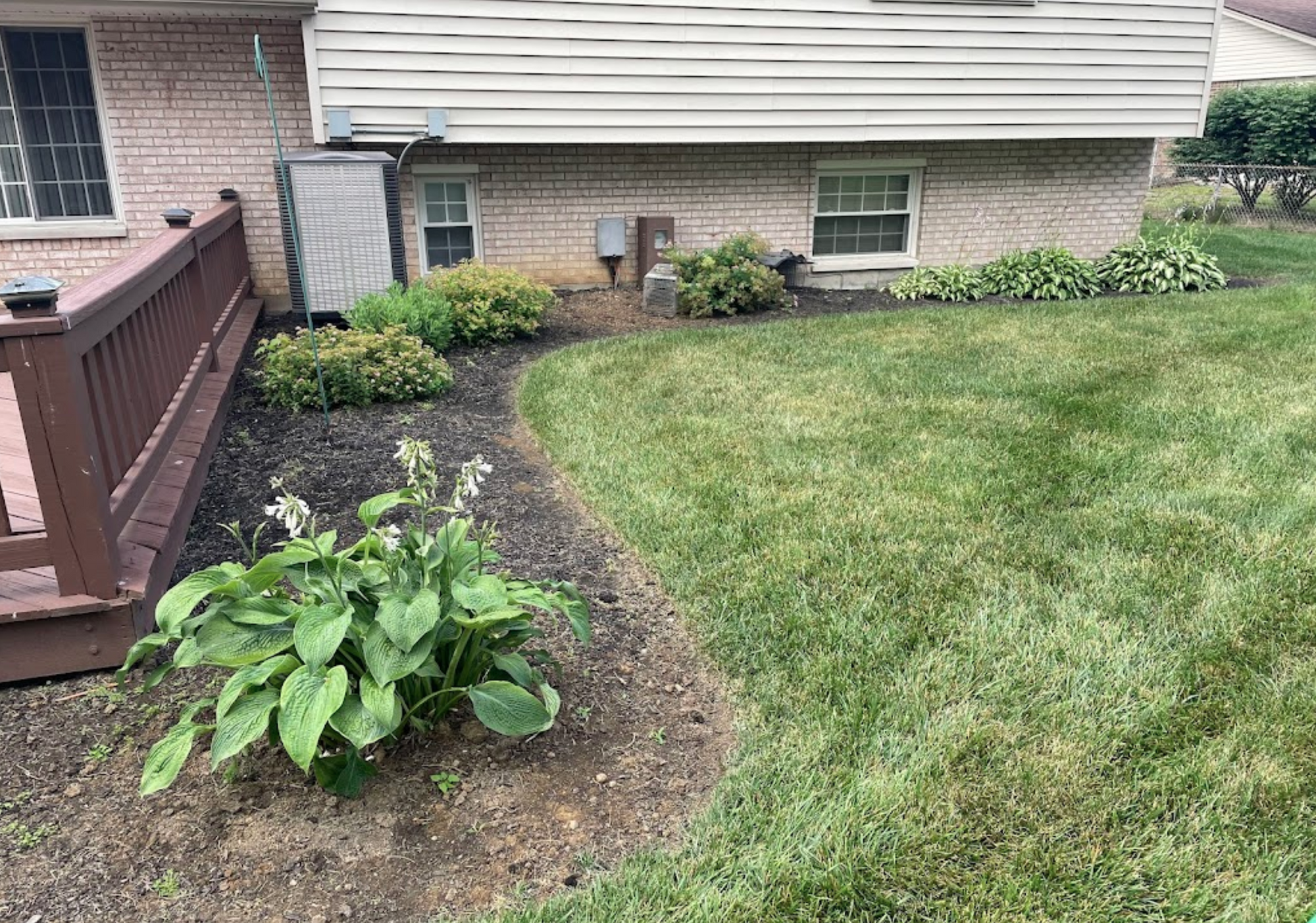
They offered a quick turnaround and delivered high quality mulch at a reasonable price. They also dropped it off exactly where I told them to put it. Good service!
Tell us what you're looking for
Thanks! We received your request.
Something went wrong. Please try again.
How Much Material Do I Need?
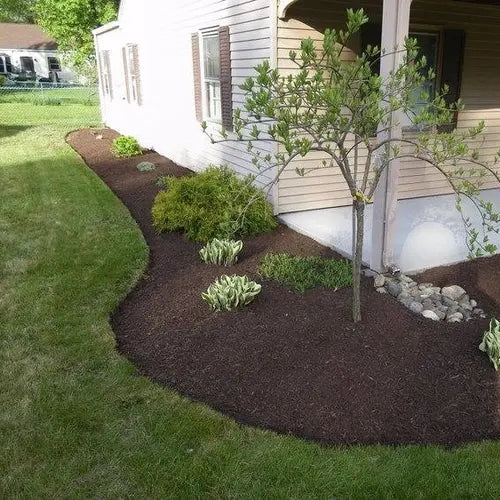
Plan for two to three inches of mulch depth across all planting beds, with three inches being preferable for the exposed, wind-prone conditions common in Rapid City landscapes. One cubic yard covers approximately 100 square feet at a three inch depth, which is a reliable planning number for local projects.
Use our free mulch calculator
What is a yard?
A yard is approximately 27 cubic feet. As a general guideline, one yard of material can cover an area of about 100-160 square feet at a 2-3 inch depth.
They offered a quick turnaround and delivered high quality mulch at a reasonable price. They also dropped it off exactly where I told them to put it. Good service!
How Much Material Do I Need?
Plan for two to three inches of mulch depth across all planting beds, with three inches being preferable for the exposed, wind-prone conditions common in Rapid City landscapes. One cubic yard covers approximately 100 square feet at a three inch depth, which is a reliable planning number for local projects.
Use our free mulch calculator
What is a yard?
A yard is approximately 27 cubic feet. As a general guideline, one yard of material can cover an area of about 100-160 square feet at a 2-3 inch depth.
They offered a quick turnaround and delivered high quality mulch at a reasonable price. They also dropped it off exactly where I told them to put i...
Read full review
They offered a quick turnaround and delivered high quality mulch at a reasonable price. They also dropped it off exactly where I told them to put it. Good service!
Great experience! Easy to order, they delivered promptly and were very respectful of the property! Ordered the triple shredded brown mulch and it w...
Read full review
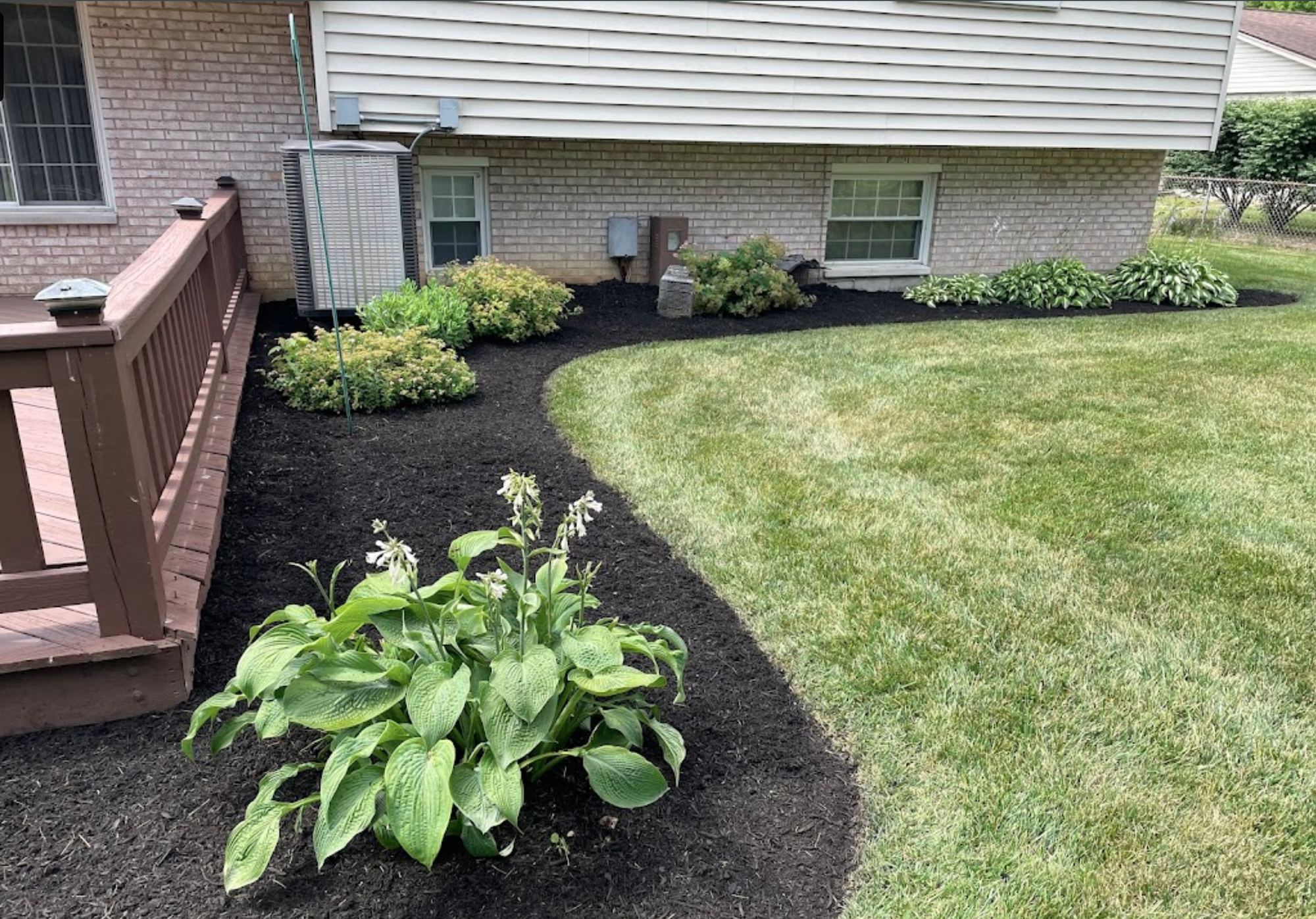
Great experience! Easy to order, they delivered promptly and were very respectful of the property! Ordered the triple shredded brown mulch and it was EXACTLY what I wanted. Very clean product too, no garbage or filler. Already put these guys in my calendar to order from next year! Keep up the good work.
Walk the perimeter of each bed and measure the length and width in feet, then multiply those numbers together to get your square footage. For irregularly shaped beds common in Black Hills style landscaping, break the area into rough rectangles and add the totals together. Remember that 18 inches of annual rainfall means Rapid City beds genuinely benefit from a full three inch depth rather than skimping at two inches.
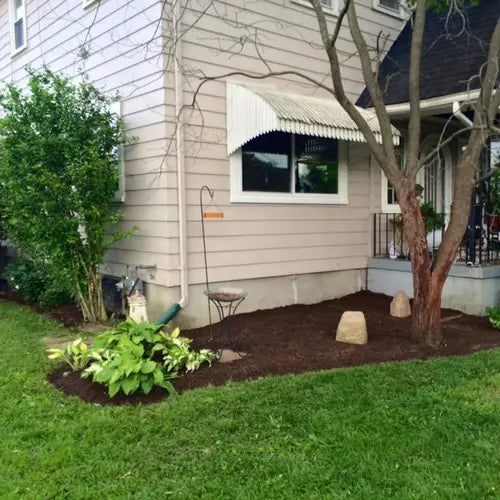
Mulch vs. No Mulch: The Difference
Rapid City's elevation and dry air mean organic mulch dries out faster on the surface than in lower altitude cities, which can make it look like it is breaking down quickly when the deeper layers are still intact. Our low annual rainfall of 18 inches also means mulch is doing heavy lifting for moisture retention here compared to wetter climates where it is more of a cosmetic choice. Understanding how our specific Black Hills conditions interact with organic materials helps you choose the right mulch and apply it at the right depth.
Before
After
Best Mulch Choice for Rapid City Lawns
Most yards in the Rapid City area sit on type of soil. Rapid City's clay loam soil compacts easily under foot traffic and summer heat, forming a dense layer that restricts water movement and makes root expansion difficult for new plants. Mulch applied over clay loam acts as a protective cap that keeps the surface from compacting and cracking while organic material slowly works its way into the soil profile over multiple seasons.
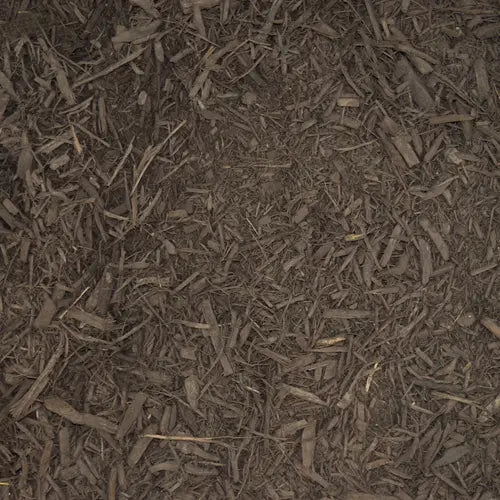
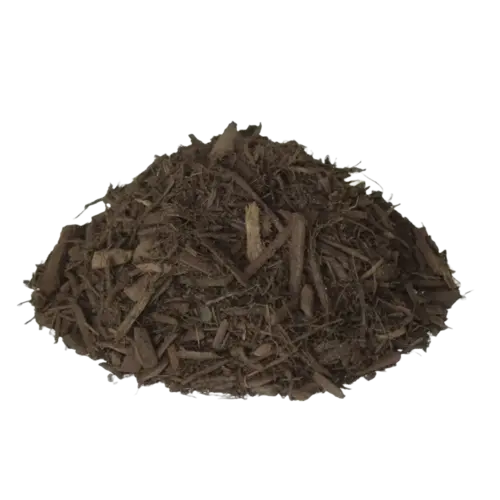
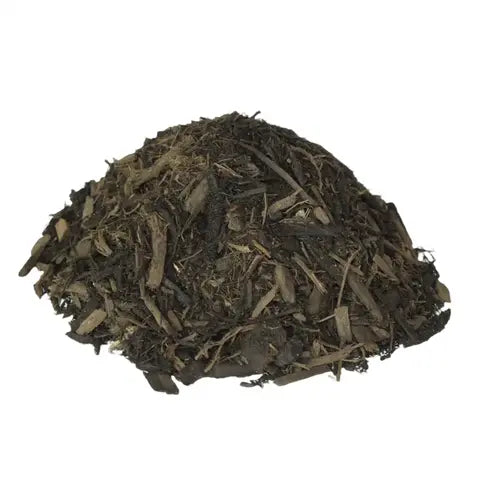
Hardwood Mulch
Hardwood mulch is particularly well suited to Rapid City clay loam because as it decomposes over two to three seasons it adds organic matter that gradually improves the soil structure from the top down. This slow incorporation of organic material opens up the tight clay particles, making the soil more friable over time and giving plant roots easier paths to follow as they establish through our relatively short growing season.
Complete Your Outdoor Mulch Project
Pair your mulch order with a delivery of amended topsoil to rebuild planting beds before you mulch, giving your plants the best possible root environment in Rapid City's challenging clay loam. Adding a load of decorative stone for pathways or borders alongside your mulch delivery saves you a second scheduling hassle and keeps your project moving.
Service area
Areas we deliver mulch in Rapid City, South Dakota
Rapid City clay loam tends to shed water when it dries into a hard crust, so before laying fresh mulch in spring, loosen the top inch of existing soil with a rake or cultivator. This simple step allows the first few rains after your April planting push to actually penetrate rather than run off. Breaking that surface crust once a year makes a surprising difference in how well your plants respond to our limited 18 inch annual rainfall.
Mulch Mound Pro Tip
Because Rapid City sits in Zone 5b with frosts possible into late April, avoid the temptation to pull back your winter mulch layer too early in spring. That layer is still protecting shallow roots from the freeze and thaw cycles that happen almost weekly in March and early April at our elevation. Wait until daytime temperatures are consistently above 45 degrees before disturbing your mulch, then refresh the layer after your final cleanup.
Mulch Mound Pro Tip
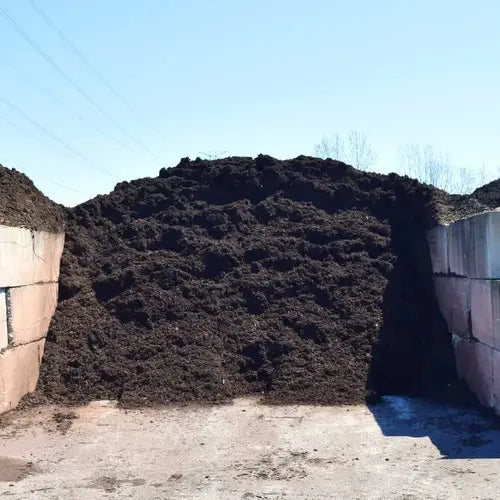
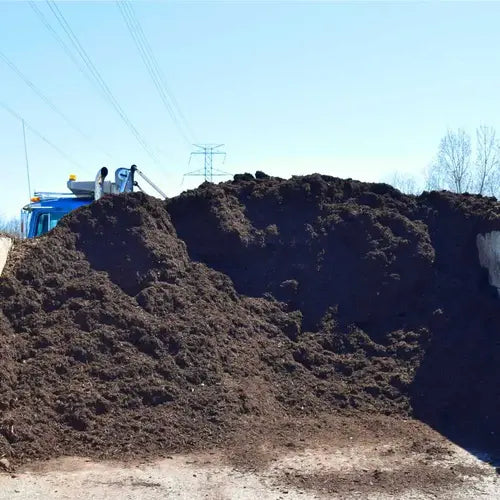
When ordering bulk mulch for delivery in Rapid City, keep the pile off your lawn if at all possible and request placement on your driveway or a tarp. Mulch piles sitting on grass in the early spring heat up quickly through decomposition and can kill the turf underneath within just a few days. A little planning around your drop spot means you protect your lawn while you work through spreading the load at your own pace.
Frequently Asked Questions
Click a question to see the answer
Answer
How thick should I apply mulch over my clay loam soil here in Rapid City?
For Rapid City clay loam, we recommend a two to three inch layer for most established plant beds. Clay loam already holds moisture reasonably well when it is not dried out, so going thicker than three inches can trap too much moisture against plant crowns and cause rot, especially in the cooler temperatures of a Zone 5b fall. For newly planted trees and shrubs, a three inch layer pulled a few inches away from the trunk works well to protect roots through our harsh winters.
Answer
Will mulch help my plants survive the early October frosts we get here?
Absolutely. Rapid City averages its first frost around October 5, which can catch gardeners off guard after a warm September. A fresh layer of mulch applied in mid to late September insulates soil and helps roots stay warm enough to continue hardening off properly before the ground freezes. This is especially important for perennials and shrubs planted within the last year that have not yet established deep root systems.
Answer
My soil dries out and cracks every summer even when I water regularly. Will mulch actually make a difference?
Yes, and the difference in Rapid City conditions is dramatic. Our 18 inches of annual rainfall combined with the high elevation sun intensity means uncovered clay loam can lose moisture rapidly through evaporation. A consistent mulch layer reduces that surface evaporation significantly, which means your soil stays workable longer between waterings and those frustrating surface cracks happen far less often. Many Rapid City homeowners report cutting their watering frequency noticeably after mulching beds properly.
Answer
What kind of mulch breaks down the fastest in our climate up here?
Shredded hardwood and wood chip mulches break down at a moderate pace in Rapid City because our cold winters essentially pause decomposition for several months each year. The shorter growing season in Zone 5b means organic mulches last longer here than they would in warmer states. You can typically expect to refresh your mulch every two to three years rather than annually, which makes bulk delivery an especially smart value for local homeowners.
Answer
Can I apply mulch right after the last frost in late April or should I wait longer?
Late April is actually a great window to mulch in Rapid City once the ground has thawed and dried out slightly from snowmelt. Applying after the last frost date of approximately April 25 lets the soil warm up naturally first, which encourages root growth in spring. If you mulch while the ground is still cold and wet from snowmelt, you can slow that warming process and delay your plants getting started for the season.
Answer
Is there a type of mulch that holds up better against the wind we get here on the plains side of Rapid City?
Shredded hardwood mulch interlocks as it settles and resists wind displacement much better than large wood chips or straw. For the more exposed properties on the eastern and southern edges of Rapid City where prairie winds can gust significantly, shredded hardwood is our most popular recommendation. If you have particularly wind-exposed beds, applying the mulch slightly damp at installation helps it knit together faster and stay in place.
Answer
How many cubic yards do I need for a typical backyard project in Rapid City?
For a standard Rapid City backyard with several foundation beds and a couple of tree rings totaling around 500 square feet, you are typically looking at three to four cubic yards at a two to three inch depth. Use our on-page calculator to enter your exact square footage and depth for a more precise estimate. Ordering a little extra is always wise since Rapid City delivery minimums mean a second trip adds cost.
The Unique Landscape of Rapid City
Rapid City sits at 3,241 feet in the Black Hills foothills, where the climate swings between brutal winter cold and dry summer heat that bakes exposed soil within days. With only 18 inches of annual rainfall and a growing season squeezed between a last frost on April 25 and a first frost as early as October 5, moisture conservation is not optional for local gardeners. The clay loam soil native to this area tends to crack and harden when dry, making it difficult for plant roots to penetrate and nearly impossible for water to absorb quickly. A quality layer of mulch acts as a thermal buffer, keeping soil temperatures more stable through the wild temperature swings common to Zone 5b springs and falls. Without mulch, Rapid City homeowners often watch their plant beds go from frozen to scorched in just a few weeks as the Black Hills weather shifts rapidly. Investing in bulk mulch delivery means your beds stay protected through every season this high-elevation city throws at them.