Every yard covers roughly 100 square feet at 3 inches. Reading beds usually need somewhere in the 2 to 3 inch depth range.
Use our free mulch calculator
What is a yard?
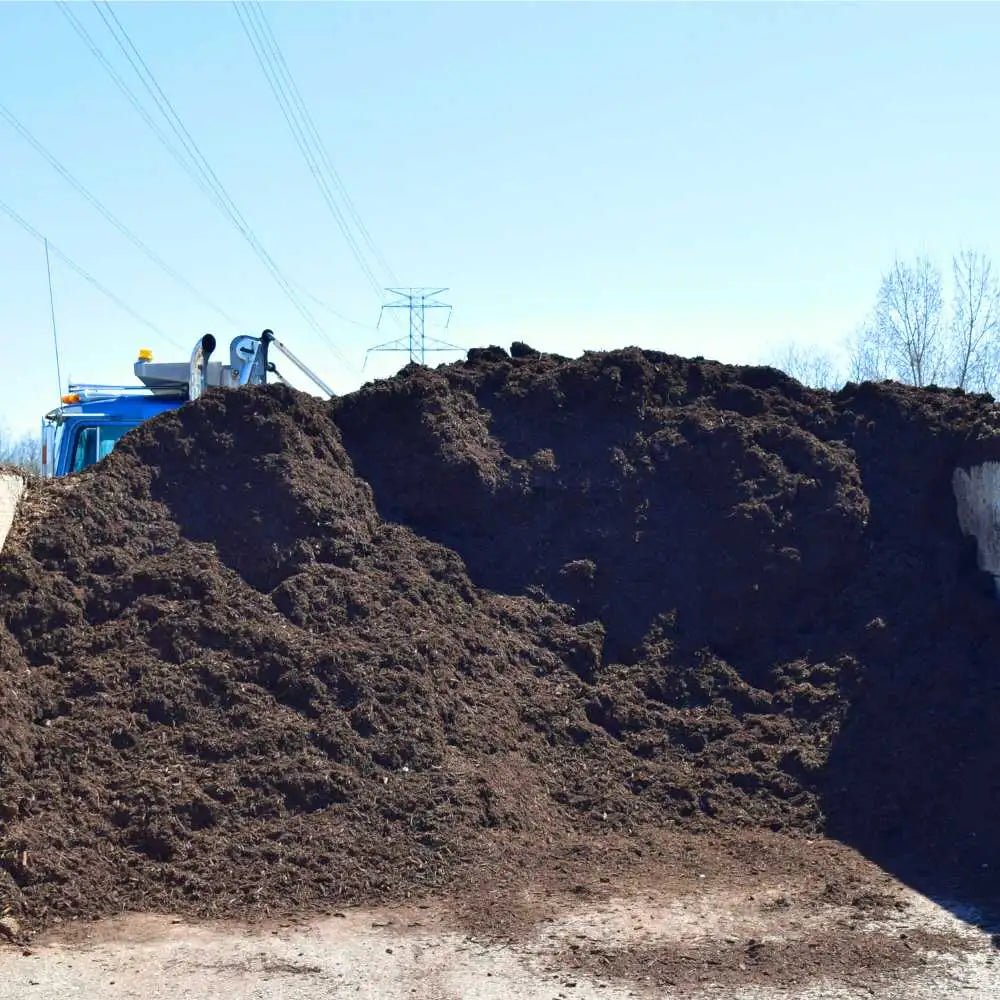
A yard is approximately 27 cubic feet. As a general guideline, one yard of material can cover an area of about 100-160 square feet at a 2-3 inch depth.
What is a yards?
A yard is approximately 27 cubic feet. As a general guideline, one yard of material can cover an area of about 10 feet by 10 feet at a few inches deep.
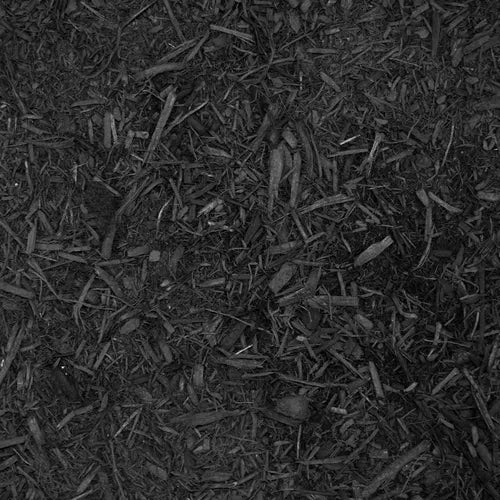
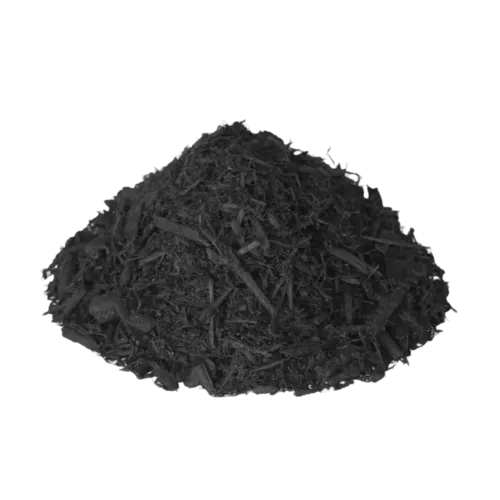
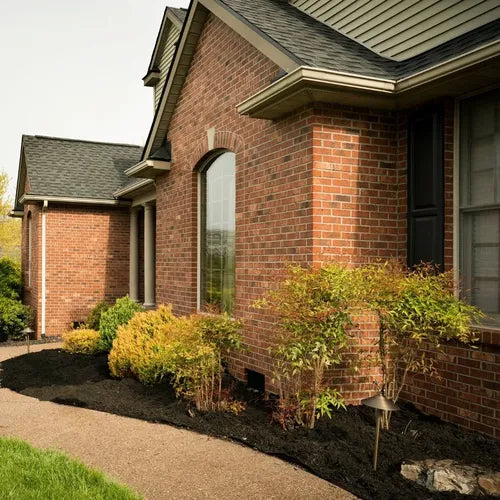
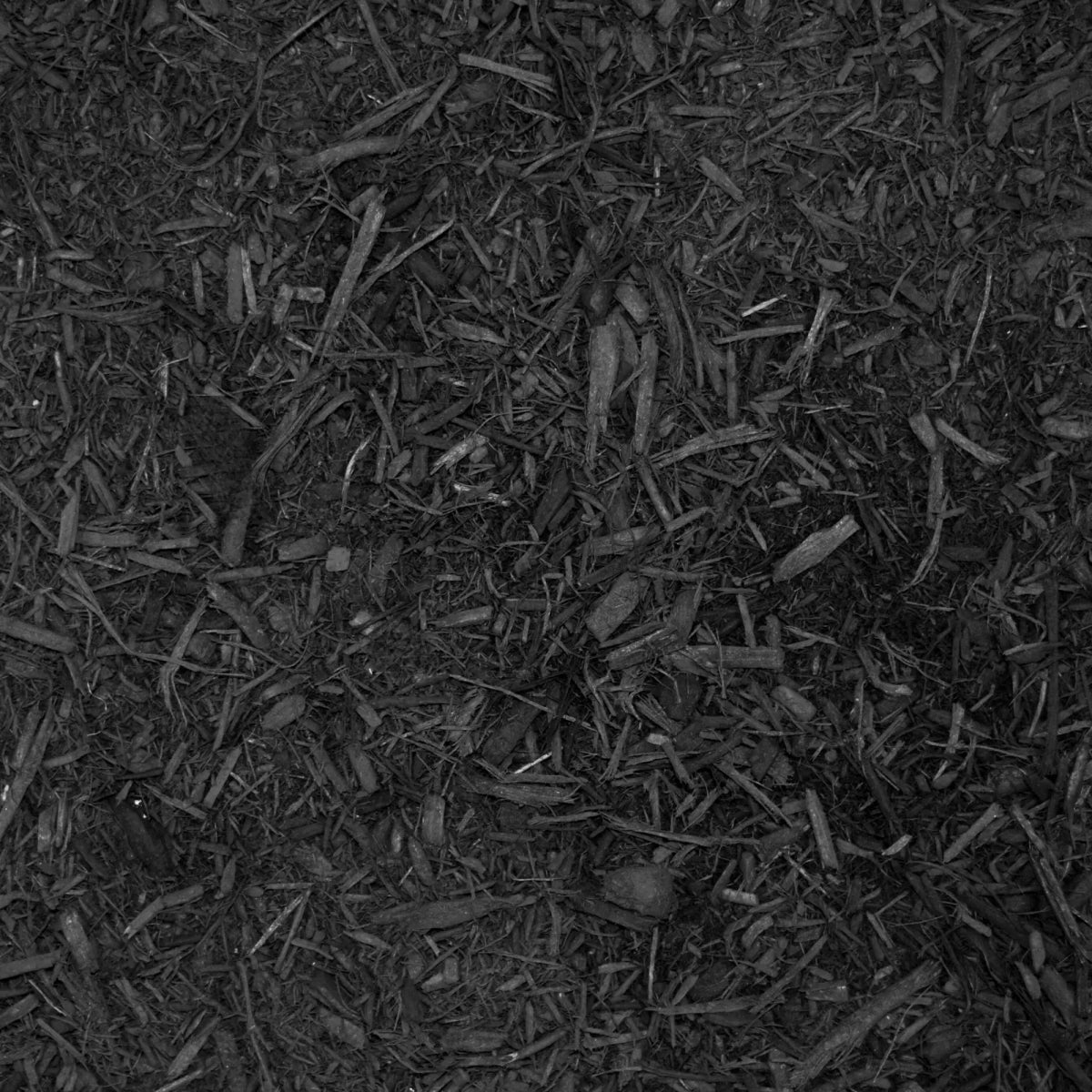
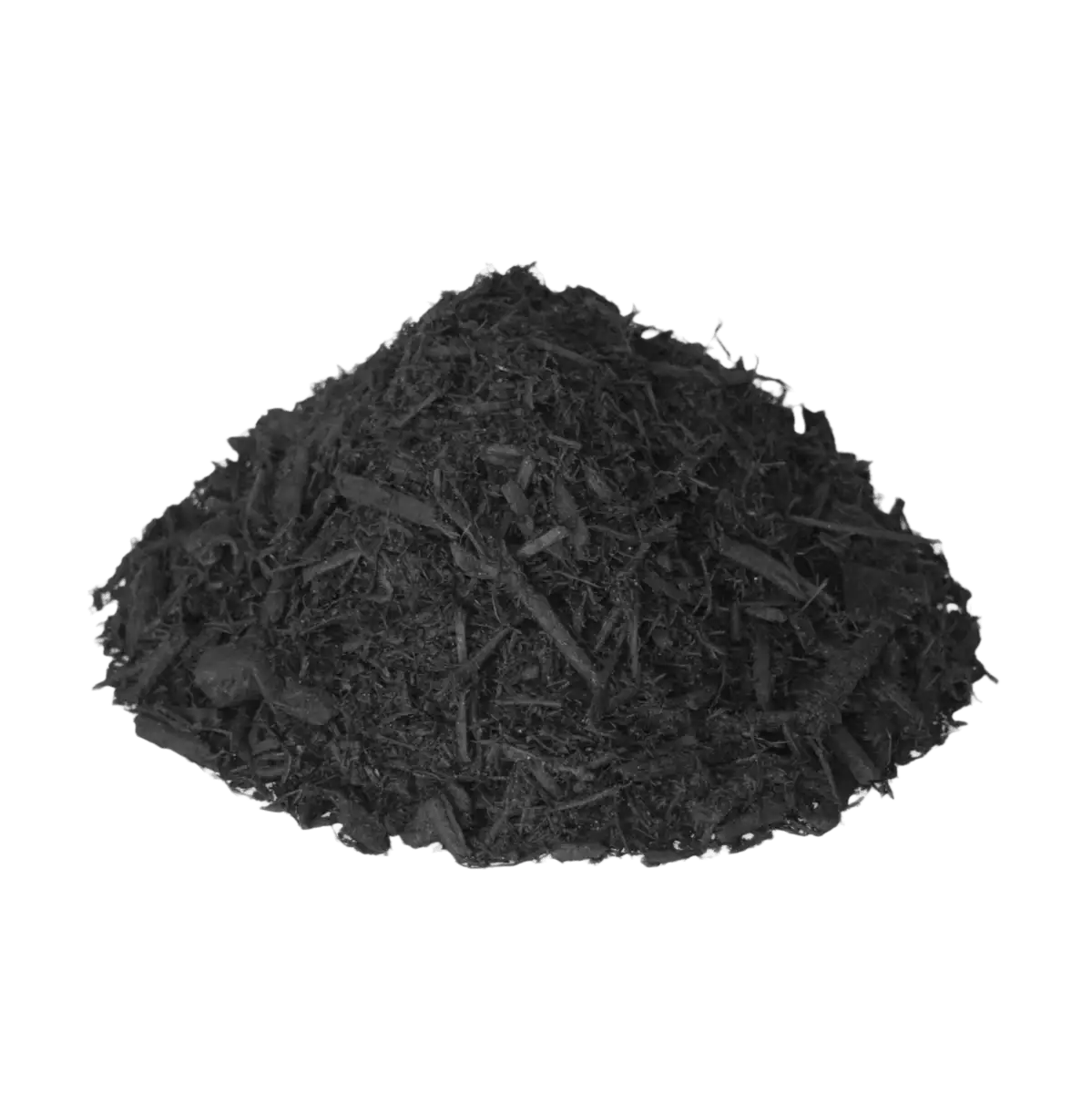
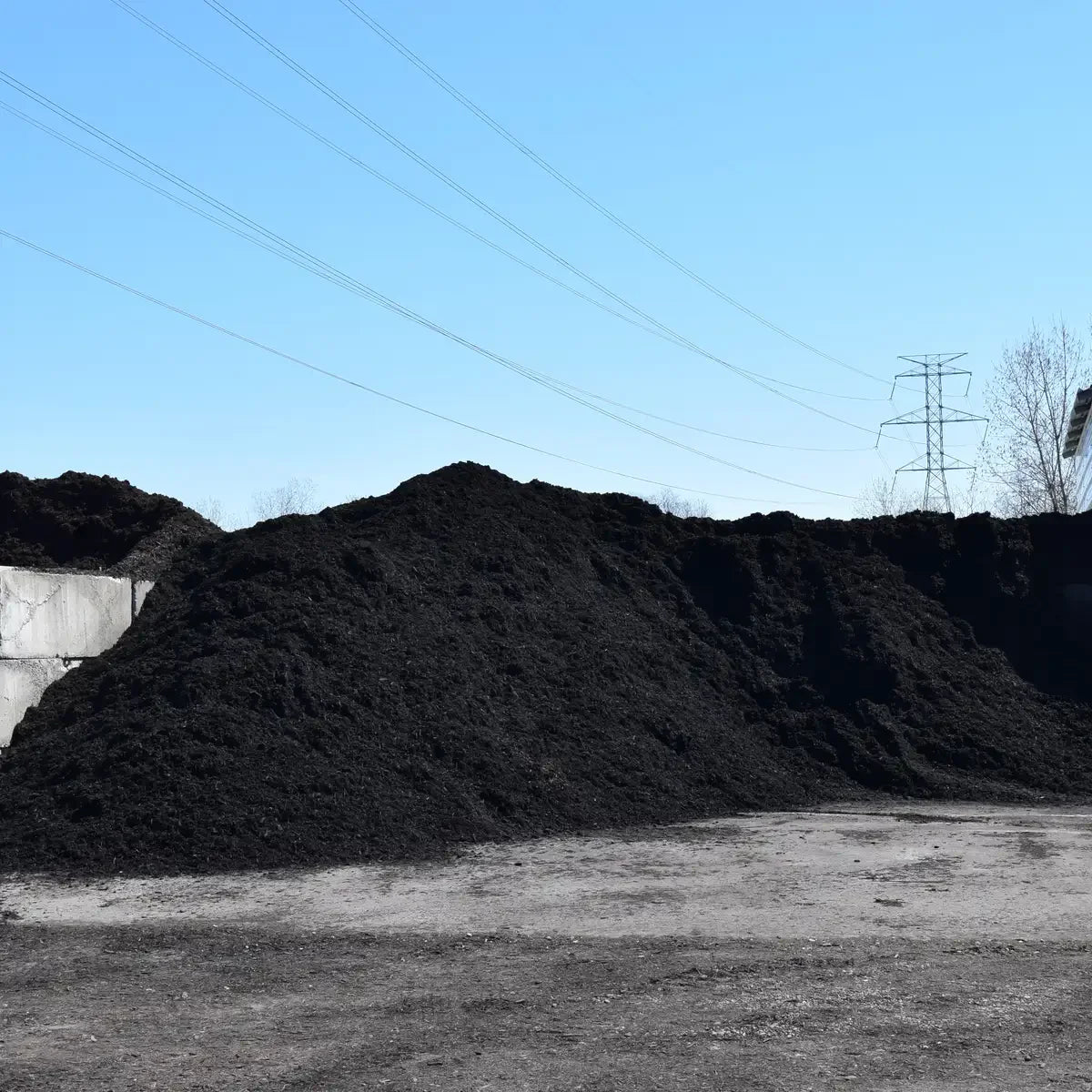
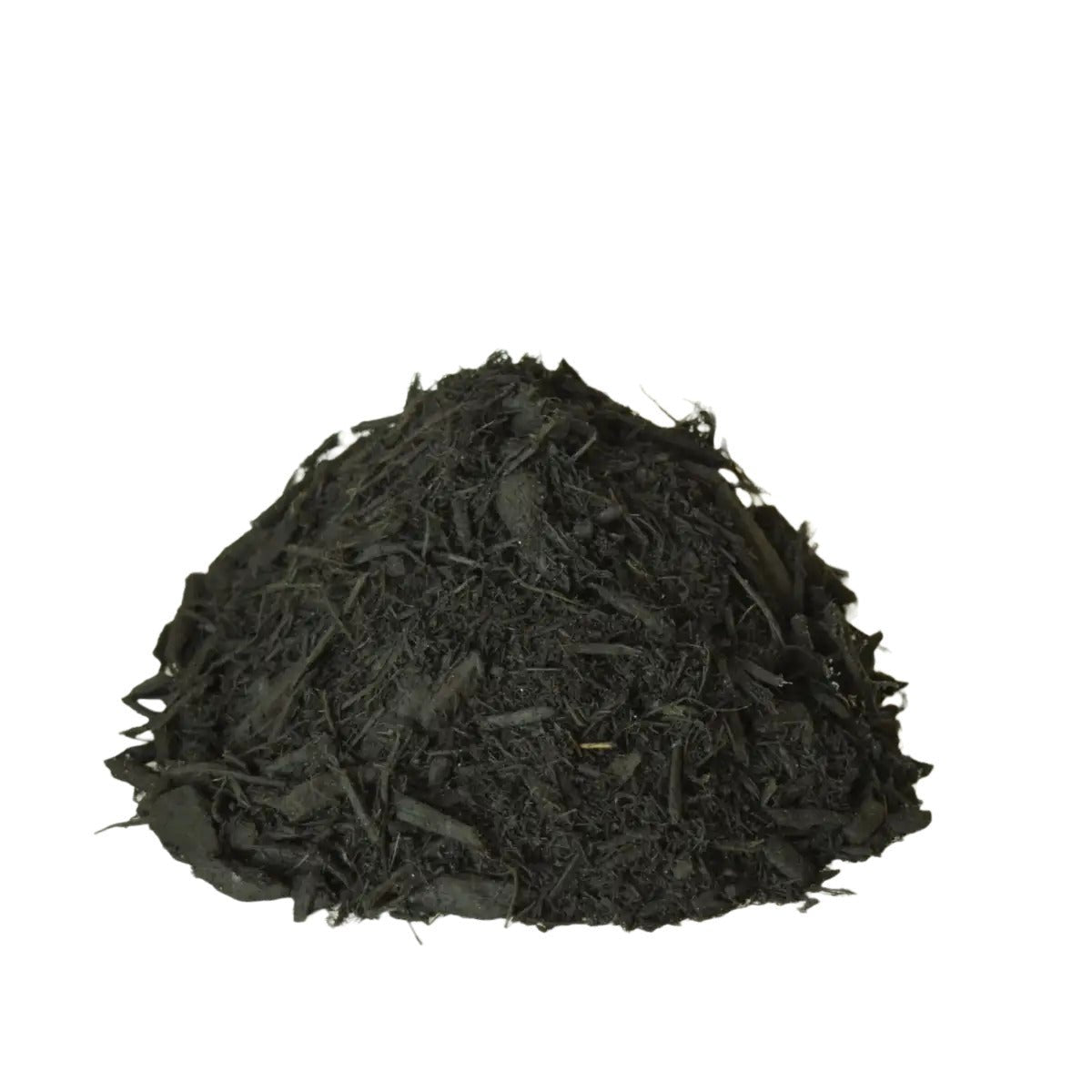
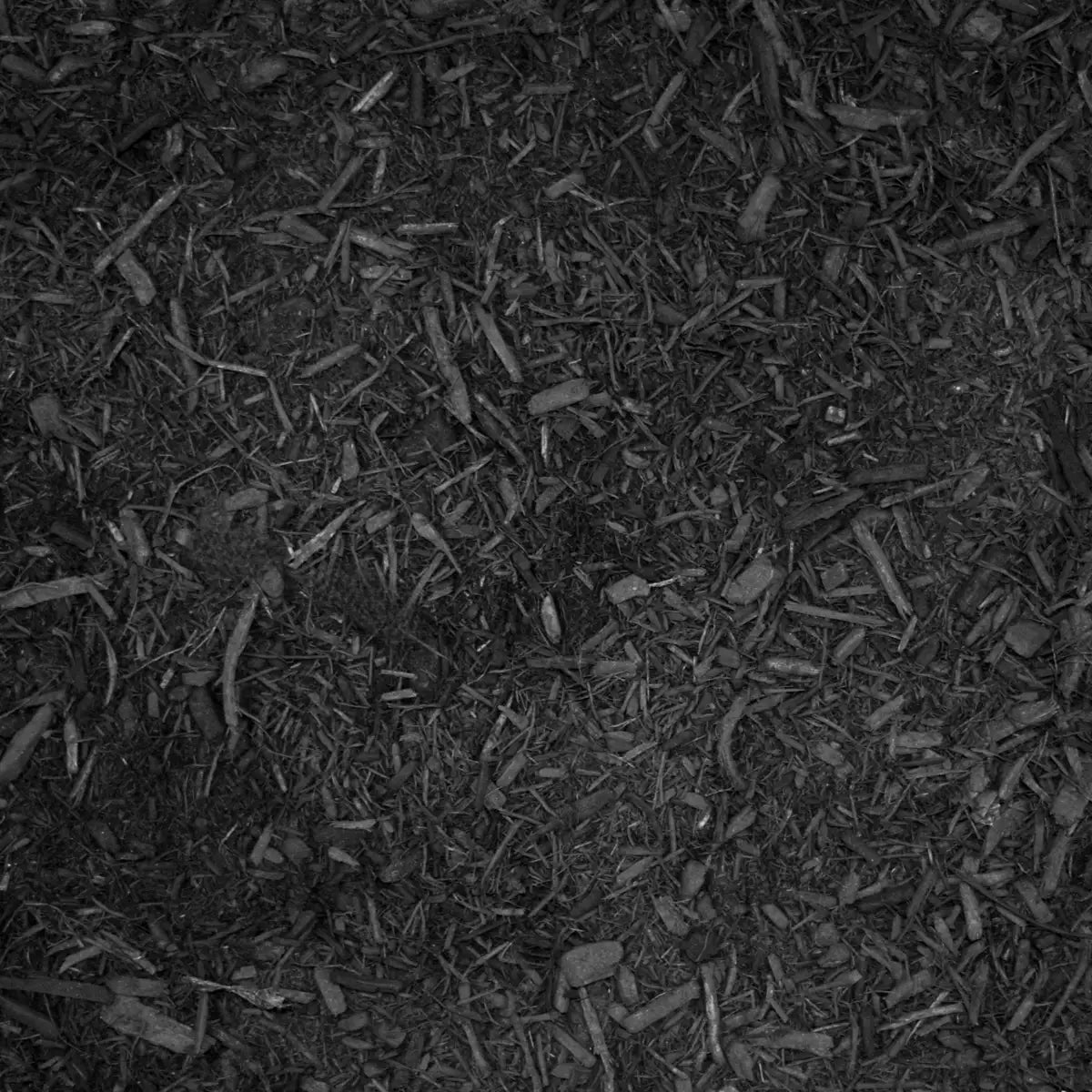
Bold black double shredded mulch that transforms beds instantly. The rich color holds strong through sun and rain, and the smooth texture spreads effortlessly.
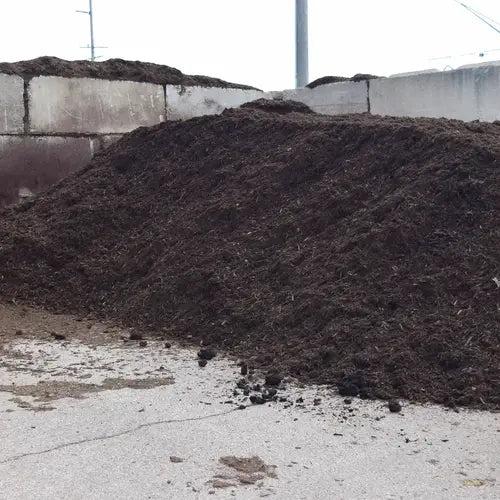
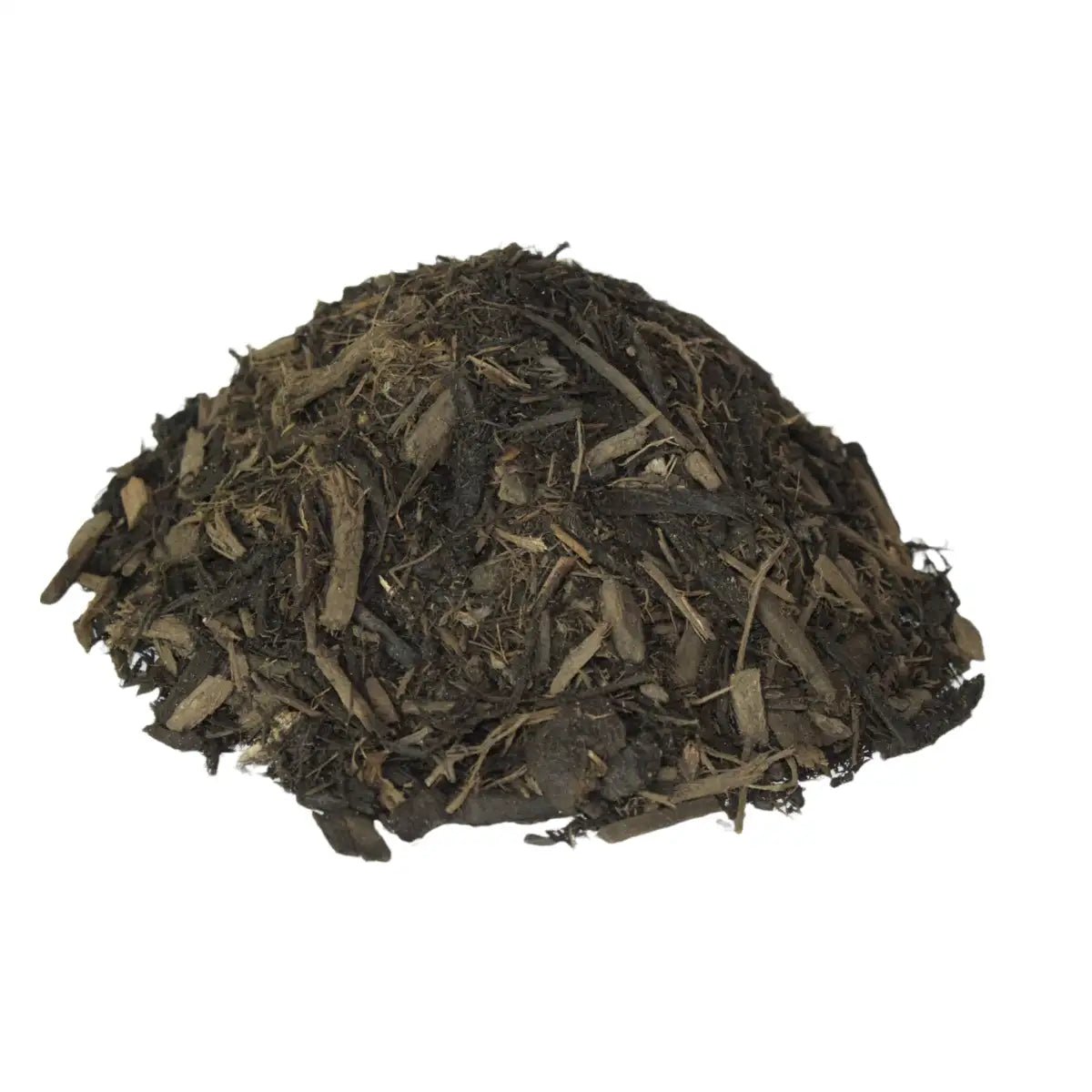
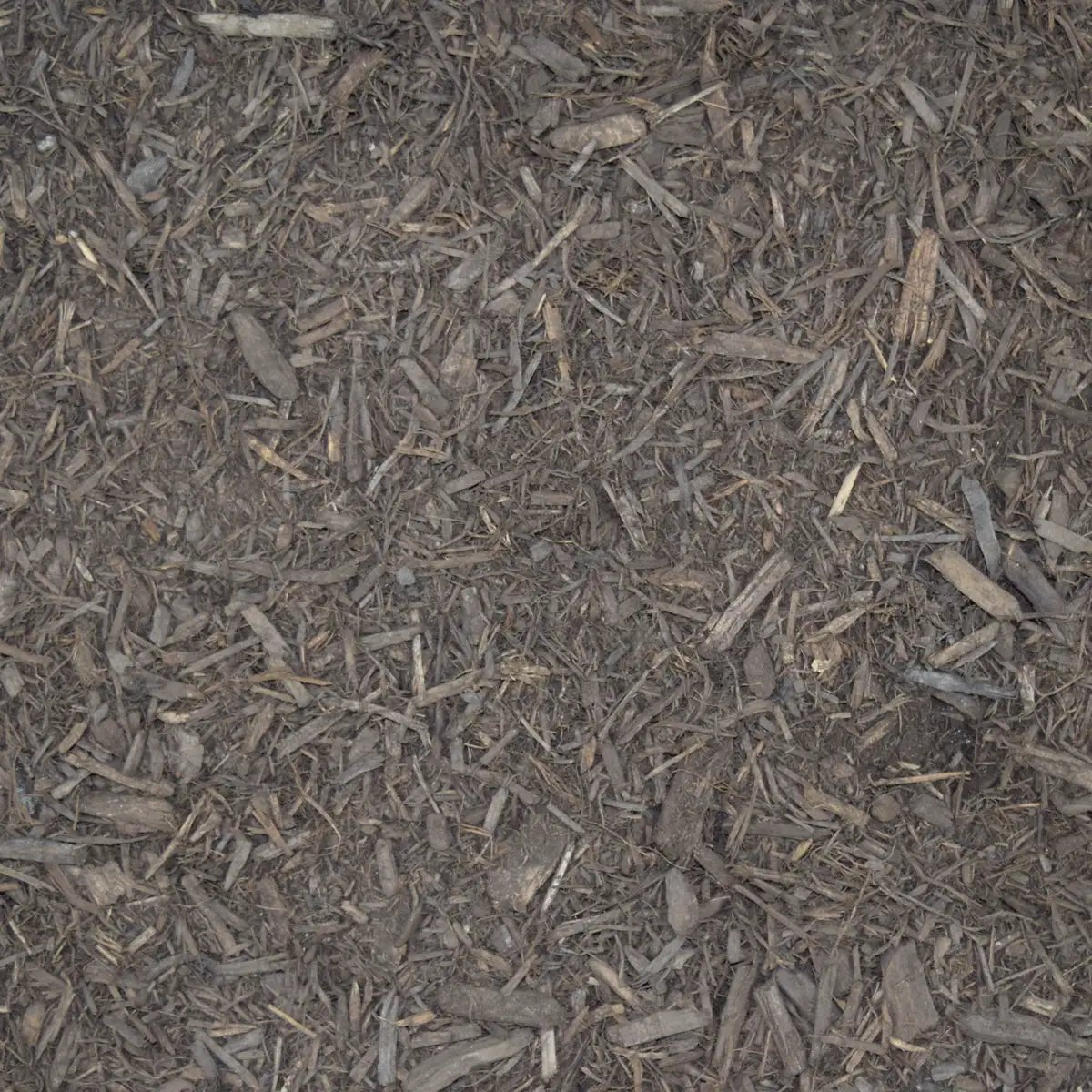
The finest natural mulch available, triple shredded for a luxuriously smooth texture. No dyes, just warm brown tones with an unbeatable finish.
The finest natural mulch available, triple shredded for a luxuriously smooth texture. No dyes, just warm brown tones with an unbeatable finish.
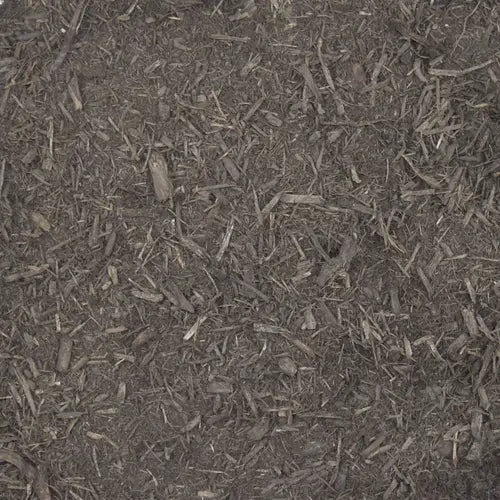
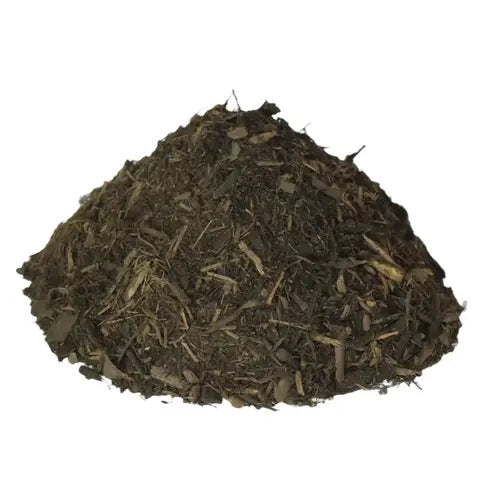
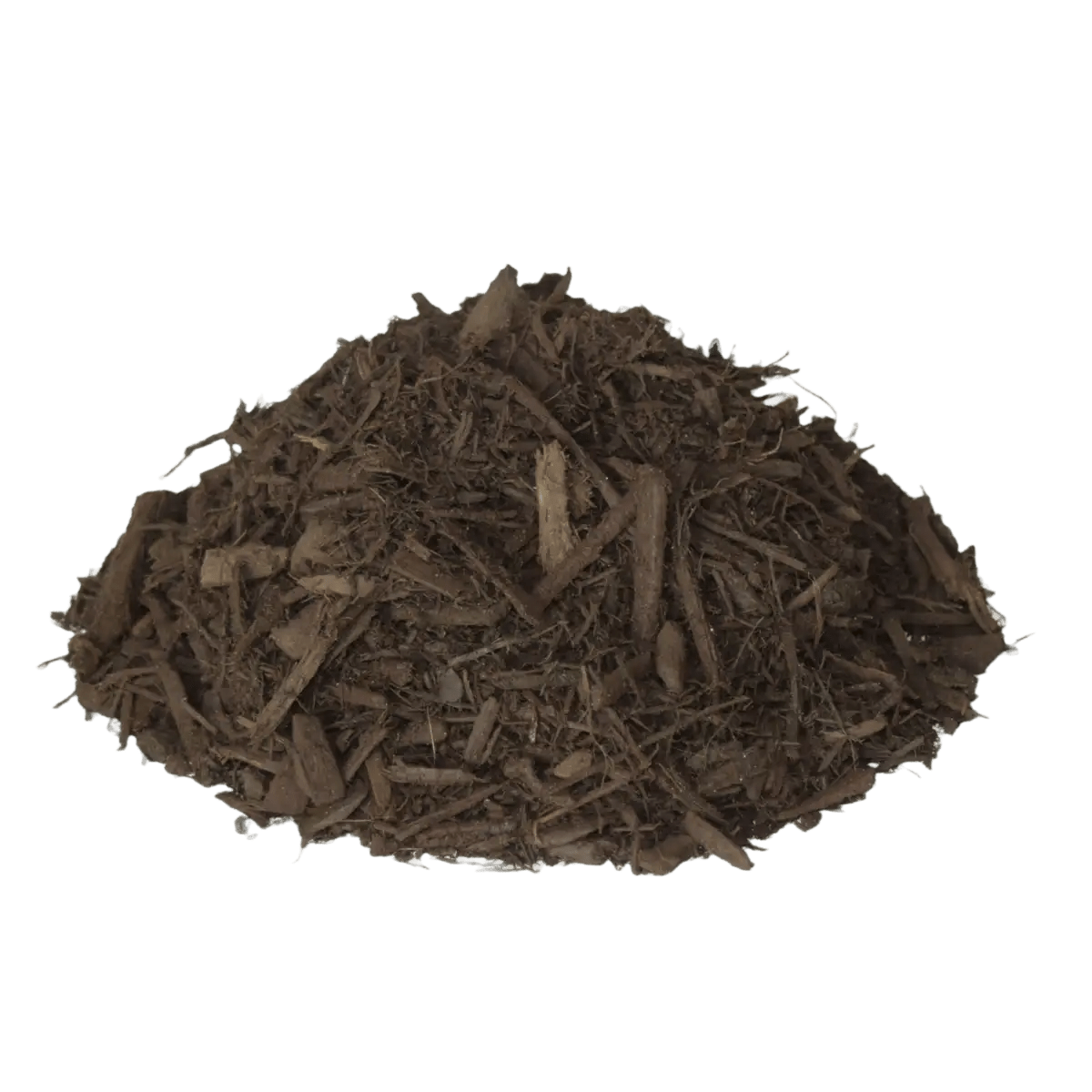
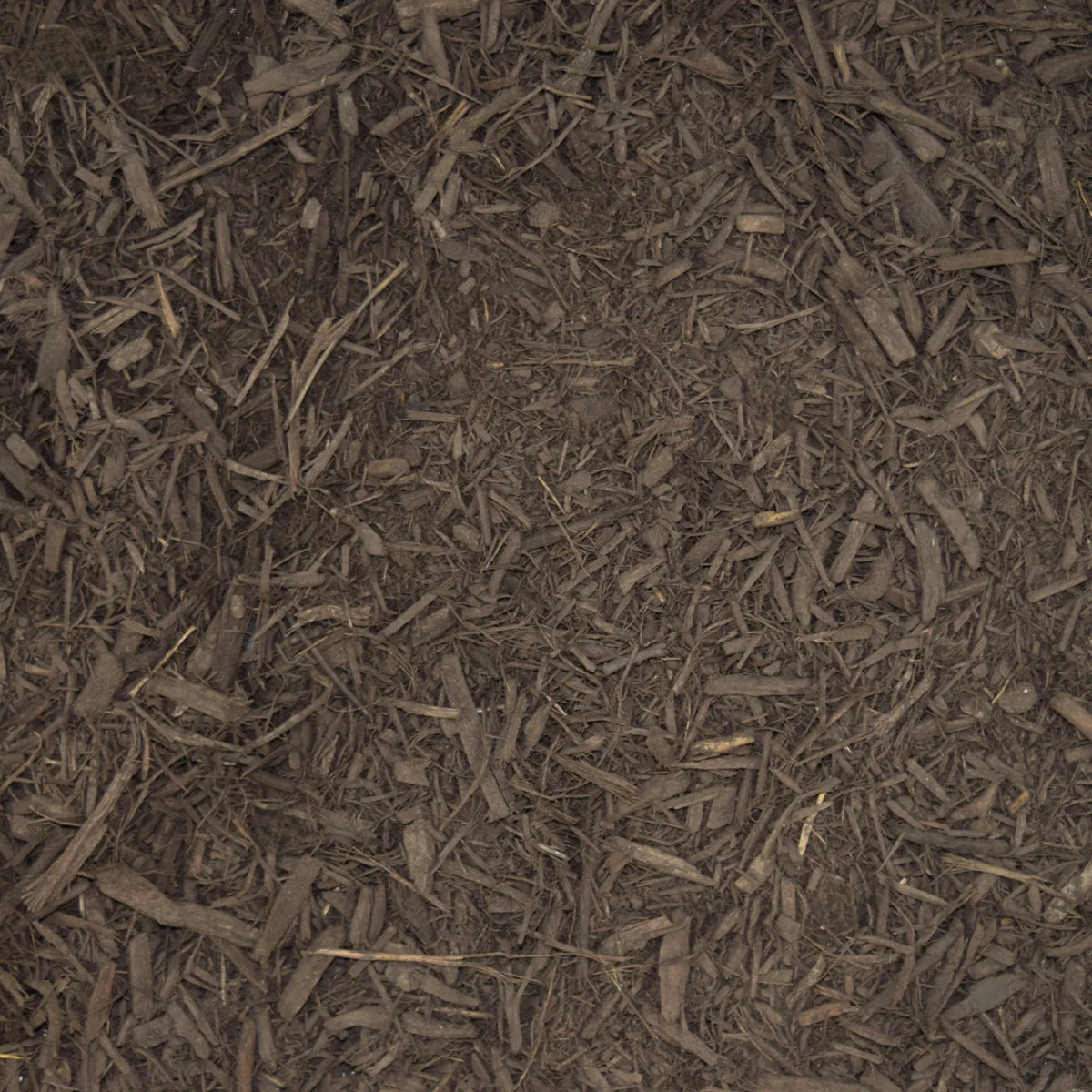
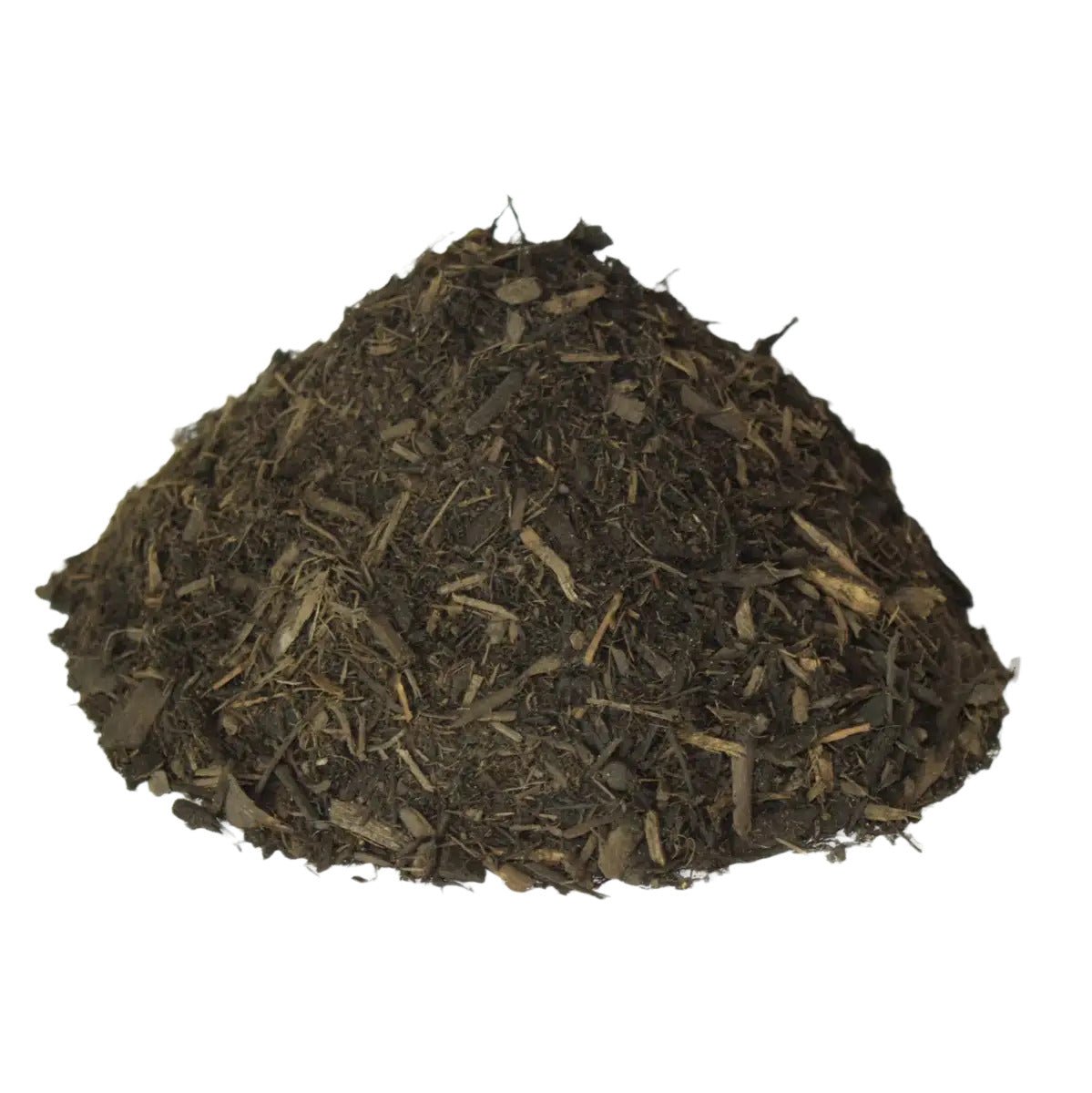
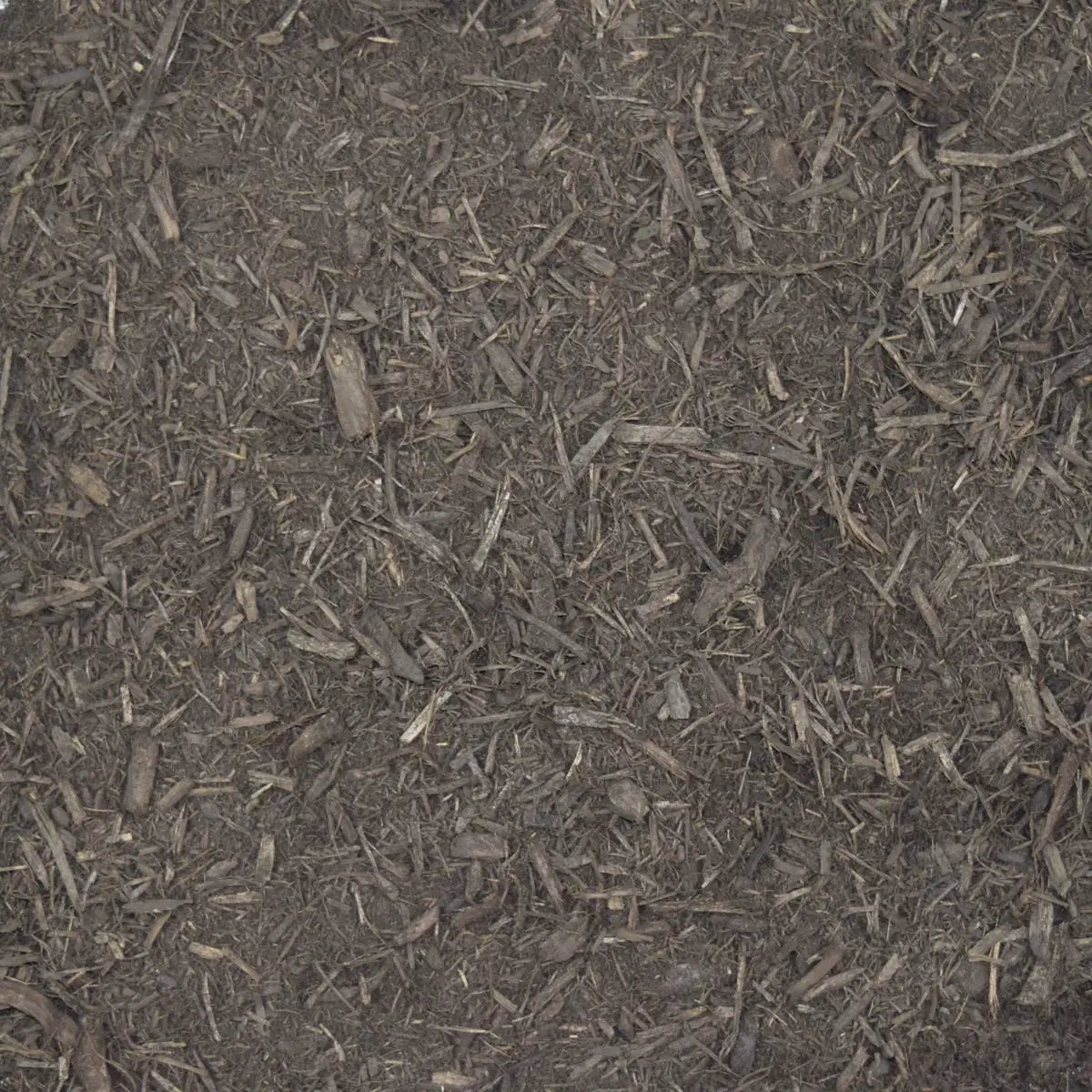
Undyed double shredded mulch with a warm, earthy brown tone straight from the wood itself. Smooth texture, clean spread, and an honest natural look.
Warm brown double shredded mulch with lasting color that looks freshly applied for weeks. Spreads smooth, stays put, and gives beds a natural, polished appearance.
Bold black double shredded mulch that transforms beds instantly. The rich color holds strong through sun and rain, and the smooth texture spreads effortlessly.
Undyed double shredded mulch with a warm, earthy brown tone straight from the wood itself. Smooth texture, clean spread, and an honest natural look.
Ultra fine triple shredded mulch in deep black. The extra processing creates a velvety texture that settles perfectly flat for a manicured, high end finish.
Warm brown double shredded mulch with lasting color that looks freshly applied for weeks. Spreads smooth, stays put, and gives beds a natural, polished appearance.
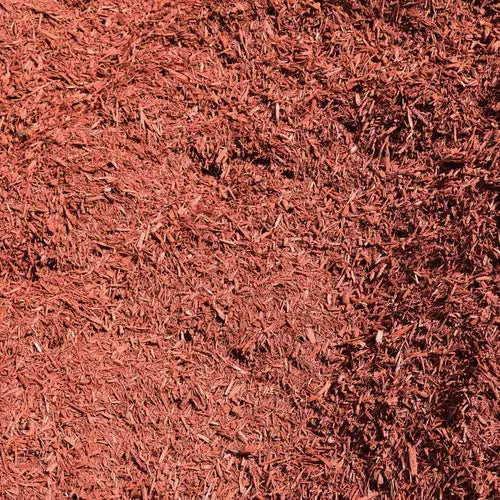
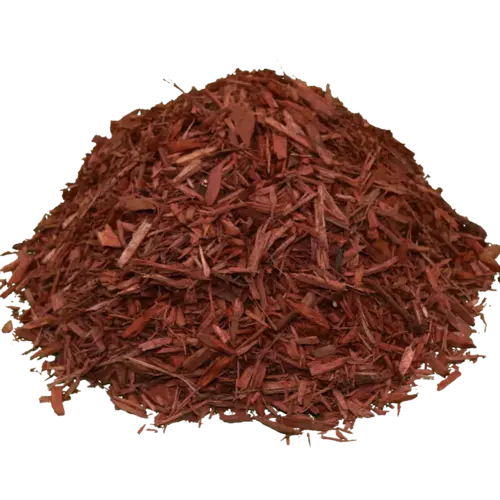
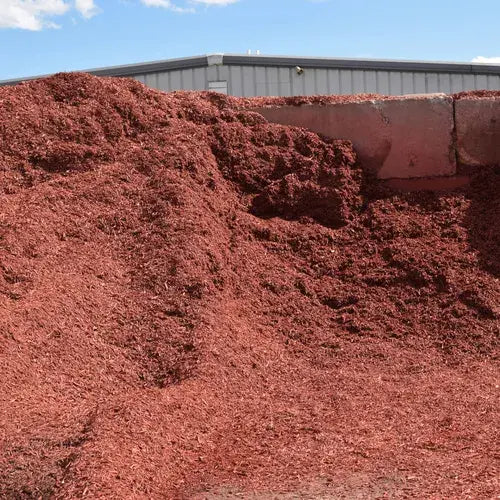
Triple shredded for a silky smooth finish in eye catching red. The finest texture available, with vivid color that commands attention in any landscape.
Warm brown double shredded mulch with lasting color that looks freshly applied for weeks. Spreads smooth, stays put, and gives beds a natural, polished appearance.
Bold black double shredded mulch that transforms beds instantly. The rich color holds strong through sun and rain, and the smooth texture spreads effortlessly.
Undyed double shredded mulch with a warm, earthy brown tone straight from the wood itself. Smooth texture, clean spread, and an honest natural look.
Warm brown double shredded mulch with lasting color that looks freshly applied for weeks. Spreads smooth, stays put, and gives beds a natural, polished appearance.
Bold black double shredded mulch that transforms beds instantly. The rich color holds strong through sun and rain, and the smooth texture spreads effortlessly.
Undyed double shredded mulch with a warm, earthy brown tone straight from the wood itself. Smooth texture, clean spread, and an honest natural look.
Warm brown double shredded mulch with lasting color that looks freshly applied for weeks. Spreads smooth, stays put, and gives beds a natural, polished appearance.
Undyed double shredded mulch with a warm, earthy brown tone straight from the wood itself. Smooth texture, clean spread, and an honest natural look.
Bold black double shredded mulch that transforms beds instantly. The rich color holds strong through sun and rain, and the smooth texture spreads effortlessly.
Warm brown double shredded mulch with lasting color that looks freshly applied for weeks. Spreads smooth, stays put, and gives beds a natural, polished appearance.
Undyed double shredded mulch with a warm, earthy brown tone straight from the wood itself. Smooth texture, clean spread, and an honest natural look.
Bold black double shredded mulch that transforms beds instantly. The rich color holds strong through sun and rain, and the smooth texture spreads effortlessly.
Certified playground mulch built for safety first surfaces. Provides reliable cushioning, drains well, and keeps play areas clean and maintained.
Certified playground mulch built for safety first surfaces. Provides reliable cushioning, drains well, and keeps play areas clean and maintained.
Warm brown double shredded mulch with lasting color that looks freshly applied for weeks. Spreads smooth, stays put, and gives beds a natural, polished appearance.
Bold black double shredded mulch that transforms beds instantly. The rich color holds strong through sun and rain, and the smooth texture spreads effortlessly.
Undyed double shredded mulch with a warm, earthy brown tone straight from the wood itself. Smooth texture, clean spread, and an honest natural look.
Bold black triple shredded mulch that transforms beds instantly. The rich color holds strong through sun and rain, and the smooth texture spreads effortlessly.
Warm brown triple shredded mulch with lasting color that looks freshly applied for weeks. Spreads smooth, stays put, and gives beds a natural, polished appearance.
Undyed triple shredded mulch with a warm, earthy brown tone straight from the wood itself. Smooth texture, clean spread, and an honest natural look.
Warm brown double shredded mulch with lasting color that looks freshly applied for weeks. Spreads smooth, stays put, and gives beds a natural, polished appearance.
Undyed double shredded mulch with a warm, earthy brown tone straight from the wood itself. Smooth texture, clean spread, and an honest natural look.
Bold black double shredded mulch that transforms beds instantly. The rich color holds strong through sun and rain, and the smooth texture spreads effortlessly.
Warm brown double shredded mulch with lasting color that looks freshly applied for weeks. Spreads smooth, stays put, and gives beds a natural, polished appearance.
Undyed double shredded mulch with a warm, earthy brown tone straight from the wood itself. Smooth texture, clean spread, and an honest natural look.
Bold black double shredded mulch that transforms beds instantly. The rich color holds strong through sun and rain, and the smooth texture spreads effortlessly.
It was my second time shopping here. This time, we purchased the brown mulch. I'm very happy with the quality of the product - it didn't smell like...
Read full review
It was my second time shopping here. This time, we purchased the brown mulch. I'm very happy with the quality of the product - it didn't smell like big box stores' mulch in the bags, and was able to arrange the drop-off time. Thank you!
They were very fast on delivery. The driver had read my directions and followed them to a "T". The black Mulch is superb, well shredded and with...
Read full review
They were very fast on delivery. The driver had read my directions and followed them to a "T". The black Mulch is superb, well shredded and with no extraneous material. I would recommend them to everyone who needs Mulch delivered.
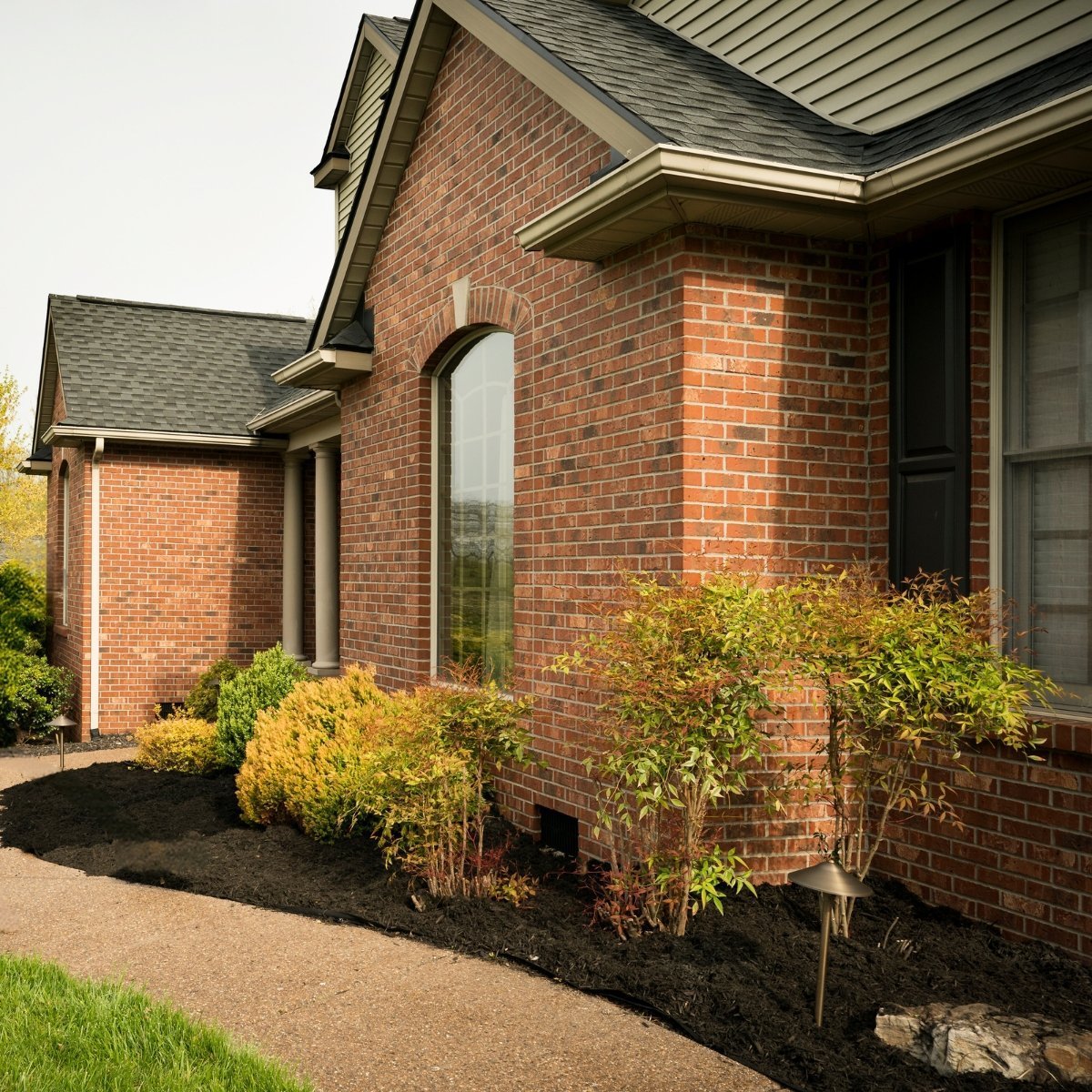
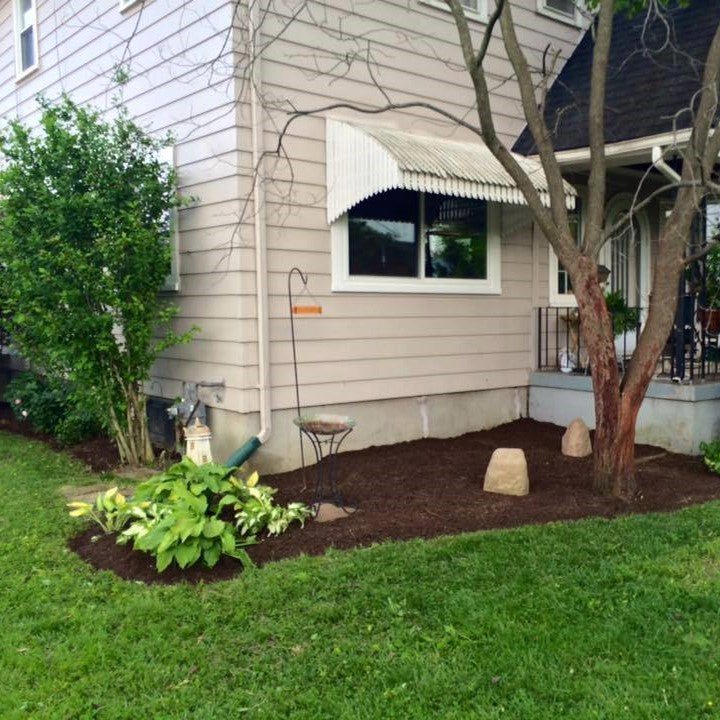
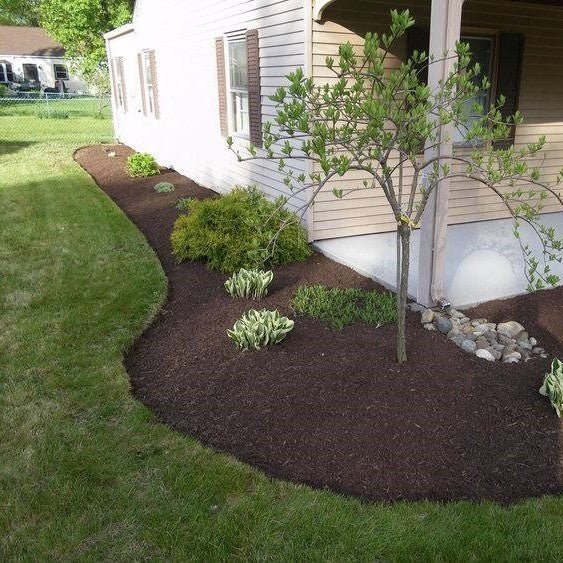
Most mulch projects aim for 2–3 inches of coverage to suppress weeds and hold moisture. Use our Trace from Satellite tool to outline beds, tree rings, or play areas and get an estimated yardage. In Reading, where silt loam soil is common, a solid mulch layer also helps keep the ground from crusting over.
Mulch vs. No Mulch: The Difference
Schuylkill Valley industrial history left variable soil chemistry block by block. Combined with humid summers mulch breakdown rates differ even between neighboring beds. Observe your specific site closely.
Before
After
Best Mulch Choice for Reading Lawns
Most yards in the Reading area sit on Silt Loam type of soil. It can hold moisture well, but it may compact at the surface and get slick or crusty after heavy rain.
Hardwood Mulch
A layer of hardwood mulch reduces surface crust, limits erosion, and helps keep moisture consistent through hot weeks.
Complete Your Outdoor Mulch Project
Mulch handles the surface, but the layers underneath matter too. Pair it with quality soil for healthier Reading roots and decorative stone for borders and paths.
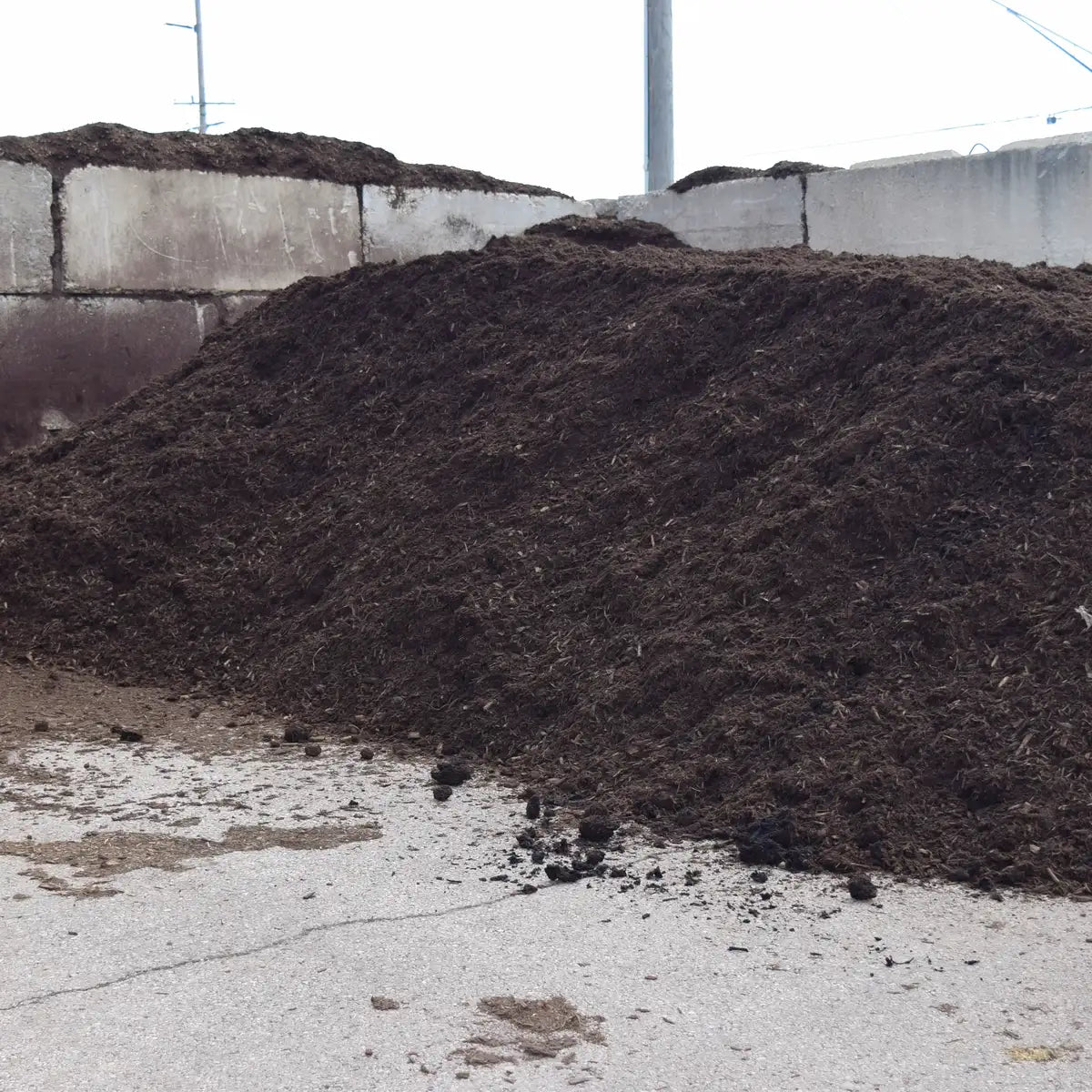
Lay a large tarp under your mulch pile on the driveway before delivery. When you are finished spreading, drag the tarp to collect leftover scraps instead of sweeping scattered bits by hand across the concrete.
Mulch Mound Pro Tip
Water your beds thoroughly a day before mulching to prepare the soil. Moist soil holds mulch in place better than dry soil, and you will not be compacting wet material under your feet as you work.
Mulch Mound Pro Tip
Apply mulch after the soil warms in spring, not before. Mulching too early traps cold in the ground and delays root growth. In Reading, wait until after Apr 20 for best results with new plantings and established beds alike.
Frequently Asked Questions
Click a question to see the answer
Answer
Should I mulch before winter?
Yes—winter mulch insulates roots. For Reading in zone 6b, wait until after Oct 20 when soil has cooled down.
Answer
What depth should I apply mulch?
Aim for 2–4 inches depending on the area. Given Reading's silt loam and shale-derived soil, 3 inches works well. Keep it shallower against plant bases.
Answer
How does Reading's climate affect mulch?
Reading's humid continental climate causes mulch to decompose at a moderate pace. Annual or biannual refresh keeps beds looking good.
Answer
Should I order extra material?
Grab 10% more than you calculate. Running short means a second delivery charge, and that cost is tied to distance.
Answer
Does mulch prevent weeds?
It suppresses them, not eliminates. A 3-inch layer blocks light so most seeds can't germinate. You'll still get some, just fewer.
Answer
How often should I refresh mulch?
Most Reading beds need a top-up every 12–18 months. Check depth in spring—if under 2 inches, add more.
Answer
Do I need to remove old mulch first?
Rarely necessary. Fluff the old stuff with a rake and layer new mulch over it. Old mulch is becoming soil—that's good.
The Unique Landscape of Reading
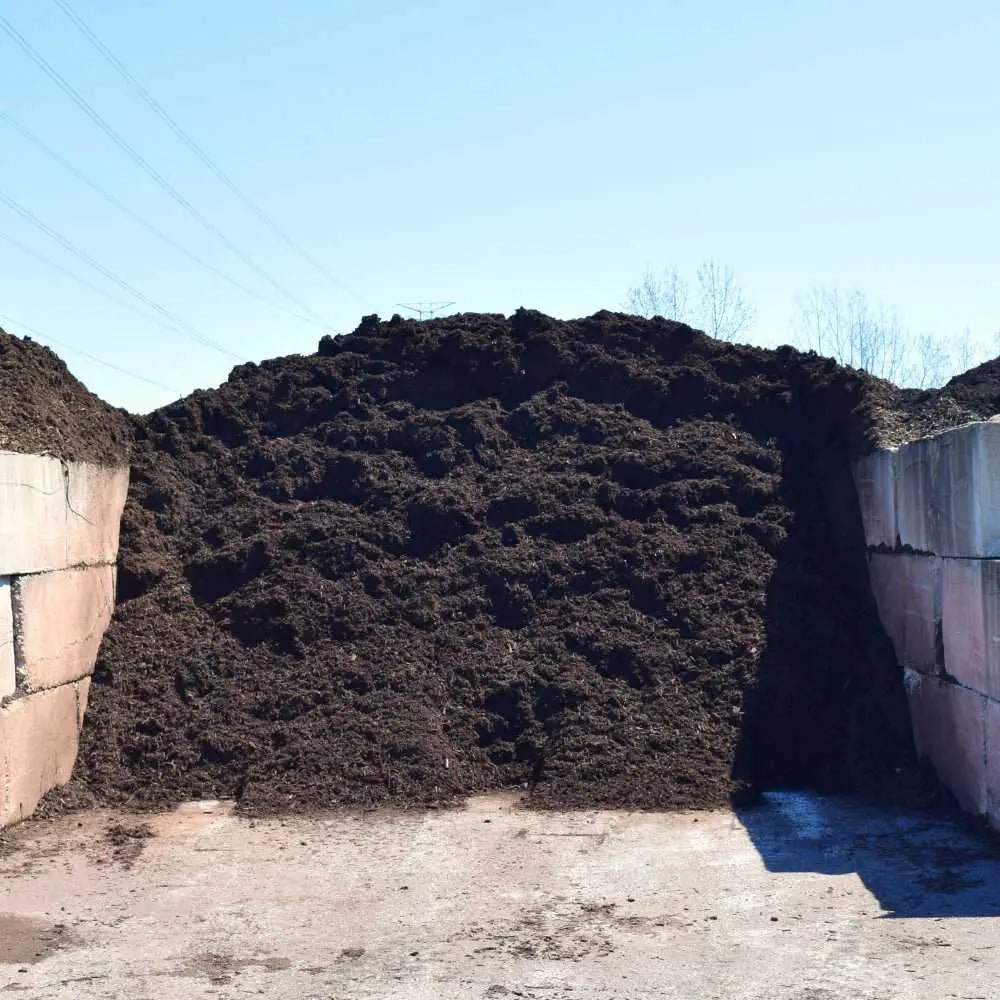
Mulch keeps beds tidy while doing real work for your plants. Reading freeze–thaw and spring rain can beat up beds if materials aren’t refreshed. In Reading, Pennsylvania, a good mulch layer helps beds look finished while holding moisture and limiting weeds. A consistent layer reduces splashback and keeps soil from crusting after rain. 2–3 inches is the sweet spot—keep it pulled back from trees and shrubs. Choose natural hardwood for a classic look, or dyed mulch for bold contrast. Delivery lets you finish the project in one go—no hauling, no repeat trips.




















 +2
+2






