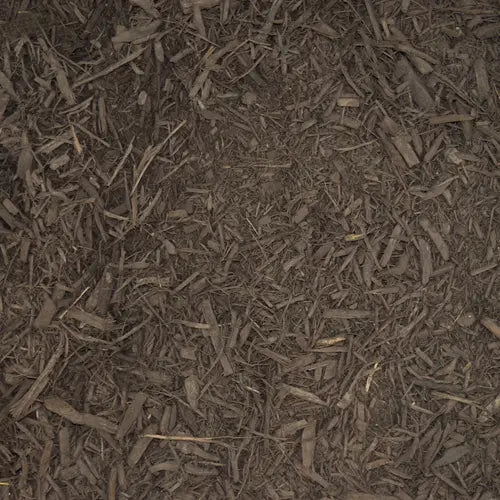
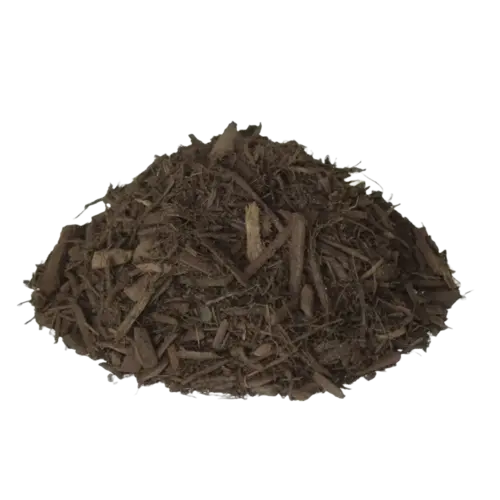
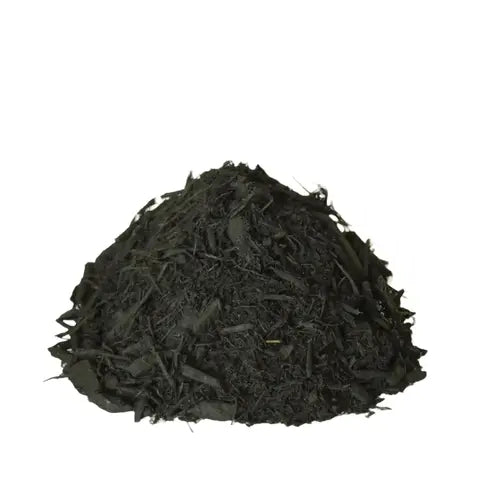
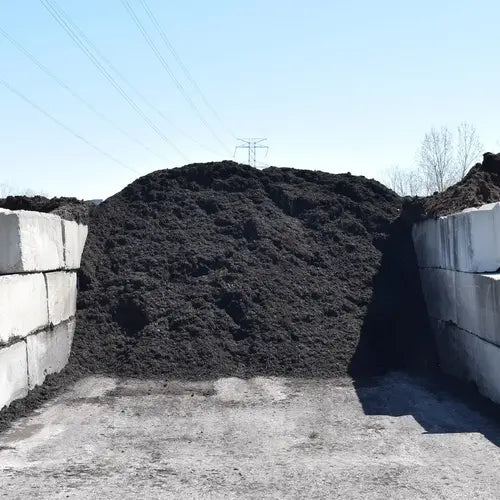
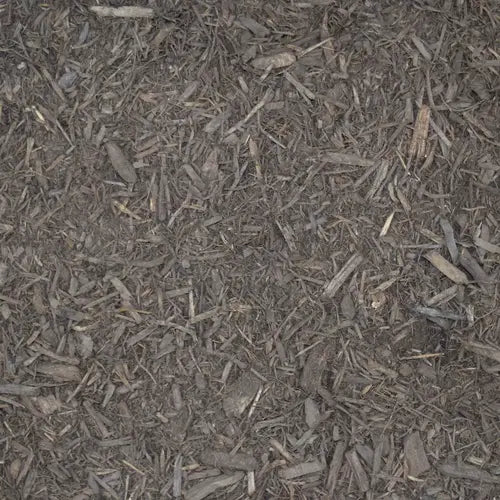
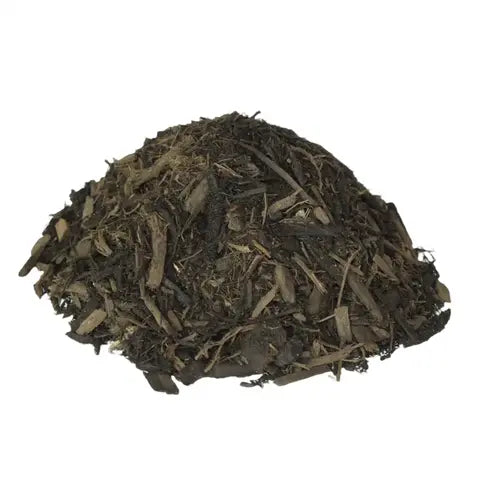
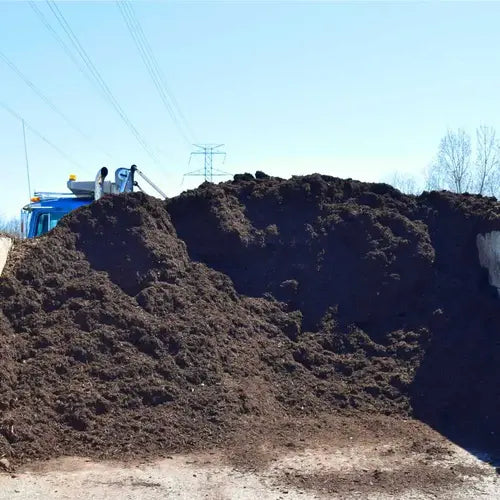
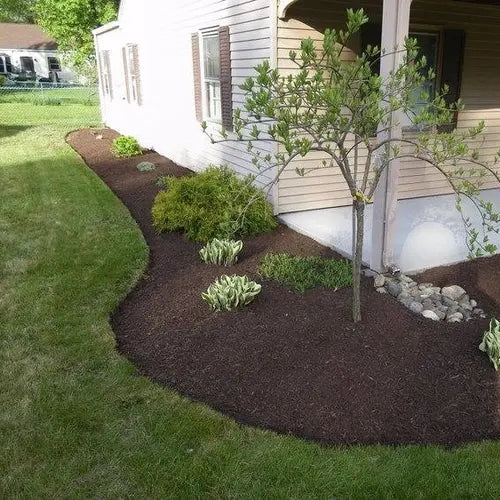
Warm brown double shredded mulch with lasting color that looks freshly applied for weeks. Spreads smooth, stays put, and gives beds a natural, polished appearance.
Mulch Mound made it so easy! So happy with the pricing, turn around time, delivery and product. I submitted my online order on a Thursday. The mulch was delivered to the designated location by a local landscape company at 8:30 a.m. the following Saturday morning. We had the...
Tell us what you're looking for
Thanks! We received your request.
Something went wrong. Please try again.
How Much Material Do I Need?
For most Rocky Point ornamental beds, two to three inches of mulch provides the best balance of moisture retention and rainfall penetration through the fast-draining sandy loam beneath. Tree rings and shrub borders on the north side of the property often benefit from a full three inch layer to buffer against temperature swings.
Use our free mulch calculator
What is a yard?
A yard is approximately 27 cubic feet. As a general guideline, one yard of material can cover an area of about 100-160 square feet at a 2-3 inch depth.
We can't take orders for this right now. Tell us what you need and we'll get back to you.
What do you need?
Thanks! We received your request.
Something went wrong. Please try again.
Hand-picked local yards
4,000+ regional deliveries
Dedicated support
Why order through Mulch Mound
The best local mulch, without the guesswork.
We hand-pick and partner with the best yards in your region, keep only the ones our buyers rate well, and back each load with our guarantee.
Mulch Mound Guarantee
If your mulch isn't the quantity or quality you ordered, we'll make it right.
About this mulch
Warm brown double shredded mulch with lasting color that looks freshly applied for weeks. Spreads smooth, stays put, and gives beds a natural, polished appearance.
Mulch Mound made it so easy! So happy with the pricing, turn around time, delivery and product. I submitted my online order on a Thursday. The mulch was delivered to the designated location by a local landscape company at 8:30 a.m. the following Saturday morning. We had the...
How Much Material Do I Need?
For most Rocky Point ornamental beds, two to three inches of mulch provides the best balance of moisture retention and rainfall penetration through the fast-draining sandy loam beneath. Tree rings and shrub borders on the north side of the property often benefit from a full three inch layer to buffer against temperature swings.
Use our free mulch calculator
What is a yard?
A yard is approximately 27 cubic feet. As a general guideline, one yard of material can cover an area of about 100-160 square feet at a 2-3 inch depth.
Mulch Mound made it so easy! So happy with the pricing, turn around time, delivery and product. I submitted my online order on a Thursday. The mu...
Read full review
Mulch Mound made it so easy! So happy with the pricing, turn around time, delivery and product. I submitted my online order on a Thursday. The mulch was delivered to the designated location by a local landscape company at 8:30 a.m. the following Saturday morning. We had the job completed by that afternoon. We chose the natural brown mulch, and the plant beds are beautiful.
Good quality, great price, fast delivery. All online - no submitting forms and waiting for days for quotes. Getting mulch should be this easy fr...
Read full review
Good quality, great price, fast delivery. All online - no submitting forms and waiting for days for quotes. Getting mulch should be this easy from everyone. Only Mulch Mound is ACTUALLY this simple.
I highly recommend Mulch Mound. The quality of the mulch is very good. The ordering system on their website makes it very easy. The delivery driver...
Read full review
I highly recommend Mulch Mound. The quality of the mulch is very good. The ordering system on their website makes it very easy. The delivery driver did a great job placing the mulch on the driveway. To finish off, the pricing was very reasonable as well.
Measure the length and width of each bed in feet and multiply to get the square footage. For Rocky Point's sandy loam beds, plan for a three inch depth to compensate for how quickly this soil type loses moisture, and divide your total square footage by 108 to get the cubic yards needed. It is better to round up slightly since any leftover mulch can be used to top-dress around trees or shrubs.
Mulch vs. No Mulch: The Difference
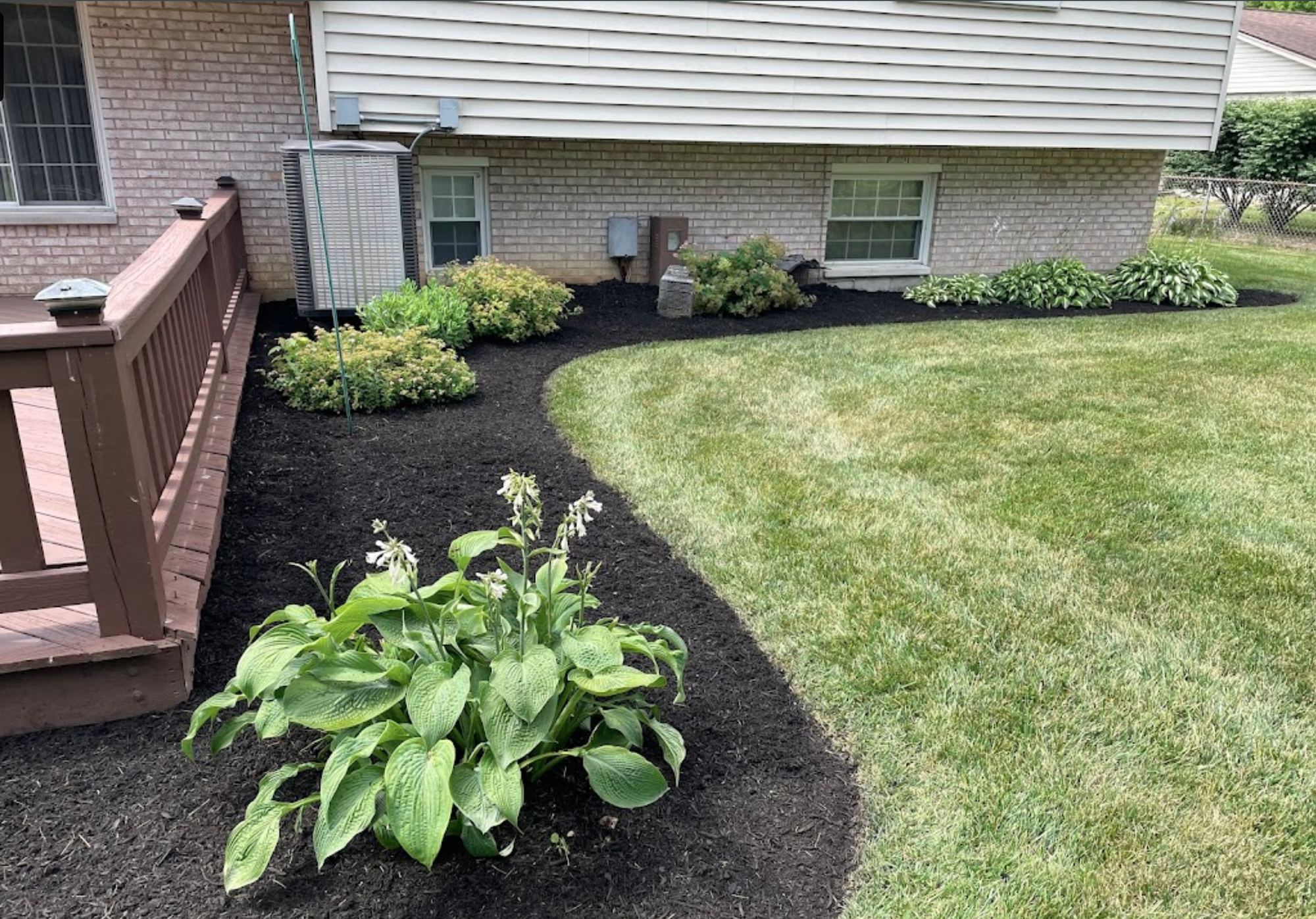
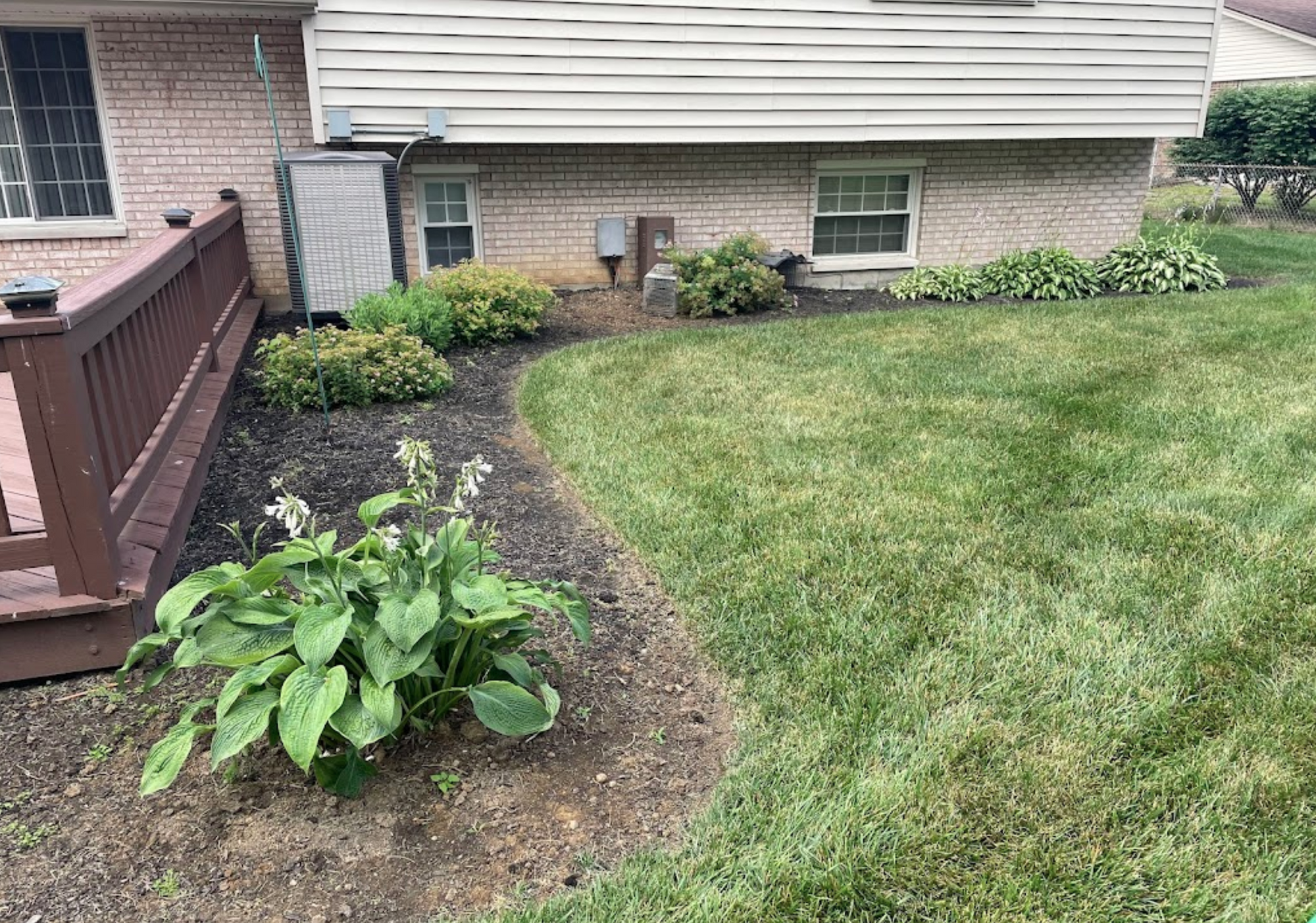
Rocky Point's zone 7b summers bring sustained heat and humidity that accelerate the breakdown of natural wood mulch faster than in cooler inland regions. Natural hardwood mulch will typically need a seasonal top-up, but it provides the added benefit of improving sandy loam's organic content and moisture-holding capacity over time. Dyed mulch holds color considerably longer through Rocky Point's summer sun and rainfall cycles, making it a popular choice for high-visibility front beds where curb appeal matters most.
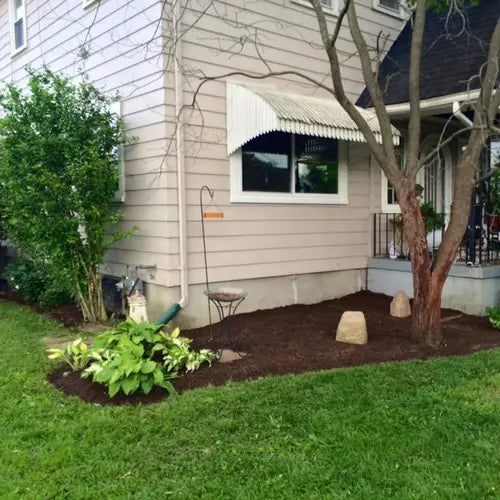
Before
After
Best Mulch Choice for Rocky Point Lawns
Most yards in the Rocky Point area sit on Sandy Loam type of soil. Rocky Point's sandy loam drains so efficiently that plant beds can dry out within days of a heavy rain, leaving shallow-rooted ornamentals stressed and vulnerable between watering cycles. A fresh layer of hardwood or shredded mulch over these beds acts as a sponge layer between rainfall events, slowing evaporation and giving roots more consistent access to moisture.
Hardwood Mulch
Hardwood mulch is especially well suited to Rocky Point's sandy loam because as it slowly decomposes it contributes organic matter that improves the soil's structure and its ability to retain both moisture and nutrients. This means the soil gradually becomes more productive over multiple seasons, directly addressing two of the most persistent challenges for gardeners working with sandy loam on Long Island.
Mulch Types We Deliver in Rocky Point
When you order bulk mulch delivery in Rocky Point, Mulch Mound brings fresh material straight to your driveway by the cubic yard. Long Island's sandy, fast-draining soil benefits from a generous mulch layer that retains moisture through the warm months. Whether you are freshening up beds or tackling a larger project, we make it simple to order exactly the amount you need.
Dyed Black Mulch
A top choice for Rocky Point homeowners who want bold contrast in their beds. The rich color holds through coastal humidity and summer heat, and both double and triple shredded options are available. Triple shredded offers a finer finish, while double shredded covers large areas quickly and efficiently.
Dyed Brown Mulch
Warm brown is the most popular mulch color on Long Island and blends naturally with the wooded, sandy surroundings common in this part of Suffolk County. Available in double or triple shredded, it delivers a polished look and holds color through wet spring weather.
Natural Brown Mulch
An undyed option for homeowners who prefer an organic, low-key look. The earthy tone blends into Long Island's sandy soil naturally, and the double or triple shredded texture spreads cleanly across ornamental beds and larger yard projects alike.
Cedar Mulch
Aromatic Canadian cedar is a practical choice for beds near the wooded, oak-lined edges typical of Long Island properties. Available in double shredded only, it offers natural insect deterrent properties, a pleasant fragrance, and a slow decomposition rate that cuts down on seasonal refreshing.
Complete Your Outdoor Mulch Project
If your beds need a nutrient boost before mulching, consider pairing your mulch order with a delivery of premium topsoil or garden mix to amend Rocky Point's nutrient-lean sandy loam. Decorative stone is also a great complement for edging bed borders and creating clean transitions that hold mulch in place during heavier rain events.
Rocky Point's sandy loam warms up quickly in spring, which is great for early planting but means weed seeds germinate fast too. Lay your mulch as soon as the last frost date passes around April 15 to create a physical barrier before weed pressure builds. Getting it down early is consistently more effective than trying to mulch over already-sprouted weeds in May.
Mulch Mound Pro Tip
If your property has mature oaks or other large deciduous trees common in Rocky Point neighborhoods, you may notice more acidic soil directly under the canopy from tannin-rich leaf drop. Using a hardwood mulch rather than pine bark in those zones can help moderate the pH slightly and create a better growing environment for understory shrubs and shade-tolerant perennials.
Mulch Mound Pro Tip
With 44 inches of annual rainfall spread across Rocky Point's long growing season, heavy storm events can displace a freshly laid mulch bed along slopes or bed edges. Apply mulch in a slightly mounded profile toward the center of each bed to discourage runoff from washing material toward lawn areas or sidewalks. A clean physical border or stone edging installed along bed perimeters will also help keep mulch exactly where you put it.
Frequently Asked Questions
Click a question to see the answer
Answer
How deep should I apply mulch in my Rocky Point flower beds?
In Rocky Point, a two to three inch layer is the sweet spot for most ornamental beds. Because the underlying sandy loam drains so freely, you want enough depth to slow evaporation during summer, but going deeper than three inches can actually prevent Rocky Point's 44 inches of annual rainfall from penetrating down to plant roots efficiently.
Answer
Does Rocky Point's sandy soil change which type of mulch I should buy?
Yes, it does. Sandy loam breaks down organic matter faster than heavier clay soils, so hardwood mulch is a particularly smart choice here because it decomposes slowly and feeds beneficial soil microbes over time. As it breaks down it adds organic matter that helps sandy loam hold onto both moisture and nutrients, two things this soil type is naturally short on.
Answer
When is the right time to put down fresh mulch in Rocky Point?
The best window is late April through early May, once soil temperatures have warmed past the last frost date around April 15. Mulching too early traps cold in the ground and delays root activity. A second light top-off in late October before the November 17 first frost helps insulate perennial roots through winter.
Answer
Will mulch actually make a difference during a dry Rocky Point summer?
Significantly. Even though Rocky Point receives about 44 inches of rain annually, that moisture is not evenly distributed, and sandy loam loses water to evaporation and drainage quickly. A proper mulch layer can cut soil moisture loss by 25 to 50 percent, which means longer periods between watering and healthier root systems for ornamentals and shrubs throughout the growing season.
Answer
How often will I need to refresh the mulch in my Rocky Point yard?
Most Rocky Point homeowners freshen up their beds once a year, typically in spring. The zone 7b climate and humid Long Island summers accelerate decomposition slightly compared to cooler inland areas. Rather than stripping old mulch entirely, rake it loose and add a one inch top-up to bring the total depth back to two to three inches.
Answer
Is dyed mulch safe to use in my Rocky Point vegetable garden?
Dyed mulch is generally safe, but most gardeners prefer natural hardwood or undyed wood chip mulch in vegetable beds. The colorants used in premium dyed products are typically iron oxide or carbon-based and considered non-toxic, but if you are growing edibles in Rocky Point's sandy soil, a natural mulch that breaks down and adds organic matter is usually the more practical and nutritious choice for your plants.
Answer
Should I keep mulch away from my house foundation in Rocky Point?
Yes. Maintain a six inch gap between any mulch and your foundation, siding, or wood trim. While mulch helps conserve moisture in the surrounding soil, piling it against a structure creates a damp environment that invites termites, moisture intrusion, and rot. Rocky Point's moderate rainfall means the soil near your foundation stays damp enough on its own without mulch adding to that moisture.
The Unique Landscape of Rocky Point
Rocky Point's sandy loam soil drains water quickly, which means plant beds lose moisture faster than homeowners expect during summer dry spells. Without a consistent mulch layer, those beds can become compacted and hydrophobic, shedding rain rather than absorbing it even when Rocky Point receives its typical 44 inches of annual rainfall. The zone 7b climate here means a long growing season stretching from mid-April through late November, putting extra stress on ornamental plantings that need stable soil temperatures to thrive. Mulch acts as a thermal buffer, keeping roots cooler during humid Long Island summers and protecting them through late-season cold snaps before the first frost arrives around November 17. A well-mulched bed also suppresses the aggressive weed growth that thrives in Rocky Point's warm, moderately moist growing conditions.