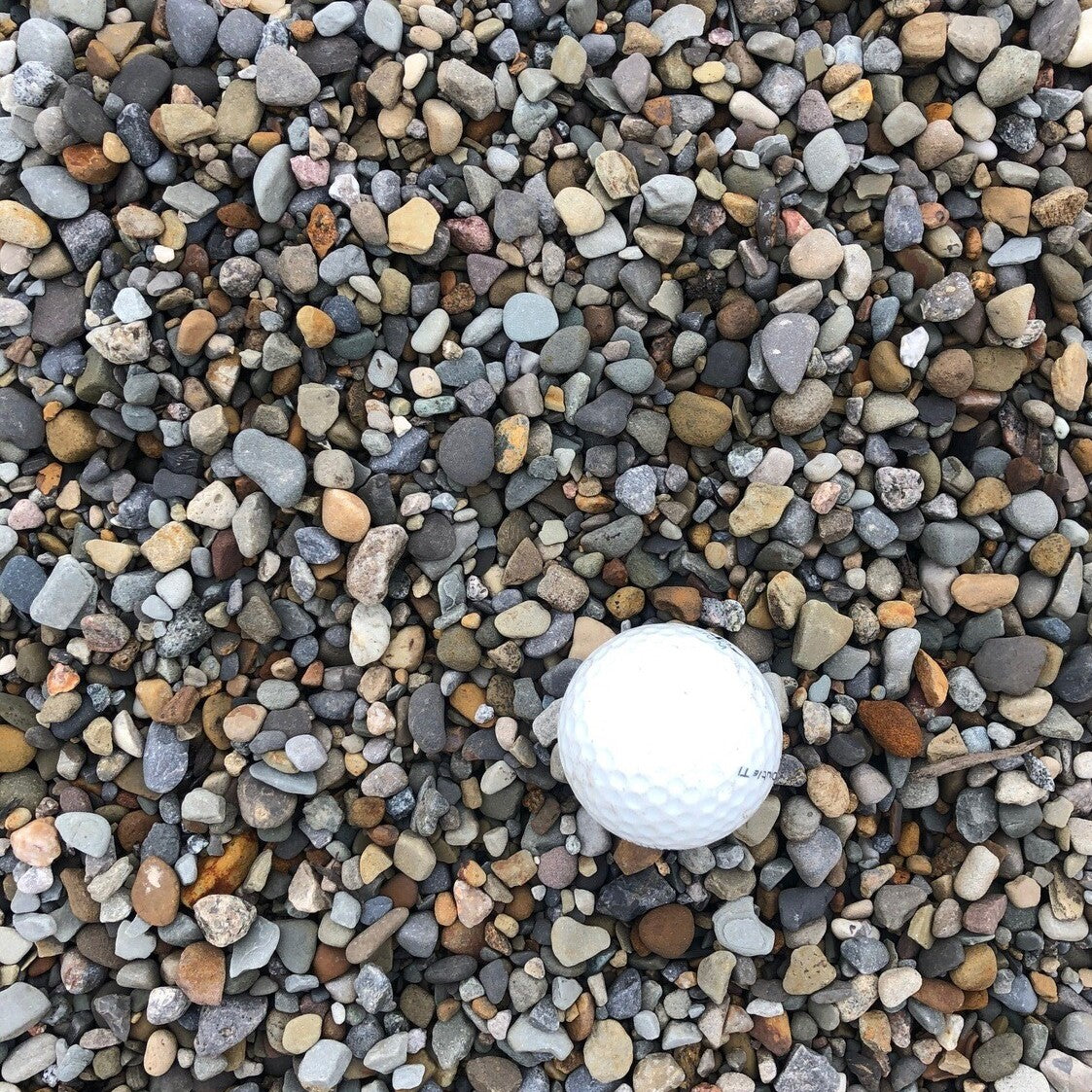
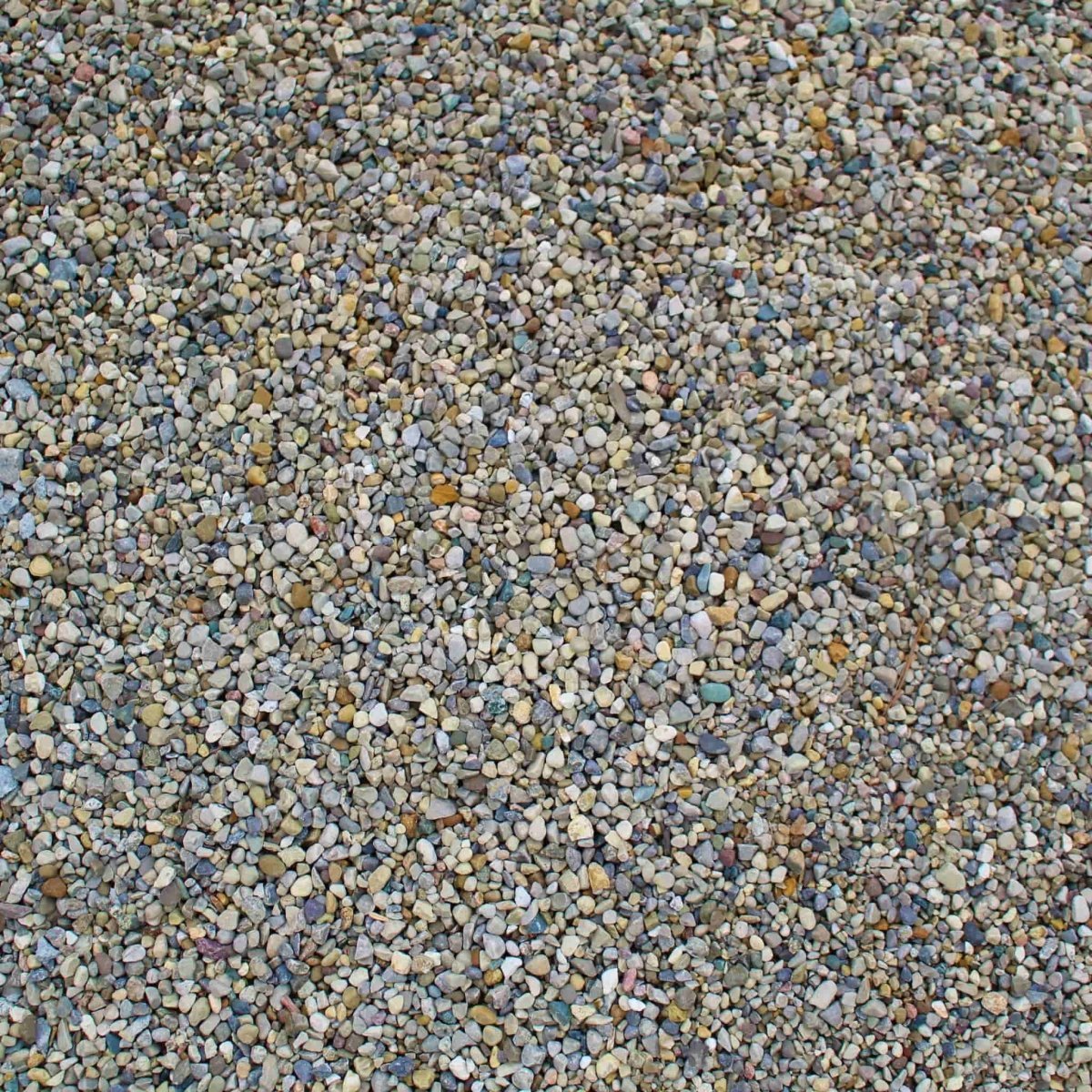
Classic pea gravel with smooth, rounded edges and natural earth tones. A versatile favorite for pathways, patios, drainage, and decorative ground cover.
Classic pea gravel with smooth, rounded edges and natural earth tones. A versatile favorite for pathways, patios, drainage, and decorative ground cover.
The driver nailed it on putting the gravel I ordered in front of my trailer and between the sidewalk. Very satisfied with how my flowerbeds look now.
How Much Material Do I Need?
For decorative ground cover and pathway applications in Rocky Point, two to three inches of stone provides solid coverage over the fast-draining sandy loam base. Drainage-focused applications like dry creek beds or French drains generally require a minimum of six inches to function effectively, with total volume depending on the length and width of the channel being constructed.
Use our free stone calculator
What is a yard?
A yard is approximately 27 cubic feet. As a general guideline, one yard of material can cover an area of about 100-160 square feet at a 2-3 inch depth.
To figure out how much stone you need, calculate the square footage of your project area, multiply by your desired depth in inches, and divide by 324 to convert to cubic yards. For Rocky Point pathways and ground cover areas, a two inch depth is a common starting point, while drainage applications like French drains or dry creek beds typically need four to six inches depending on the volume of water being managed.
Complete Your Outdoor Stone Project
Stone borders pair naturally with a fresh layer of mulch inside planting beds, creating a clean defined edge that keeps mulch contained even during Rocky Point's heavier rain events. If you are also regrading a low area with topsoil, adding a stone drainage feature at the lowest point will help manage water movement through the sandy loam and protect your entire landscaping investment long-term.
Rocky Point's freeze-thaw cycles in late fall and early spring can shift loose pathway stone, creating uneven surfaces by the time the growing season arrives in mid-April. Before laying pea gravel or crushed stone for a pathway, compact the base thoroughly and install plastic or steel edging on both sides. This contains the stone during seasonal movement and significantly reduces the annual maintenance of raking material back into position.
Mulch Mound Pro Tip
If you are using decorative stone around mature trees in your Rocky Point yard, avoid piling it directly against the trunk or exposed surface roots. Stone holds solar heat and can dry out the root collar area over time, stressing the tree during hot summer stretches. Keep a clear two foot diameter ring around each trunk and use mulch rather than stone in that zone to maintain the moisture and temperature consistency that root systems depend on.
Mulch Mound Pro Tip
Rocky Point's 44 inches of annual rainfall means that any low point in your yard will see real water movement during a wet spring season. Before placing decorative stone in a low-lying area, address the underlying grade so water flows through the stone and away from your home rather than pooling beneath it. Stone that sits in persistent standing water can shift, develop moss quickly in Long Island's humid summers, and lose its decorative appeal within a single season.
The Unique Landscape of Rocky Point
Decorative and functional stone is a natural fit for Rocky Point landscapes, where the combination of sandy loam soil and moderate annual rainfall creates conditions where organic materials alone can shift and erode over time. Stone pathways, ground covers, and drainage features stay in place through Long Island's wet springs and summer storm events without breaking down or requiring seasonal replacement. Rocky Point's zone 7b winters are generally mild but include freeze-thaw cycles that can heave softer landscape materials, while stone remains stable and intact year-round. The area's wooded character and mix of traditional and newer homes make stone a versatile design material that complements both naturalistic and formal landscape styles. Whether you need functional drainage solutions, low-maintenance ground cover for a side yard, or decorative accents for a front bed border, bulk stone gives Rocky Point homeowners a durable and cost-effective long-term option.
Frequently Asked Questions
Click a question to see the answer
Answer
What type of stone works best for a backyard pathway in Rocky Point?
Pea gravel and three-quarter inch crushed stone are both popular pathway choices in Rocky Point. Pea gravel has a smooth, rounded texture that is comfortable underfoot and looks natural in wooded or cottage-style yards common to this part of Long Island. Crushed stone compacts more firmly and creates a more stable walking surface, which is helpful in areas that see regular foot traffic or where the sandy loam base stays soft after rain.
Answer
Can I use crushed stone to address drainage issues in my Rocky Point yard?
Yes, and it is one of the most effective solutions available. Rocky Point's sandy loam drains well in most areas, but low-lying spots can still collect standing water after heavier rain events. A dry creek bed or French drain filled with clean crushed stone or river rock channels that runoff away from problem zones efficiently. Stone does not break down like organic materials and maintains its drainage capacity season after season without any replacement needed.
Answer
How deep should I lay stone for a low-maintenance ground cover area in my yard?
For a stone ground cover in Rocky Point, two to three inches of depth provides solid coverage, suppresses weed growth, and stays in place during rain events. Laying landscaping fabric beneath the stone is especially important here because Rocky Point's loose sandy loam is prone to allowing stone to gradually work its way downward into the soil over time, thinning the coverage layer and allowing weeds to push through.
Answer
Will decorative stone get too hot in summer and damage plants in my Rocky Point beds?
Lighter colored stones like tan pea gravel or white marble chips reflect heat rather than absorbing it and are safer around heat-sensitive plantings. Dark stones like black Mexican pebble can absorb significant heat during Rocky Point's sunny summer days, raising soil temperatures near the surface. If you are using dark stone in a bed with perennials or shrubs, keep it a few inches away from plant stems and consider pairing it with heat-tolerant varieties suited to zone 7b.
Answer
What kind of stone should I use for a border along my foundation in Rocky Point?
River rock or two to three inch decorative stone works well for foundation borders in Rocky Point. Using stone instead of mulch in this zone keeps excess moisture away from wood siding and framing, which is a smart move given Rocky Point's moderate rainfall totals. A six to twelve inch wide stone border at the base of your foundation also discourages moisture-loving pests and creates a finished, low-upkeep look that holds up year after year.
Answer
How do I keep decorative stone from slowly sinking into my sandy loam soil in Rocky Point?
Installing a layer of compacted gravel base or a quality non-woven landscape fabric before laying decorative stone is the most effective way to prevent migration. Rocky Point's loose sandy loam is particularly prone to allowing stone to settle downward over time, especially in areas that receive regular foot traffic or irrigation. A four to six inch compacted base of crushed gravel beneath patio or pathway stone will keep the surface stable and level for years.
Answer
What size crushed stone is best for a gravel driveway in Rocky Point?
Three-quarter inch crushed stone or recycled concrete aggregate is the most common and practical choice for gravel driveways in Rocky Point. This size packs down well without being too loose underfoot or under vehicle tires, and it sheds water effectively over the sandy loam base beneath. A proper installation includes a compacted base layer of larger stone with the finer three-quarter inch material on top for a stable, low-maintenance driving surface.





 +5
+5



