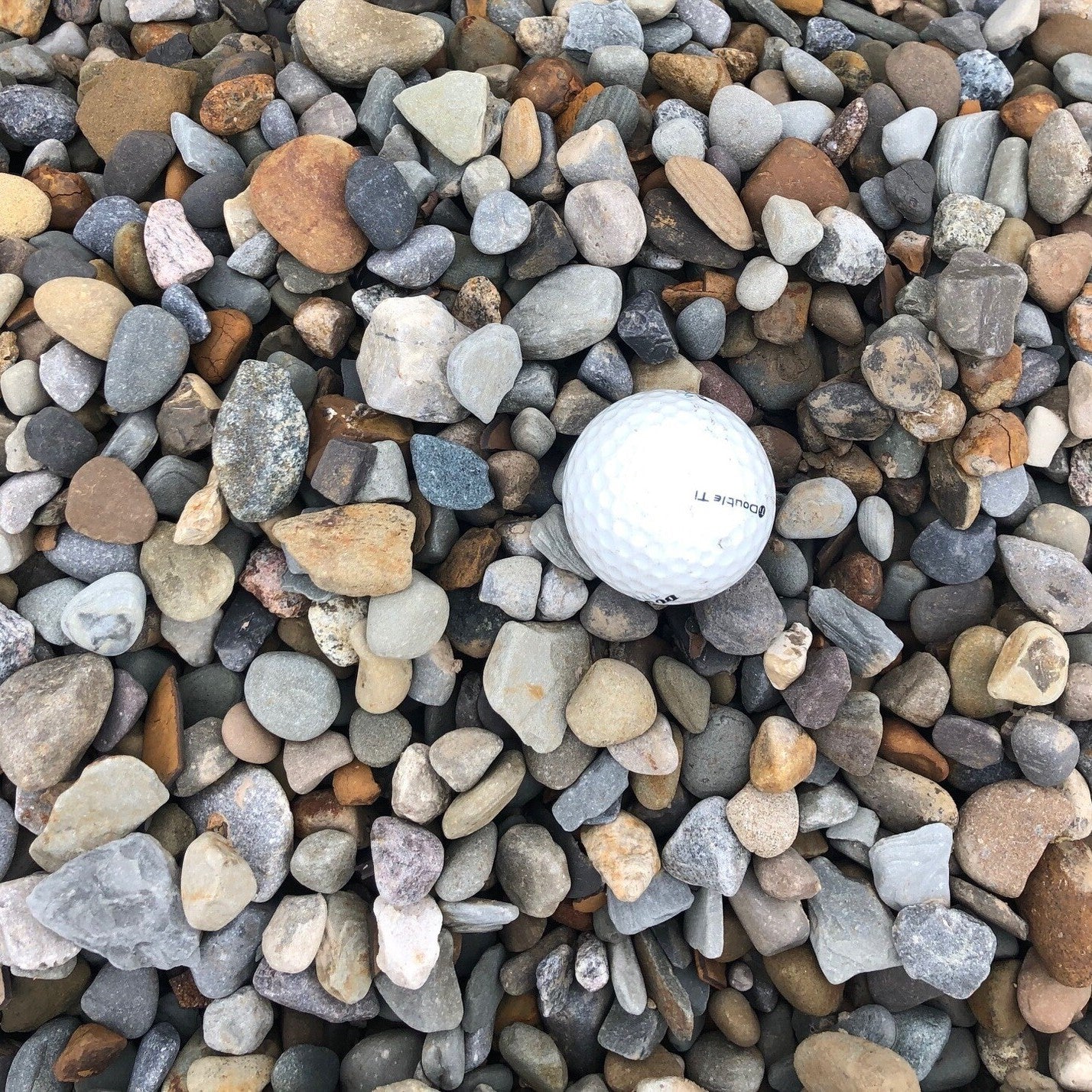
Number 57 crushed stone, angular limestone graded to about three quarters of an inch. The standard driveway, base and drainage gravel, it locks together under traffic and drains fast.
Mulch Mound delivered a yard of pea gravel to us. Delivery was on time, driver was friendly and hit a bullseye on the “tarp target”. We used the pea gravel (which was diameter as specified) to fill several muskrat holes around our pond. I would definitely recommend Mulch Mo...
Tell us what you're looking for
Thanks! We received your request.
Something went wrong. Please try again.
How Much Material Do I Need?
For decorative stone beds in Salisbury, a 2 to 3 inch depth provides solid coverage over the sandy loam and prevents washout during rain events throughout the year. Drainage applications typically call for 4 to 6 inches of stone to channel water effectively through Salisbury's sandy subbase without the channel washing out or silting in.
Use our free gravel calculator
What is a yard?
A yard is approximately 27 cubic feet. As a general guideline, one yard of material can cover an area of about 100-160 square feet at a 2-3 inch depth.
We can't take orders for this right now. Tell us what you need and we'll get back to you.
What do you need?
Thanks! We received your request.
Something went wrong. Please try again.
Hand-picked local yards
4,000+ regional deliveries
Dedicated support
Why order through Mulch Mound
The best local stone, without the guesswork.
We hand-pick and partner with the best yards in your region, keep only the ones our buyers rate well, and back each load with our guarantee.
Mulch Mound Guarantee
If your stone isn't the quantity or quality you ordered, we'll make it right.
About this stone
Number 57 crushed stone, angular limestone graded to about three quarters of an inch. The standard driveway, base and drainage gravel, it locks together under traffic and drains fast.
Mulch Mound delivered a yard of pea gravel to us. Delivery was on time, driver was friendly and hit a bullseye on the “tarp target”. We used the pea gravel (which was diameter as specified) to fill several muskrat holes around our pond. I would definitely recommend Mulch Mo...
How Much Material Do I Need?
For decorative stone beds in Salisbury, a 2 to 3 inch depth provides solid coverage over the sandy loam and prevents washout during rain events throughout the year. Drainage applications typically call for 4 to 6 inches of stone to channel water effectively through Salisbury's sandy subbase without the channel washing out or silting in.
Use our free gravel calculator
What is a yard?
A yard is approximately 27 cubic feet. As a general guideline, one yard of material can cover an area of about 100-160 square feet at a 2-3 inch depth.
Mulch Mound delivered a yard of pea gravel to us. Delivery was on time, driver was friendly and hit a bullseye on the “tarp target”. We used the ...
Read full review
Mulch Mound delivered a yard of pea gravel to us. Delivery was on time, driver was friendly and hit a bullseye on the “tarp target”. We used the pea gravel (which was diameter as specified) to fill several muskrat holes around our pond. I would definitely recommend Mulch Mound to a friend!
Placing an order online was so easy. Delivery was on time. When the driver realized we had a newly poured driveway they erred on the side of cautio...
Read full review
Placing an order online was so easy. Delivery was on time. When the driver realized we had a newly poured driveway they erred on the side of caution and opted not ti drive in it. The company even sent me a message explaining that call. Would recommend!
Measure your stone project area in length and width and multiply for square footage, then divide by 100 for a 2-inch depth or by 65 for a 3-inch depth to estimate cubic yards needed. Salisbury drainage projects often call for a deeper stone layer than decorative beds, so measure your channel depth carefully before ordering to avoid coming up short mid-project. When in doubt, round up slightly since leftover stone can always be used for edging or fill.
Stone Types We Deliver in Salisbury
Mulch Mound brings bulk stone delivery straight to Salisbury homeowners and landscapers who need quality material by the yard without the hassle of hauling it themselves. Whether you are searching for bulk gravel by the yard in Salisbury or planning a larger hardscape project, we load and deliver fresh stone right to your property. Our team works with the varied terrain and clay-heavy soils common across this part of New York to help you choose the right stone for lasting results.
Pea Gravel
Smooth, rounded, and naturally warm in tone, pea gravel is a go-to choice for Salisbury yards where drainage and curb appeal both matter. It settles well over the dense soils typical of upstate New York, making it ideal for garden pathways, patio borders, and decorative ground cover around native plantings.
Complete Your Outdoor Stone Project
Pairing stone borders with quality mulch in your Salisbury beds creates a clean, low-maintenance landscape that handles the full growing season and winter freeze cycles beautifully without constant upkeep. If you are building a raised stone border or retaining edge, bulk soil behind the wall gives you a nutrient-rich planting environment that native sandy loam alone cannot match for vegetables or ornamentals.
Before placing stone along your Salisbury driveway edges or garden borders, compact the sandy loam base thoroughly. Sandy soil shifts more than clay-based soil during wet periods, and a loose base will cause stone edging and pathway gravel to sink or migrate unevenly over time. A hand tamper or plate compactor run over the prepared base before stone placement adds years to the stability and appearance of your installation with very little extra effort upfront.
Mulch Mound Pro Tip
In Salisbury, stone mulch in full-sun beds can absorb significant heat during July and August, which raises soil temperature more than organic mulch would. This is an advantage for heat-loving plants like ornamental grasses and lavender but can stress shade-tolerant or moisture-sensitive species during hot stretches. Choose stone for sunny, low-water areas and reserve organic mulch for shaded beds or moisture-dependent plantings to play to the natural strengths of each material.
Mulch Mound Pro Tip
Salisbury receives 42 inches of rain per year, and unmanaged downspout discharge is one of the most common causes of yard erosion and foundation moisture issues in the area. A decorative dry creek bed filled with river rock or rounded gravel is a practical and attractive way to route that water across your yard to a safe outlet. Size the channel generously, because a narrow stone swale that handles a light rain easily can overflow and erode its own edges during a heavier storm event.
The Unique Landscape of Salisbury
Decorative and functional stone is one of the most practical investments a Salisbury homeowner can make, given the property maintenance demands that come with a Zone 7b growing season that runs nearly seven months. Sandy loam erodes easily along slopes and garden edges when exposed to Salisbury's 42 inches of annual rainfall, and stone provides permanent coverage that never needs seasonal replacement the way organic materials do. Stone pathways and borders hold up through freeze-thaw cycles between November and April without shifting or decomposing under the pressure of repeated cold snaps. Low-maintenance stone areas also reduce the amount of active lawn and bed space that needs mowing, weeding, and seasonal replanting each year. Whether used for drainage channels, decorative beds, or foundation borders, stone adds lasting structure that works with Salisbury's fast-draining sandy soil rather than fighting it.
Frequently Asked Questions
Click a question to see the answer
Answer
What type of stone works best for pathways in a Salisbury yard?
Crushed gravel or pea stone are popular pathway choices in Salisbury because they compact well and provide good footing even after rain events. Pea stone is smoother underfoot and drains quickly, which suits Salisbury's sandy loam base that already moves water efficiently. Crushed stone locks together better and stays in place during the freeze-thaw cycles Salisbury sees between November and March, making it a solid practical choice for high-traffic walkways that need to hold up year-round.
Answer
Can stone help with the erosion I am seeing on the sloped areas of my Salisbury yard?
Sandy loam is especially vulnerable to erosion on slopes because the loosely bound particles wash away quickly during heavy rain events. Placing riprap, river rock, or compacted gravel on eroded slopes in Salisbury provides a permanent surface that absorbs rain impact and holds the grade in place through the wet season. For channels where water concentrates and runs, a gravel-lined swale is one of the most effective low-maintenance erosion controls available in a climate that receives significant rainfall each year.
Answer
How much stone do I need for a typical Salisbury backyard drainage project?
For a gravel drainage swale or dry creek bed in Salisbury, most projects call for stone placed at 4 to 6 inches of depth along the channel. Measure the length of the channel and estimate an average width, then calculate cubic yards using the same length by width by depth formula used for mulch or soil projects. A basic 30-foot swale that is 2 feet wide and 5 inches deep would need roughly 1 cubic yard of drainage stone to fill properly.
Answer
Does decorative stone stay looking clean in Salisbury through all four seasons?
Decorative stone holds up well through Salisbury's full seasonal cycle, from spring rains through Zone 7b summers and into the freeze-thaw months of winter. Light-colored stones can show algae or organic buildup in shaded areas where Salisbury's rainfall keeps surfaces damp, but a quick rinse with a garden hose once or twice a year keeps them looking sharp. Dark or multi-toned stones hide organic staining better and require the least maintenance over time in local conditions.
Answer
Should I put landscape fabric under my stone beds here in Salisbury?
Landscape fabric under stone is a good idea in Salisbury because it prevents the fine sandy loam beneath from migrating up into the stone layer over time. In a sandy soil environment, small particles can work their way between stone pieces during rain events and gradually bury the lower layers, diminishing both drainage and appearance. A quality woven fabric lets water pass through freely, which is important over Salisbury's well-draining native soil, while keeping the stone and soil cleanly separated for years.
Answer
Can I use stone mulch instead of wood mulch around my Salisbury foundation plantings?
Stone mulch around foundation plantings is a practical long-term choice in Salisbury because it never needs to be replaced and does not compact against stems the way thick organic mulch can. The trade-off is that stone does not add organic matter to the sandy loam the way decomposing wood mulch does, so plants in stone beds may need more supplemental fertilizing over the years to compensate. If your foundation plants are well-established and low-maintenance, stone is a clean and durable option that handles Salisbury's rainfall and freeze cycles with no seasonal upkeep.
Answer
What stone size is right for a decorative bed in my Salisbury front yard?
For decorative front yard beds in Salisbury, 1 to 2 inch river rock or natural stone is the most popular size because it is large enough to stay in place during rain runoff while still being visually comfortable as full bed coverage. Smaller pea stone tends to scatter into lawn areas during heavy rain, which is a real consideration in a climate with 42 inches of annual rainfall spread across the year. Larger cobble or fieldstone works well as a border accent but is less practical as complete bed coverage for most residential properties.
Answer
Is there a stone yard near Salisbury?
Salisbury's sandy loam washes out fast along slopes and bed edges under 42 inches of yearly rain, so a firm crushed stone base holds the ground in place. You can skip the stone yard entirely, because Mulch Mound brings crushed stone by the cubic yard straight to your driveway or yard, with no trip to a quarry needed.