



About this mulch

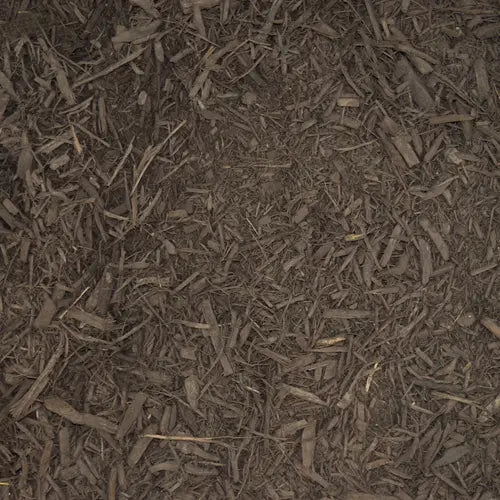
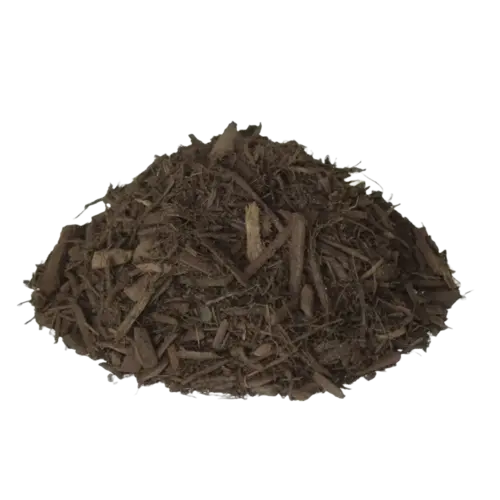
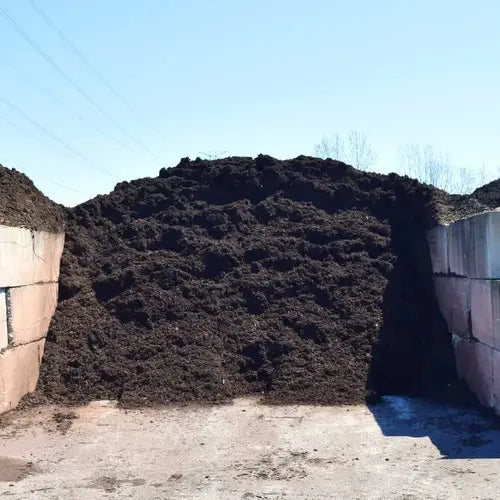
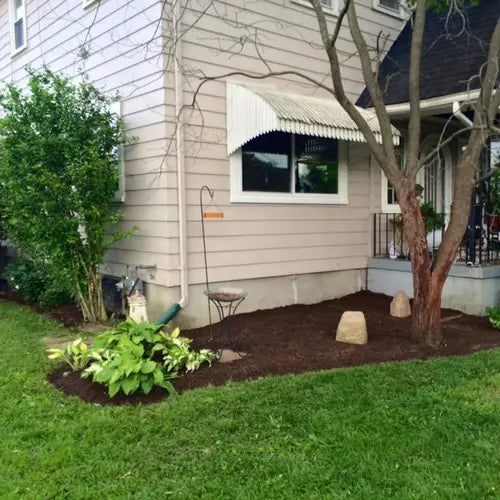
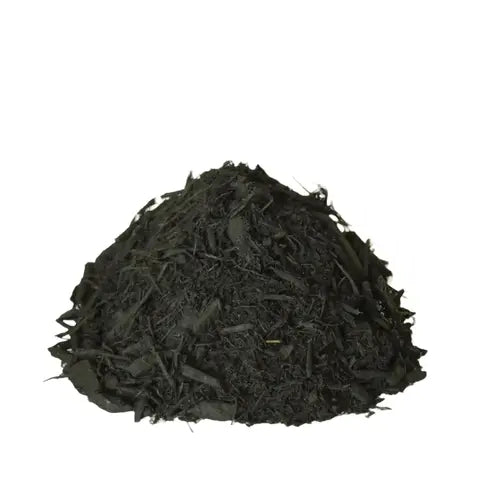
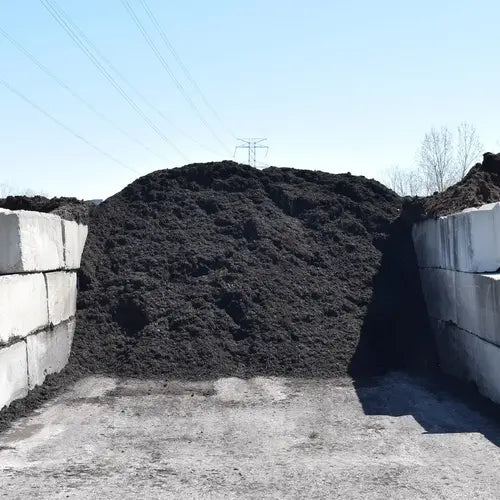
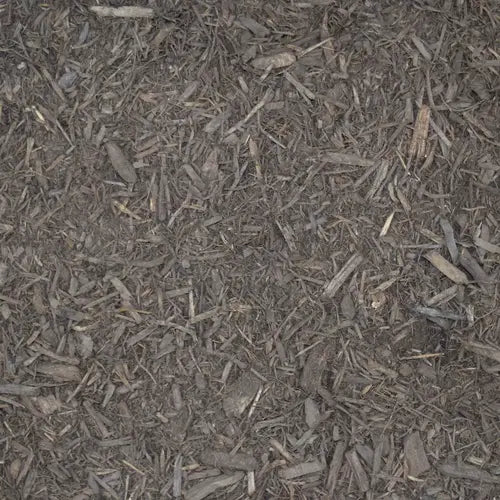
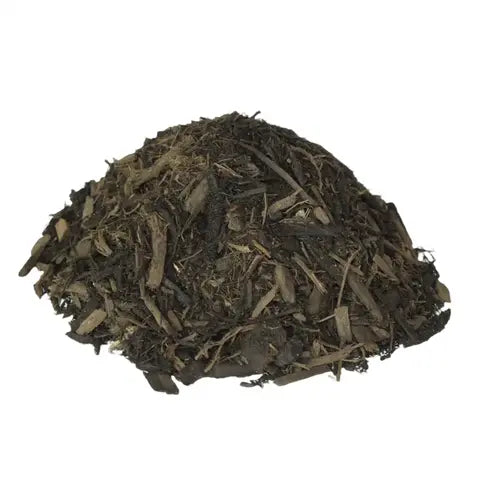
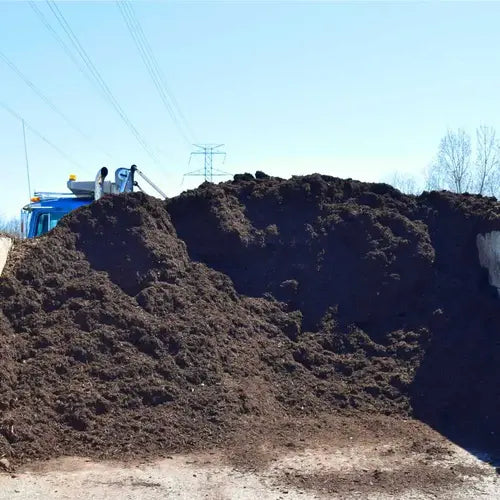
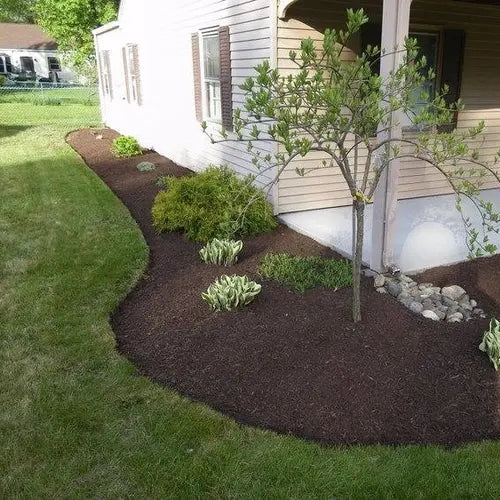
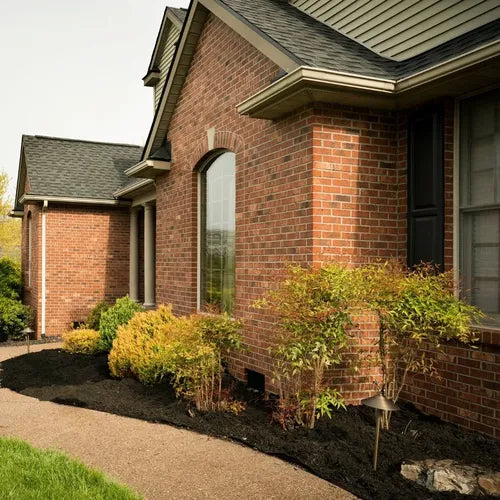
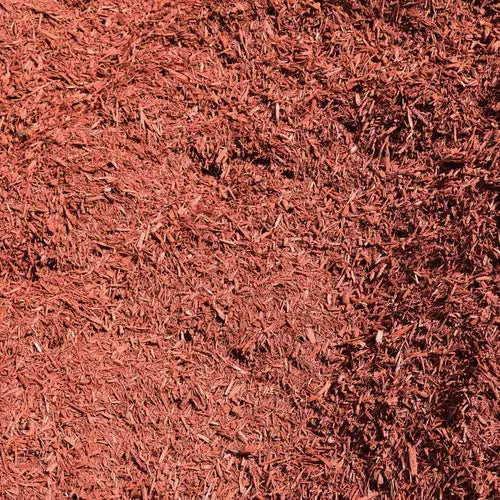
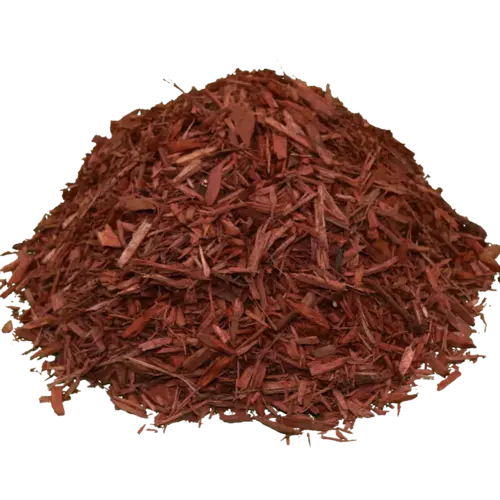
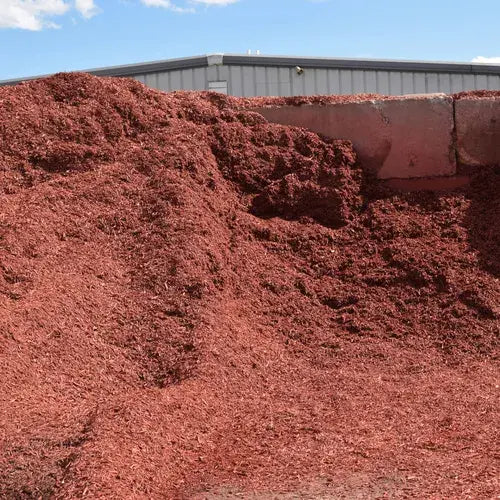
Double-shredded mulch dyed a rich, even brown that holds its color through the season.

Good quality, great price, fast delivery. All online - no submitting forms and waiting for days for quotes.
Getting mulch should be this easy from everyone. Only Mulch Mound is ACTUALLY this simple.

Three inches is the sweet spot for Sandy Springs beds, deep enough to suppress henbit and hold moisture through August without smothering shallow azalea roots. One cubic yard covers about 108 square feet at that depth.
Use our free mulch calculator

A yard is approximately 27 cubic feet. As a general guideline, one yard of material can cover an area of about 100-160 square feet at a 2-3 inch depth.

Sandy Springs Mulch Delivery

Sandy Springs Mulch Delivery

4.7
137 reviews
Regular price $55.00 per Yard
Regular price Sale price $55.00
Sale Sold out
Shipping calculated at checkout.
Color
Style
Hand-picked local yards
4,000+ regional deliveries
Dedicated support
Why order through Mulch Mound

The best local , without the guesswork.

We hand-pick and partner with the best yards in your region, keep only the ones our buyers rate well, and back each load with our guarantee.

Mulch Mound Guarantee

If your isn't the quantity or quality you ordered, we'll make it right.

About this mulch

Double-shredded mulch dyed a rich, even brown that holds its color through the season.

Good quality, great price, fast delivery. All online - no submitting forms and waiting for days for quotes.
Getting mulch should be this easy from everyone. Only Mulch Mound is ACTUALLY this simple.
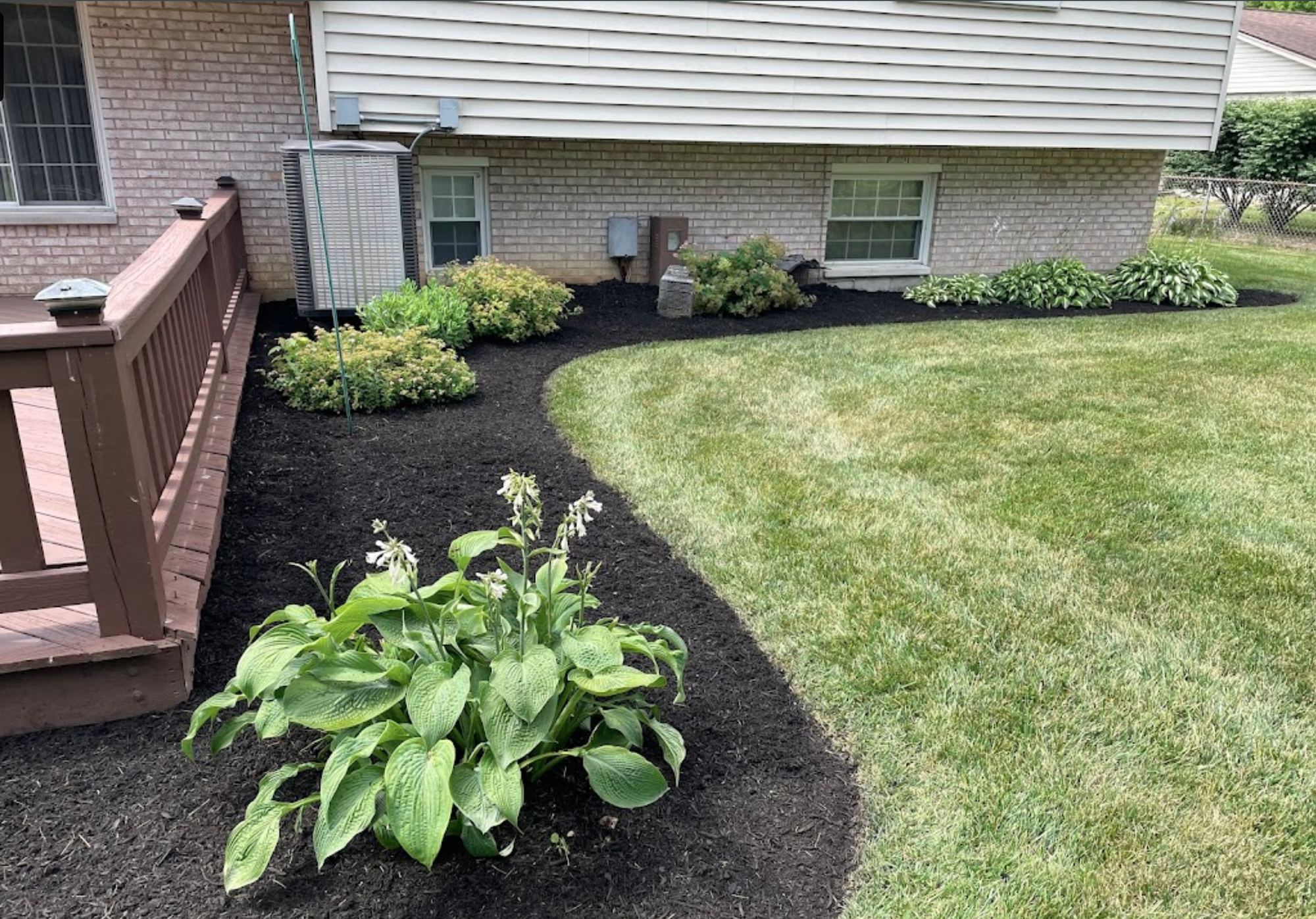
Three inches is the sweet spot for Sandy Springs beds, deep enough to suppress henbit and hold moisture through August without smothering shallow azalea roots. One cubic yard covers about 108 square feet at that depth.
Use our free mulch calculator

A yard is approximately 27 cubic feet. As a general guideline, one yard of material can cover an area of about 100-160 square feet at a 2-3 inch depth.

View full details

How It Works

Getting started is easy — just follow these simple steps

1

Choose your Mulch

Make sure you adjust the quantity to your home's needs. You can use our calculator to estimate how much you'll need.

2

Select your delivery date

Select a delivery date you'd like for the product to be dropped off at your home

3

Sit back and wait

Sit back, wait, and let us work our magic to make sure the highest quality product is delivered to your driveway.

What Sandy Springs Customers Are Saying

4.7
out of 5 based on 137 reviews
Google Reviews

Calculate mulch for your Sandy Springs project

For Sandy Springs's type of soil, we recommend 2-3 inches for best weed suppression and moisture retention

Try Our Calculator
📍

Measure each Sandy Springs bed separately rather than guessing a total, since curved island beds and long foundation runs estimate very differently. Multiply length by width in feet, add the beds together, then plug that number in with your target depth. If your beds have significant slope, add about ten percent to account for the extra surface area.

Mulch vs. No Mulch: The Difference

Sandy Springs gets about 53 inches of rain a year paired with long humid Zone 8a summers, which is close to ideal conditions for microbial decomposition. Organic mulches here break down noticeably faster than they would in a drier climate, often losing a full inch of depth in a single season. That breakdown is a feature rather than a flaw, because it is what slowly builds structure into our red clay.

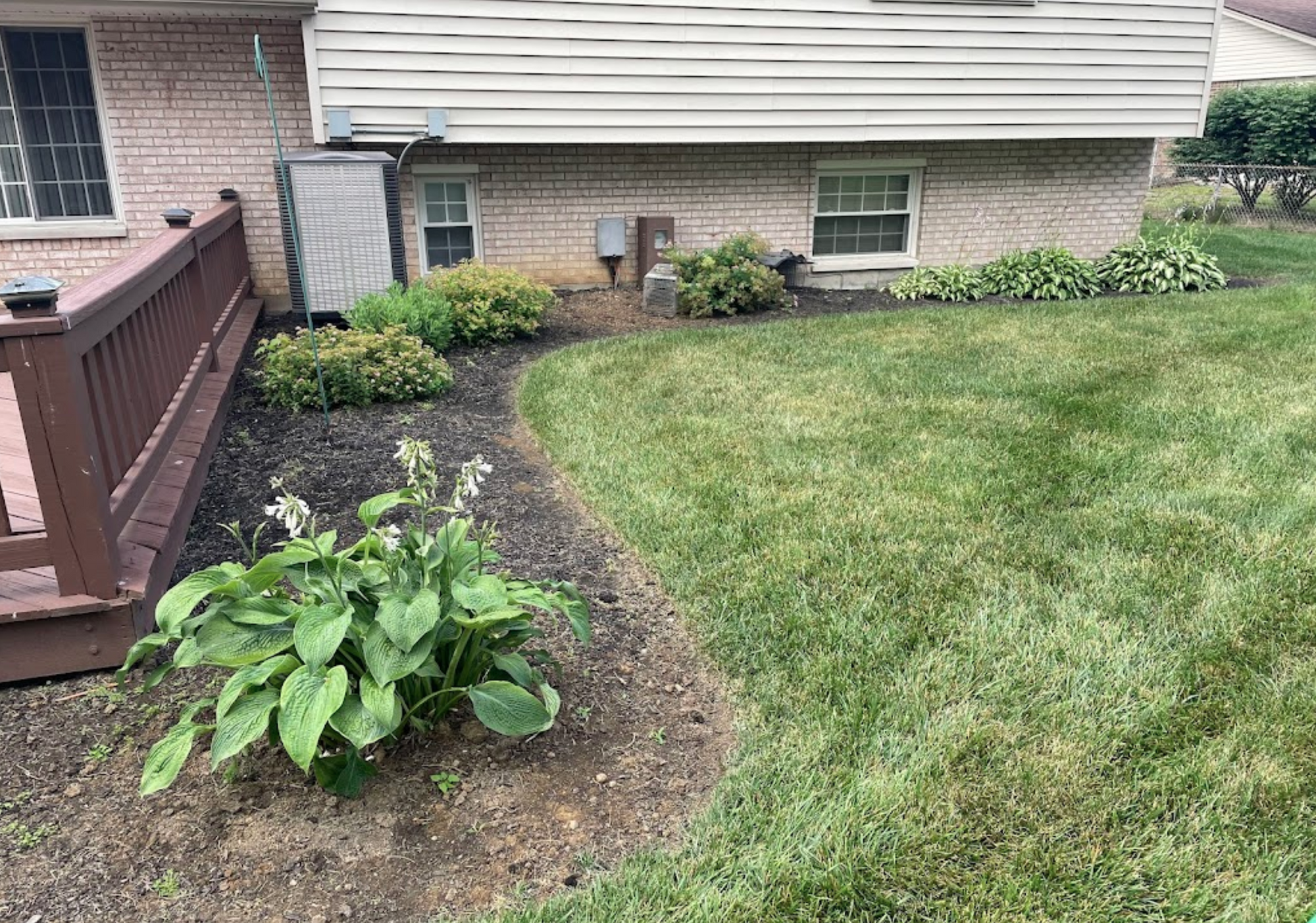
Before image
After image
Slider handle
Before
After

Complete Your Outdoor Mulch Project

Pair your mulch order with a few yards of garden soil or compost to work into the clay before spreading, and add steel or stone edging to keep mulch in place on sloped Sandy Springs lots.

Mulch Mound Pro Tip

Before you spread a single yard, fix the clay underneath. Sandy Springs red clay compacts into a near impermeable layer, so loosen the top four to six inches of your beds with a garden fork and work in an inch of compost. Mulch laid over untouched compacted clay just sits there while water sheets off the surface. Amend first, mulch second, and your plants root down instead of sideways.

Mulch Mound Pro Tip

Pull mulch back from trunks and stems every single time. The classic mulch volcano around a maple or crape myrtle traps moisture against bark, and in our humid Zone 8a summers that invites rot and encourages girdling roots. Leave a three inch bare ring at the base of every trunk and taper the mulch outward toward the drip line, which is where feeder roots actually live and where the moisture does the most good.

Mulch Mound Pro Tip

Time your application to the rain, not the calendar alone. Spreading mulch onto bone dry Sandy Springs clay in July means the first storm runs right off. Water the beds thoroughly or spread the day after a soaking rain so moisture is already in the soil profile, then the mulch seals it in. This one habit can cut your summer irrigation noticeably during the dry weeks between August thunderstorms.

Frequently Asked Questions

Click a question to see the answer

Answer

How often do I need to reapply mulch in Sandy Springs?

Most Sandy Springs beds need a refresh once a year, usually in early spring after the last frost around March 29. Our 53 inches of rain and long warm season break hardwood mulch down faster than in cooler climates. If you top dress in March, expect the layer to thin by about an inch by the following winter. Beds under heavy tree canopy hold up a bit longer than beds in full afternoon sun.

Answer

Will mulch wash off my sloped yard during a Georgia downpour?

It can, and slopes are common in Sandy Springs given the ridges and creek draws throughout the area. Use a double ground or shredded hardwood rather than nuggets, because the stringy fibers knit together and grip. On grades steeper than about 3:1, add a shallow trench or edging at the bottom of the bed to catch anything that migrates during a two inch storm.

Answer

When is the best time of year to mulch here?

Late March through April is ideal in Sandy Springs. The last frost typically passes around March 29, soil is warming, and you get the mulch down before summer heat and weed germination take over. A lighter second application in October helps insulate roots before the first frost around November 12. Avoid mulching heavily in midwinter over cold wet clay, since it slows spring warming.

Answer

How much mulch do I need for a typical Sandy Springs front bed?

A common Sandy Springs foundation bed running 40 feet long by 6 feet deep is 240 square feet, which needs about 2.2 cubic yards at three inches. Round up slightly because clay beds are rarely perfectly level and low spots eat material. Most homeowners here order three to six yards for a full front and side refresh.

Answer

Does mulch attract termites near my foundation?

Termites are active throughout metro Atlanta, but mulch itself is not a food source they seek out. The real risk is depth and contact, so keep mulch no more than two inches deep within a foot of the foundation and leave a clear inspection gap along the brick or siding. Pine bark and hardwood both perform fine when kept off the wall. Never pile mulch against siding, which is the one habit that causes trouble in Sandy Springs homes.

Answer

Should I remove last year's mulch before adding new mulch?

Usually no. In Sandy Springs the bottom layer is actively decomposing into the red clay, which is exactly what that clay needs. Rake the old layer to break up any matted crust, then top dress with an inch or two. Only strip it out if the total depth exceeds four inches or if you see a water repellent fungal mat, which occasionally forms during dry August stretches.

Answer

What mulch color holds up best in our sun and rain?

Natural double ground hardwood fades to a soft gray brown and looks intentional the whole season. Dyed black holds color longest in shaded Sandy Springs beds but can look chalky in full southern exposure by August. Dyed brown is the middle ground and hides red clay splash from heavy rain better than black does. Expect any color to soften after our summer storm cycle.

The Unique Landscape of Sandy Springs

Sandy Springs sits on heavy Georgia red clay at roughly 1,093 feet, and that clay swings hard between soggy and rock solid as our 53 inches of annual rain arrives in uneven bursts. Mulch is the buffer that keeps those swings from reaching plant roots, holding moisture through the dry stretches of late July and shedding the pounding runoff that races down our sloped lots toward the Chattahoochee. In Zone 8a, soil temperatures under bare clay can climb past what azalea and hydrangea roots tolerate, and a three inch blanket keeps those beds noticeably cooler. Mulch also suppresses the chickweed, henbit, and Bermuda grass that colonize open clay the moment the last frost passes around March 29. Over a few seasons, hardwood mulch decomposing at the soil line is one of the few things that genuinely loosens compacted Sandy Springs clay.