





Good quality top soil and was delivered exactly where I wanted it. Nice Job!
About this soil
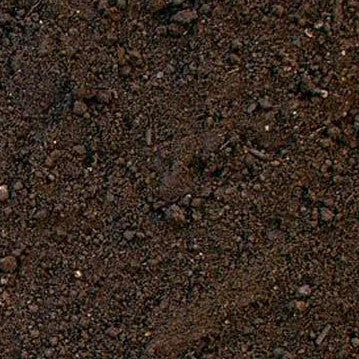
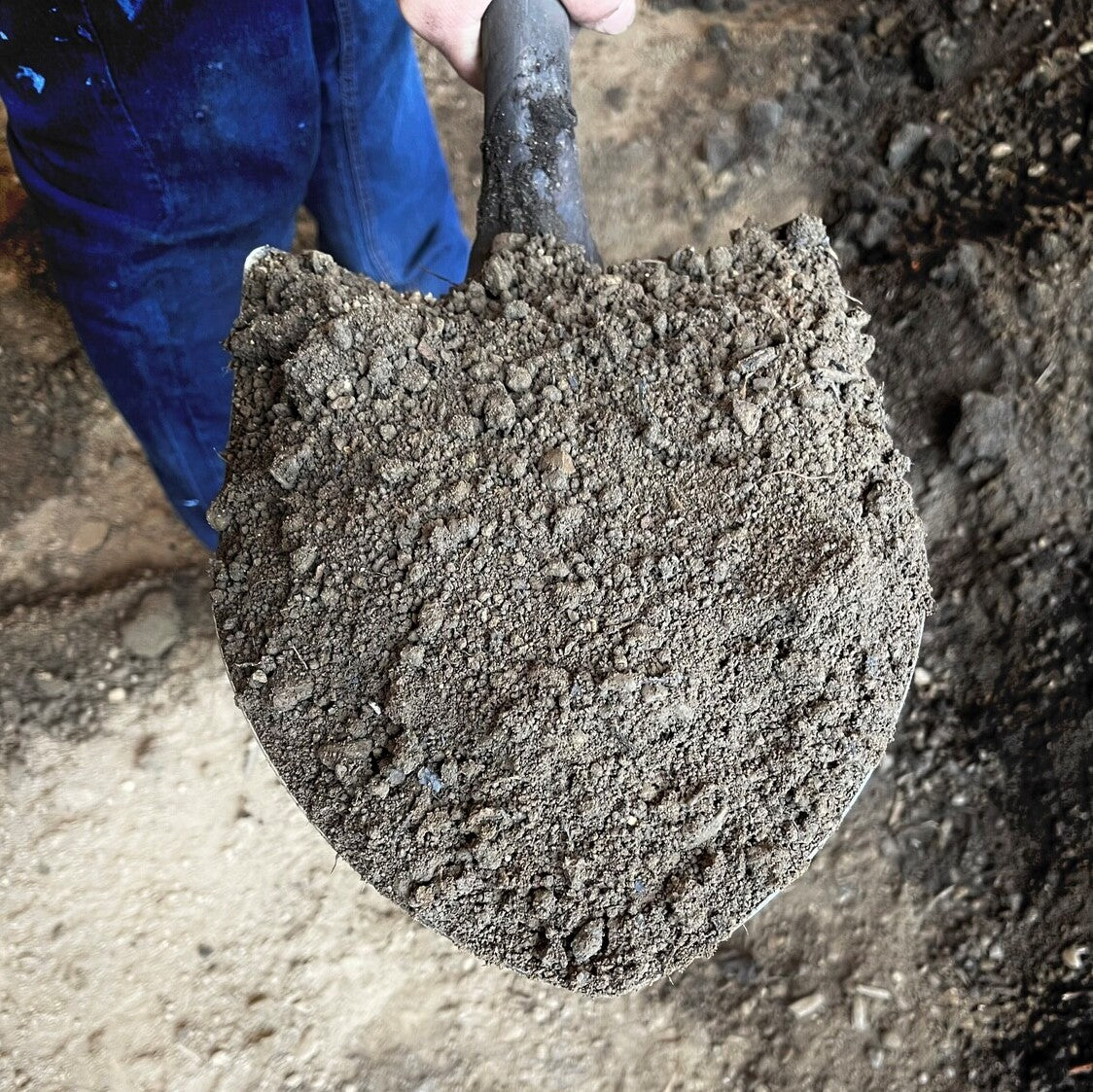
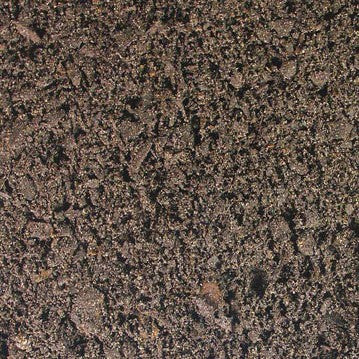
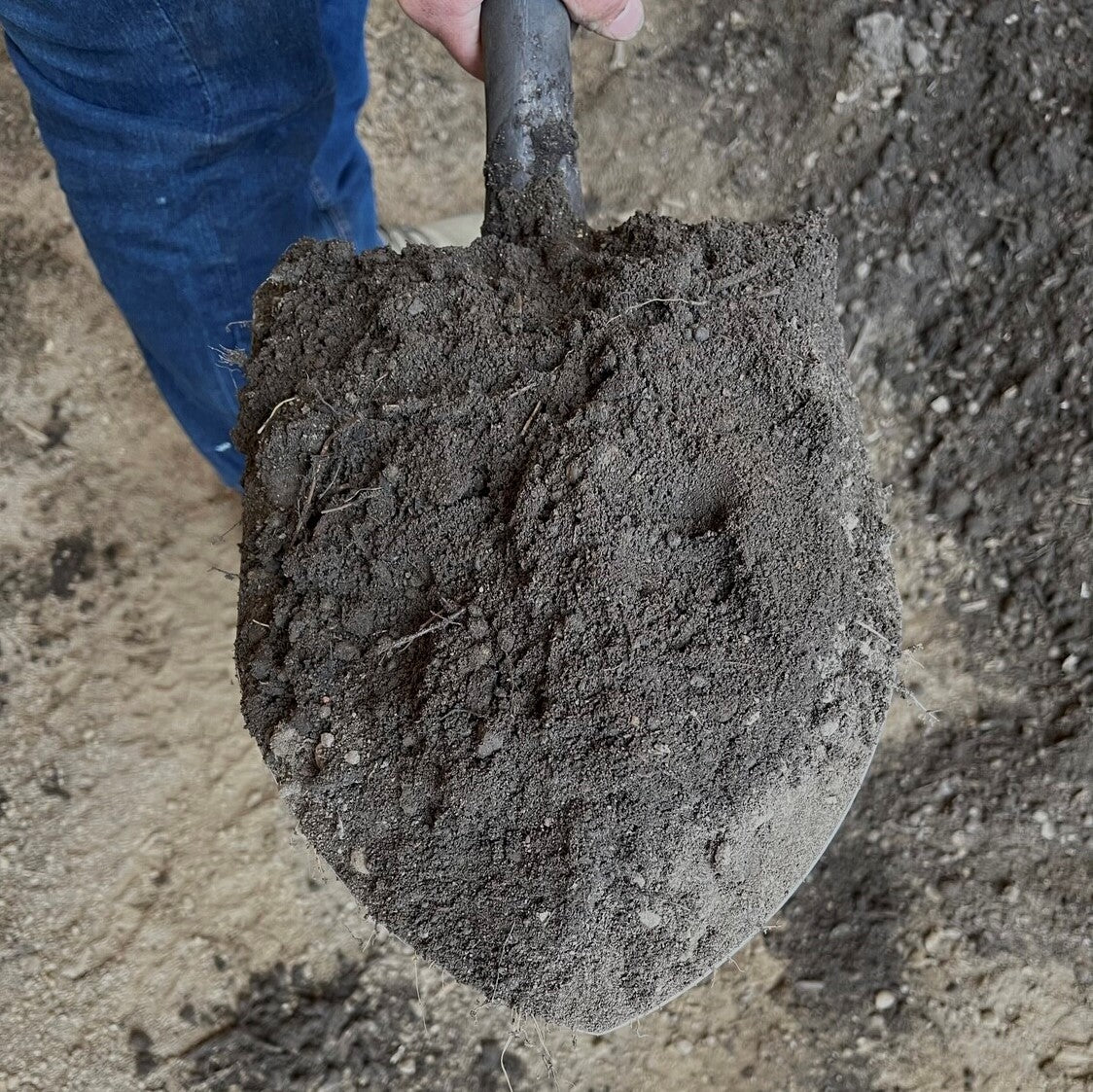
Screened topsoil with a fine, even texture. Ideal for new lawns, sod prep, and raised garden beds.
Good quality top soil and was delivered exactly where I wanted it. Nice Job!
Tell us what you're looking for
Thanks! We received your request.
Something went wrong. Please try again.
How Much Material Do I Need?
How Much Material Do I Need?
Plan on two to three inches of topsoil for lawn repair over graded clay, and a full 12 to 18 inches for raised vegetable beds so roots stay above the hardpan. One cubic yard covers roughly 160 square feet at two inches.
Use our free soil calculator
What is a Yard?
What is a Yard?
What is a yards?
What is a yards?
FAQs
FAQs
Sandy Springs Soil Delivery
Sandy Springs Soil Delivery
Regular price
$64.00
per
Yard
Regular price
Sale price
$64.00
Unit price
per
Shipping calculated at checkout.
Minimum of 3 Yard
Couldn't load pickup availability
Not currently available
We can't take orders for this right now. Tell us what you need and we'll get back to you.
Hand-picked local yards
4,000+ regional deliveries
Dedicated support
Why order through Mulch Mound
The best local , without the guesswork.
We hand-pick and partner with the best yards in your region, keep only the ones our buyers rate well, and back each load with our guarantee.
Mulch Mound Guarantee
If your isn't the quantity or quality you ordered, we'll make it right.
About this soil
Screened topsoil with a fine, even texture. Ideal for new lawns, sod prep, and raised garden beds.
Good quality top soil and was delivered exactly where I wanted it. Nice Job!
How Much Material Do I Need?
How Much Material Do I Need?
Plan on two to three inches of topsoil for lawn repair over graded clay, and a full 12 to 18 inches for raised vegetable beds so roots stay above the hardpan. One cubic yard covers roughly 160 square feet at two inches.
Use our free soil calculator
What is a Yard?
What is a Yard?
What is a yards?
What is a yards?
FAQs
FAQs
Tell us what you're looking for
Thanks! We received your request.
Something went wrong. Please try again.

How It Works
Getting started is easy — just follow these simple steps
1
Choose your soil
Make sure you adjust the quantity to your home's needs. You can use our calculator to estimate how much you'll need.
2
Select your delivery date
Select a delivery date you'd like for the product to be dropped off at your home
3
Sit back and wait
Sit back, wait, and let us work our magic to make sure the highest quality product is delivered to your driveway.

Online ordering was really simple and I liked the transparent pricing.

Easy to order, great service, and great product. We enjoy the final look of a very neglected beds we inherited!
Need Help Calculating How Much Soil You Need?
Use our NEW Trace from Satellite tool to get an estimate for your project based on an aerial view of your property
Try Our CalculatorFor raised beds, measure inside dimensions rather than outside, since Sandy Springs gardeners often build with thick 2 by 10 lumber and the difference adds up. For low spot repair, estimate the average depth of the depression rather than the deepest point. Add about ten percent to any soil order to cover settling after our spring rains.
Complete Your Outdoor Soil Project
Add compost to blend into the existing clay before your new soil goes down, and finish planted beds with hardwood mulch to keep the fresh soil from crusting or washing during summer storms.
Mulch Mound Pro Tip
Never work Sandy Springs clay when it is wet. Squeeze a handful, and if it forms a slick ribbon instead of crumbling, walk away and wait two or three dry days. Tilling or digging saturated clay destroys whatever structure exists and creates dense clods that stay hard for years. The window between too wet and too dry is short here, so watch the forecast and plan your soil delivery around it.
Mulch Mound Pro Tip
Blend the transition zone instead of layering. If you dump six inches of rich garden soil straight onto compacted clay, water perches at the boundary and roots refuse to cross it. Instead, loosen the top few inches of clay and mix your new soil into that layer as you go. This gradual transition is especially important on Sandy Springs lots where subsoil was exposed during construction grading.
Mulch Mound Pro Tip
Get a soil test before you spend on amendments. Fulton County extension processes samples inexpensively and tells you exactly what your red clay needs, which is often lime and phosphorus rather than the general purpose fertilizer most homeowners reach for. Sample from several spots in the yard, since grading during construction means the front and back of a Sandy Springs lot can test very differently.
The Unique Landscape of Sandy Springs
Almost every Sandy Springs lot started as Piedmont red clay, and on newer construction the good topsoil was scraped away during grading, leaving subsoil clay that is dense, acidic, and low in organic matter. Bringing in quality soil is often the only practical way to give vegetables, annuals, and new lawns something to root into. Our 53 inches of annual rainfall also leaches nutrients quickly, so soil that holds organic matter pays off over an entire growing season. In Zone 8a the growing window runs long, roughly from the last frost near March 29 to the first frost near November 12, which means beds work hard for eight months straight. Good soil also fixes the settling and low spots that show up after a wet Sandy Springs winter.