



Easy to order, arrived when it was to arrive. Mulch was beautiful! Couldn’t be easier!
About this mulch
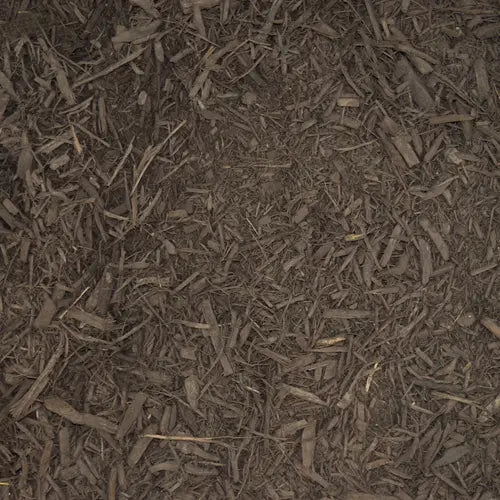
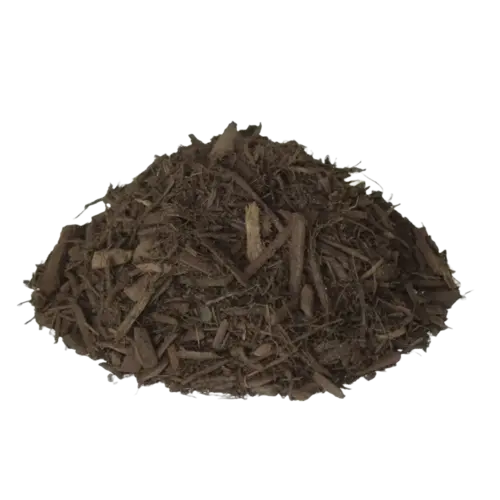
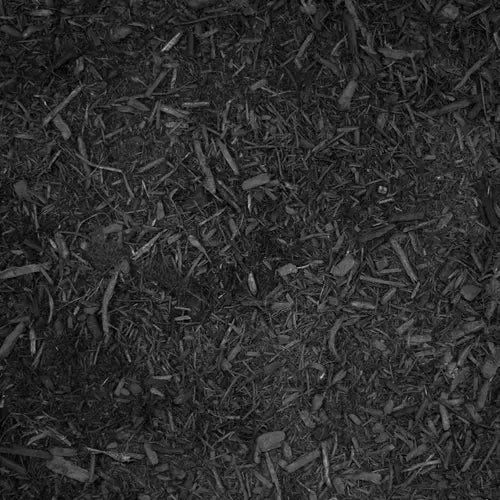
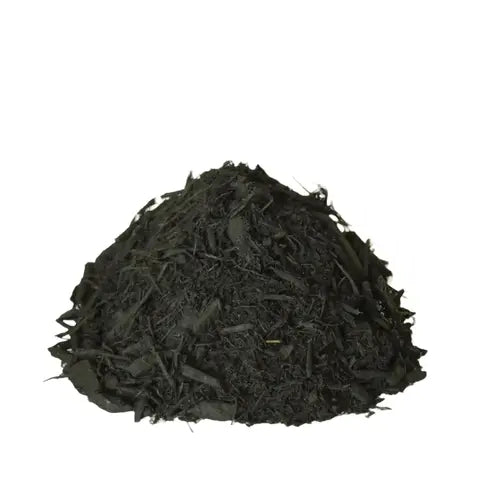
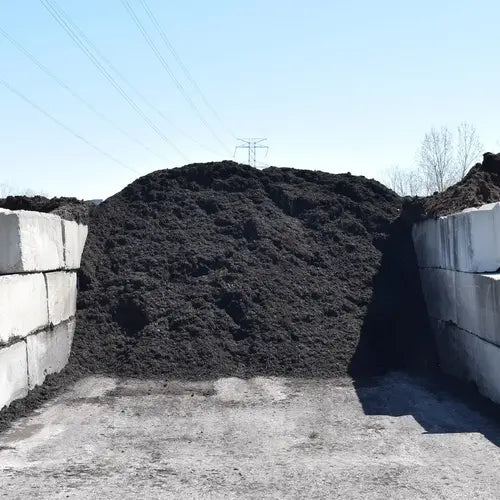
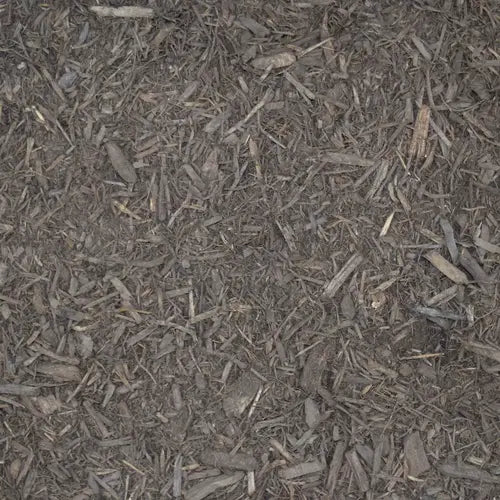
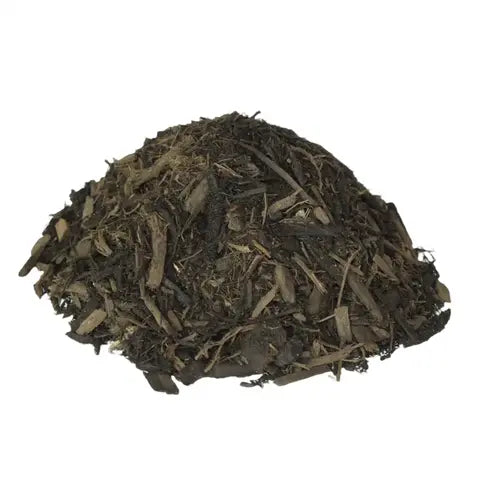
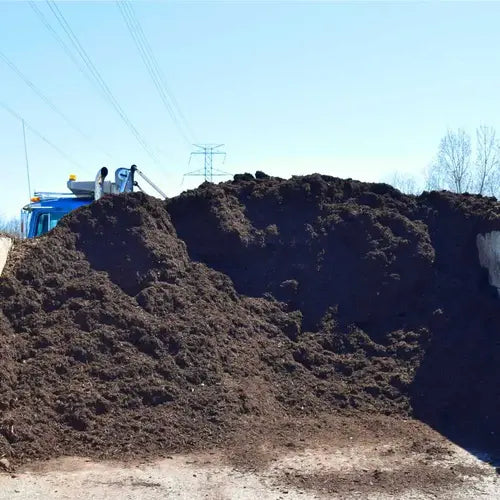
Double-shredded mulch dyed a rich, even brown that holds its color through the season.
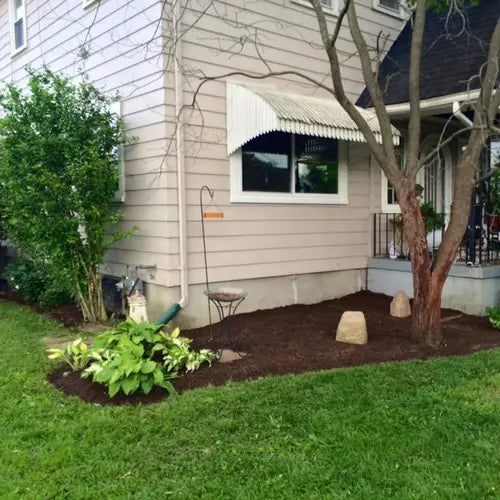
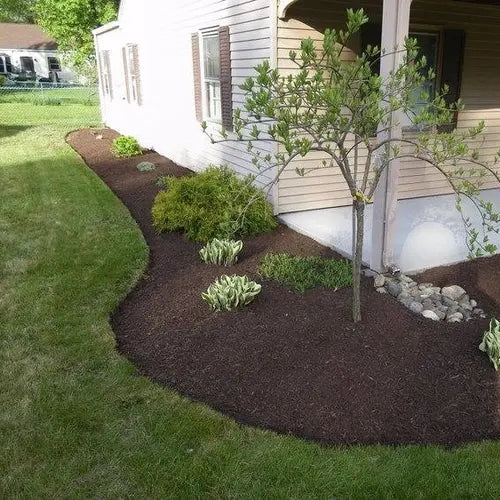
Easy to order, arrived when it was to arrive. Mulch was beautiful! Couldn’t be easier!
Tell us what you're looking for
Thanks! We received your request.
Something went wrong. Please try again.
How Much Material Do I Need?
How Much Material Do I Need?
Three inches is the working depth for most Santa Barbara ornamental beds, and one cubic yard covers roughly one hundred square feet at that depth. Go slightly deeper at four inches on exposed south and west facing beds that take full afternoon sun and sundowner wind.
Use our free mulch calculator
What is a yard?
What is a yard?
FAQs
FAQs
Santa Barbara Mulch Delivery
Santa Barbara Mulch Delivery
Regular price
$64.00
per
Yard
Regular price
Sale price
$64.00
Unit price
per
Shipping calculated at checkout.
Minimum of 3 Yard
Couldn't load pickup availability
Not currently available
We can't take orders for this right now. Tell us what you need and we'll get back to you.
Hand-picked local yards
4,000+ regional deliveries
Dedicated support
Why order through Mulch Mound
The best local , without the guesswork.
We hand-pick and partner with the best yards in your region, keep only the ones our buyers rate well, and back each load with our guarantee.
Mulch Mound Guarantee
If your isn't the quantity or quality you ordered, we'll make it right.
About this mulch
Double-shredded mulch dyed a rich, even brown that holds its color through the season.
Easy to order, arrived when it was to arrive. Mulch was beautiful! Couldn’t be easier!
How Much Material Do I Need?
How Much Material Do I Need?
Three inches is the working depth for most Santa Barbara ornamental beds, and one cubic yard covers roughly one hundred square feet at that depth. Go slightly deeper at four inches on exposed south and west facing beds that take full afternoon sun and sundowner wind.
Use our free mulch calculator
What is a yard?
What is a yard?
FAQs
FAQs
Tell us what you're looking for
Thanks! We received your request.
Something went wrong. Please try again.

How It Works
Getting started is easy — just follow these simple steps
1
Choose your Mulch
Make sure you adjust the quantity to your home's needs. You can use our calculator to estimate how much you'll need.
2
Select your delivery date
Select a delivery date you'd like for the product to be dropped off at your home
3
Sit back and wait
Sit back, wait, and let us work our magic to make sure the highest quality product is delivered to your driveway.

Great experience! Easy to order, they delivered promptly and were very respectful of the property! Ordered the triple shredded brown mulch and it w...
Read full review
Great experience! Easy to order, they delivered promptly and were very respectful of the property! Ordered the triple shredded brown mulch and it was EXACTLY what I wanted. Very clean product too, no garbage or filler. Already put these guys in my calendar to order from next year! Keep up the good work.

Website was easy to use. Mulch was delivered on time and exactly where specified. It makes our front yard look great just in time for spring!
Calculate mulch for your Santa Barbara project
For Santa Barbara's type of soil, we recommend 2-3 inches for best weed suppression and moisture retention
Try Our CalculatorMeasure each bed separately rather than guessing at the whole yard, since curved beds along a Santa Barbara driveway rarely form a clean rectangle. Break odd shapes into rough rectangles and triangles, add the square footage together, then let the calculator convert to cubic yards at your chosen depth. Order about ten percent over your calculated number because mulch settles and you will want a little left for touch ups.
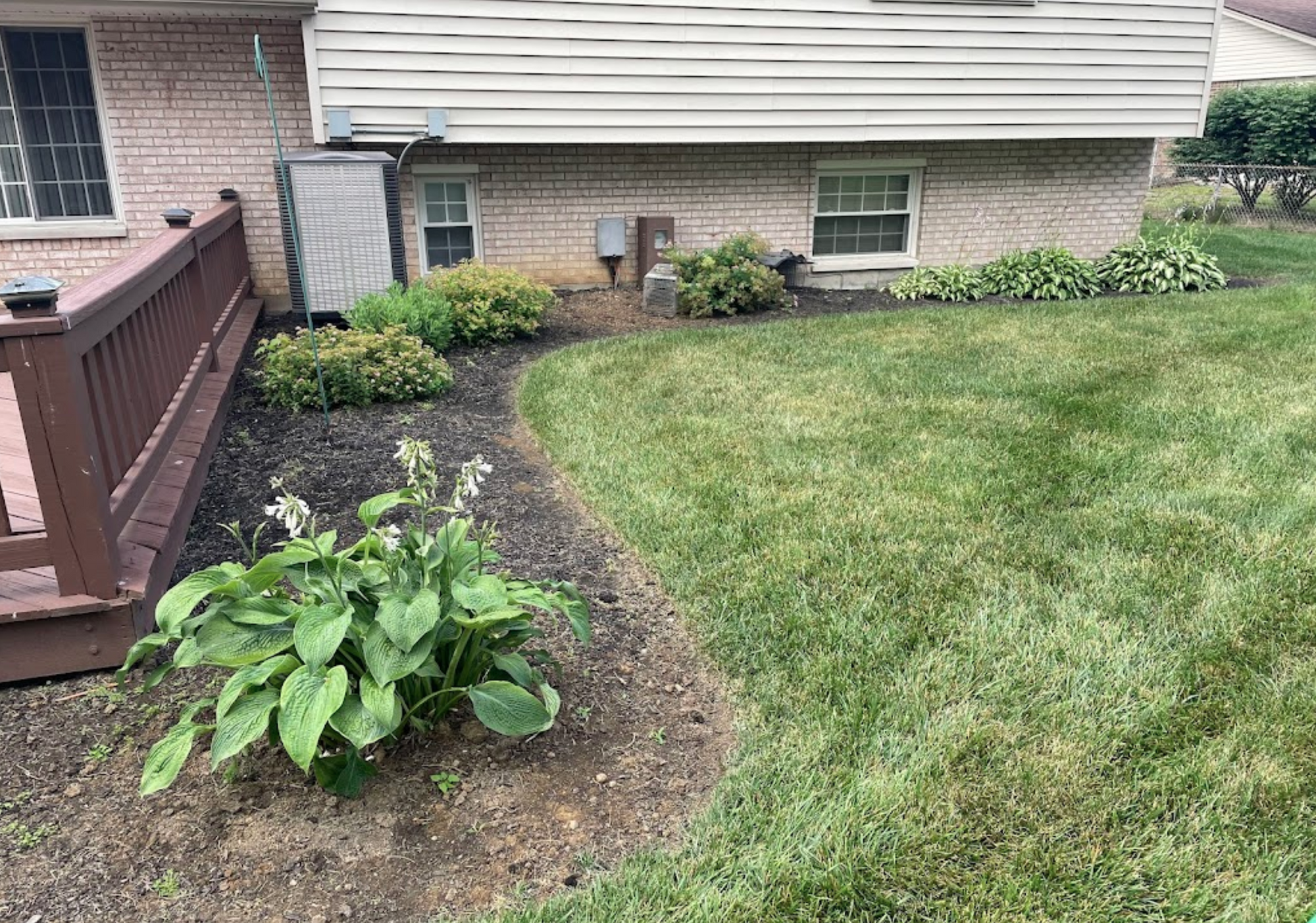

Best Mulch Choice for Santa Barbara Lawns
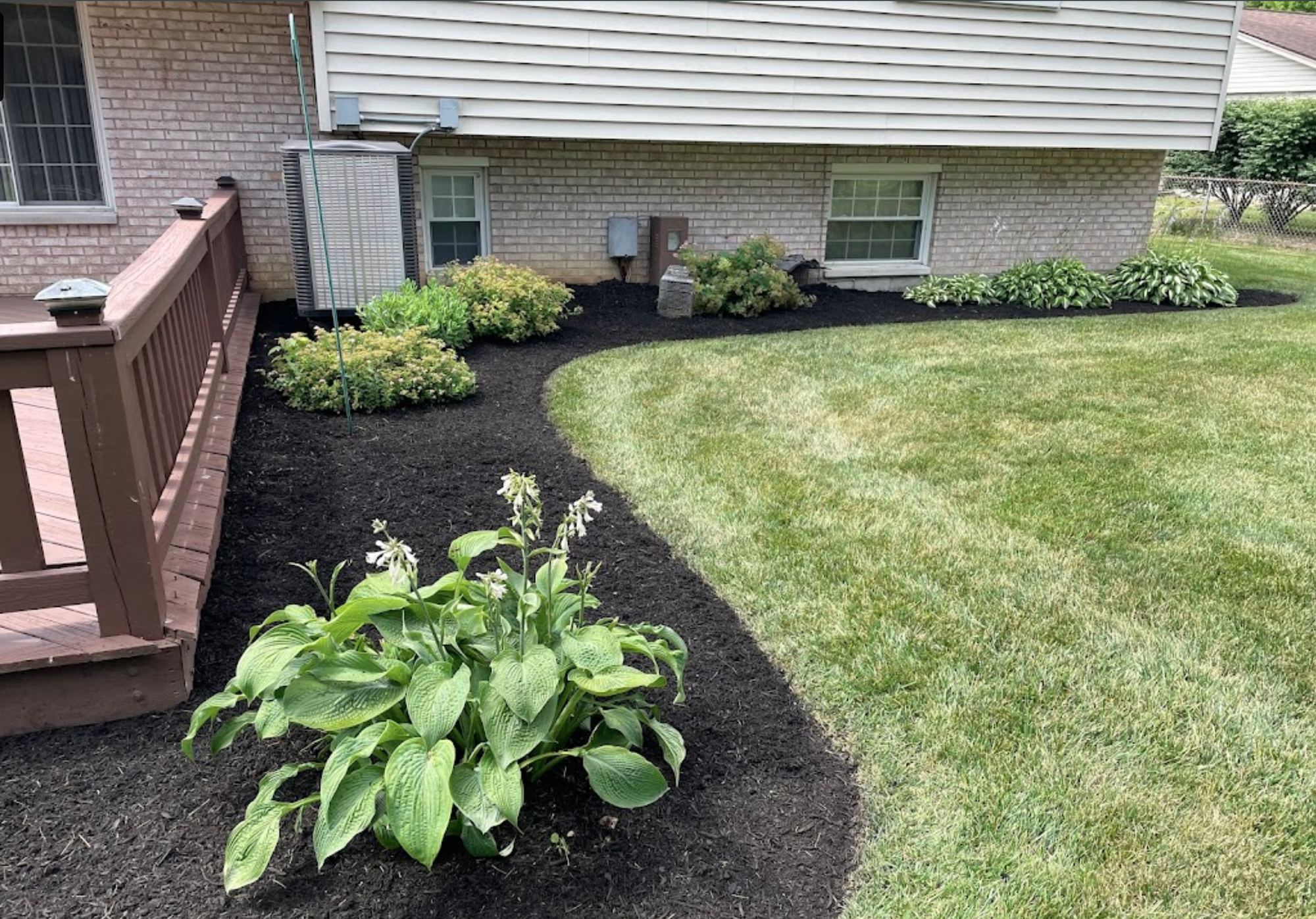
Most yards in the Santa Barbara area sit on type of soil. Sandy loam around Santa Barbara drains beautifully but holds very little water or nutrition, so irrigation and fertilizer often move past the root zone before plants can use them. Beds built on this soil tend to show stress within days of a missed watering, especially in summer.
Hardwood Mulch
A shredded hardwood mulch is a strong fit because it knits into a dense mat that shades the soil surface and slows evaporation from those wide sandy pores. As the bottom layer decomposes into the sandy loam it adds the organic matter that improves both water holding capacity and nutrient retention, which is exactly what this soil type lacks.
Complete Your Outdoor Mulch Project
Pair your mulch order with a few yards of compost or planting mix to blend into the sandy loam before you top dress, and add decorative stone for the first five feet around the house if you are in a foothill fire zone. Steel or bender board edging keeps mulch out of hardscape and off the sidewalk.
Service area
Areas we deliver mulch in Santa Barbara, California
Mulch Mound Pro Tip
Water your beds deeply the day before mulch arrives. Sandy loam that is already dry will pull moisture up out of a fresh mulch layer instead of the other way around, and it can take weeks of irrigation to recharge. Soak each zone until water reaches eight to ten inches down, let it drain overnight, then spread mulch the next morning. You are essentially sealing in a full reservoir that will carry the bed through the first stretch of dry weather.
Mulch Mound Pro Tip
Keep mulch off the crowns of drought adapted natives. Ceanothus, manzanita, and salvia are widely planted around Santa Barbara and they rot at the base when organic material sits against the stem in damp winter soil. Leave a clean four to six inch collar of bare soil around each trunk. Under natives, a thinner two inch layer of coarse chips actually mimics their natural leaf litter better than a deep composted blend does.
Mulch Mound Pro Tip
Time your reapplication around the ocean fog pattern. Coastal Santa Barbara neighborhoods get months of morning marine layer that keeps the mulch surface damp and speeds decomposition, while properties a few miles inland past the 101 stay drier and hold mulch longer. If you live near the beach, plan on checking depth every spring. If you are up toward the foothills, you can usually stretch to every other year.
The Unique Landscape of Santa Barbara
Santa Barbara gets roughly 18 inches of rain a year, and almost all of it falls between December and March, which leaves your beds bone dry from May through October. Mulch is the single cheapest way to hold what little moisture the sandy loam soil here manages to retain, because uncovered sandy loam drains and evaporates faster than almost any other soil texture. In Zone 10b there is no winter dormancy to speak of, so weeds like oxalis, spurge, and bermudagrass grow year round and a thick mulch layer is your only passive defense. Mulch also moderates soil temperature during the sundowner wind events that roll down off the Santa Ynez range and desiccate exposed root zones in a single afternoon. On the sloped lots common in the Riviera, Mission Canyon, and San Roque neighborhoods, a coarse mulch also slows the sheet flow that carries topsoil into the street during the first big storm. Finally, with mandatory water use targets in place across most of the South Coast, mulch is a documented way to cut irrigation demand without losing plants.