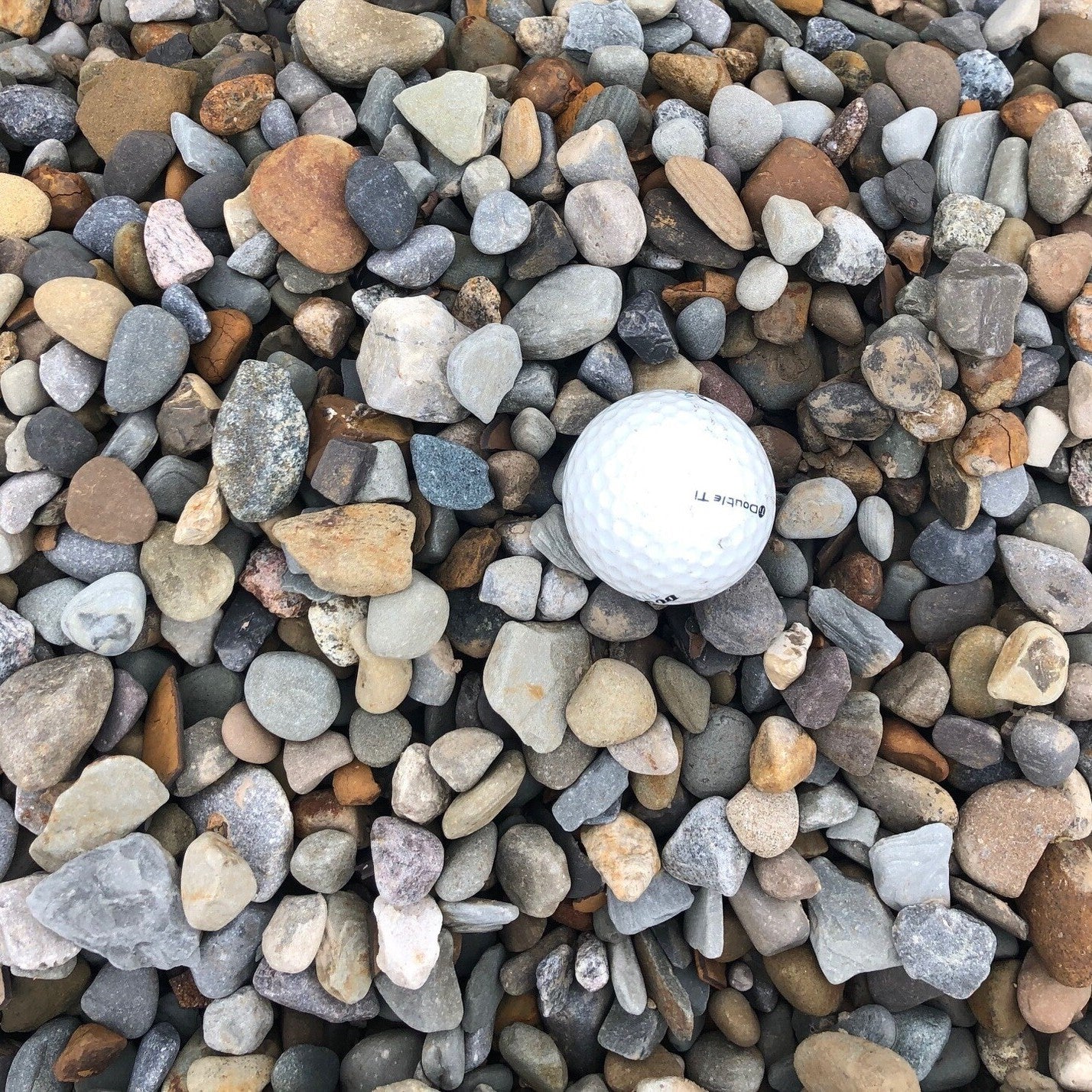
Number 57 crushed stone, angular limestone graded to about three quarters of an inch. The standard driveway, base and drainage gravel, it locks together under traffic and drains fast.
My experience with Mulch Mound was great and super easy. I ordered two yards of screened topsoil and was able to get it delivered within 2 days. They came in my requested time frame (afternoon) and dropped it off where I asked on my driveway. The topsoil was exactly what was a...
Tell us what you're looking for
Thanks! We received your request.
Something went wrong. Please try again.
How Much Material Do I Need?
For most Savannah landscape applications — pathways, low-maintenance ground cover areas, and foundation borders — 2 to 3 inches of stone is the ideal depth, providing effective weed suppression over landscape fabric while allowing Savannah's frequent rainfall to drain freely through the material. Drainage channels and erosion control applications along slopes or downspout areas benefit from 4 to 6 inches of larger-grade riprap to handle the force of Savannah's periodic heavy downpours without displacing material.
Use our free gravel calculator
What is a yard?
A yard is approximately 27 cubic feet. As a general guideline, one yard of material can cover an area of about 10 feet by 10 feet at a few inches deep.
We can't take orders for this right now. Tell us what you need and we'll get back to you.
What do you need?
Thanks! We received your request.
Something went wrong. Please try again.
Hand-picked local yards
4,000+ regional deliveries
Dedicated support
Why order through Mulch Mound
The best local stone, without the guesswork.
We hand-pick and partner with the best yards in your region, keep only the ones our buyers rate well, and back each load with our guarantee.
Mulch Mound Guarantee
If your stone isn't the quantity or quality you ordered, we'll make it right.
About this stone
Number 57 crushed stone, angular limestone graded to about three quarters of an inch. The standard driveway, base and drainage gravel, it locks together under traffic and drains fast.
My experience with Mulch Mound was great and super easy. I ordered two yards of screened topsoil and was able to get it delivered within 2 days. They came in my requested time frame (afternoon) and dropped it off where I asked on my driveway. The topsoil was exactly what was a...
How Much Material Do I Need?
For most Savannah landscape applications — pathways, low-maintenance ground cover areas, and foundation borders — 2 to 3 inches of stone is the ideal depth, providing effective weed suppression over landscape fabric while allowing Savannah's frequent rainfall to drain freely through the material. Drainage channels and erosion control applications along slopes or downspout areas benefit from 4 to 6 inches of larger-grade riprap to handle the force of Savannah's periodic heavy downpours without displacing material.
Use our free gravel calculator
What is a yard?
A yard is approximately 27 cubic feet. As a general guideline, one yard of material can cover an area of about 10 feet by 10 feet at a few inches deep.
My experience with Mulch Mound was great and super easy. I ordered two yards of screened topsoil and was able to get it delivered within 2 days. Th...
Read full review
My experience with Mulch Mound was great and super easy. I ordered two yards of screened topsoil and was able to get it delivered within 2 days. They came in my requested time frame (afternoon) and dropped it off where I asked on my driveway. The topsoil was exactly what was advertised, clean with no rocks or other debris. The price was reasonable. I plan to use them again in a couple weeks to order compost for my garden beds.
Really appreciate the care and follow thru that this company had with our order. A hiccup came up but they were quick to respond and address all co...
Read full review
Really appreciate the care and follow thru that this company had with our order. A hiccup came up but they were quick to respond and address all concerns, which made our garden day a success! Thank you for your prompt care.
To estimate stone coverage, measure your area in square feet and use a simple rule: one cubic yard of stone covers approximately 100 square feet at 3 inches deep. For Savannah projects — especially pathways and foundation borders where consistent depth matters — it's worth measuring in sections rather than estimating the whole area at once. Savannah yards with mature live oaks and irregular bed shapes often have more square footage than a quick estimate suggests, so taking the time to measure accurately prevents a frustrating mid-project shortage.
Stone Types We Deliver in Savannah
The humid subtropical climate and sandy coastal soils of coastal Georgia reward homeowners and landscapers who choose the right stone for each project. We deliver bulk gravel by the yard in Savannah, dropping off cubic-yard loads of clean stone directly to your driveway or job site. From backyard garden paths to practical drainage work, our delivery process keeps things simple from order to drop-off.
Pea Gravel
Pea gravel works especially well in the sandy, porous soils common across coastal Georgia, making it a natural choice for pathways, patio borders, and decorative ground cover. Its smooth, rounded edges give traditional Southern garden beds a tidy, finished look while encouraging drainage in low spots that collect standing water during the region's heavy summer rains.
Complete Your Outdoor Stone Project
Stone works beautifully as a finishing frame for garden beds that have been built up with quality bulk soil and topped with mulch — the three materials together create a tiered, professional look that's also highly functional in Savannah's weather. If you're installing stone pathways between planted areas, adding mulch to the bed sections creates a clear, clean contrast that works especially well in Savannah's lush, layered landscape aesthetic.
In Savannah's humid climate, organic debris — fallen live oak leaves, Spanish moss, pine needles — accumulates quickly on top of decorative stone and can begin to decompose into a thin layer of organic matter that becomes a seed bed for weeds. Running a leaf blower over stone areas every few weeks during the fall and winter keeps debris from building up and significantly reduces the weed pressure you'll deal with in spring. It's a simple habit that extends the life and appearance of any stone installation.
Mulch Mound Pro Tip
When planning stone pathways through shaded Savannah gardens, account for the fact that low-elevation, high-humidity conditions keep pathways damp longer after rain, which can create slippery surfaces on smooth stone. Opting for a textured crushed granite or a slightly angular pea gravel over polished river pebble improves traction significantly in shaded, moist areas. A stable, non-slip surface matters even more in Savannah's moss-prone environments, where moisture lingers on stone well after a storm passes.
Mulch Mound Pro Tip
Sandy soil beneath stone installations can gradually migrate upward into the stone layer over time — a process called pumping — especially in areas that experience vibration from foot traffic or repeated saturation from Savannah's heavy rains. Installing a geotextile separation fabric between the native soil and your stone layer prevents this migration and keeps your stone looking clean and sitting at the right grade year after year. Skipping this step is the most common mistake homeowners make with stone projects in Savannah's sandy-soil environment, and it shows within just a few seasons.
The Unique Landscape of Savannah
In a coastal city like Savannah, where sandy soil, heavy seasonal rainfall, and a near-year-round growing season create constant maintenance demands, stone is one of the most practical and durable materials a homeowner can incorporate into a landscape. Unlike organic materials that break down in Savannah's heat and humidity, stone holds its character through decades of weather without needing replenishment or seasonal replacement. Decorative stone and gravel are particularly well-suited to Savannah's drainage challenges — at just 13 feet of elevation, water movement across and through landscapes is a constant consideration, and a gravel or stone layer can redirect runoff, slow erosion, and prevent the kind of muddy pooling that bare sandy soil produces after a downpour. Stone pathways and borders also eliminate the need to maintain turf or groundcover in high-traffic areas, which in Savannah's warm, humid climate means significantly reducing mowing, weeding, and irrigation demands. Along foundation borders, a strip of crushed stone creates a moisture barrier that reduces soil splash-back on siding during heavy rain events — a meaningful benefit in a city that receives 49 inches annually. Whether you're creating pathways through a shaded garden, edging raised beds, or installing a low-maintenance driveway border, bulk stone delivers functional and visual value that compounds over time.
Frequently Asked Questions
Click a question to see the answer
Answer
What type of stone works best for a backyard pathway in Savannah?
For walkable pathways in Savannah's sandy-soil yards, a compacted crushed granite (also called decomposed granite) is a popular and practical choice — it packs firmly underfoot, drains well during heavy rain events, and doesn't shift the way loose round pebbles can. River pebble and pea gravel are also common for lighter-traffic garden paths, though they require edging to keep them contained, especially after Savannah's tropical-season downpours wash them around.
Answer
Will stone around my foundation actually help with moisture and drainage in Savannah?
Yes — a 12- to 18-inch border of crushed stone along your foundation is one of the most effective drainage upgrades you can make to a Savannah home. Sandy native soil doesn't protect siding from water splash-back the way stone does, and a stone border keeps the soil surface away from direct rainfall impact while allowing water to percolate down and away from the foundation. In a city averaging 49 inches of rain annually, that buffer makes a real difference over time.
Answer
How deep should I lay gravel for a low-maintenance area in my Savannah yard?
For decorative or low-maintenance areas in Savannah, 2 to 3 inches of gravel is the standard depth — deep enough to suppress weeds (especially when laid over landscape fabric) and resist displacement during heavy rain, but not so deep that it becomes difficult to walk on or rake level. Sandy soil beneath gravel can shift, so a fabric barrier and a compacted base layer before adding stone helps the installation stay looking sharp through Savannah's wet seasons.
Answer
Can I use stone to help with the erosion problem on my sloped Savannah yard?
Absolutely — Savannah's heavy rainfall events can erode bare sandy soil on even moderately sloped areas within a single storm. Larger river rock or riprap stone placed along slope edges, drainage channels, or downspout discharge areas absorbs the energy of rushing water and holds soil in place without the ongoing maintenance of groundcover plants. For long slopes, a combination of stone channels at the base and planted groundcover on the slope itself is often the most durable approach.
Answer
Is river pebble or crushed granite better for the area around my Savannah pool?
River pebble is generally the preferred choice around pools in Savannah — the smooth, rounded surface is far more comfortable underfoot on bare feet than crushed granite's angular edges. Pebble also looks clean and polished in the sun-drenched coastal aesthetic that suits Savannah's outdoor living culture. Keep a landscape edging barrier around the perimeter to prevent pebble from migrating into your pool during Savannah's summer storms, which can hit with surprising force.
Answer
How do I keep weeds from growing up through my decorative stone in Savannah?
Weed management under stone is especially important in Savannah because the long growing season and Zone 9a climate keep weed seeds germinating almost year-round. The most effective approach is to install a high-quality woven landscape fabric beneath your stone — not plastic sheeting, which traps moisture and degrades — before laying any material. A 3-inch stone depth over fabric gives you meaningful weed suppression, but plan to spot-treat any persistent weeds that push through, since no barrier is 100% perfect in Savannah's growing conditions.
Answer
Does stone get too hot to use near plants during Savannah summers?
Lighter-colored stones — white marble chips, tan pea gravel, or buff-colored decomposed granite — reflect heat rather than absorbing it and are much better choices near plant beds in Savannah's intense summer sun. Dark stones like black river rock can reach surface temperatures well above 120°F on a sunny Savannah afternoon in July or August, which can stress or scorch shallow plant roots placed too close. Reserve dark decorative stones for areas away from plantings, such as driveways, borders, or water features.
Answer
Is crush and run the same as crusher run?
Crush and run and crusher run are the same material, a mix of crushed stone and stone dust that compacts into a firm base for driveways and paver projects. With Savannah's sandy soil and heavy rain, we deliver Crushed Stone #57 instead, since its washed, angular stones drain well and hold up without turning soft underfoot.
Answer
Is there a stone yard near Savannah?
Edging a garden bed in Savannah's sandy soil with crushed stone can mean hauling it home from a stone yard yourself, or having it dropped right at the bed. Mulch Mound takes the second route, so you order online and skip the quarry run. The crushed stone arrives by the cubic yard, wherever you want it.