
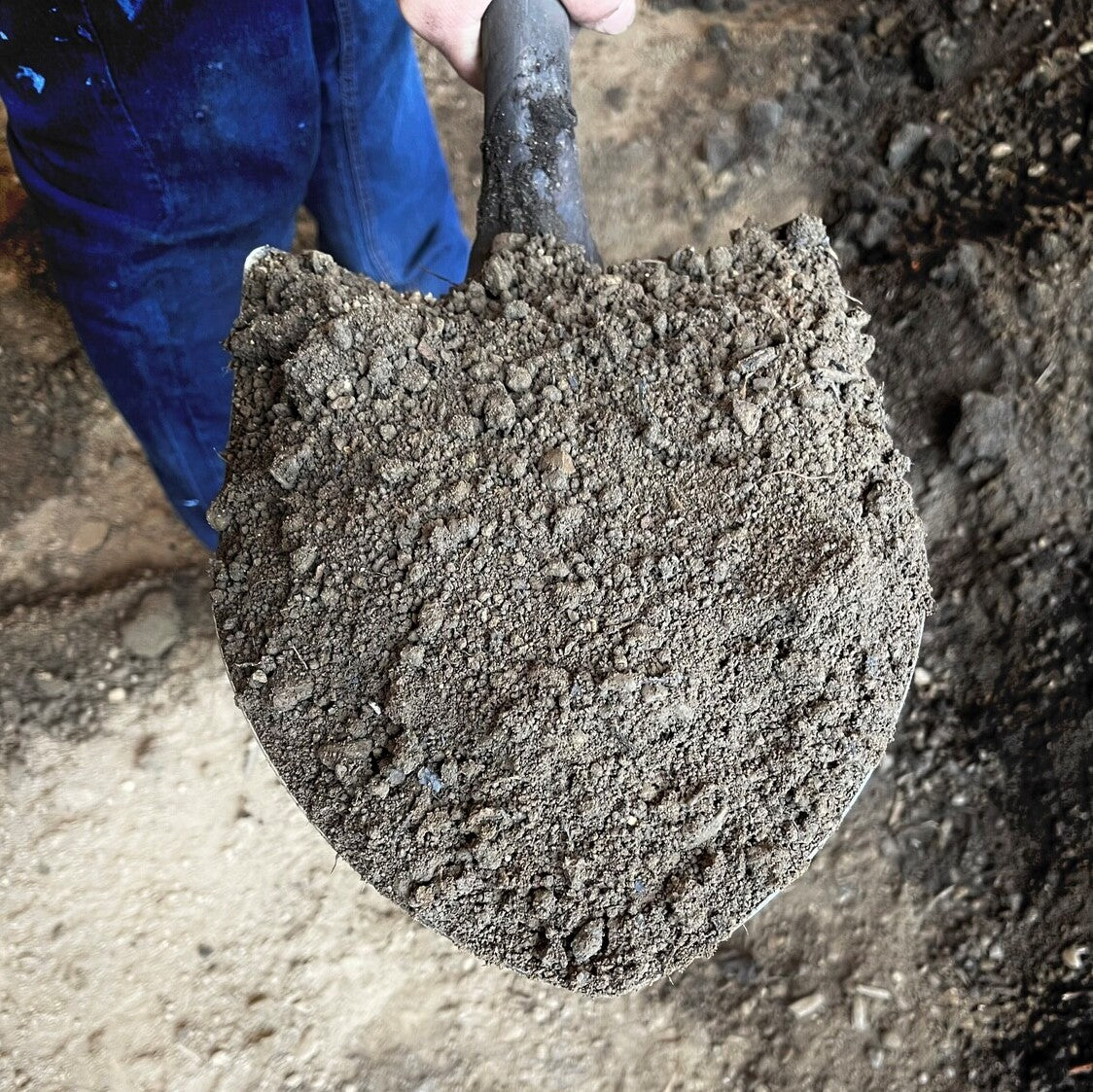
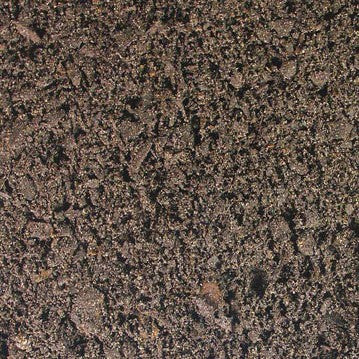
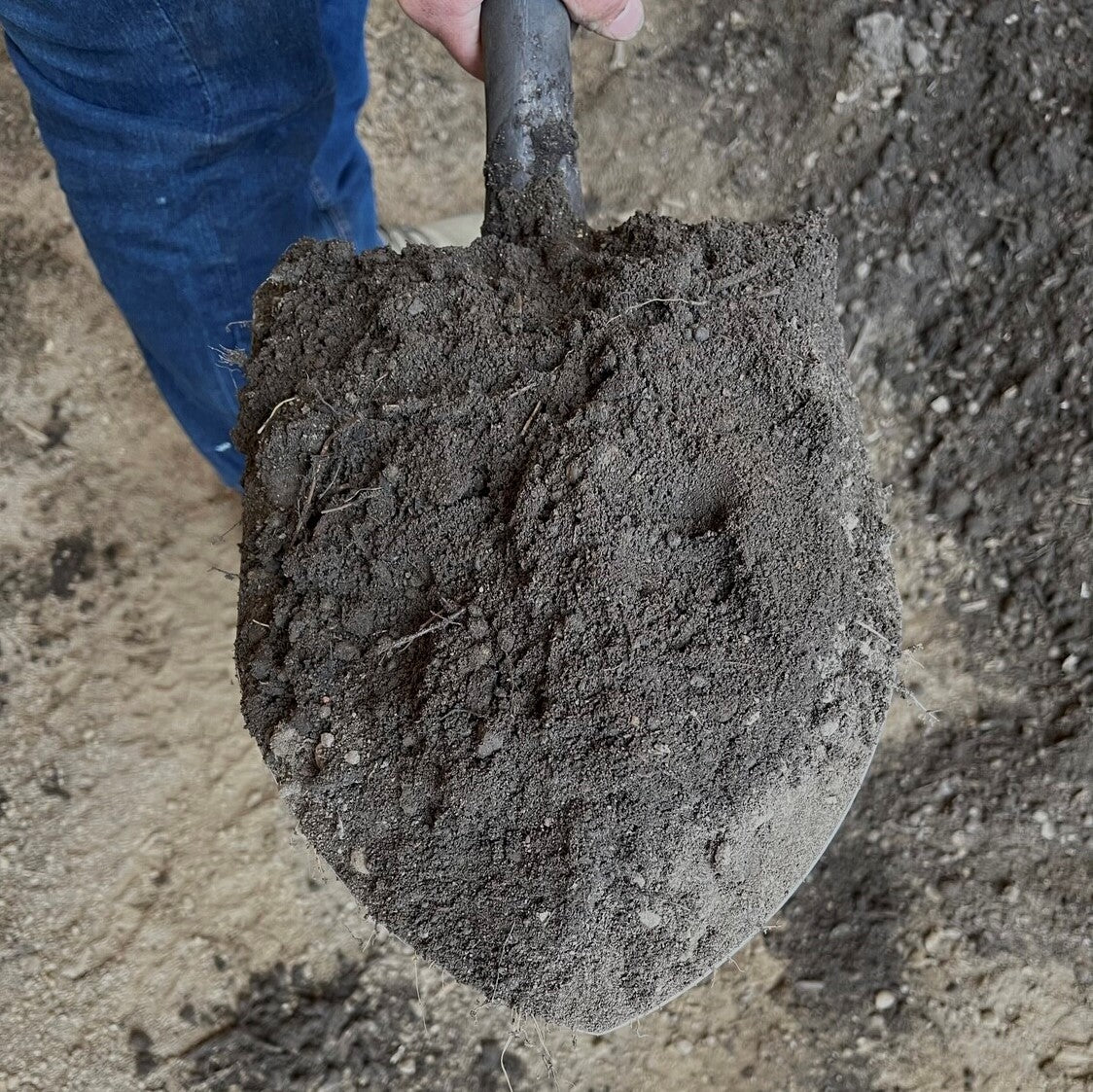
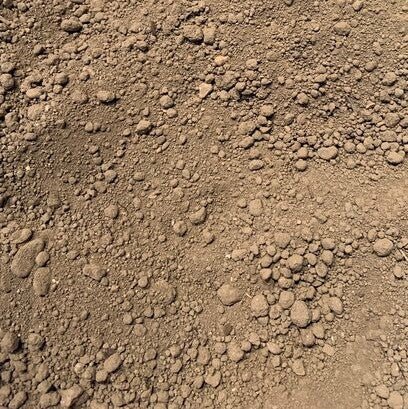
About this soil

Quality topsoil for lawns, gardens, and landscape projects. Nutrient rich and ready to support strong root development and healthy plant establishment.

The website was intuitive and easy to navigate. The material was delivered the date and time it was scheduled, it was dropped off in the area i had specified on top of my tarp with no issues.

I ordered soil, the Gardening Blend that I received had too many plastic and m...

For lawn leveling in Seaford's sandy loam, a 1 to 2 inch topdress is typically enough to fill low spots and improve surface grade. New garden beds perform best with at least 6 to 8 inches of quality soil to give roots a rich environment above the fast-draining native sandy base.
Use our free soil calculator

A yard is approximately 27 cubic feet. As a general guideline, one yard of material can cover an area of about 100-160 square feet at a 2-3 inch depth.

Seaford Soil Delivery

Seaford Soil Delivery

4.7
137 reviews
Regular price $67.00 per yard
Regular price Sale price $67.00
Sale Sold out
Type
Style
Minimum of 3 yard
Hand-picked local yards
4,000+ regional deliveries
Dedicated support
Why order through Mulch Mound

The best local soil, without the guesswork.

We hand-pick and partner with the best yards in your region, keep only the ones our buyers rate well, and back each load with our guarantee.

Mulch Mound Guarantee

If your soil isn't the quantity or quality you ordered, we'll make it right.

About this soil

Quality topsoil for lawns, gardens, and landscape projects. Nutrient rich and ready to support strong root development and healthy plant establishment.

The website was intuitive and easy to navigate. The material was delivered the date and time it was scheduled, it was dropped off in the area i had specified on top of my tarp with no issues.

I ordered soil, the Gardening Blend that I received had too many plastic and m...

For lawn leveling in Seaford's sandy loam, a 1 to 2 inch topdress is typically enough to fill low spots and improve surface grade. New garden beds perform best with at least 6 to 8 inches of quality soil to give roots a rich environment above the fast-draining native sandy base.
Use our free soil calculator

A yard is approximately 27 cubic feet. As a general guideline, one yard of material can cover an area of about 100-160 square feet at a 2-3 inch depth.

View full details

How It Works

Getting started is easy — just follow these simple steps

1

Choose your soil

Make sure you adjust the quantity to your home's needs. You can use our calculator to estimate how much you'll need.

2

Select your delivery date

Select a delivery date you'd like for the product to be dropped off at your home

3

Sit back and wait

Sit back, wait, and let us work our magic to make sure the highest quality product is delivered to your driveway.

What Seaford Customers Like About Our Soil

4.7
out of 5 based on 137 reviews
Google Reviews

Need Help Calculating How Much Soil You Need?

Use our NEW Trace from Satellite tool to get an estimate for your project based on an aerial view of your property

Try Our Calculator
📍

For soil projects, measure the length and width of the area in feet and decide on your target depth in inches. In Seaford, lawn leveling typically needs 1 to 2 inches while new planting beds perform best with 6 to 12 inches. Multiply length by width, then multiply by the depth in feet, and divide by 27 to get cubic yards. For the irregular yard layouts common in older Seaford neighborhoods, breaking the space into smaller rectangles and adding the results together gives a more accurate total.

Soil Types We Deliver in Seaford

Whether you are filling raised beds, reseeding a lawn, or refreshing garden borders, bulk topsoil by the yard in Seaford is one of the most practical ways to take on larger landscape projects. Mulch Mound delivers premium soil products directly to your driveway, measured and priced by the cubic yard. The naturally sandy ground common across this part of Long Island makes quality imported soil especially valuable for supporting healthy root systems and lush plantings.

Screened Top Soil

Our screened top soil arrives clean, free of stones and debris, and ready to spread. It suits lawn repairs, garden bed filling, and general grading around the yard. Nutrient rich and finely textured, it helps grass and plantings establish quickly in the sandy conditions common across this part of Long Island.

Garden Compost

Our standard garden compost is packed with organic matter and screened for a fine, clean texture. It is a strong choice for enriching flower beds, vegetable gardens, and established plantings that need a nutrient boost. Mixing it into native sandy soil improves moisture retention and feeds plants throughout the growing season.

Gardening Blend

Our standard gardening blend is a ready to use mix suited for flowers, vegetables, and general landscaping. Balanced for drainage and nutrient content, it performs well in raised beds and in-ground plantings alike. It is a practical choice for homeowners who want one versatile product that handles a wide range of yard projects.

Complete Your Outdoor Soil Project

After grading and filling your Seaford project area with soil, a layer of mulch over planting beds locks in moisture and protects the new soil surface through the long growing season. If you are defining a garden zone or pathway area, our stone products can provide clean separation between the soil zone and surrounding lawn or hardscape.

Map of Seaford, New York

Areas We Deliver Soil in Seaford, New York

No cities found for this region.

See All Locations

Frequently Asked Questions

Click a question to see the answer

Answer

Can I use bulk topsoil to improve the sandy loam already in my Seaford yard?

Yes, layering quality screened topsoil over Seaford's native sandy loam is one of the most practical ways to build a better growing environment without a full soil replacement. Spreading 3 to 4 inches of topsoil over an existing bed and working it lightly into the top few inches of the native soil blends the layers and meaningfully improves both moisture retention and nutrient availability for plant roots.

Answer

How much soil do I need to level a low spot in my Seaford backyard?

For minor lawn leveling in Seaford, a 1 to 2 inch topdress of screened topsoil is usually sufficient for low spots that are not too severe. Larger depressions may need 3 to 4 inches or more, and it is worth filling those in stages over two seasons rather than all at once so the grass can grow up through successive thin layers without being smothered.

Answer

What is the best type of soil for raised vegetable beds in Seaford?

A blended garden mix that combines topsoil, compost, and aged organic material performs best in Seaford raised beds. It drains well enough to prevent waterlogging during the heavier spring rains in April and May but holds enough moisture and nutrients to keep vegetable plants productive through the drier weeks of summer when the underlying sandy loam would struggle on its own.

Answer

When is the best time to have soil delivered for a spring garden project in Seaford?

In Seaford, the ground becomes workable and dry enough for most soil projects by mid to late March, and ordering for delivery in that window puts you ahead of the spring rush. Getting soil in place before the last frost on April 7 means beds are ready to plant on schedule without having to rush the spreading and grading work at the last minute.

Answer

Will bulk soil help with drainage problems in a low corner of my Seaford property?

Regrading a low area with fill soil can redirect surface water away from problem spots, and that is often the most affordable first step before considering underground drainage options. In Seaford's relatively flat terrain, even a modest 4 to 6 inch grade change over 10 or 15 feet can meaningfully redirect water flow and prevent the standing water that develops after heavier spring rainstorms.

Answer

How deep should I go when building a new garden bed from scratch in Seaford?

For a new garden bed in Seaford, 8 to 12 inches of quality soil gives most perennials and shrubs enough root space to establish well through the full growing season. Starting with 6 inches of topsoil or garden mix and then mulching the surface after planting creates a complete growing environment that works with rather than against the sandy loam native soil underneath.

Answer

Is bulk topsoil a good option for overseeding and repairing thin lawn areas in Seaford?

Screened topsoil applied at a quarter to half inch depth over bare or thin lawn areas in Seaford provides a good seedbed for grass seed and helps retain moisture during germination. The best timing in Seaford is early September, when soil temperatures are still warm but cooler nights reduce stress on germinating seed before the first frost arrives around November 17.

Mulch Mound Pro Tip

Seaford's growing season begins in earnest right after the last frost on April 7, but one advantage of sandy loam is that it warms up faster than heavier soils in spring, giving you a slight head start on planting. When you bring in new topsoil for spring beds, let it sit and settle for a week or two before planting if your schedule allows. Freshly delivered and loosely spread soil dries out and shifts more quickly than settled soil, and that brief wait makes for a much more consistent growing environment once plants go in.

Mulch Mound Pro Tip

For lawn areas that tend to stay soft or spongy in the lower parts of Seaford properties, a thin layer of screened topsoil applied as an annual topdress in early fall does double duty over time. It gradually raises and levels the grade while also improving the soil profile for the turf above. Applying no more than half an inch at a time allows grass to grow through the new layer without matting, and doing it in September gives the lawn the best chance to recover and knit together before the first frost in mid-November.

Mulch Mound Pro Tip

When filling raised vegetable beds in Seaford, resist the urge to use straight native sandy loam as the base even if you are trying to reduce material costs. Sandy loam by itself drains so quickly that it creates a cycle where beds need constant watering to keep vegetable plants productive through summer. A blended garden mix that includes compost and organic material holds moisture through Seaford's drier summer stretches and feeds plants gradually, reducing both the watering burden and the need for frequent fertilizing across the entire growing season.

The Unique Landscape of Seaford

Seaford sits on a sandy loam base that drains beautifully but presents real challenges for gardeners trying to build productive beds or establish lush lawns, because the native soil simply does not hold nutrients or moisture long enough for many plants to thrive without amendment. Brought-in topsoil and garden mix allow Seaford homeowners to create a rich, workable planting medium on top of the native substrate without having to excavate what is already there. Grade work and lawn leveling are also common needs in Seaford, where the flat terrain and the shallow elevation of just 10 feet above sea level mean low spots tend to stay wet after the area's heavier spring rains while higher areas dry out within days. Whether you are building a raised vegetable bed, filling a new lawn area, or regrading an uneven backyard, the right soil product makes a measurable difference in how well plants perform through the growing season. With a frost-free window running from April 7 through November 17, Seaford homeowners have nearly seven full months of growing time, and quality soil is the foundation that makes the most of every week of it.
