





Great service. We ordered topsoil from Mulch Mound and the best experience. Thank you so much!
About this soil
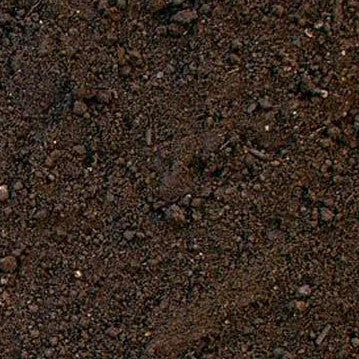
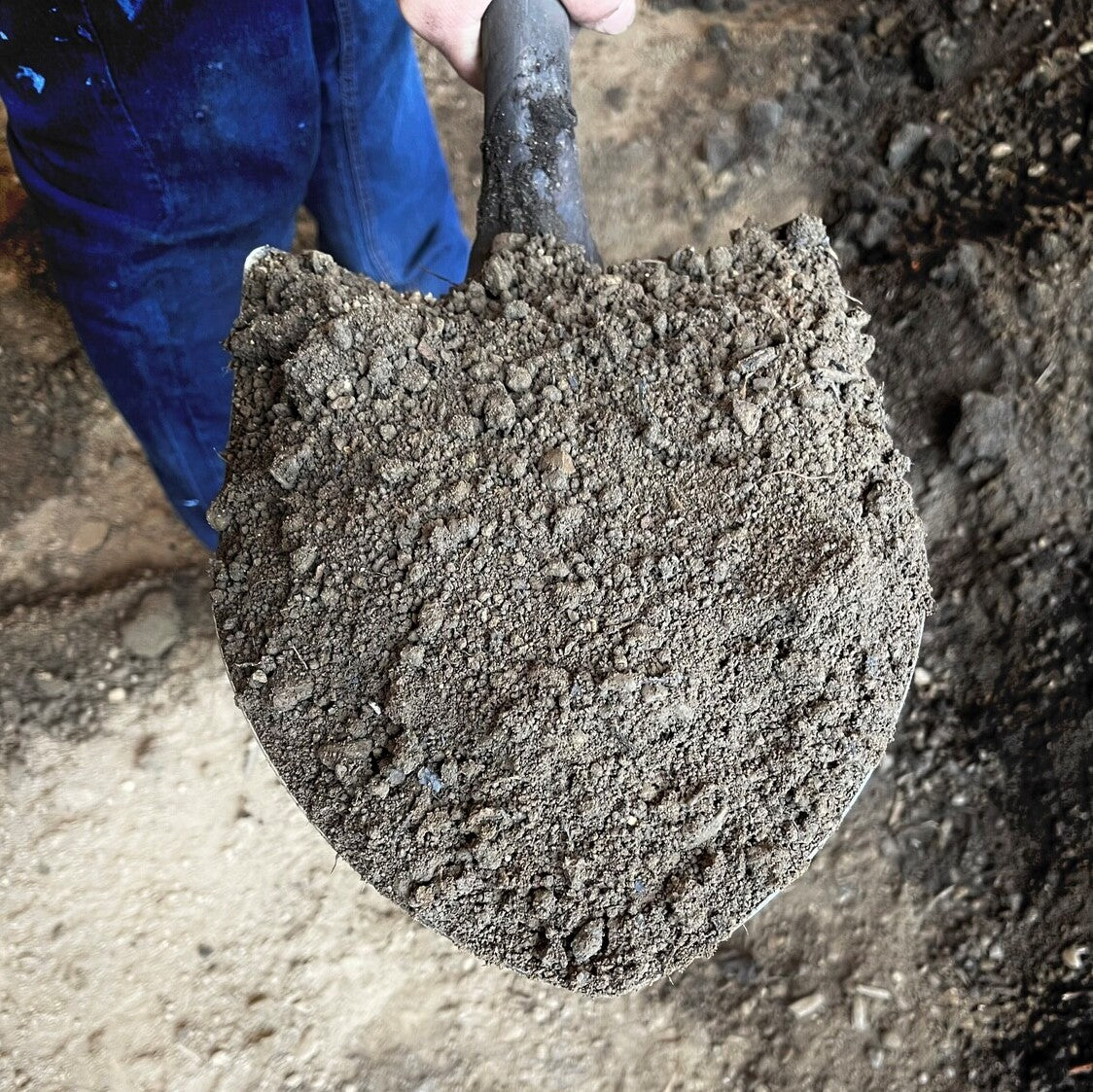
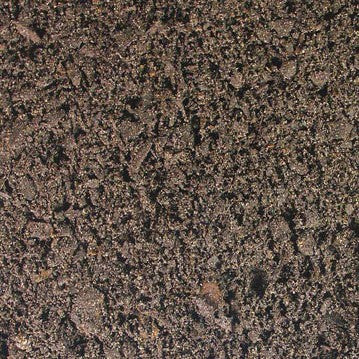
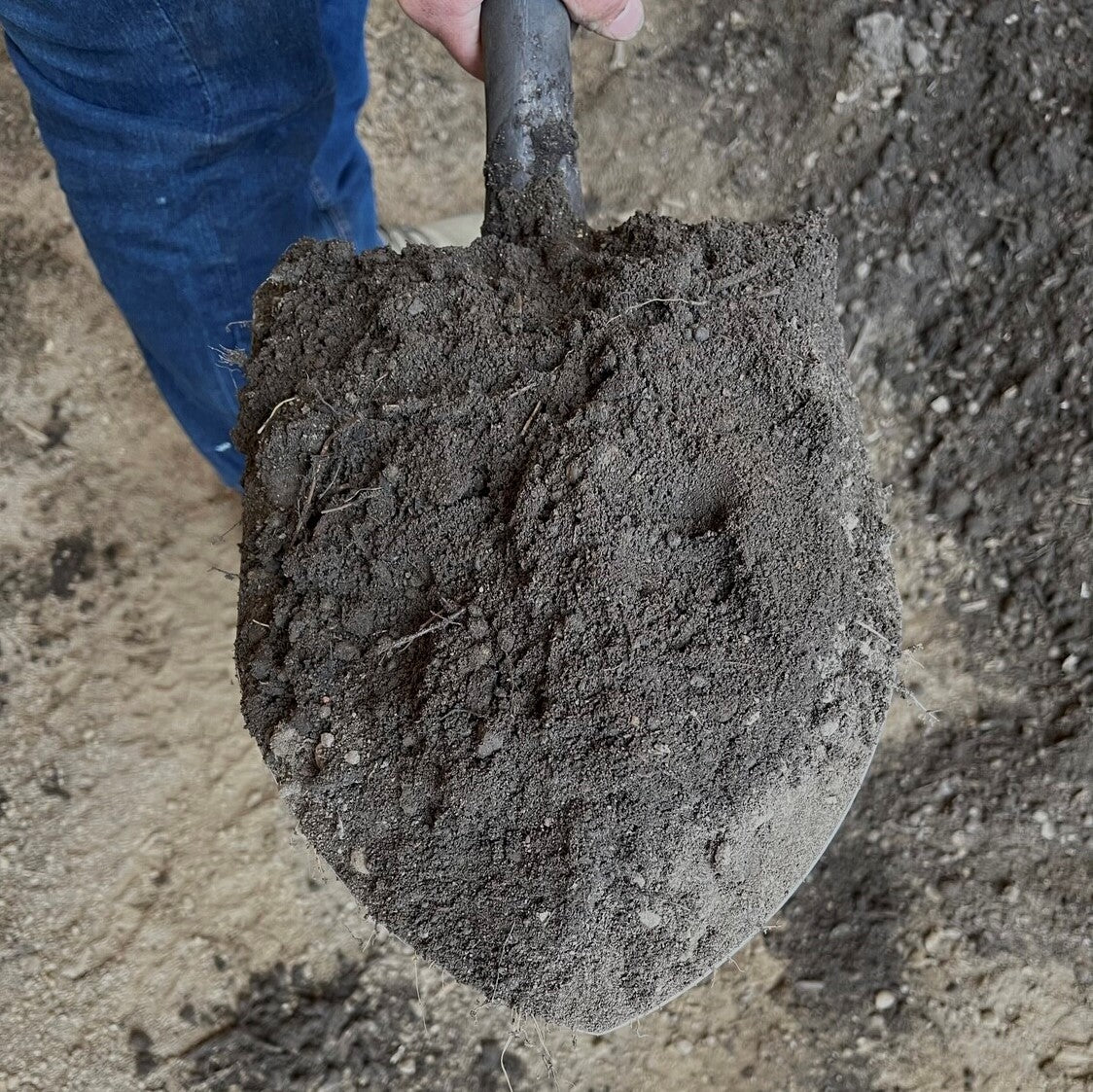
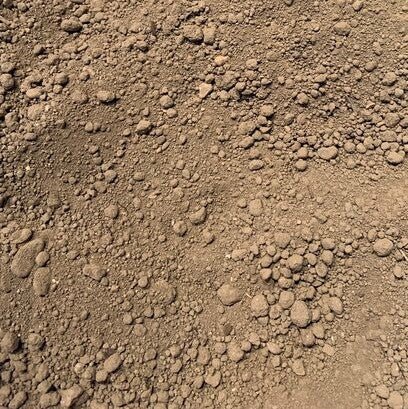
Quality topsoil for lawns, gardens, and landscape projects. Nutrient rich and ready to support strong root development and healthy plant establishment.
Great service. We ordered topsoil from Mulch Mound and the best experience. Thank you so much!
Tell us what you're looking for
Thanks! We received your request.
Something went wrong. Please try again.
South Farmingdale Soil Delivery
South Farmingdale Soil Delivery
Regular price
$67.00
per
yard
Regular price
Sale price
$67.00
Unit price
per
Minimum of 3 yard
Couldn't load pickup availability
1 tree planted for every order
About this soil
Quality topsoil for lawns, gardens, and landscape projects. Nutrient rich and ready to support strong root development and healthy plant establishment.
Great service. We ordered topsoil from Mulch Mound and the best experience. Thank you so much!
How Much Material Do I Need?
How Much Material Do I Need?
For new planting beds and lawn areas in South Farmingdale, aim for at least 4 to 6 inches of quality topsoil to give roots room to establish above the fast-draining sandy loam below. For top-dressing established lawns, a half-inch to 1-inch layer is typically enough to improve the soil surface without smothering existing turf.
Use our free soil calculator
What is a yard?
What is a yard?
FAQs
FAQs
Tell us what you're looking for
Thanks! We received your request.
Something went wrong. Please try again.
How It Works
Getting started is easy — just follow these simple steps
1
Choose your soil
Make sure you adjust the quantity to your home's needs. You can use our calculator to estimate how much you'll need.
2
Select your delivery date
Select a delivery date you'd like for the product to be dropped off at your home
3
Sit back and wait
Sit back, wait, and let us work our magic to make sure the highest quality product is delivered to your driveway.

Easy to order online and easy to pick when I wanted it delivered

Need Help Calculating How Much Soil You Need?
Use our NEW Trace from Satellite tool to get an estimate for your project based on an aerial view of your property
Try Our CalculatorTo calculate how much soil you need in South Farmingdale, measure the area you are covering in square feet and decide on your target depth. Dividing square footage by 100 gives you cubic yards needed at a 3-inch depth, and at 4 inches you divide by 81. For South Farmingdale lawn leveling projects, keep in mind that sandy loam topsoil settles slightly over the first season, so ordering a modest overage helps you achieve the finished grade you are after.
Complete Your Outdoor Soil Project
After grading and soil work, finishing your beds with a layer of bulk mulch is the natural next step for South Farmingdale homeowners, as mulch locks in the moisture that sandy loam topsoil would otherwise lose quickly to drainage. Stone borders and edging materials also complement fresh soil work by defining beds cleanly and preventing soil migration during heavier rain events.


Areas We Deliver Soil in South Farmingdale, New York
No cities found for this region.
Mulch Mound Pro Tip
South Farmingdale's sandy loam is a workable starting point but it benefits enormously from organic enrichment over time. When you bring in bulk topsoil or garden soil, mix the top few inches of new material into the existing native soil rather than simply layering it on top. This blending approach prevents a sharp textural boundary that can interrupt drainage and root growth, and it helps the new soil integrate naturally with what is already in the ground.
Mulch Mound Pro Tip
Timing your soil work around South Farmingdale's frost calendar makes a real difference in the outcome. For spring projects, wait until after April 15 when the ground has fully thawed and firmed up, so you are not working saturated soil that will compact under foot traffic and wheelbarrow loads. For fall projects, finishing grade work and seeding by mid-September gives new grass enough time to root before November 15 brings the growing season to a close.
Mulch Mound Pro Tip
If you are building raised vegetable beds in South Farmingdale, consider making them at least 12 inches deep rather than the standard 6 to 8 inches. The naturally fast-draining sandy loam beneath the raised bed will pull moisture downward quickly, and a deeper soil volume holds a larger water reserve that keeps roots productive during dry stretches mid-season. This added depth also extends your effective growing window at both ends of the frost calendar.
The Unique Landscape of South Farmingdale
South Farmingdale sits on a predominantly sandy loam base that is easy to work but falls short on nutrient retention and organic content, making it a mixed blessing for homeowners trying to grow healthy lawns and gardens. The fast-draining nature of sandy loam means nutrients leach downward after rain, so garden beds and lawn areas benefit greatly from quality topsoil or enriched soil blends that hold fertility longer. With a growing season stretching from the April 15 last frost to the November 15 first frost, South Farmingdale homeowners have a long window to establish new beds, level low spots in lawns, and build out raised growing areas. Grade work around foundations and along property lines is also a common need here, and quality fill soil helps direct the 45 inches of annual rainfall away from structures and toward planted areas where it can do some good. Whether you are starting a vegetable garden, repairing winter damage to a lawn, or building up a raised bed from scratch, having the right soil delivered in bulk saves significant time and money compared to bagged alternatives.
Explore other options for landscape supply delivery in South farmingdale, New york