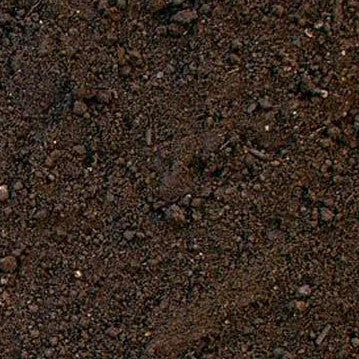
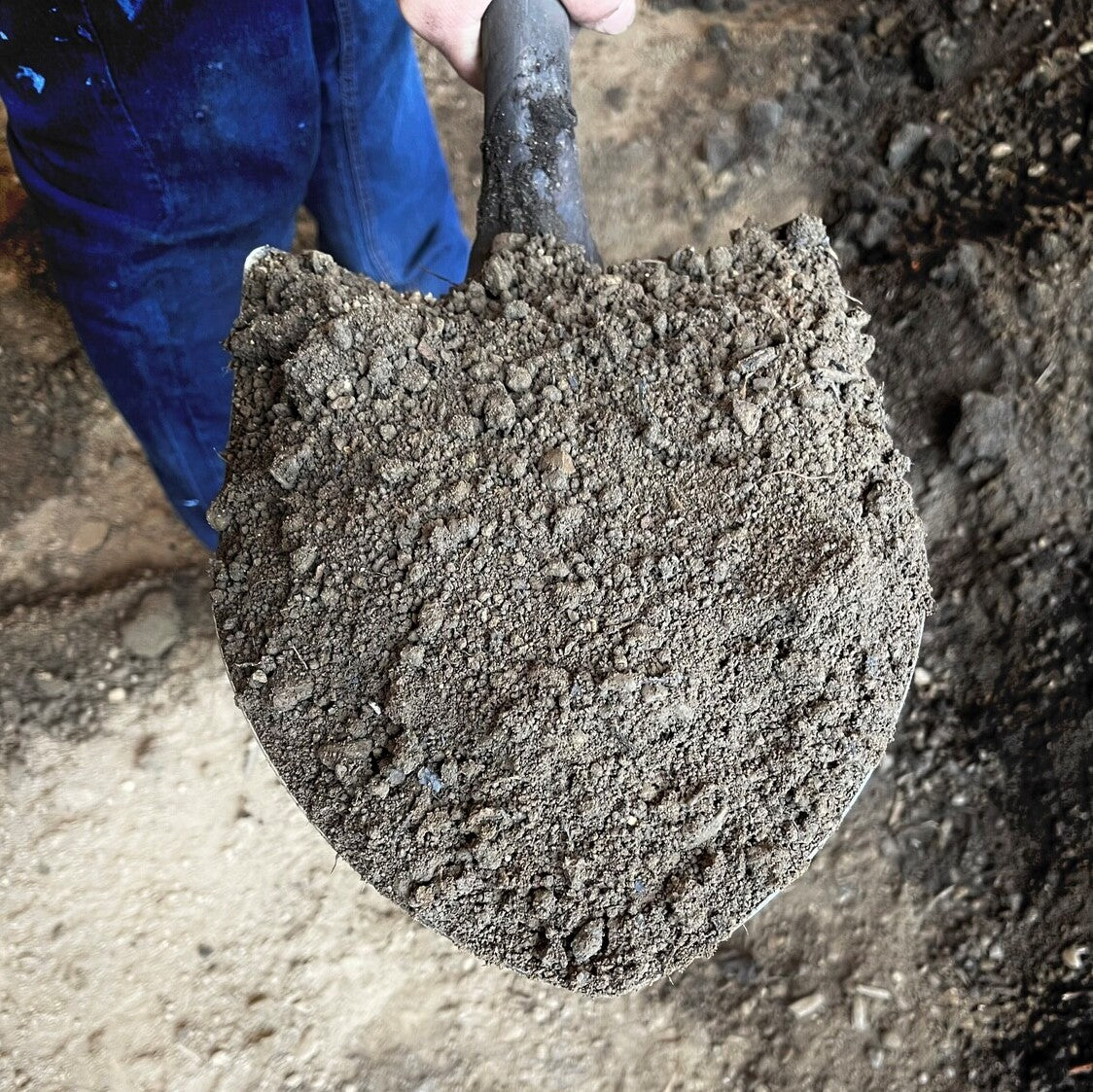
Quality topsoil for lawns, gardens, and landscape projects. Nutrient rich and ready to support strong root development and healthy plant establishment.
Great experience - not only was this the most affordable option for dirt delivery in Cleveland heights, but the delivery was fast and friendly. Got exactly what I needed and the truck got as close as possible to where I needed the dirt - even in my cramped driveway. Will be us...
Tell us what you're looking for
Thanks! We received your request.
Something went wrong. Please try again.
How Much Material Do I Need?
For new planting beds and lawn areas in South Farmingdale, aim for at least 4 to 6 inches of quality topsoil to give roots room to establish above the fast-draining sandy loam below. For top-dressing established lawns, a half-inch to 1-inch layer is typically enough to improve the soil surface without smothering existing turf.
Use our free soil calculator
What is a yard?
A yard is approximately 27 cubic feet. As a general guideline, one yard of material can cover an area of about 100-160 square feet at a 2-3 inch depth.
We can't take orders for this right now. Tell us what you need and we'll get back to you.
What do you need?
Thanks! We received your request.
Something went wrong. Please try again.
Hand-picked local yards
4,000+ regional deliveries
Dedicated support
Why order through Mulch Mound
The best local soil, without the guesswork.
We hand-pick and partner with the best yards in your region, keep only the ones our buyers rate well, and back each load with our guarantee.
Mulch Mound Guarantee
If your soil isn't the quantity or quality you ordered, we'll make it right.
About this soil
Quality topsoil for lawns, gardens, and landscape projects. Nutrient rich and ready to support strong root development and healthy plant establishment.
Great experience - not only was this the most affordable option for dirt delivery in Cleveland heights, but the delivery was fast and friendly. Got exactly what I needed and the truck got as close as possible to where I needed the dirt - even in my cramped driveway. Will be us...
How Much Material Do I Need?
For new planting beds and lawn areas in South Farmingdale, aim for at least 4 to 6 inches of quality topsoil to give roots room to establish above the fast-draining sandy loam below. For top-dressing established lawns, a half-inch to 1-inch layer is typically enough to improve the soil surface without smothering existing turf.
Use our free soil calculator
What is a yard?
A yard is approximately 27 cubic feet. As a general guideline, one yard of material can cover an area of about 100-160 square feet at a 2-3 inch depth.
Great experience - not only was this the most affordable option for dirt delivery in Cleveland heights, but the delivery was fast and friendly. Got...
Read full review
Great experience - not only was this the most affordable option for dirt delivery in Cleveland heights, but the delivery was fast and friendly. Got exactly what I needed and the truck got as close as possible to where I needed the dirt - even in my cramped driveway. Will be using again and recommending to my neighbors.
To calculate how much soil you need in South Farmingdale, measure the area you are covering in square feet and decide on your target depth. Dividing square footage by 100 gives you cubic yards needed at a 3-inch depth, and at 4 inches you divide by 81. For South Farmingdale lawn leveling projects, keep in mind that sandy loam topsoil settles slightly over the first season, so ordering a modest overage helps you achieve the finished grade you are after.
Soil Types We Deliver in South Farmingdale
Mulch Mound offers bulk soil delivery by the cubic yard to residential and commercial customers looking to upgrade their lawns and gardens. Whether you need bulk topsoil by the yard in South Farmingdale or a nutrient-rich organic amendment, we carry the varieties that complement Long Island's sandy native soil. Orders arrive at your driveway or job site ready to spread.
Screened Top Soil
Our screened topsoil is a clean, finely sifted blend ideal for topdressing lawns, filling low spots, and establishing new planting beds. It delivers the nutrient-rich base that Long Island gardens need, supporting strong root development and healthy growth across a wide range of plants and turf varieties.
Garden Compost
Standard garden compost is a rich organic amendment that improves soil structure and feeds your plants over time. It works especially well in the sandy soils common across this part of Long Island, adding moisture retention and microbial life to raised beds, vegetable gardens, and established planting areas.
Gardening Blend
Our standard gardening blend combines topsoil and compost into a ready-to-use mix that takes the guesswork out of planting. It is a smart choice for raised beds and new garden installs throughout the region, giving plants a fertile, well-balanced growing medium from the first day of use.
Complete Your Outdoor Soil Project
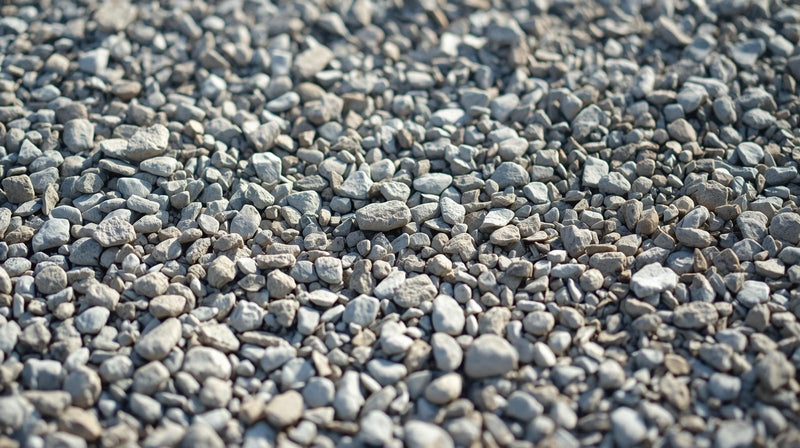
After grading and soil work, finishing your beds with a layer of bulk mulch is the natural next step for South Farmingdale homeowners, as mulch locks in the moisture that sandy loam topsoil would otherwise lose quickly to drainage. Stone borders and edging materials also complement fresh soil work by defining beds cleanly and preventing soil migration during heavier rain events.
My lawn has a lot of low spots that collect water after it rains. What kind of soil should I use to level it out?
For lawn leveling in South Farmingdale, a sandy loam topsoil blend works best because it matches the existing soil profile and will not create a hard layer that grass roots struggle to penetrate. Apply it in thin passes of no more than half an inch at a time, working it into the turf rather than smothering it. Given South Farmingdale's 45 inches of annual rain, correcting those low spots also helps prevent the standing water that promotes turf disease and moss.
Answer
Can I just use my existing yard soil for a raised garden bed?
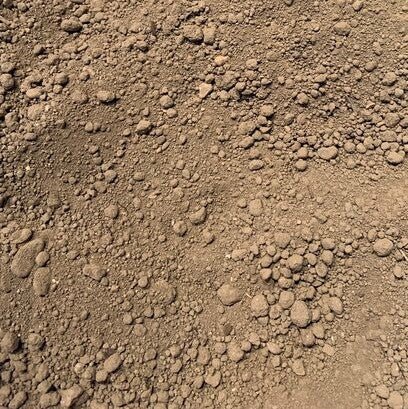
The native sandy loam in South Farmingdale drains well but it lacks the organic matter and nutrient density that a productive vegetable or flower bed needs. For raised beds, a quality garden soil blend with added compost will hold moisture and nutrients far better than straight sandy loam, giving your plants a much stronger start through the long growing season.
Answer
How much topsoil do I need to establish a new lawn from seed?
For new lawn establishment in South Farmingdale, you generally want 4 to 6 inches of quality topsoil to give grass roots enough depth to establish before the first frost on November 15. If you are overseeding an existing lawn with thin or bare spots, a half-inch to 1-inch top-dress is usually sufficient to improve seed-to-soil contact without smothering existing turf.
Answer
When is the best time to add topsoil and reseed bare lawn areas?
In South Farmingdale, late August through mid-September is the prime window for lawn repair using topsoil and seed. Cool-season grasses establish well in warm soil temperatures of early fall, have time to root before the November 15 first frost, and benefit from the natural rainfall that often arrives in September and October. Spring seeding after April 15 is a secondary option but faces considerably more weed competition.
Answer
Is bulk topsoil safe and appropriate to use in a vegetable garden?
Quality bulk topsoil is appropriate for filling around raised bed frames and building up garden areas in South Farmingdale, but for the actual growing medium inside a raised vegetable bed, a garden soil or soil-compost blend is the better choice. Pure topsoil can compact over time, while a blended garden mix stays loose and provides the nutrients vegetable crops need through the full growing season.
Answer
My yard slopes toward my house foundation. Can adding soil fix that grading problem?
Yes, regrading with fill soil is a common and effective solution in South Farmingdale. The goal is to establish a slope that drops about 6 inches over the first 10 feet away from the foundation. Given that South Farmingdale receives 45 inches of rain per year, proper grading around a foundation is a genuine investment in protecting your home from water intrusion and long-term erosion around the base.
Answer
How do I know whether I need topsoil or fill soil for my project?
Fill soil is used to build up grade, fill low areas, or provide structural support beneath hardscapes, while topsoil is intended for the upper layer where plants and grass will actually grow. In South Farmingdale, many projects use both, with fill soil to establish the right grade and topsoil on top to support lawn or planting. If anything will be growing in it, finish with at least 4 inches of quality topsoil.
Mulch Mound Pro Tip
South Farmingdale's sandy loam is a workable starting point but it benefits enormously from organic enrichment over time. When you bring in bulk topsoil or garden soil, mix the top few inches of new material into the existing native soil rather than simply layering it on top. This blending approach prevents a sharp textural boundary that can interrupt drainage and root growth, and it helps the new soil integrate naturally with what is already in the ground.
Mulch Mound Pro Tip
Timing your soil work around South Farmingdale's frost calendar makes a real difference in the outcome. For spring projects, wait until after April 15 when the ground has fully thawed and firmed up, so you are not working saturated soil that will compact under foot traffic and wheelbarrow loads. For fall projects, finishing grade work and seeding by mid-September gives new grass enough time to root before November 15 brings the growing season to a close.
Mulch Mound Pro Tip
If you are building raised vegetable beds in South Farmingdale, consider making them at least 12 inches deep rather than the standard 6 to 8 inches. The naturally fast-draining sandy loam beneath the raised bed will pull moisture downward quickly, and a deeper soil volume holds a larger water reserve that keeps roots productive during dry stretches mid-season. This added depth also extends your effective growing window at both ends of the frost calendar.
The Unique Landscape of South Farmingdale
South Farmingdale sits on a predominantly sandy loam base that is easy to work but falls short on nutrient retention and organic content, making it a mixed blessing for homeowners trying to grow healthy lawns and gardens. The fast-draining nature of sandy loam means nutrients leach downward after rain, so garden beds and lawn areas benefit greatly from quality topsoil or enriched soil blends that hold fertility longer. With a growing season stretching from the April 15 last frost to the November 15 first frost, South Farmingdale homeowners have a long window to establish new beds, level low spots in lawns, and build out raised growing areas. Grade work around foundations and along property lines is also a common need here, and quality fill soil helps direct the 45 inches of annual rainfall away from structures and toward planted areas where it can do some good. Whether you are starting a vegetable garden, repairing winter damage to a lawn, or building up a raised bed from scratch, having the right soil delivered in bulk saves significant time and money compared to bagged alternatives.