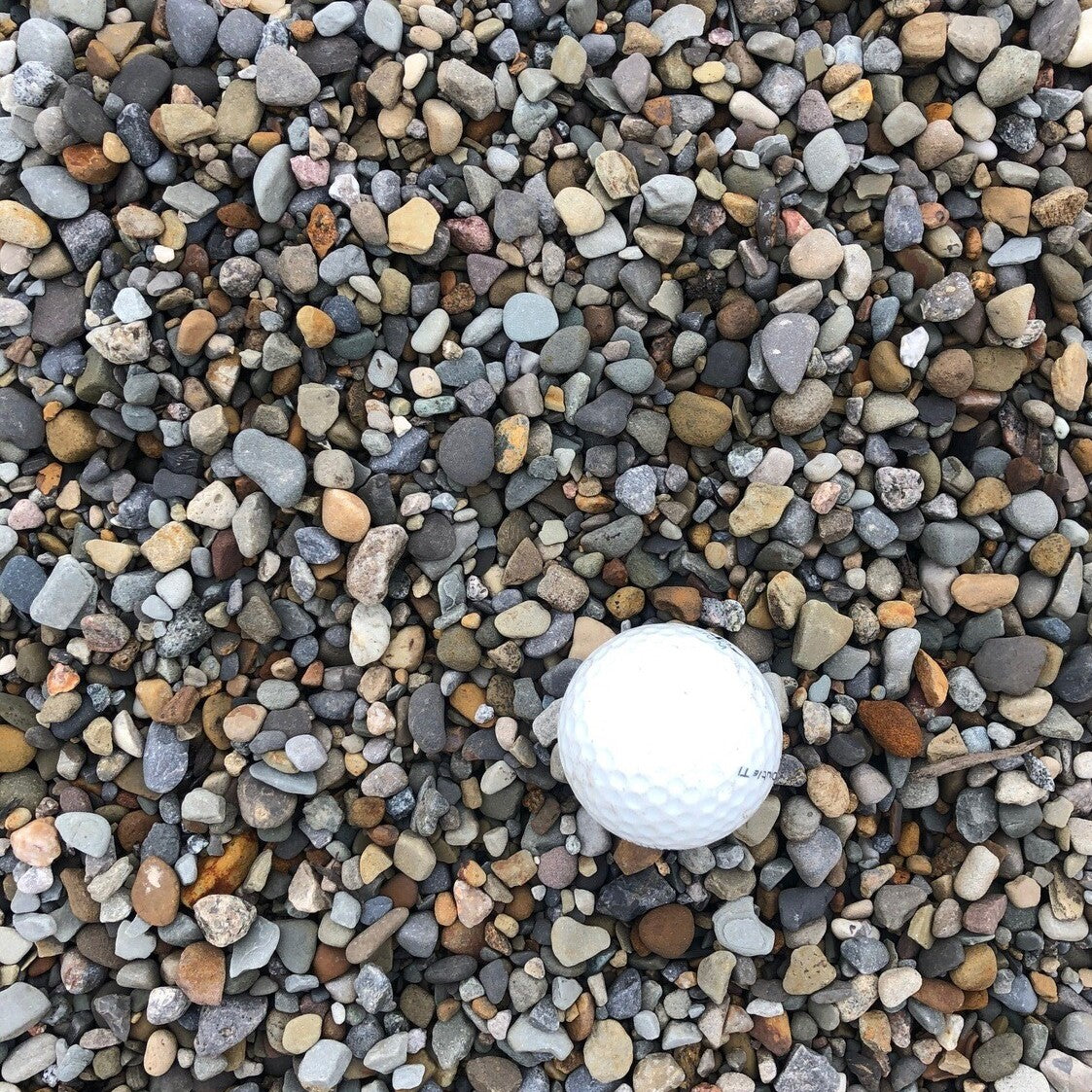
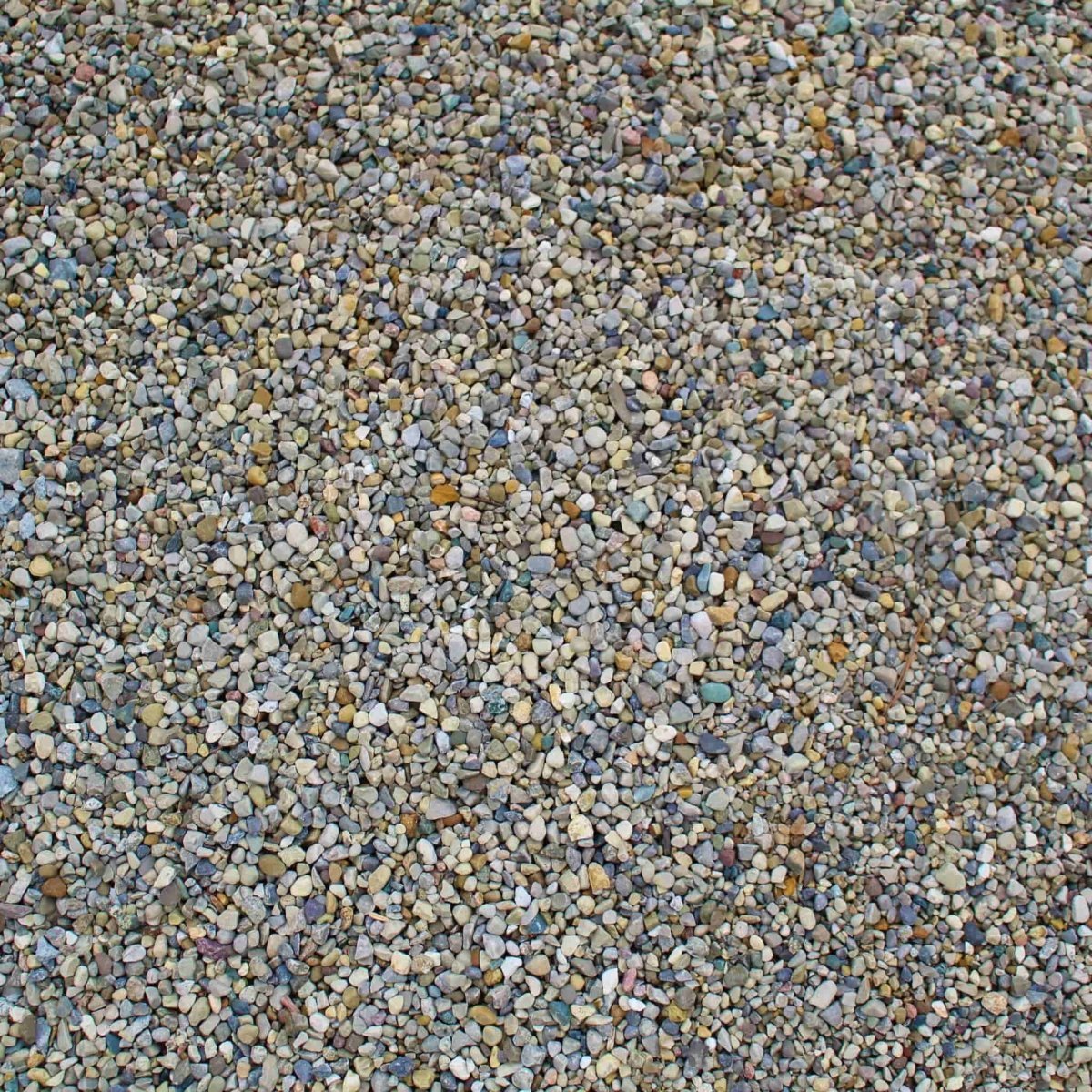
Classic pea gravel with smooth, rounded edges and natural earth tones. A versatile favorite for pathways, patios, drainage, and decorative ground cover.
Classic pea gravel with smooth, rounded edges and natural earth tones. A versatile favorite for pathways, patios, drainage, and decorative ground cover.
The driver nailed it on putting the gravel I ordered in front of my trailer and between the sidewalk. Very satisfied with how my flowerbeds look now.
How Much Material Do I Need?
For most decorative and border applications in South Farmingdale, a 3-inch stone layer provides solid weed suppression and visual coverage without over-ordering. For drainage beds and French drain applications where the sandy loam needs supplemental flow management, plan for at least 6 inches of clean crushed stone to achieve reliable performance.
Use our free stone calculator
What is a yard?
A yard is approximately 27 cubic feet. As a general guideline, one yard of material can cover an area of about 100-160 square feet at a 2-3 inch depth.
Measuring for stone in South Farmingdale starts with mapping out each area you plan to cover, calculating square footage, and settling on a target depth. For decorative and pathway stone, 3 inches is a reliable standard, while drainage applications may call for 6 inches or more. Because stone does not compress the way mulch does, your ordered quantity translates more predictably to finished coverage, though ordering about 10 percent extra is still a good habit on any outdoor project.
Complete Your Outdoor Stone Project
Stone borders pair exceptionally well with mulched planting beds in South Farmingdale, with the stone providing a clean, stable edge that keeps mulch from washing into lawn areas during heavier rainfall events. Adding quality topsoil to raised planting areas adjacent to your stone work gives plants the nutrient-rich growing medium they need while the stone handles drainage and structural definition.
South Farmingdale's sandy loam naturally drains well, which makes it an ideal base for stone pathway and patio installations. Unlike clay soils that shift and heave when saturated, your sandy loam substrate provides a stable foundation that resists frost heaving better than many other soil types on Long Island. Raking and compacting a 2-inch layer of stone dust or crusher run beneath your surface stone still adds a welcome measure of stability that keeps pathways level through many seasons of freeze-thaw cycles.
Mulch Mound Pro Tip
If you are installing stone in a planting bed as a permanent groundcover, landscape fabric choice matters as much as stone depth. In South Farmingdale's 45-inch annual rainfall environment, woven geotextile fabric outperforms standard plastic sheeting because it allows water to pass through while still blocking weed growth from below. Plastic sheeting creates pooling and can suffocate soil biology over time, while woven fabric keeps beds healthy and fully functional season after season.
Mulch Mound Pro Tip
Consider using larger river rock or fieldstone along the downhill edges of your South Farmingdale property to slow water movement during heavier rain events. Sandy loam sheds water quickly when it becomes saturated, and strategically placed stone along slopes and borders acts as a natural brake on runoff, reducing erosion and keeping your topsoil where you want it. This approach combines practical function and natural aesthetics in a way that requires virtually no ongoing maintenance after installation.
The Unique Landscape of South Farmingdale
Stone is one of the most versatile and low-maintenance landscape materials available to South Farmingdale homeowners, offering solutions that work with the local sandy loam soil rather than against it. Because sandy loam drains so readily, it pairs naturally with permeable stone groundcovers and pathways that keep surfaces dry and stable without creating runoff concerns. South Farmingdale receives around 45 inches of rain annually, and stone-lined drainage channels, dry creek beds, and foundation borders are practical ways to direct that water away from structures and sensitive planting areas. The Zone 7b climate means freeze-thaw cycles are a reality every winter, and properly installed stone holds up far better through those cycles than many organic or synthetic alternatives. From decorative garden borders to functional drainage beds, stone adds structure and permanence to landscapes that need to perform through South Farmingdale's long growing season and well beyond.
Frequently Asked Questions
Click a question to see the answer
Answer
What kind of stone works best for a backyard pathway in South Farmingdale?
For a residential pathway in South Farmingdale, crushed stone or pea gravel in the 3/8-inch to 3/4-inch range is a popular choice because it compacts lightly underfoot and allows rainwater to drain straight through rather than pooling on the surface. The sandy loam below drains quickly on its own, so permeable stone pathways work especially well here and do not require elaborate drainage solutions beneath them.
Answer
Can I use stone to help with drainage in a low spot in my yard?
Absolutely, and it is one of the most effective long-term solutions for South Farmingdale properties. A French drain filled with clean crushed stone, or a dry creek bed lined with river rock, can redirect the 45 inches of annual rainfall away from low spots and toward a more appropriate outlet. Stone drainage installations do not rot, compress, or require seasonal maintenance the way organic fill materials would.
Answer
Will decorative stone along my foundation help protect it from water damage?
A gravel or crushed stone border along your foundation is a smart choice in South Farmingdale. It keeps the soil immediately adjacent to your home from staying saturated after rain, promotes surface evaporation, and discourages the slow moisture accumulation that damages foundation materials over time. Pair it with proper grading and you have a straightforward two-part water management approach that works with the area's annual rainfall pattern.
Answer
Does stone need any maintenance after it is installed?
Stone is one of the lowest-maintenance landscape materials you can install in South Farmingdale. It does not decompose the way mulch does and holds its appearance through Zone 7b winters without fading or breaking down. The main maintenance task is occasional raking to redistribute stone that shifts over time, and in the fall, removing leaf and organic debris that settles into the surface as South Farmingdale's deciduous trees drop their leaves.
Answer
How deep should I install stone for a driveway border or garden edging?
For decorative edging and garden borders in South Farmingdale, a 2-to-3-inch depth is usually sufficient to provide good coverage and visual impact. For drainage applications or pathway bases where you want stability underfoot, 4 to 6 inches gives you a more solid layer that resists shifting. The well-draining sandy loam below means you typically do not need additional drainage layers beneath decorative stone installations here.
Answer
What is the best stone for a low-maintenance area where I do not want to mow or weed?
For low-maintenance groundcover areas in South Farmingdale, a 3-to-4-inch layer of river rock or washed gravel over a quality woven landscape fabric works very well. The stone suppresses weeds effectively through the full growing season, which runs from April 15 to November 15 in Zone 7b, and the permeable surface allows South Farmingdale's rainfall to pass through naturally without pooling. This setup requires far less upkeep than mulched areas that need refreshing every year.
Answer
How much stone do I need for a typical front yard border project?
For a front yard border bed in South Farmingdale, measure the length and width of the area in feet, multiply for square footage, then use a depth of 3 inches as your baseline. Dividing the square footage by 100 gives you an approximate cubic yard estimate for that depth. Stone is denser than mulch, so a cubic yard covers less ground but stays in place much better through the wind and rainfall events South Farmingdale sees each year.





 +5
+5



