Start with your project footprint. Spartanburg lawn smoothing takes minimal depth while raised bed fills need 10 to 12 inches.
Use our free soil calculator
What is a yard?
A yard is approximately 27 cubic feet. As a general guideline, one yard of material can cover an area of about 10 feet by 10 feet at a few inches deep.
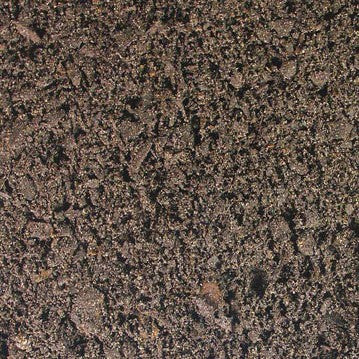
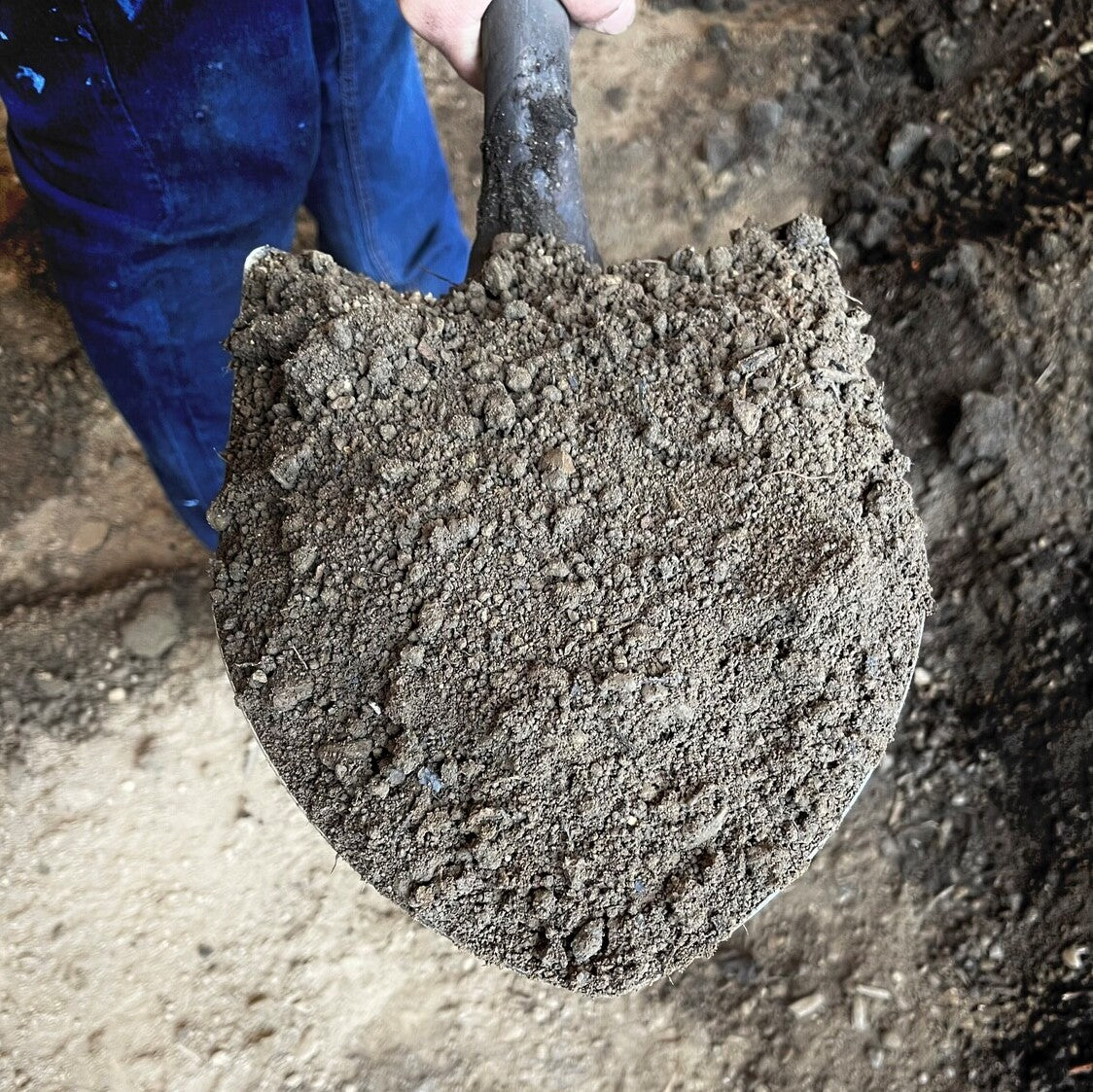
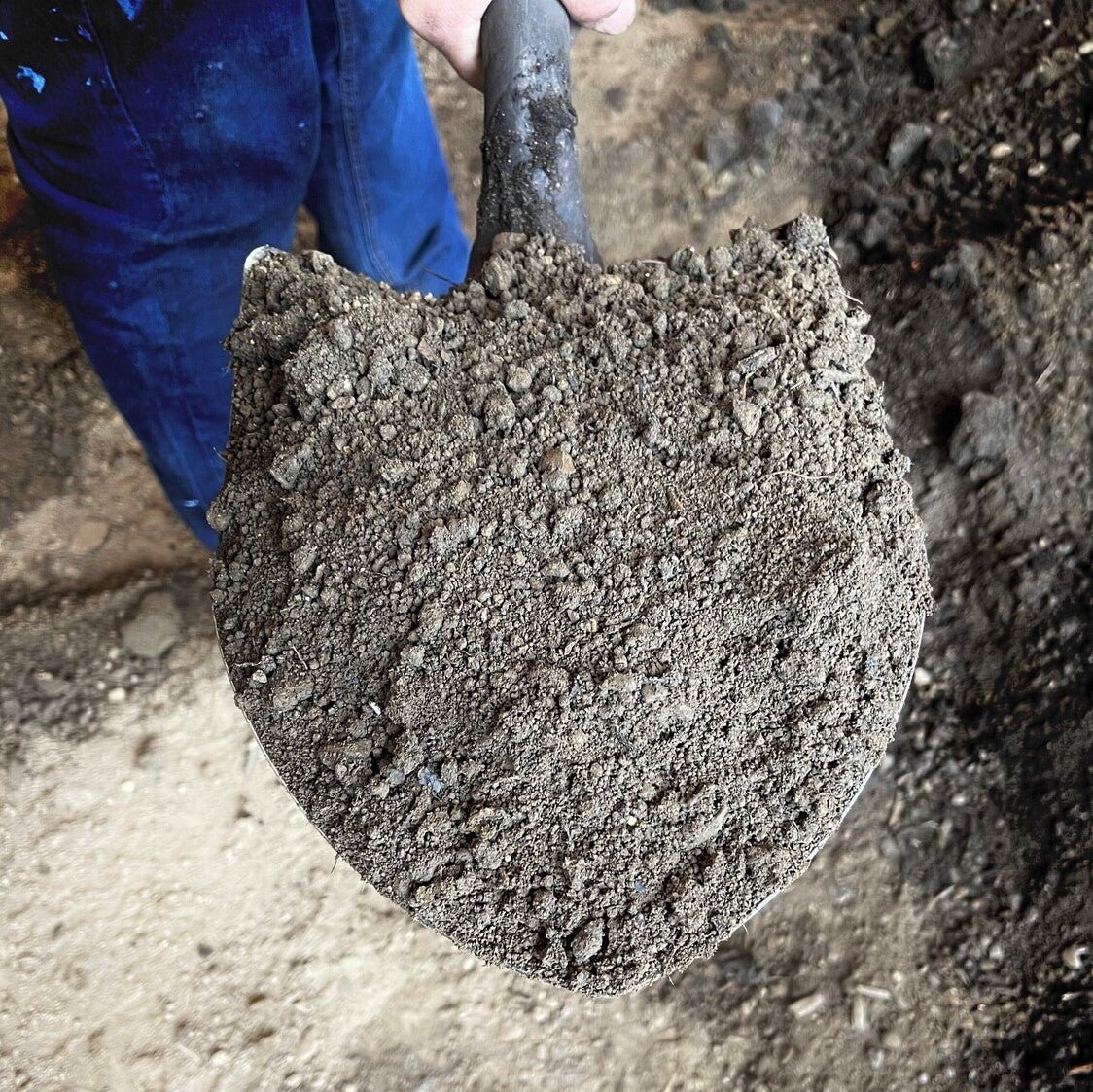
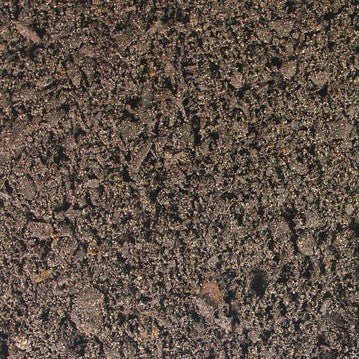
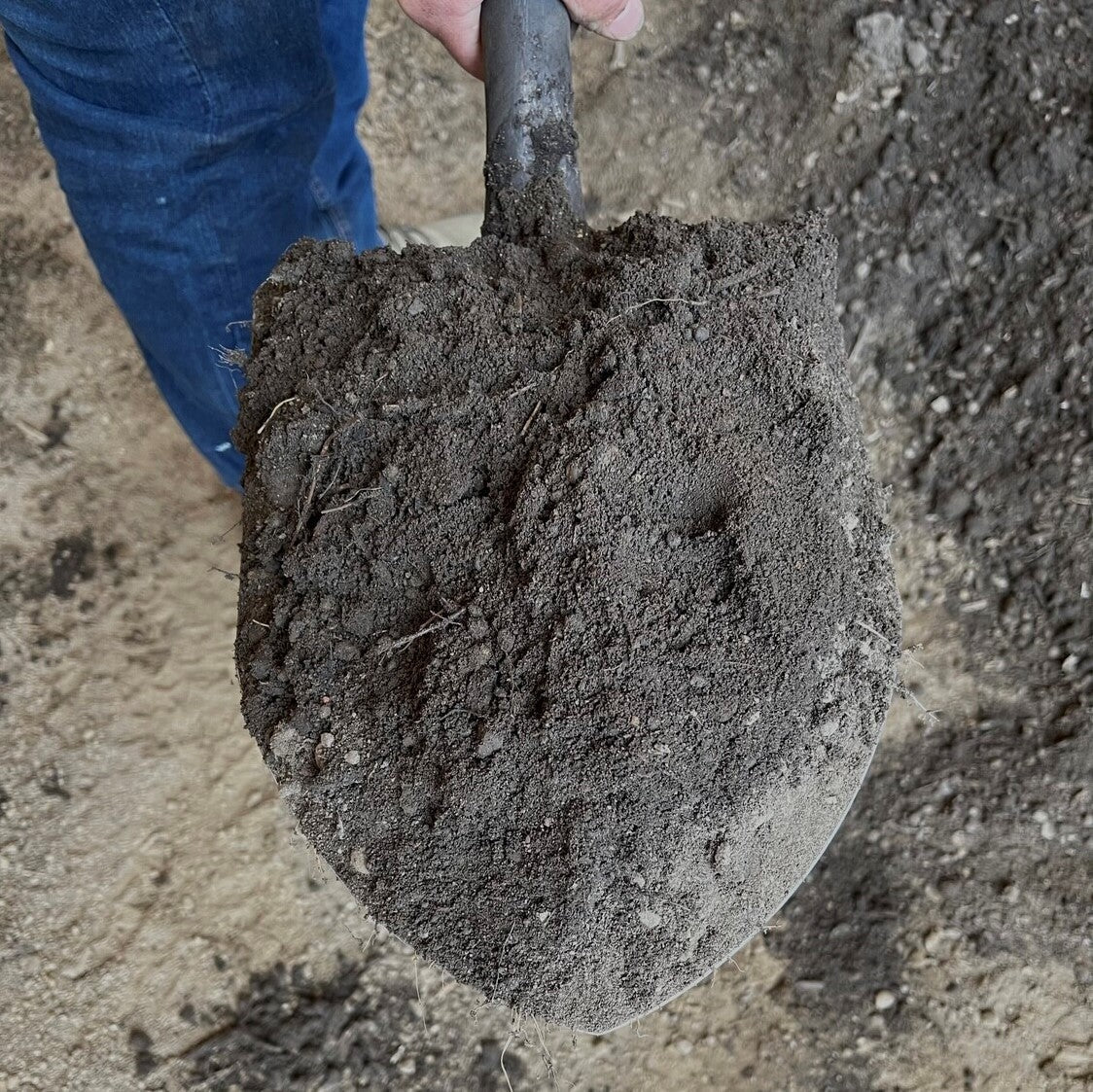
A balanced mix of topsoil and organic amendments ready for raised beds, flower gardens, and new planting areas. Good drainage, solid nutrients, easy to work with.
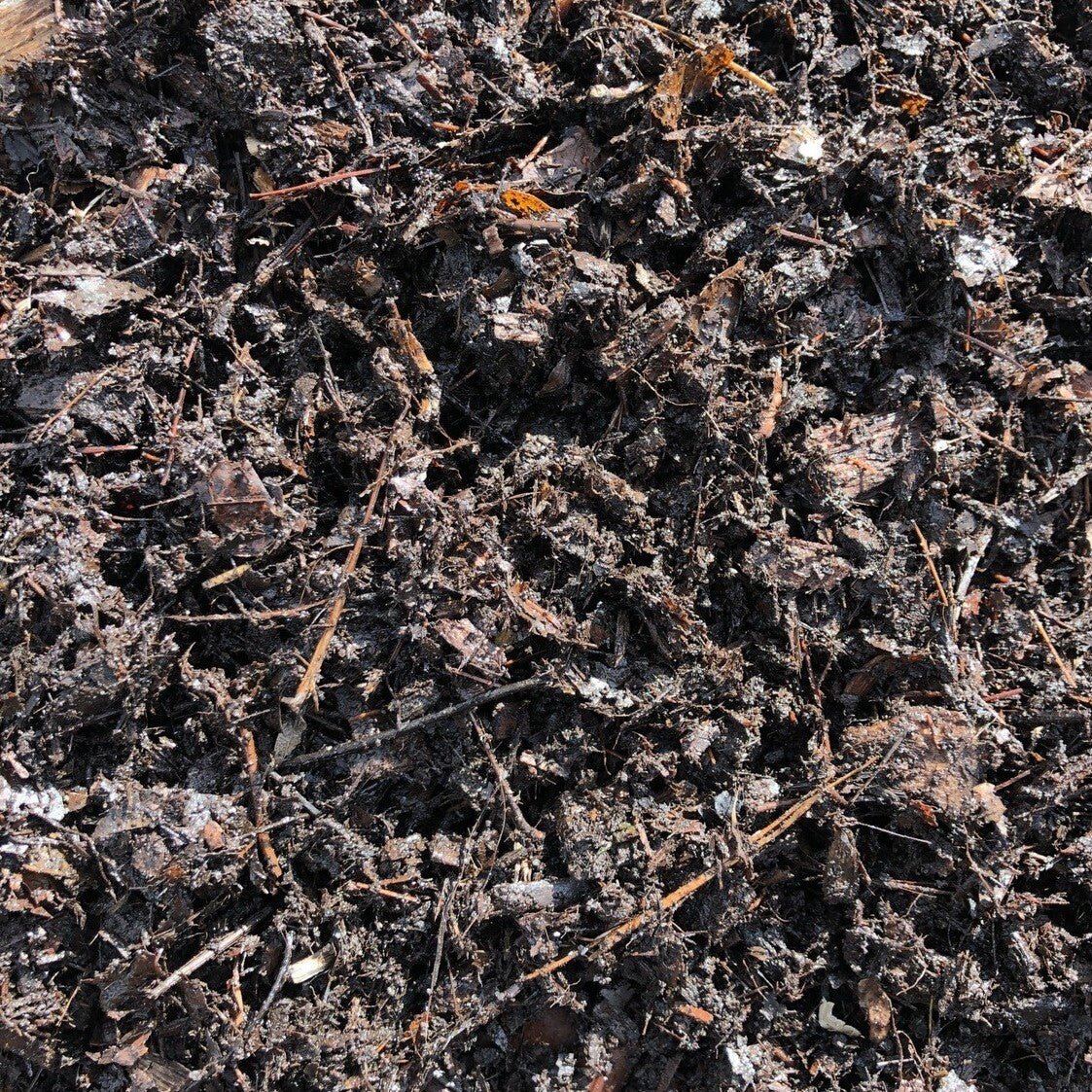
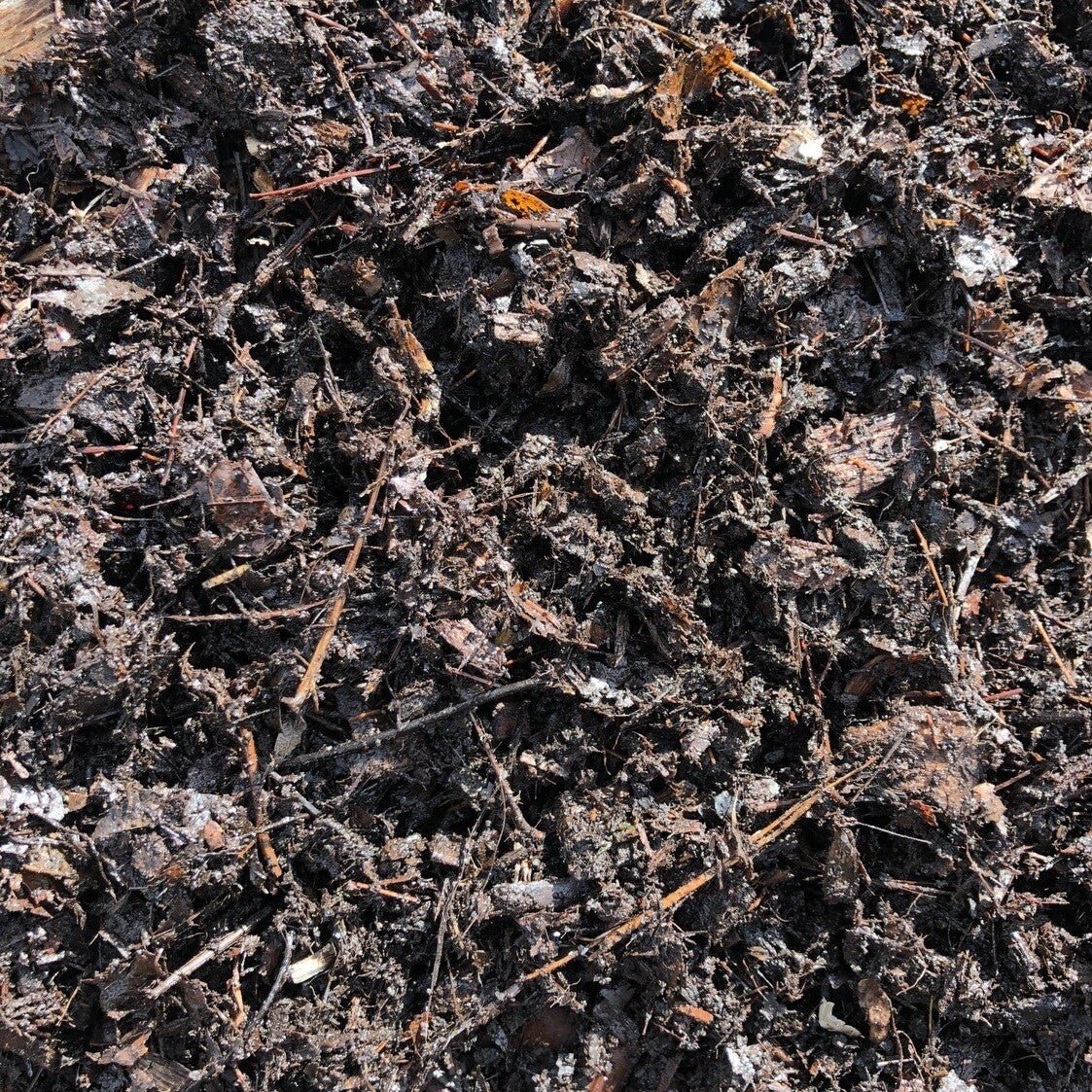
Nutrient rich leaf compost that transforms tired soil. Improves structure, boosts water retention, and feeds the beneficial microorganisms that keep gardens healthy.
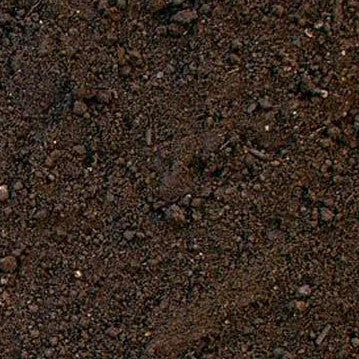
A balanced mix of topsoil and organic amendments ready for raised beds, flower gardens, and new planting areas. Good drainage, solid nutrients, easy to work with.
Nutrient rich leaf compost that transforms tired soil. Improves structure, boosts water retention, and feeds the beneficial microorganisms that keep gardens healthy.
A balanced mix of topsoil and organic amendments ready for raised beds, flower gardens, and new planting areas. Good drainage, solid nutrients, easy to work with.
Nutrient rich leaf compost that transforms tired soil. Improves structure, boosts water retention, and feeds the beneficial microorganisms that keep gardens healthy.
A balanced mix of topsoil and organic amendments ready for raised beds, flower gardens, and new planting areas. Good drainage, solid nutrients, easy to work with.
Nutrient rich leaf compost that transforms tired soil. Improves structure, boosts water retention, and feeds the beneficial microorganisms that keep gardens healthy.
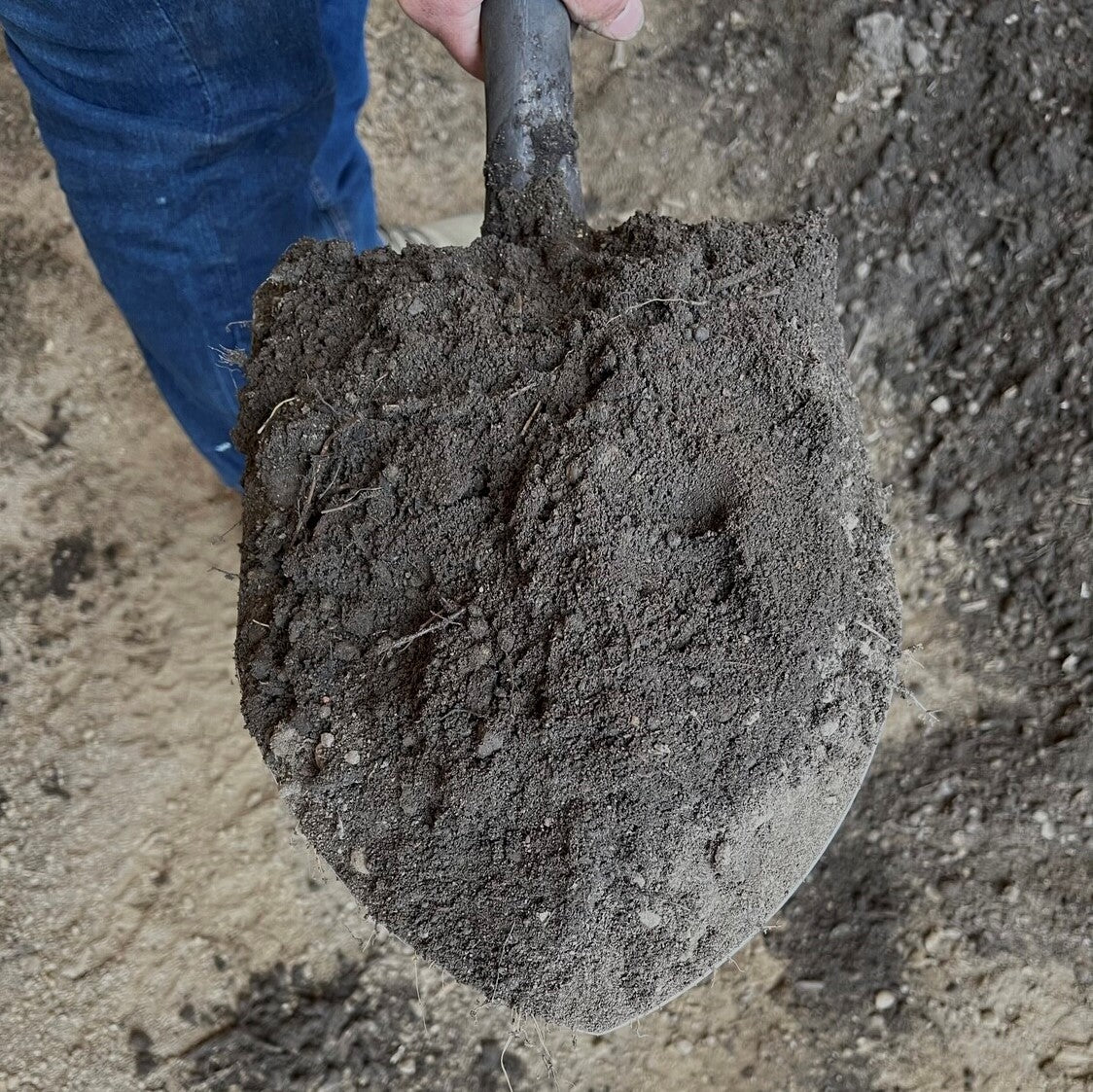
Quality topsoil for lawns, gardens, and landscape projects. Nutrient rich and ready to support strong root development and healthy plant establishment.
Ordered online which was very convenient for me arrived when they said dumped it where I asked him to he was very professional in his job gave me w...
Read full review
Ordered online which was very convenient for me arrived when they said dumped it where I asked him to he was very professional in his job gave me what I needed to fill these areas and more will be returning for mulch soil was of prime material
Planning a soil project in Spartanburg? Use the satellite trace tool to map your area and estimate yardage at different depths. Light fills level lawns; heavier depths prep beds for planting in our humid subtropical climate.
Complete Your Outdoor Soil Project
Start with soil, finish with mulch and stone in Spartanburg. Mulch protects your planting beds, stone defines edges. All three deliver together.
Walking on beds, rainfall, and low organic content cause compaction. Spartanburg's red clay is prone to this. Regular compost additions help.
Answer
How often should I add new soil?
Annual compost addition keeps raised beds productive—1–2 inches per year. Mulched in-ground beds need less frequent soil additions.
Answer
What's the difference between compost and topsoil?
Topsoil is mineral-based dirt for structure. Compost is decomposed organic matter for nutrition. Most gardens need both.
Answer
Do I need special soil for vegetables?
Yes—veggies want nutrient-rich, well-draining soil. Garden mix enriched with compost produces best results in Spartanburg.
Answer
What soil for containers?
Potting mix specifically. Garden soil clogs and compacts in containers. Potted plants require the lighter, airier structure of potting mix.
Answer
Is delivered soil safe for vegetables?
Garden soil from us is vegetable-safe—no treated materials or contamination. We offer organic mixes too if you prefer.
Answer
How deep should garden soil be?
Depth varies by use: 6–8 inches for flowers, 10–12 vegetables, 12+ raised beds. Spartanburg soil conditions favor going deeper.
Mulch Mound Pro Tip
Aerate compacted topsoil annually with a core aerator for healthiest lawns and beds. The plugs of soil removed create channels for air, water, and roots to penetrate dense compacted layers.
Mulch Mound Pro Tip
Spring is the best time to add topsoil in Spartanburg for most projects. Soil has fully thawed, seasonal rains help natural settling, and you have the entire growing season ahead for plants to establish.
Mulch Mound Pro Tip
Soil compaction from foot traffic and equipment reduces pore space where air and water move. Compacted soil is the number one cause of poor plant performance in residential landscapes.
The Unique Landscape of Spartanburg
Good soil is the base layer for Spartanburg planting—especially after cleanup, edging, or weed pulls. If your yard has spots that stay soggy or bake dry, better soil structure can help, so a fresh layer helps you re-level and plant cleanly. It works well for garden beds, tree rings, and backfilling after planting. Avoid burying stems and plant crowns; keep soil below them and mulch after planting. Delivery is just the practical part—less lifting and fewer trips.





 +1
+1


