







Skip to product information
1 of 20
St. Louis Mulch Delivery

St. Louis Mulch Delivery

St. Louis Mulch Delivery

Regular price $49.00 per yard
Regular price Sale price $49.00
Sale Sold out
Color
Style
Minimum of 3

Figure square footage times depth. A standard St. Louis project on silty clay runs 2 to 3 inches for solid coverage.
Use our free mulch calculator

A yard is approximately 27 cubic feet. As a general guideline, one yard of material can cover an area of about 10 feet by 10 feet at a few inches deep.

View full details

How It Works

Getting started is easy — just follow these simple steps

1

Choose your Mulch

Make sure you adjust the quantity to your home's needs. You can use our calculator to estimate how much you'll need.

2

Select your delivery date

Select a delivery date you'd like for the product to be dropped off at your home

3

Sit back and wait

Sit back, wait, and let us work our magic to make sure the highest quality product is delivered to your driveway.

What St. Louis Customers Are Saying

4.9
out of 5 based on 99 reviews
Google Reviews

Calculate mulch for your St. Louis project

For St. Louis's Silty Clay type of soil, we recommend 2-3 inches for best weed suppression and moisture retention

Try Our Calculator
📍

Start with your total square footage and figure 2 to 3 inches of depth. Our satellite tracing tool calculates yardage from your actual bed outlines. Silty clay in St. Louis benefits from even coverage to prevent surface crusting.

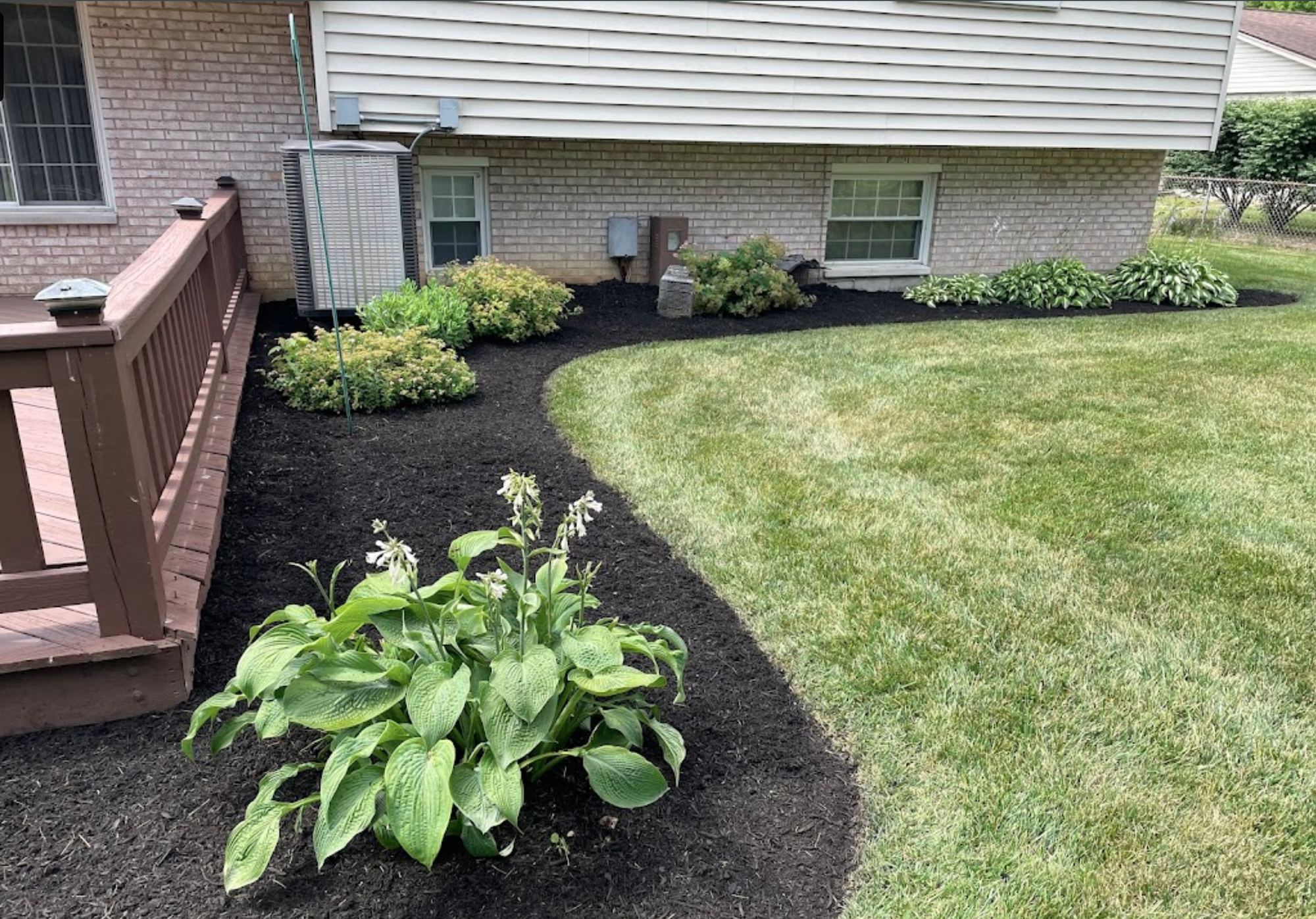
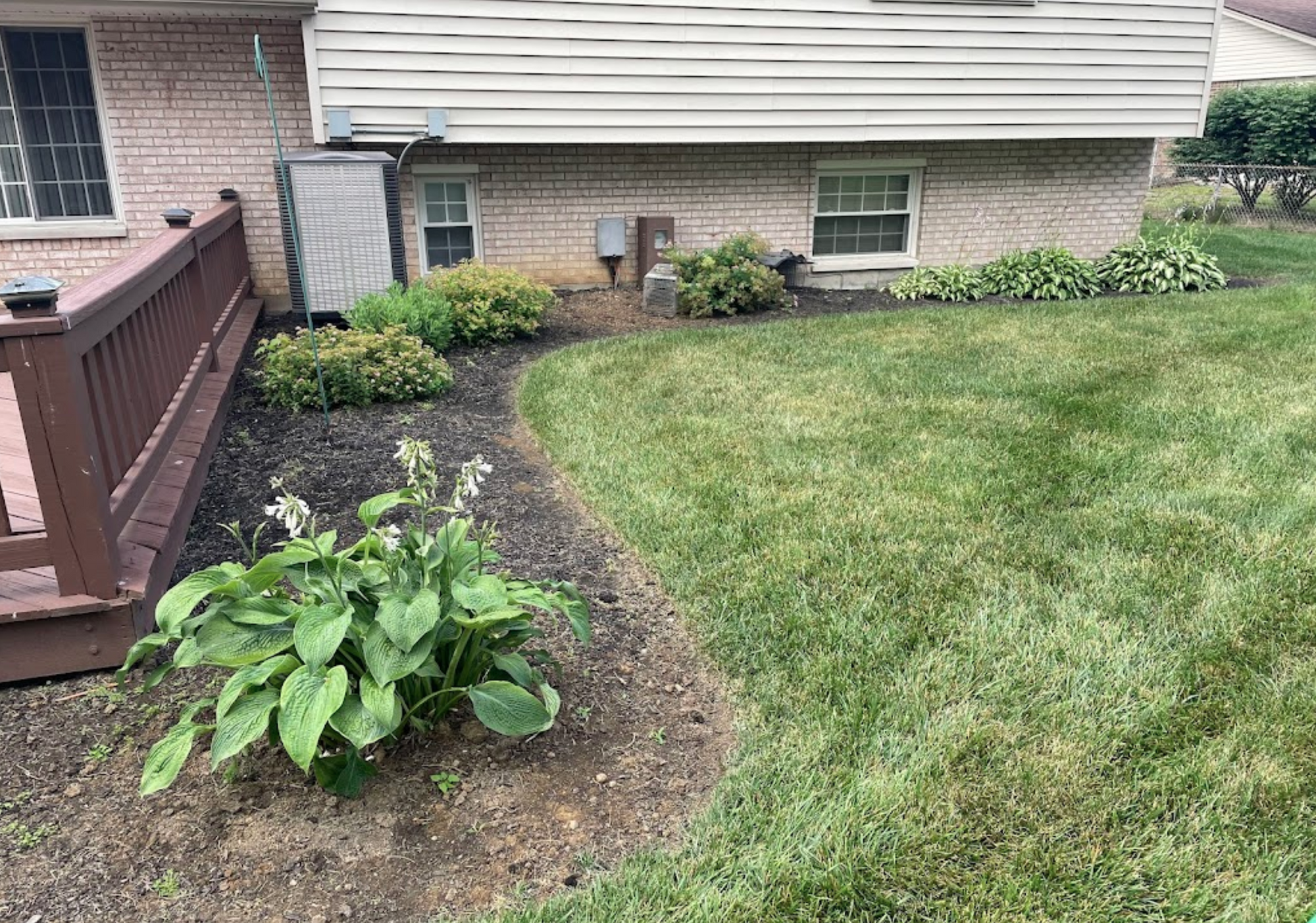
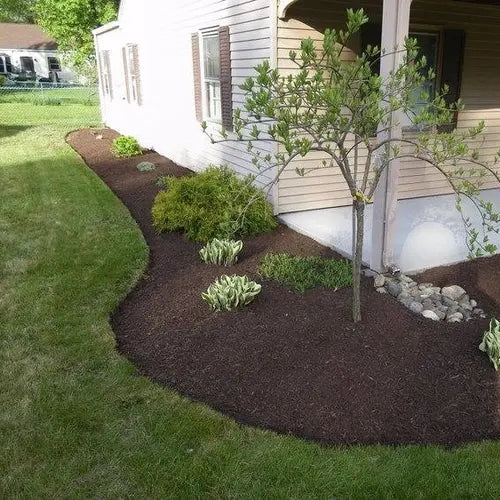
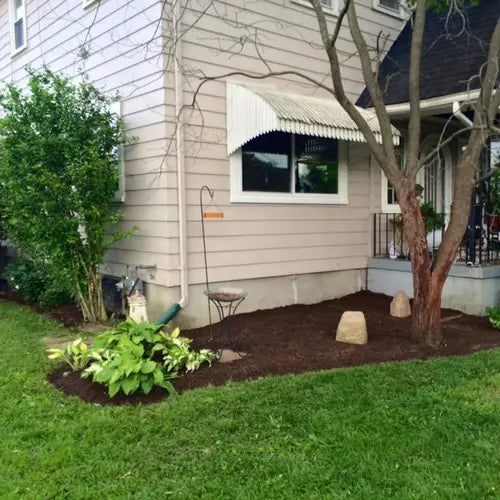
Mulch vs. No Mulch: The Difference

Humidity from the Mississippi and Missouri rivers keeps ground-level moisture high through summer, accelerating mulch breakdown.

Before image
After image
Slider handle
Before
After

Complete Your Outdoor Mulch Project

Mulch is a great start for St. Louis beds. Layer in fresh soil for better root growth and stone for clean borders and drainage areas. One delivery covers it.

Mulch Mound Pro Tip

Apply mulch after the soil warms in spring, not before. Mulching too early traps cold soil temperatures and delays root growth, which puts plants behind schedule for the growing season.

Mulch Mound Pro Tip

Blow or rake leaves off mulch beds in fall before they mat down. A thick leaf layer on top of mulch traps moisture and blocks airflow, creating conditions for mold and fungal problems through winter.

Mulch Mound Pro Tip

Mulch breaks down faster in wet climates than dry ones due to increased microbial activity. With 42 inches of annual rainfall, St. Louis beds typically need more frequent refreshing than gardens in arid regions.

Frequently Asked Questions

Click a question to see the answer

Answer

Is rubber mulch a good choice?

Rubber mulch has its place, mainly play areas where cushion matters. It does not feed soil and heats up in St. Louis summers. Natural mulch is better for garden beds.

Answer

Does mulch prevent weeds?

Expect major reduction, not elimination. Three inches of mulch stops most weed seeds from getting the light they need to sprout. Some persistent weeds will still push through.

Answer

What about pine straw vs hardwood?

Pine straw works well around acid-loving plants and drains faster than shredded hardwood. Hardwood breaks down slower and builds soil over time. Both work in St. Louis.

Answer

Can I mulch around trees?

Absolutely, but form a flat ring, not a volcano. Keep mulch 3 to 4 inches from the trunk and spread out to the drip line for maximum benefit.

Answer

When is the best time to mulch?

Target late spring in St. Louis, typically after Apr 10 when frost risk passes. Wait for soil to warm before laying mulch.

Answer

Is mulch safe for pets?

Basic hardwood mulch is safe for pets. Avoid cocoa shell mulch, which contains theobromine. Keep pets away during the first few days if using dyed varieties.

Answer

Is dyed mulch safe for vegetable gardens?

Today's dyes are typically iron-based or carbon-based and safe for gardens. If you want to be cautious, natural mulch works great for veggie beds.

The Unique Landscape of St. Louis

A good mulch layer does more than look sharp. Seasonal weather in St. Louis can wear down beds if they are not refreshed regularly. In St. Louis, Missouri, consistent coverage suppresses weeds, steadies soil moisture, and insulates roots from temperature swings. Most beds need 2-3 inches. Natural hardwood works well for most applications; dyed options add strong visual contrast. Delivery saves time so you can focus on the actual work.