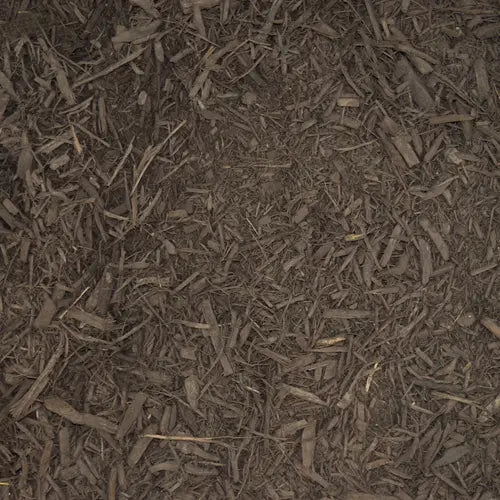
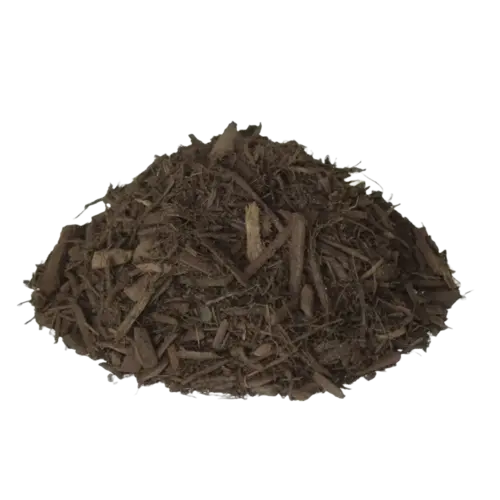
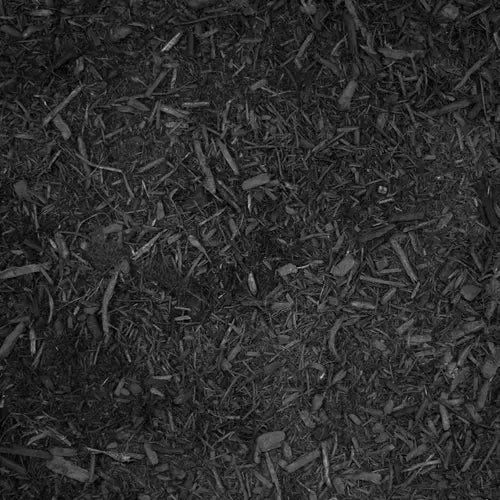
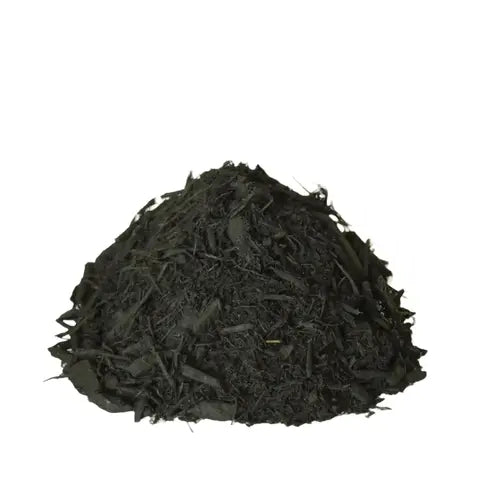
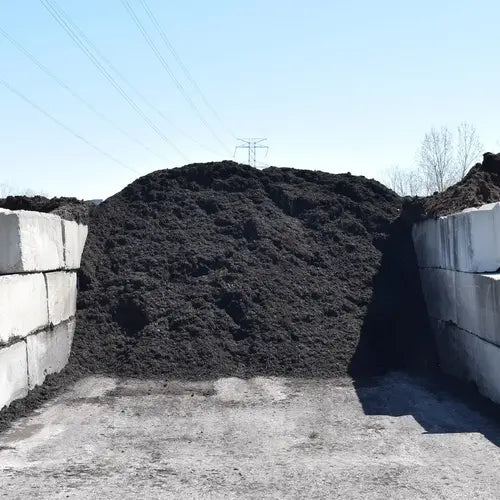
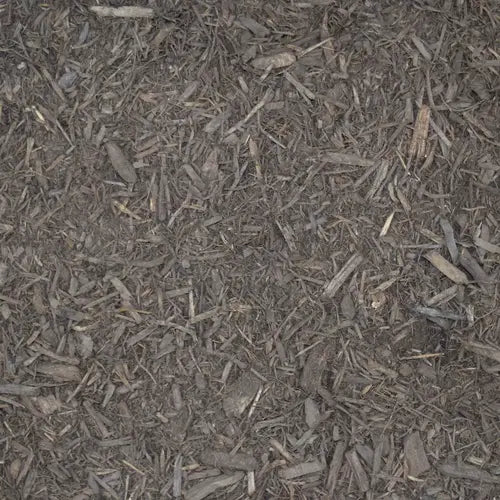
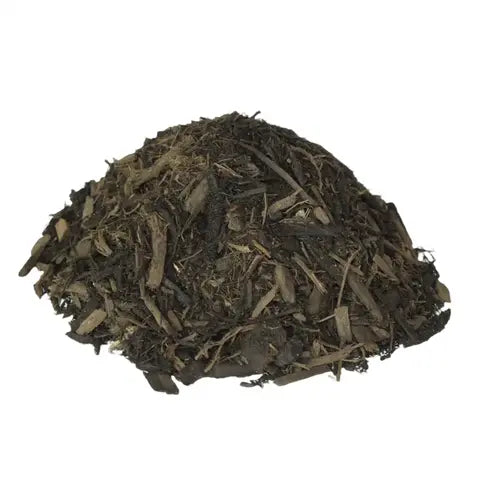
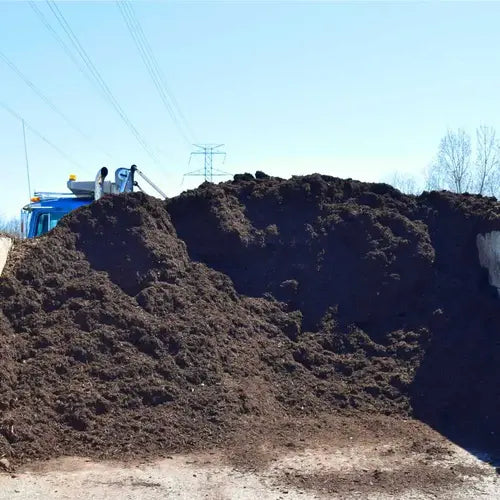
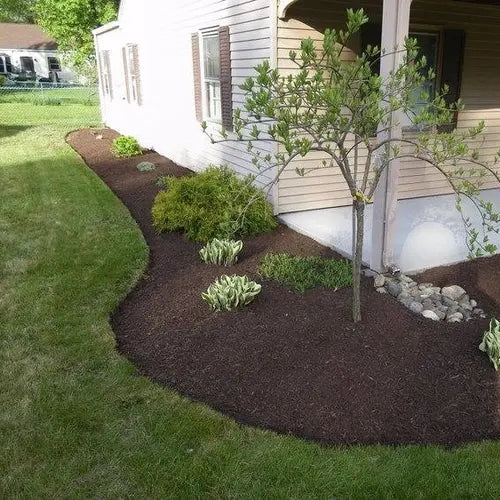
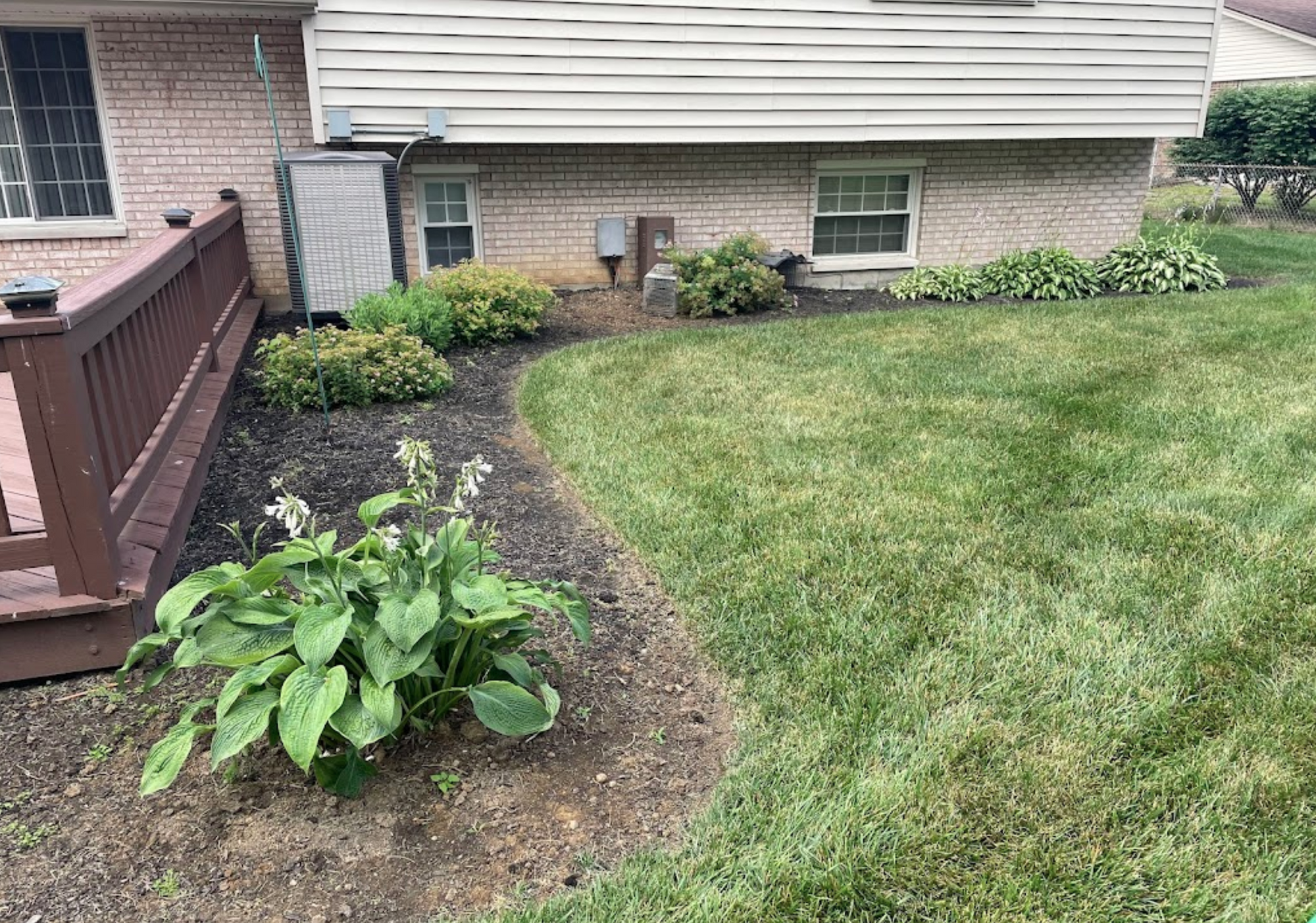
Warm brown double shredded mulch with lasting color that looks freshly applied for weeks. Spreads smooth, stays put, and gives beds a natural, polished appearance.
Good quality, great price, fast delivery. All online - no submitting forms and waiting for days for quotes. Getting mulch should be this easy from everyone. Only Mulch Mound is ACTUALLY this simple.
Tell us what you're looking for
Thanks! We received your request.
Something went wrong. Please try again.
How Much Material Do I Need?
For Succasunna's sandy loam beds, a 3-inch application depth is the recommended starting point to offset the soil's natural tendency to dry out quickly between rain events. Beds in full sun or on elevated ground near Succasunna's 722-foot terrain may benefit from a slightly deeper 3.5-inch application to compensate for faster surface evaporation during summer.
Use our free mulch calculator
What is a yard?
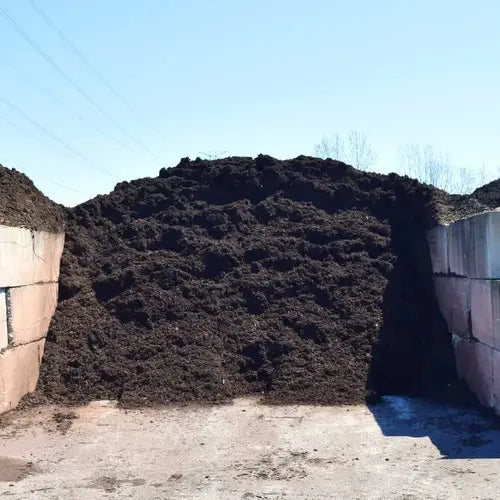
A yard is approximately 27 cubic feet. As a general guideline, one yard of material can cover an area of about 100-160 square feet at a 2-3 inch depth.
We can't take orders for this right now. Tell us what you need and we'll get back to you.
What do you need?
Thanks! We received your request.
Something went wrong. Please try again.
Hand-picked local yards
4,000+ regional deliveries
Dedicated support
Why order through Mulch Mound
The best local mulch, without the guesswork.
We hand-pick and partner with the best yards in your region, keep only the ones our buyers rate well, and back each load with our guarantee.
Mulch Mound Guarantee
If your mulch isn't the quantity or quality you ordered, we'll make it right.
About this mulch
Warm brown double shredded mulch with lasting color that looks freshly applied for weeks. Spreads smooth, stays put, and gives beds a natural, polished appearance.
Good quality, great price, fast delivery. All online - no submitting forms and waiting for days for quotes. Getting mulch should be this easy from everyone. Only Mulch Mound is ACTUALLY this simple.
How Much Material Do I Need?
For Succasunna's sandy loam beds, a 3-inch application depth is the recommended starting point to offset the soil's natural tendency to dry out quickly between rain events. Beds in full sun or on elevated ground near Succasunna's 722-foot terrain may benefit from a slightly deeper 3.5-inch application to compensate for faster surface evaporation during summer.
Use our free mulch calculator
What is a yard?
A yard is approximately 27 cubic feet. As a general guideline, one yard of material can cover an area of about 100-160 square feet at a 2-3 inch depth.
Good quality, great price, fast delivery. All online - no submitting forms and waiting for days for quotes. Getting mulch should be this easy fr...
Read full review
Good quality, great price, fast delivery. All online - no submitting forms and waiting for days for quotes. Getting mulch should be this easy from everyone. Only Mulch Mound is ACTUALLY this simple.
I highly recommend Mulch Mound. The quality of the mulch is very good. The ordering system on their website makes it very easy. The delivery driver...
Read full review
I highly recommend Mulch Mound. The quality of the mulch is very good. The ordering system on their website makes it very easy. The delivery driver did a great job placing the mulch on the driveway. To finish off, the pricing was very reasonable as well.
They offered a quick turnaround and delivered high quality mulch at a reasonable price. They also dropped it off exactly where I told them to put i...
Read full review
They offered a quick turnaround and delivered high quality mulch at a reasonable price. They also dropped it off exactly where I told them to put it. Good service!
To figure out how much mulch you need for Succasunna beds, measure each bed's length and width in feet, multiply to get square footage, and then account for the extra depth that sandy loam soil demands. Because sandy loam does not retain moisture well on its own, plan for a full 3-inch application depth rather than the lighter 2-inch layer that might work in heavier soils. Our calculator automatically factors in depth so you get an accurate cubic yard estimate without over-ordering or coming up short.
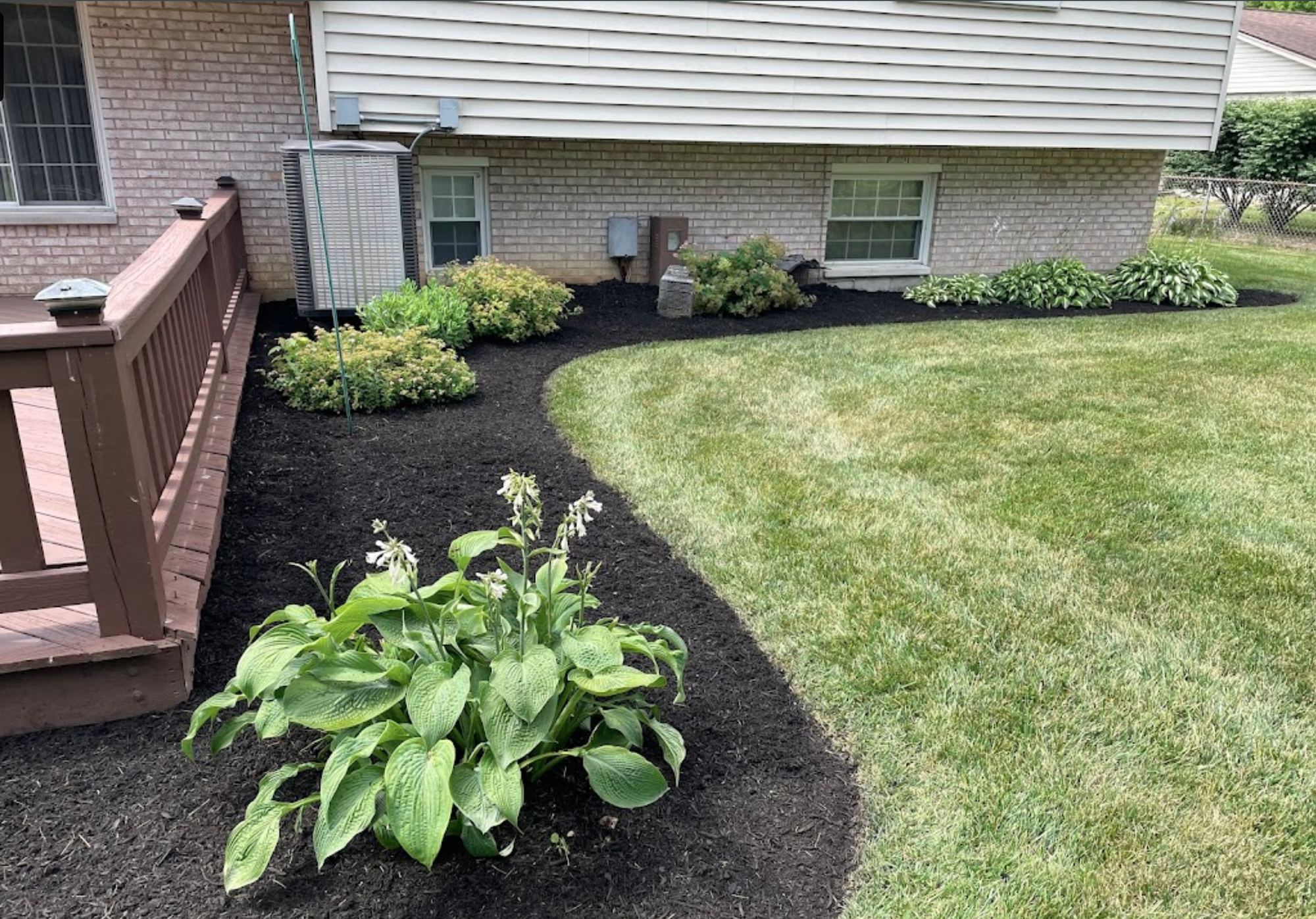
Mulch vs. No Mulch: The Difference
Succasunna's 50 inches of annual rainfall is among the highest in Morris County, and that consistent moisture accelerates the natural breakdown of organic mulches faster than homeowners in drier regions would expect. Natural hardwood and bark mulches decompose within a single growing season here, feeding the sandy loam soil with organic matter that helps it hold nutrients and moisture longer over time. Dyed mulches use a processed wood base that resists breakdown, so the color stays vibrant through summer storms and into fall, but they contribute less organic value to Succasunna's fast-draining soils compared to natural options.
Before
After
Best Mulch Choice for Succasunna Lawns
Most yards in the Succasunna area sit on Sandy Loam type of soil. Succasunna's sandy loam soil has a loose, open texture that lets water and nutrients pass through quickly, leaving plant roots vulnerable during dry spells between rainstorms. Choosing the right mulch helps compensate for this drainage tendency by creating a surface layer that slows evaporation and holds moisture closer to the root zone.
Hardwood Mulch
Hardwood mulch breaks down gradually in Succasunna's moist climate, releasing organic matter that binds with sandy loam particles and improves the soil's ability to hold water and nutrients season after season. Over several years of consistent hardwood mulch application, Succasunna homeowners often notice their beds require less frequent watering and produce healthier, more vigorous plants.
Mulch Types We Deliver in Succasunna
Mulch Mound handles bulk mulch delivery in Succasunna by the cubic yard, bringing fresh material straight to your driveway or job site. Whether you are refreshing existing beds or covering a new planting area, the right mulch protects roots and finishes the look of any yard.
Dyed Black Mulch
A bold choice for homes with traditional stone facades and shaded foundation beds common in this part of New Jersey. Available in double shredded or triple shredded styles, the rich black color holds through wet Morris County springs and warm summers. The smooth texture spreads evenly and creates sharp contrast against green foliage.
Dyed Brown Mulch
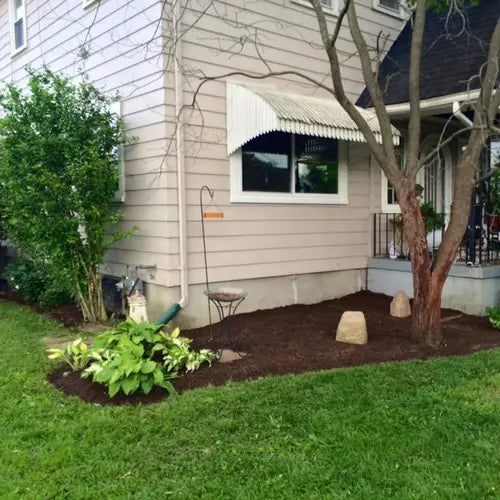
A warm option that complements the wooded lots and mixed landscapes typical of this region. Choose double shredded for an airy, traditional spread or triple shredded for a denser, finer finish. The color stays rich for weeks and gives beds a natural, polished appearance without looking overdone.
Dyed Red Mulch
Dyed red mulch adds a vivid accent that stands out against stone walkways and lighter siding styles common in New Jersey suburban neighborhoods. Available in double shredded or triple shredded, the triple shredded cut offers a finer texture that locks together and resists washout on sloped beds.
Natural Brown Mulch
For homeowners who prefer an honest, understated look, natural brown mulch lets the wood speak for itself with no dyes added. It comes in double shredded or triple shredded, making it easy to match the texture to your planting style. The earthy tone blends naturally with native trees and shrubs.
Complete Your Outdoor Mulch Project
If your Succasunna beds need more than a fresh mulch layer, pairing bulk mulch with a delivery of screened topsoil can help rebuild sandy loam beds that have lost organic matter over the growing seasons. Adding decorative stone edging around your mulched areas creates a clean boundary that also helps keep mulch in place during Succasunna's heavy summer rainstorms.
Succasunna's last frost typically falls around May 1, which means the soil is still cool and slow to warm in early spring. Resist the urge to lay fresh mulch in late April over cold ground. Letting the soil absorb a few weeks of direct sun before applying your spring mulch layer helps roots break dormancy faster and gives beneficial soil microbes in your sandy loam a chance to activate before the growing season truly begins.
Mulch Mound Pro Tip
Sandy loam soil in Succasunna is prone to surface crusting after heavy summer rains, which can reduce water infiltration and cause runoff even on flat beds. Mulch breaks the impact of raindrops hitting bare soil directly and prevents that crust from forming season after season. Keep mulch pulled a couple of inches away from tree trunks and shrub crowns to avoid trapping moisture against the bark, which can invite fungal issues during Succasunna's warm and humid summer months.
Mulch Mound Pro Tip
With 50 inches of annual rainfall in Succasunna, organic mulches decompose faster here than in drier parts of New Jersey, but that decomposition is actually a long-term benefit. As mulch breaks down it contributes organic matter that improves sandy loam's ability to hold water and nutrients from one season to the next. Budget for a fresh mulch top-off each spring and consider a lighter second application in late summer to maintain consistent coverage heading into Succasunna's fall frost season around October 10.
Frequently Asked Questions
Click a question to see the answer
Answer
How thick should I apply mulch in my Succasunna garden beds?
With Succasunna's sandy loam soil draining as quickly as it does, a 3-inch mulch layer is the practical minimum for most planting beds. Going thinner means the soil dries out between rain events, and with the town receiving around 50 inches of rain annually, those dry gaps between storms can still stress plants if the bed surface is not adequately covered. Avoid piling mulch deeper than 4 inches around shrub bases, as that can trap moisture against stems and invite rot during humid Succasunna summers.
Answer
When is the best time to mulch here in Succasunna?
Succasunna's Zone 6b calendar really shapes the ideal mulching windows. In spring, wait until the soil has had a chance to warm after the last frost, which typically falls around May 1 in this area, before laying a fresh layer. Mulching too early over cold ground keeps soil temperatures low and slows root development. In fall, apply mulch in mid to late October, just after the first frost around October 10, to insulate perennial roots for the winter without trapping too much residual heat while the ground is still warm.
Answer
Will mulch actually help with the weeds that keep coming back in my yard?
Weed pressure in Succasunna is real because the sandy loam soil warms up quickly in spring, giving weed seeds a fast head start before your garden plants get fully established. A solid 3-inch mulch layer blocks most light-dependent weed seeds from germinating, which is your best non-chemical tool against the annual weeds that sprout heavily each spring here. For persistent perennial weeds, laying a biodegradable landscape fabric beneath your mulch adds an extra barrier layer without harming the soil biology over time.
Answer
Does the heavy rainfall in Succasunna wash mulch out of my beds?
Succasunna receives about 50 inches of rain per year, and some of that comes in intense summer thunderstorms that can displace lightweight mulch along slopes or near downspout discharge areas. Shredded hardwood or bark nugget mulches knit together better than fine wood chips under heavy rain, making them more resistant to washing out of bed edges. If you have sloped beds near your foundation or along a hillside, a slightly heavier mulch product combined with a small edging border will both help keep material in place during storms.
Answer
How often do I need to replenish mulch given Succasunna's weather?
Because Succasunna's combination of consistent moisture and Zone 6b warmth accelerates organic breakdown, most natural mulches here need replenishing once a year to maintain a protective 3-inch depth. By late spring, many homeowners notice the previous year's layer has compacted down to an inch or less. Topping off beds in early May, after the last frost risk has passed, gives plants fresh moisture retention and weed suppression heading into the full growing season.
Answer
Is dyed mulch safe to use around my Succasunna vegetable garden?
For vegetable gardens in Succasunna, we recommend sticking with natural undyed mulches, particularly straw or natural wood bark, since edible beds benefit from the organic matter these materials contribute as they break down in the moist Morris County climate. Dyed mulches are best suited for ornamental beds where color retention matters more than soil enrichment. If you are using raised beds with imported garden soil, a natural wood mulch in the walkways between beds is a practical and safe choice for the Succasunna growing season.
Answer
What mulch color holds up best through a Succasunna summer?
Succasunna's summer sun combined with its frequent rainfall can fade natural mulch colors relatively quickly, often within six to eight weeks of application on exposed south-facing beds. Double or triple-dyed mulch products hold their color significantly longer, staying vibrant through the full growing season and into the October frost window. If curb appeal is a priority and your beds get a lot of direct sun, a dyed black or brown product will give you a more consistent, polished look from planting time through fall.
The Unique Landscape of Succasunna
Succasunna sits at 722 feet in Morris County, where the combination of sandy loam soil and 50 inches of annual rainfall creates a tricky balance for homeowners trying to keep plant beds healthy. Sandy loam drains quickly, which means moisture moves away from root zones faster than in the heavier clay soils found in other parts of New Jersey. Mulching bed areas helps slow that drainage and keeps roots consistently moist through the dry stretches that often fall between Succasunna's summer storms. The town's Zone 6b climate means hard freezes arrive reliably around October 10, making a proper autumn mulch layer critical for protecting perennial roots through winter. Spring cleanup here tends to happen later than people expect, since the last frost around May 1 means tender plants need insulation well into April. Keeping a fresh mulch layer in Succasunna beds is not just cosmetic work, it is a practical response to the region's fast-draining soils and wide seasonal temperature swings.