



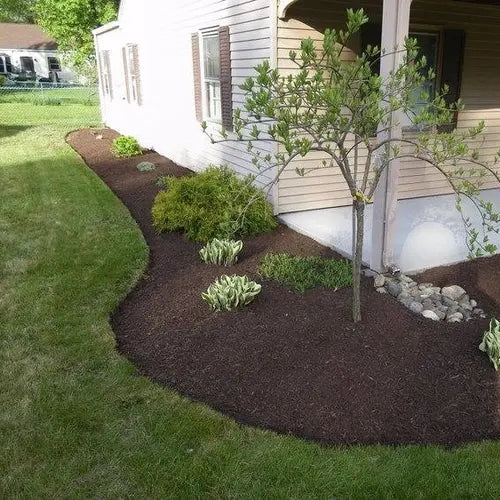
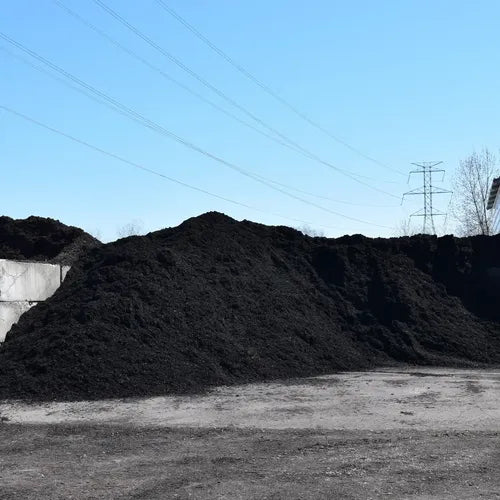
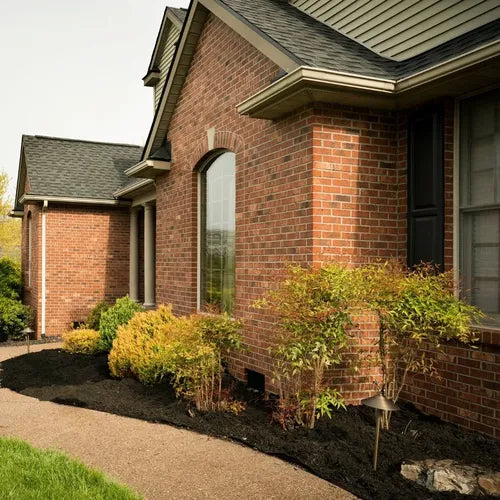

Website was easy to use. Mulch was delivered on time and exactly where specified. It makes our front yard look great just in time for spring!
About this mulch
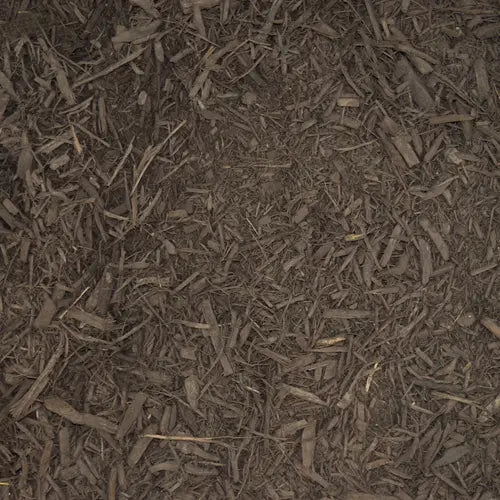
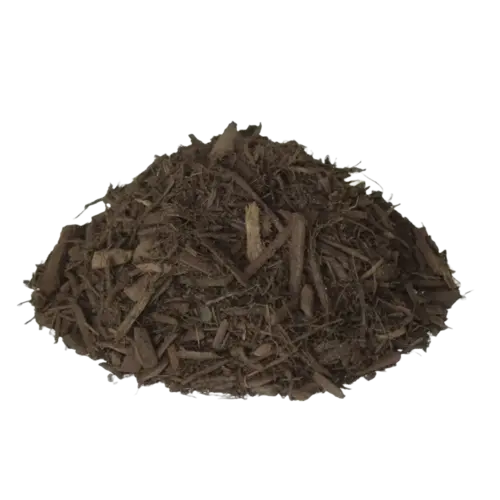
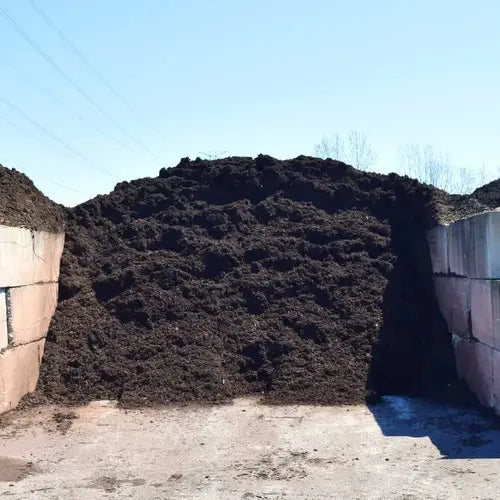
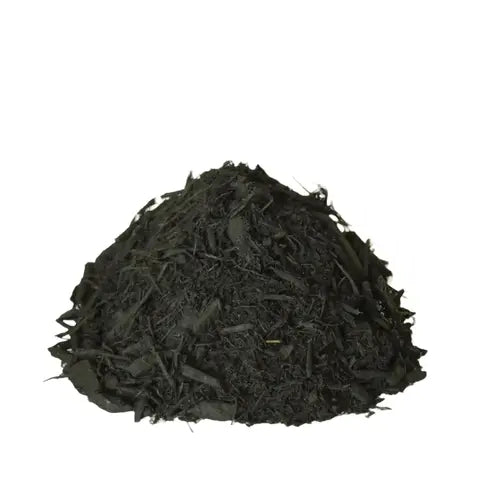
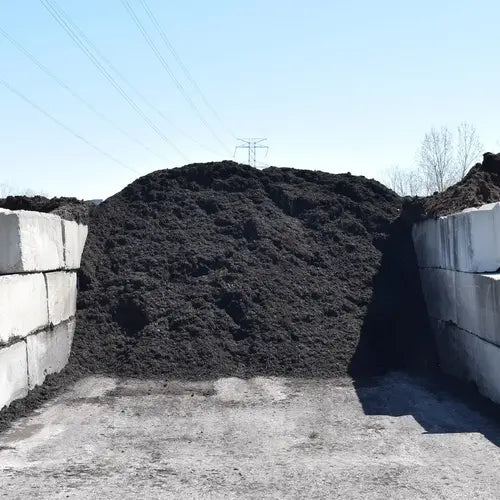
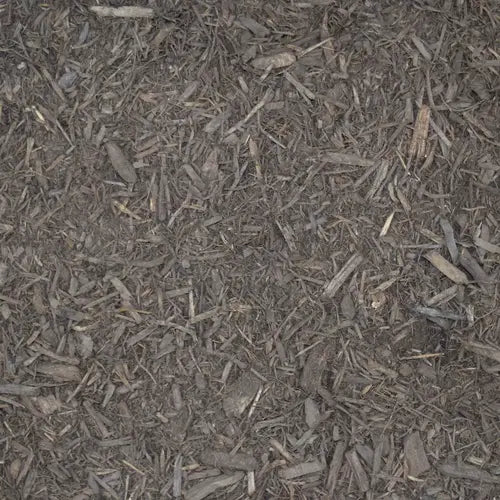
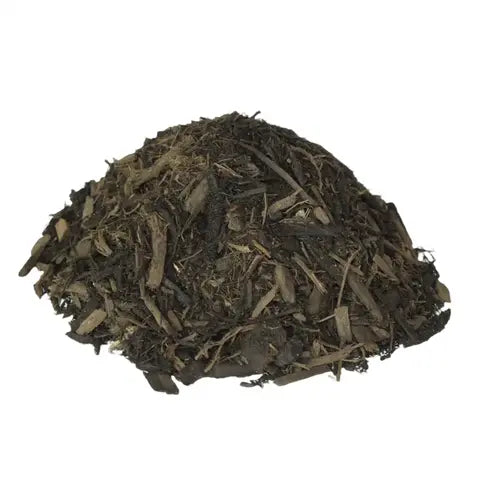
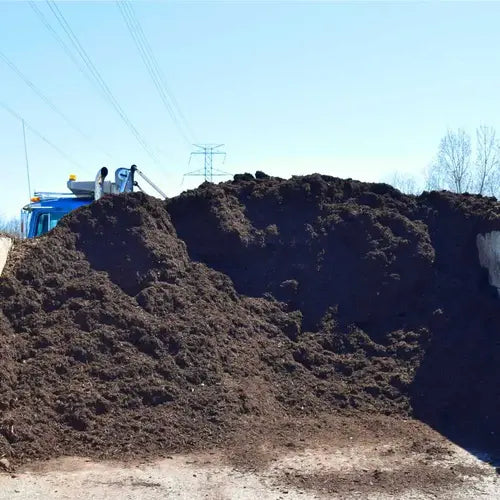
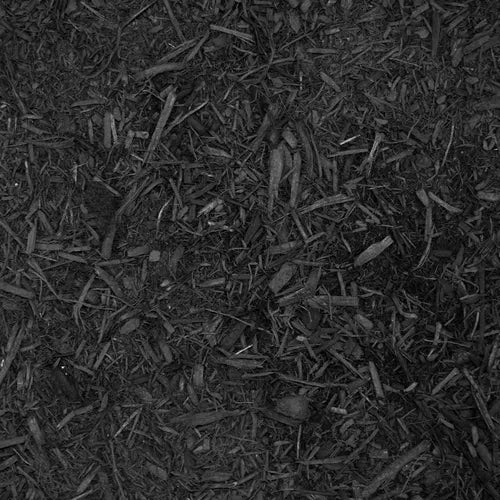
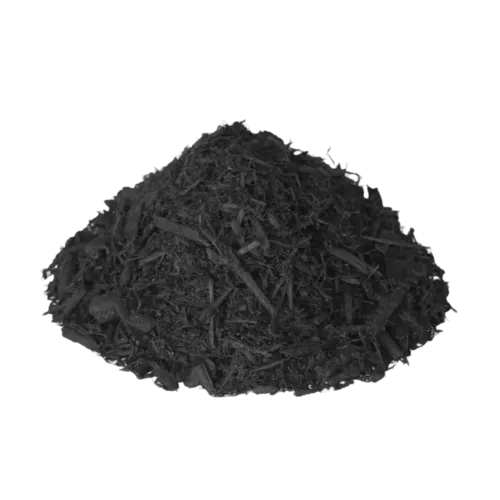
Double-shredded mulch dyed a rich, even brown that holds its color through the season.
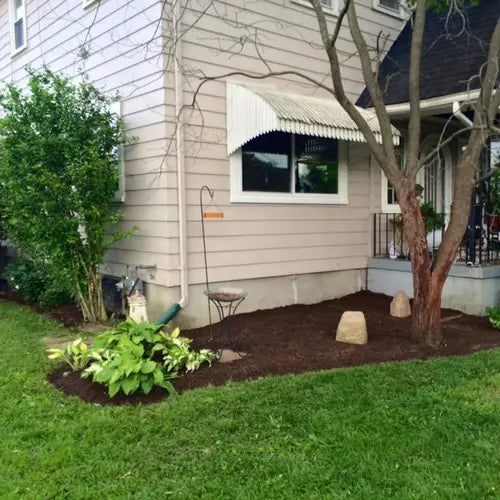
Website was easy to use. Mulch was delivered on time and exactly where specified. It makes our front yard look great just in time for spring!
Tell us what you're looking for
Thanks! We received your request.
Something went wrong. Please try again.
How Much Material Do I Need?
How Much Material Do I Need?
Aim for three inches in shrub and foundation beds and two inches around shallow rooted azaleas and camellias so you do not smother surface roots. One cubic yard covers roughly 108 square feet at three inches deep.
Use our free mulch calculator
What is a yard?
What is a yard?
FAQs
FAQs
Summerville Mulch Delivery
Summerville Mulch Delivery
Regular price
$64.00
per
Yard
Regular price
Sale price
$64.00
Unit price
per
Shipping calculated at checkout.
Minimum of 3 Yard
Couldn't load pickup availability
Not currently available
We can't take orders for this right now. Tell us what you need and we'll get back to you.
Hand-picked local yards
4,000+ regional deliveries
Dedicated support
Why order through Mulch Mound
The best local , without the guesswork.
We hand-pick and partner with the best yards in your region, keep only the ones our buyers rate well, and back each load with our guarantee.
Mulch Mound Guarantee
If your isn't the quantity or quality you ordered, we'll make it right.
About this mulch
Double-shredded mulch dyed a rich, even brown that holds its color through the season.
Website was easy to use. Mulch was delivered on time and exactly where specified. It makes our front yard look great just in time for spring!
How Much Material Do I Need?
How Much Material Do I Need?
Aim for three inches in shrub and foundation beds and two inches around shallow rooted azaleas and camellias so you do not smother surface roots. One cubic yard covers roughly 108 square feet at three inches deep.
Use our free mulch calculator
What is a yard?
What is a yard?
FAQs
FAQs
Tell us what you're looking for
Thanks! We received your request.
Something went wrong. Please try again.

How It Works
Getting started is easy — just follow these simple steps
1
Choose your Mulch
Make sure you adjust the quantity to your home's needs. You can use our calculator to estimate how much you'll need.
2
Select your delivery date
Select a delivery date you'd like for the product to be dropped off at your home
3
Sit back and wait
Sit back, wait, and let us work our magic to make sure the highest quality product is delivered to your driveway.

Prompt, accommodating, lovely mulch.

I am very happy with Mulch Mound service and with the triple shredded mulch. It looks great, and I would use them again.
Calculate mulch for your Summerville project
For Summerville's type of soil, we recommend 2-3 inches for best weed suppression and moisture retention
Try Our CalculatorSketch your beds and break curved areas into rectangles and half circles, then add the square footage together. Measure to the outside edge of your bed line rather than the drip line of the shrubs, since Summerville beds tend to be mulched wall to wall. Order about ten percent extra to cover settling and the low spots common on flat Lowcountry lots.
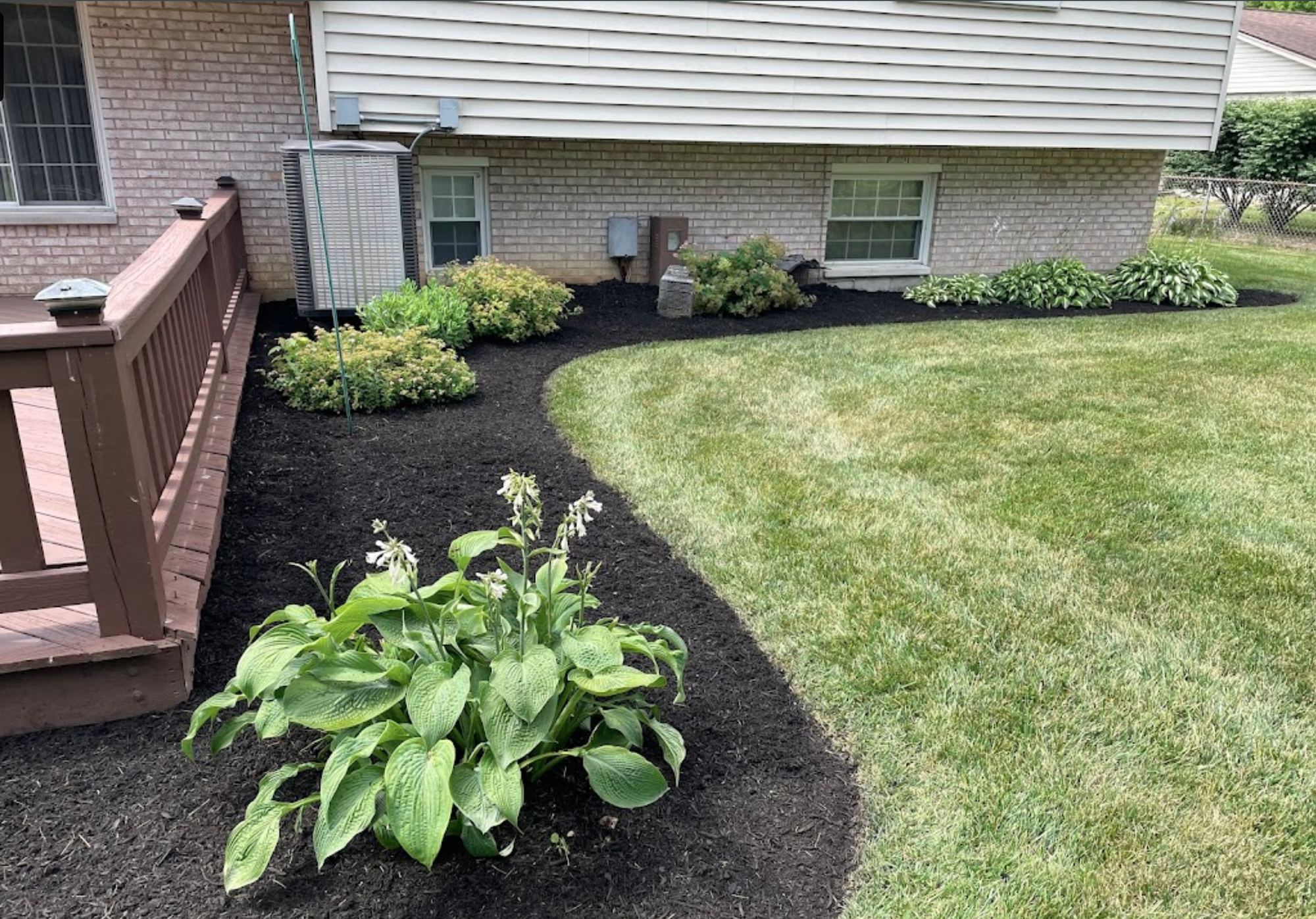
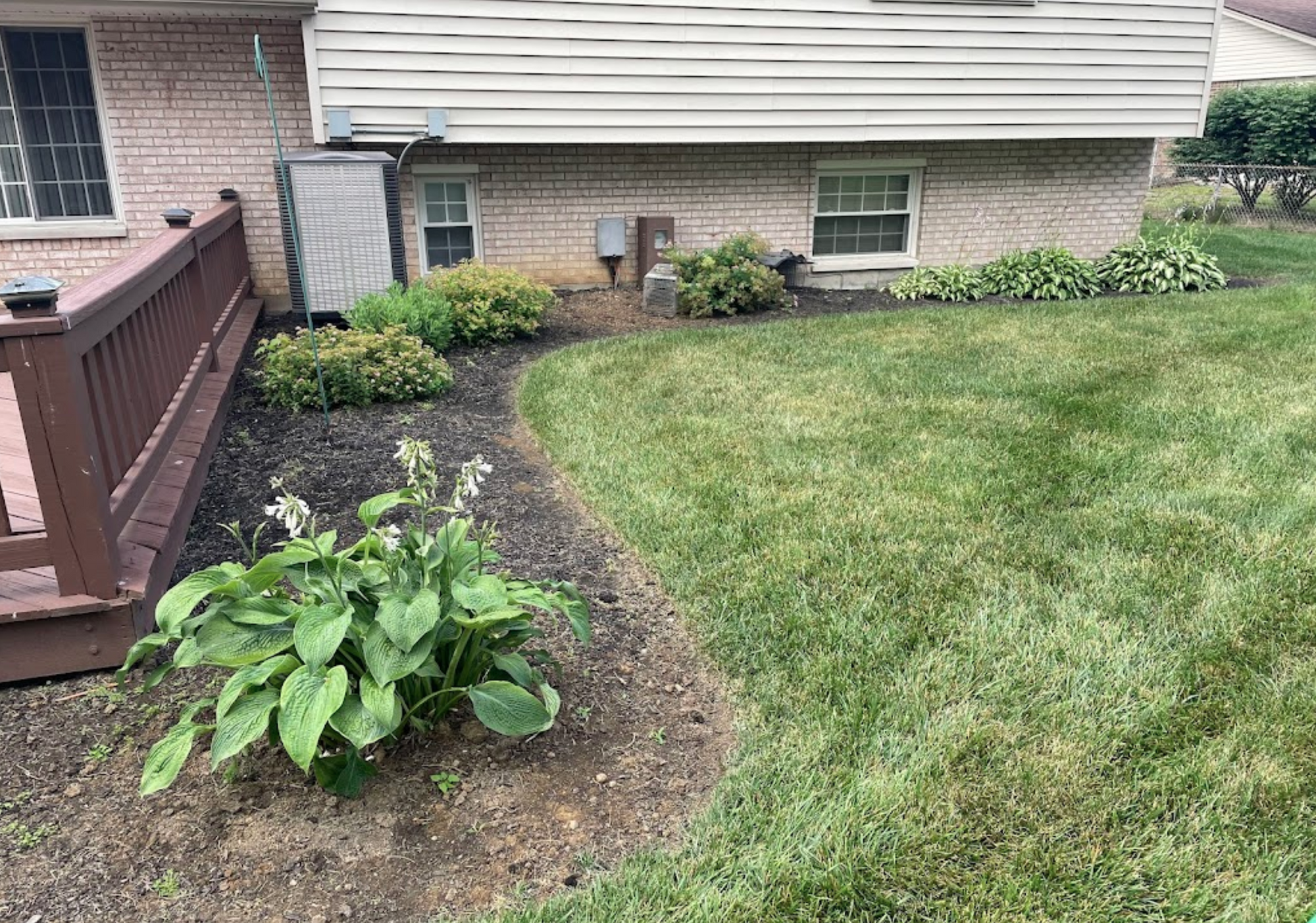

Best Mulch Choice for Summerville Lawns
Most yards in the Summerville area sit on type of soil. Summerville's sandy loam drains beautifully but holds very little water or nutrition, so beds can go from soaked to bone dry within two days of a storm. That swing stresses azaleas, hydrangeas, and annuals that want steady moisture at the root zone.
Hardwood Mulch
Double ground hardwood mulch is the strongest fix for Summerville sandy loam because it decomposes into fine organic matter that binds sand particles and increases water holding capacity season after season. It also knits together into a mat that resists washing on low, flat Lowcountry lots.
Complete Your Outdoor Mulch Project
Pair your mulch with a few yards of compost or garden soil to build organic matter into Summerville's sandy loam, and add crushed stone or river rock for the strip right against your foundation. Steel or composite edging keeps mulch from migrating during heavy summer rain.
Service area
Areas we deliver mulch in Summerville, South Carolina
Mulch Mound Pro Tip
Skip the mulch volcano. Piling mulch against trunks traps the humidity that Summerville already has in abundance and invites bark rot, girdling roots, and boring insects. Pull mulch back two to three inches from the base of every crape myrtle, camellia, and young oak, leaving a visible flare where the trunk meets the ground. Spread it flat and wide out to the drip line instead of tall and narrow at the stem.
Mulch Mound Pro Tip
Time your weed prevention with the calendar, not the mood. In Summerville, crabgrass and other summer annuals germinate when soil temperatures hit about 55 degrees, which typically lands in early to mid March. Apply a pre emergent to bare bed soil, then lay your mulch on top the same week. That combination stops the seed bank before it starts and saves you from pulling Florida betony all June.
Mulch Mound Pro Tip
Fluff before you add. After a year of Lowcountry rain, old mulch often forms a crusted mat that sheds water instead of absorbing it, which is the opposite of what sandy loam needs. Run a hard rake or cultivator through the existing layer to break the crust and check the true depth. Many Summerville beds only need an inch of fresh material on top rather than a full three inch reload.
The Unique Landscape of Summerville
Summerville sits at just 43 feet of elevation in the Lowcountry, where sandy loam drains fast and 50 inches of annual rain washes nutrients straight through the root zone. Mulch is the buffer that slows that water down, holding moisture around azaleas, camellias, and the town's famous flowering shrubs through the brutal July and August stretch. In Zone 8b the growing season runs long, from a last frost around March 18 to a first frost near November 15, which means roots stay active nearly nine months and need steady insulation. A good mulch layer also blocks the nutsedge, dollarweed, and Florida betony that thrive in warm, damp Summerville beds. On top of that, mulch keeps heavy summer thunderstorms from splashing sand up onto foliage and spreading fungal spots.