














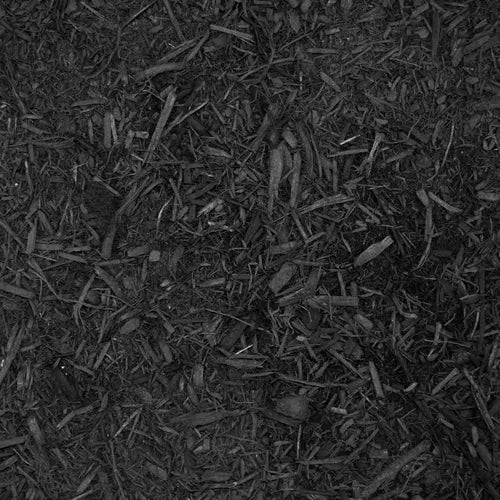
Our delivery was delayed but the new brown color mulch is a nice upgrade to our landscaping.
About this mulch
Warm brown double shredded mulch with lasting color that looks freshly applied for weeks. Spreads smooth, stays put, and gives beds a natural, polished appearance.
Our delivery was delayed but the new brown color mulch is a nice upgrade to our landscaping.
Tell us what you're looking for
Thanks! We received your request.
Something went wrong. Please try again.
How Much Material Do I Need?
How Much Material Do I Need?
For Tallahassee's sandy loam soil, apply mulch at a consistent 3-inch depth to adequately buffer soil temperature and retain moisture through the long growing season. Beds near large oaks or other surface-rooting trees may benefit from a slightly thicker application of up to 4 inches, since heavy root competition in those areas causes the soil to dry out faster than open beds.
Use our free mulch calculator
What is a yard?
What is a yard?
FAQs
FAQs
Tallahassee Mulch Delivery
Tallahassee Mulch Delivery
Regular price
$64.00
per
yard
Regular price
Sale price
$64.00
Unit price
per
Shipping calculated at checkout.
Minimum of 3 yard
Couldn't load pickup availability
Not currently available
We can't take orders for this right now. Tell us what you need and we'll get back to you.
Hand-picked local yards
4,000+ regional deliveries
Dedicated support
Why order through Mulch Mound
The best local mulch, without the guesswork.
We hand-pick and partner with the best yards in your region, keep only the ones our buyers rate well, and back each load with our guarantee.
Mulch Mound Guarantee
If your mulch isn't the quantity or quality you ordered, we'll make it right.
About this mulch
Warm brown double shredded mulch with lasting color that looks freshly applied for weeks. Spreads smooth, stays put, and gives beds a natural, polished appearance.
Our delivery was delayed but the new brown color mulch is a nice upgrade to our landscaping.
How Much Material Do I Need?
How Much Material Do I Need?
For Tallahassee's sandy loam soil, apply mulch at a consistent 3-inch depth to adequately buffer soil temperature and retain moisture through the long growing season. Beds near large oaks or other surface-rooting trees may benefit from a slightly thicker application of up to 4 inches, since heavy root competition in those areas causes the soil to dry out faster than open beds.
Use our free mulch calculator
What is a yard?
What is a yard?
FAQs
FAQs
Tell us what you're looking for
Thanks! We received your request.
Something went wrong. Please try again.
How It Works
Getting started is easy — just follow these simple steps
1
Choose your Mulch
Make sure you adjust the quantity to your home's needs. You can use our calculator to estimate how much you'll need.
2
Select your delivery date
Select a delivery date you'd like for the product to be dropped off at your home
3
Sit back and wait
Sit back, wait, and let us work our magic to make sure the highest quality product is delivered to your driveway.

Mulch Mound made it so easy! So happy with the pricing, turn around time, delivery and product. I submitted my online order on a Thursday. The mu...
Read full review
Mulch Mound made it so easy! So happy with the pricing, turn around time, delivery and product. I submitted my online order on a Thursday. The mulch was delivered to the designated location by a local landscape company at 8:30 a.m. the following Saturday morning. We had the job completed by that afternoon. We chose the natural brown mulch, and the plant beds are beautiful.

Good quality, great price, fast delivery. All online - no submitting forms and waiting for days for quotes.
Getting mulch should be this easy fr...
Read full review
Good quality, great price, fast delivery. All online - no submitting forms and waiting for days for quotes.
Getting mulch should be this easy from everyone. Only Mulch Mound is ACTUALLY this simple.
Calculate mulch for your Tallahassee project
For Tallahassee's Sandy Loam type of soil, we recommend 2-3 inches for best weed suppression and moisture retention
Try Our CalculatorMeasure the length and width of each bed in feet and multiply to get square footage, then divide by 100 to find the cubic yards needed for a 3-inch application depth. That 3-inch depth is specifically what Tallahassee's fast-draining sandy loam calls for to make a meaningful difference in moisture retention. If your beds slope toward the street or a drainage swale, order a modest amount extra since Tallahassee's heavy summer rains can gradually shift mulch downhill over the course of a season.



Best Mulch Choice for Tallahassee Lawns
Most yards in the Tallahassee area sit on Sandy Loam type of soil. Tallahassee's sandy loam drains so freely that plant beds can go from fully saturated to dangerously dry within a day or two after summer rain, making moisture retention the most important quality to look for in any mulch you choose. A dense, finely shredded hardwood mulch creates the most effective barrier against evaporation and gives sandy loam beds the best chance of staying consistently moist between the rain events that move through the area.
Hardwood Mulch
Hardwood mulch breaks down into humus over one to two seasons, and that accumulating organic matter is precisely what Tallahassee's sandy loam needs most to improve its long-term productivity. As hardwood mulch decomposes, it raises the water-holding capacity of sandy loam, contributes slow-release nutrients, and builds the soil structure that supports strong root development throughout the nearly nine-month growing season.
Mulch Types We Deliver in Tallahassee
Mulch Mound delivers bulk mulch by the cubic yard right to your door, making bulk mulch delivery in Tallahassee simple for homeowners and landscapers alike. Choose from our available varieties and we will drop off exactly the amount you need, no bagging required. Our mulch options are well suited to the region's warm, humid climate and the sandy soils common throughout this part of Florida.
Dyed Black Mulch
Available in double shredded style, this bold, rich-toned mulch makes plant beds pop against the deep greens common in Florida landscapes. The color holds up well through the heavy summer rains typical in this region, and the smooth texture spreads quickly whether you are covering a small bed or a large yard.
Dyed Brown Mulch
This warm, double shredded mulch delivers a naturally polished look that complements the traditional brick and stucco home styles common in the area. The lasting color stays fresh-looking for weeks even under intense sun, and the smooth texture spreads easily across sandy or clay-based soils.
Natural Brown Mulch
For a clean, understated finish, Natural Brown Mulch offers an earthy tone straight from the wood with no added dye. Available in double shredded style, it breaks down gradually to enrich the sandy soils common in this part of Florida, making it a practical choice for gardens that benefit from added organic matter.
Complete Your Outdoor Mulch Project
Pair your mulch order with a quality garden soil or topsoil to fill and level low spots in your beds before applying the mulch layer, since Tallahassee's sandy loam settles unevenly over time. Adding a decorative stone border around your mulched areas also helps contain the material during the heavy downpours that are a regular part of summer in Tallahassee.


Service area
Areas we deliver mulch in Tallahassee, Florida
Mulch Mound Pro Tip
Always pull mulch back two inches from the base of shrubs and tree trunks before spreading. Tallahassee's warm, humid summers create near-perfect conditions for crown rot and fungal disease when organic material stays pressed against woody stems through weeks of heat and moisture. This simple habit protects plants that can take years to replace and costs nothing beyond a few extra minutes during installation.
Mulch Mound Pro Tip
Consider refreshing your mulch color in early October, just before Tallahassee's fall outdoor entertaining season gets underway. The stretch between the first comfortable October evenings and the first frost around November 13 is when many local homeowners spend the most time outside, and freshly mulched beds make a strong visual impression during that window without requiring any other landscaping work.
Mulch Mound Pro Tip
Tallahassee's 59 inches of annual rainfall arrive largely as concentrated summer thunderstorms that can float and redistribute lightweight mulch across beds and onto sidewalks in minutes. Shredded hardwood mulch interlocks as it settles and resists displacement far better than nuggets or wood chips during those intense events. If your beds slope toward the street or a paved surface, shredded material is the most practical choice for keeping your landscape looking clean after heavy rainfall.
The Unique Landscape of Tallahassee
Tallahassee's sandy loam base drains so freely that plant beds can swing from saturated to bone dry within a day or two of a summer storm, making moisture retention a constant challenge for homeowners here. Zone 9a summers combine intense heat with high humidity, and without a consistent mulch layer that sandy loam loses its surface moisture rapidly during the long stretches between rain events. Tallahassee receives roughly 59 inches of rain annually, but most of it arrives in heavy concentrated bursts that compact bare soil and flush nutrients downward before roots can absorb them. A proper mulch layer slows that runoff, allows water to infiltrate gradually, and keeps your beds from cycling between flood and drought with every passing weather system. With a last frost date around March 19 and a first frost not arriving until mid-November, Tallahassee landscapes stay actively growing for nearly nine months, and consistently mulched beds stay more productive and require far less supplemental watering across that long season.