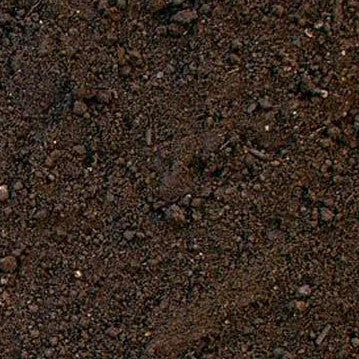
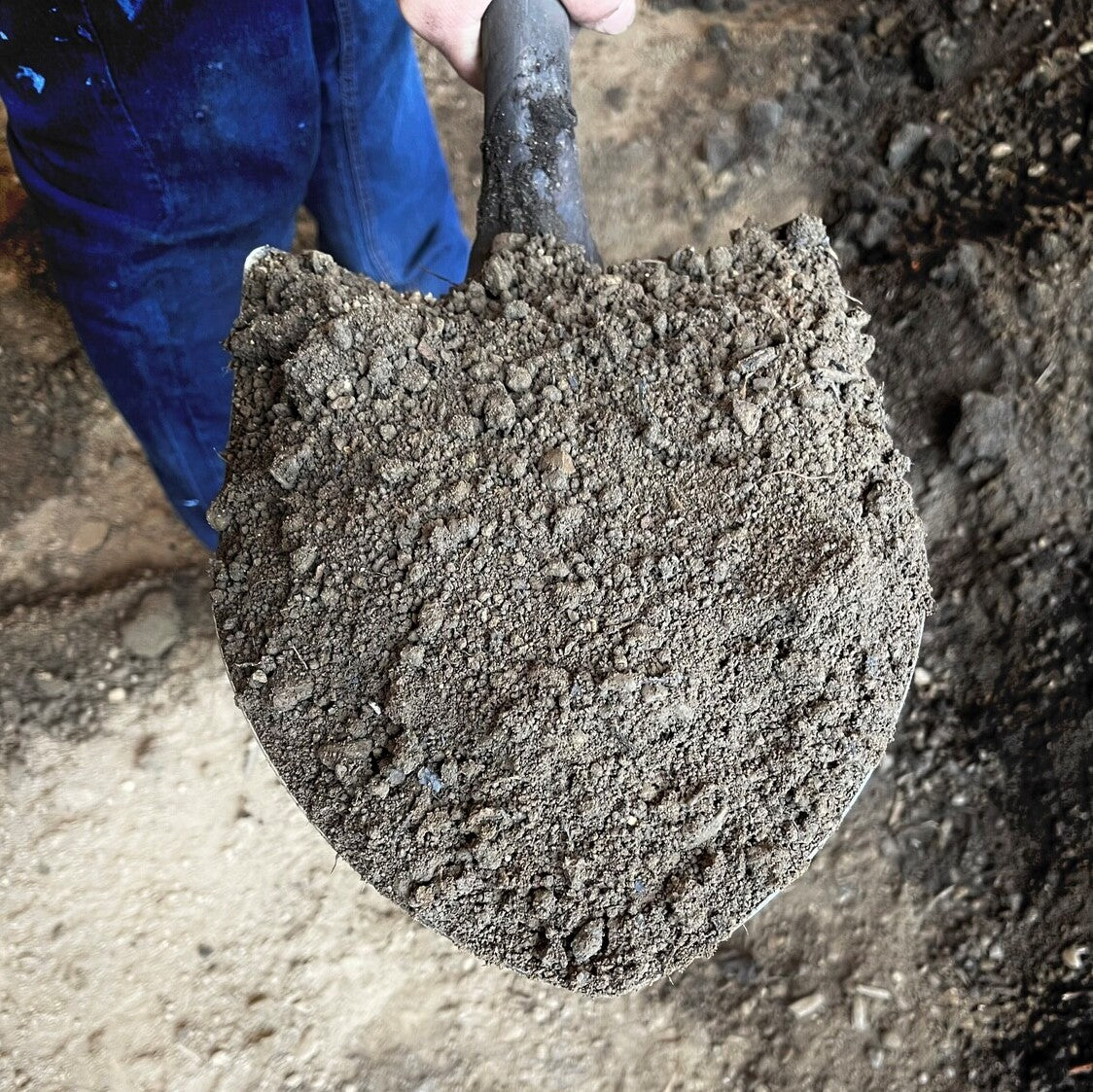
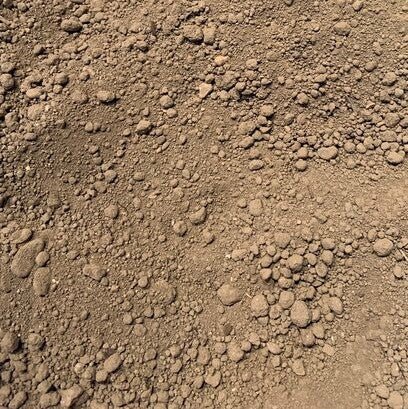
Quality topsoil for lawns, gardens, and landscape projects. Nutrient rich and ready to support strong root development and healthy plant establishment.
This review compares my experience with Mulch Mound compared to another local company that has delivered soil to me. The soil purchased from Mulch Mound was for two more of my large raised beds for flowers and vegetables-- I have 8 total beds. 1st- the ordering process was v...
Quality topsoil for lawns, gardens, and landscape projects. Nutrient rich and ready to support strong root development and healthy plant establishment.
This review compares my experience with Mulch Mound compared to another local company that has delivered soil to me. The soil purchased from Mulch Mound was for two more of my large raised beds for flowers and vegetables-- I have 8 total beds. 1st- the ordering process was v...
How Much Material Do I Need?
For lawn topdressing in Tallahassee, apply half an inch to one inch of topsoil across the area to give warm-season grasses room to grow through without smothering them. For raised beds and new planting areas where Tallahassee's nutrient-poor sandy loam is being replaced or significantly supplemented, a minimum fill depth of 8 to 12 inches gives roots the richer environment they need to establish quickly through the long growing season.
Use our free soil calculator
What is a yard?
A yard is approximately 27 cubic feet. As a general guideline, one yard of material can cover an area of about 100-160 square feet at a 2-3 inch depth.
This review compares my experience with Mulch Mound compared to another local company that has delivered soil to me. The soil purchased from Mulch...
Read full review
This review compares my experience with Mulch Mound compared to another local company that has delivered soil to me. The soil purchased from Mulch Mound was for two more of my large raised beds for flowers and vegetables-- I have 8 total beds. 1st- the ordering process was very easier with Mulch Mound and I was impressed with the follow-ups regarding my order and delivery. The soil calculator was easy to use but would not let me order 1.5 yards so I have too much left over soil. The wait time for delivery was very short and the actual delivery was excellent. The soil was deposited in the exact location requested. The biggest difference between the two companies was the quality of the soil. The Mulch Mound was not adequately ground up or pulverized. There a significant number of larger and smaller dirt clumbs that seemed to be clay and very difficult to break up. In fact, I have a 12 inch bolder of dirt that is solid. I never have had big dirt clods or a boulder with the other company. So, I am not sure if the Mulch Mound dirt is just landfill dirt or actual garden soil with compost like the other company, The other reviews were very positive about their soil quality so I may have just received a lower quality batch. I just hope this will be good for growing.
Measure the length and width of your target area in feet and multiply to get square footage, then decide on your target depth. Tallahassee's fast-draining sandy loam means most grade and fill projects need at least 3 to 4 inches of added topsoil to make a meaningful visual and functional difference. Multiply your square footage by the depth in feet and divide by 27 to get cubic yards, or use our online calculator to do the conversion instantly.
Complete Your Outdoor Soil Project
Top your fresh soil with a 3-inch layer of hardwood mulch to lock in moisture, since Tallahassee's sandy conditions cause newly placed topsoil to dry out rapidly between rain events. Adding stone or gravel edging around newly built beds also helps define borders cleanly and prevents soil from washing into adjacent lawn areas during the heavy summer downpours that are common across the Tallahassee area.
Why does my Tallahassee lawn get so lumpy and uneven after a wet winter?
Tallahassee's sandy loam compresses and settles more than heavier soils during extended periods of saturation, which is why lawns here often develop uneven surfaces after a particularly wet winter season. The city's 59 inches of annual rainfall, with a notable portion concentrated in winter weather systems, repeatedly saturates the ground and allows the loose underlying sandy loam to shift and settle unevenly. Topdressing with a quality bulk topsoil in late winter or early spring, before the growing season fully resumes after the last frost around March 19, is the most effective way to level those surfaces and give warm-season grass a fresh growing medium to fill in across.
Answer
What is the difference between topsoil and garden soil, and which one do I need for my Tallahassee project?
Topsoil is a general-purpose fill material best suited for grading, leveling, and building up low areas across your yard. Garden soil is a richer blend that includes compost and organic amendments, making it the better choice for raised beds and vegetable gardens where you want plants to thrive from the beginning. In Tallahassee, where native sandy loam is nutrient-poor and drains nutrients away quickly, garden soil is well worth the investment for any bed where you expect intensive growing like vegetables, cut flowers, or annual color plantings.
Answer
How much soil do I need to fill a raised vegetable bed in my Tallahassee backyard?
A standard 4-by-8-foot raised bed filled to 12 inches deep requires roughly 0.4 cubic yards of soil. Most Tallahassee gardeners build beds at least 10 to 12 inches deep because the native sandy loam beneath drains so aggressively that shallower beds dry out before roots can pull much usable moisture from the medium. If you are building several beds to take advantage of Tallahassee's long planting season, ordering in bulk brings the per-yard cost down substantially.
Answer
Can adding bulk topsoil help fix the drainage problems in my Tallahassee yard?
Bulk topsoil is very useful for grading away from a foundation or filling the low spots that collect standing water after heavy rain, which is a common issue given Tallahassee's relatively flat terrain and intense summer storm pattern. Keep in mind that simply piling soil into a chronically wet area without improving the underlying grade provides only a temporary fix. For lasting results, slope the added soil gently away from structures and pair the grade work with a stone-filled drainage channel to move water out of the problem zone entirely.
Answer
When is the best time of year to add topsoil to my Tallahassee lawn?
Late March through April is the ideal window for topdressing Tallahassee lawns. The last frost has typically passed by around March 19, soil temperatures are rising steadily, and warm-season grasses like St. Augustine and Zoysia are pushing new growth that will knit through a fresh topsoil layer within a few weeks. Avoid topdressing in midsummer when heat stress limits recovery, or in late fall when the approaching first frost around November 13 leaves insufficient time for grass to grow through the new material.
Answer
Will fresh topsoil help my struggling St. Augustine grass in a shaded area under one of Tallahassee's big live oaks?
A thin topdressing of quality topsoil can help rejuvenate struggling St. Augustine by giving new stolons a richer medium to root into than the native sandy loam. However, if deep shade is the primary problem, no amount of soil improvement fully compensates for insufficient sunlight. Under the dense canopy of Tallahassee's mature live oaks and magnolias, replacing struggling turf with a shade-tolerant groundcover planted into fresh amended soil is usually the more durable and lower-maintenance solution.
Answer
How deep should I apply topsoil when leveling an uneven section of my Tallahassee lawn?
For general lawn leveling, apply topsoil in layers no deeper than half an inch to one inch at a time so existing grass is not smothered beneath the new material. If you are filling a significant depression, build it up in stages over two or three growing season applications rather than depositing several inches at once. Tallahassee's active growing season from late March through November gives warm-season grasses plenty of opportunity to grow through thin topdressing layers when applications are timed correctly.
Mulch Mound Pro Tip
When building raised vegetable beds in Tallahassee, blend your bulk garden soil with a generous portion of compost before filling the frames. Tallahassee's heat and humidity accelerate organic matter decomposition, which means pure topsoil in a raised bed will compact and shrink noticeably within a season or two. Starting with a compost-enriched mix gives you a buffer against that settling and keeps beds loose, productive, and nutrient-rich through multiple growing cycles.
Mulch Mound Pro Tip
When grading any new topsoil near your home, slope the finished surface away from the foundation at a rate of at least one inch of drop per foot for the first six feet. Tallahassee receives concentrated heavy rainfall during summer thunderstorm season, and soil that pitches toward a foundation directs that water against your home rather than away from it. Correcting the grade during the initial installation prevents a far more costly drainage repair down the road.
Mulch Mound Pro Tip
If you plan to topdress your lawn after a wet Tallahassee winter, wait until the soil has dried out enough to support foot traffic without leaving deep impressions. Working saturated sandy loam compresses the structure you are trying to improve and creates an uneven surface that is harder to correct afterward. In most years, the relatively dry spell between late February and mid-March offers a reliable window to complete this work before the spring growing season gets underway in earnest.
The Unique Landscape of Tallahassee
Tallahassee's native sandy loam is quick to drain and easy to work with, but it holds very few nutrients on its own and gives plant roots little to anchor into beyond loose mineral particles. The region's frequent summer rains leach nitrogen and other soluble nutrients deeper into the soil profile before plant roots can absorb them, creating a cycle where even well-fertilized beds underperform without a richer growing medium. Adding quality topsoil or garden soil to low beds, bare lawn areas, and new planting zones gives your plants a foundation they can actually establish in. Zone 9a's long growing season demands that soil stay productive from late March through November, and the only reliable way to sustain that productivity in sandy loam country is to start with a good base. Whether you are leveling a lawn that shifted over a wet winter or building a raised vegetable bed to take advantage of Tallahassee's early spring planting window, bulk soil delivery makes it practical to do the job with enough material to make a real difference.